The Enigmatic Grimoire of Hocus Pocus: A Deep Dive into the Sanderson Sisters' Spell Book
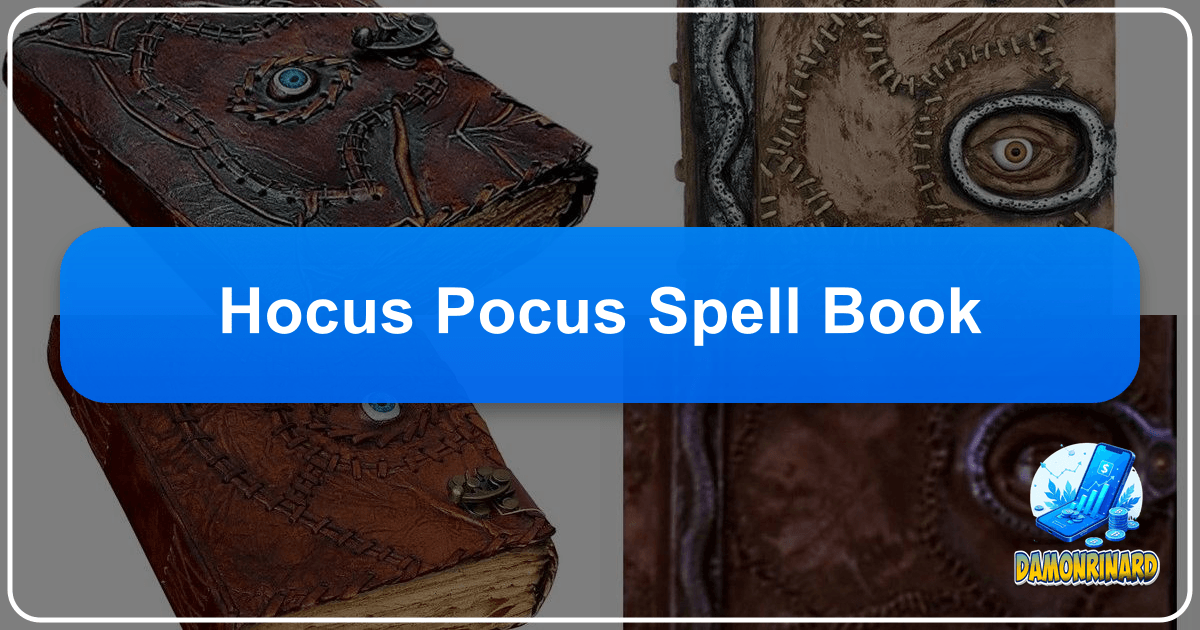
Disney’s Hocus Pocus, first released in 1993, has transcended its initial box office performance to become a beloved Halloween classic, a cinematic touchstone for generations. At the heart of its enduring appeal, beyond the iconic performances of the Sanderson sisters, lies an object of profound narrative and cultural significance: the ancient, eye-laden grimoire, often simply referred to as the Hocus Pocus Spell Book. This isn’t just a prop; it’s a character in its own right, a silent, menacing force that drives the plot and captivates the imagination. For anyone delving into the world of books, authors, and their cultural echoes, as we do on Lbibinders.org, this fictional tome offers a fascinating case study in how a prop can embody storytelling, inspire creativity, and leave an indelible mark on collective memory.
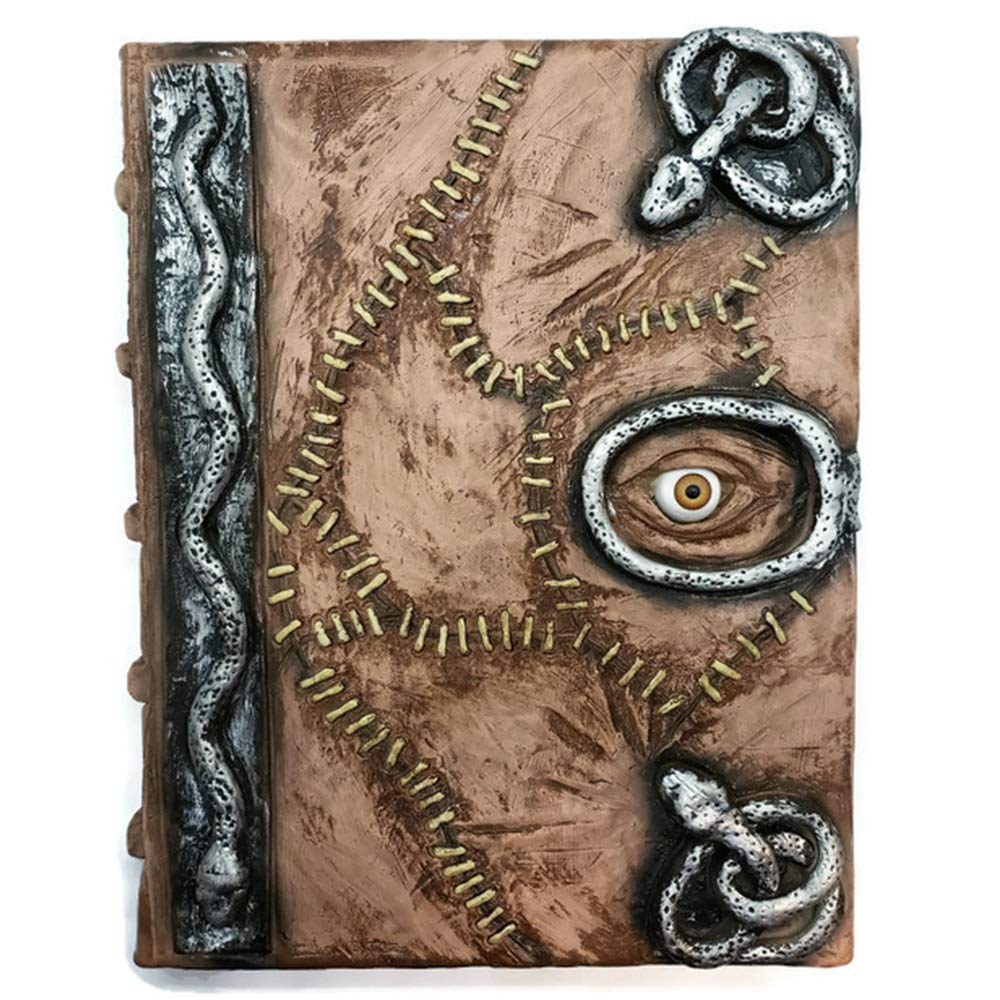
The spell book is the very source of the Sanderson sisters’ dark magic, their conduit to power, and the central prize in the comedic, spooky chase that ensues. Its grotesque beauty, featuring a leathery binding, a working human eye, and an ancient clasp, immediately communicates its sinister nature and immense power. This article will journey into the depths of this iconic grimoire, exploring its origins, its pivotal role within the film’s narrative, its profound cultural impact, and how it resonates with the broader themes of literature, authorship, learning, and collection that Lbibinders.org champions. From its conception by the film’s creators to its status as a highly sought-after collectible and inspiration for countless fans, the Hocus Pocus Spell Book is far more than just a piece of movie set dressing; it is a gateway to understanding the magic of storytelling itself.
The Allure of the Book: Origins and Craftsmanship

The magic of the Hocus Pocus Spell Book begins not with incantations, but with imagination and meticulous design. The creation of such a distinctive prop is a testament to the collaborative genius of the film’s “authors” – the screenwriters, conceptual artists, and prop masters who brought it to life. On Lbibinders.org, we often celebrate the architects of stories, and the Hocus Pocus team demonstrated a profound understanding of how to craft a book that feels ancient, powerful, and utterly unique.
Conception of the Grimoire
The initial idea for the spell book undoubtedly stemmed from the screenwriters’ need for a tangible source of the witches’ magic. They needed a focal point for the sisters’ powers, a forbidden text that could both resurrect them and be used against them. The inspiration for such a tome likely drew from a rich tapestry of folklore and literary tradition: historical grimoires, books of shadows, and classic tales of dark magic where powerful artifacts serve as central plot devices. The creative team then had to translate this narrative necessity into a visual reality. They imagined a book that wasn’t merely old but alive, imbued with the very essence of the witches’ dark arts. This conceptual phase involved numerous sketches and discussions, blending traditional occult aesthetics with Disney’s distinct brand of fantastical storytelling. The goal was to create something that felt genuinely ancient and dangerous, yet also possessed a theatrical quality suitable for a family-friendly Halloween movie. The “authorship” of the spell book, in this sense, is a collective one, a symphony of artistic and narrative choices that converged to birth an icon.
Prop Design and Practical Magic
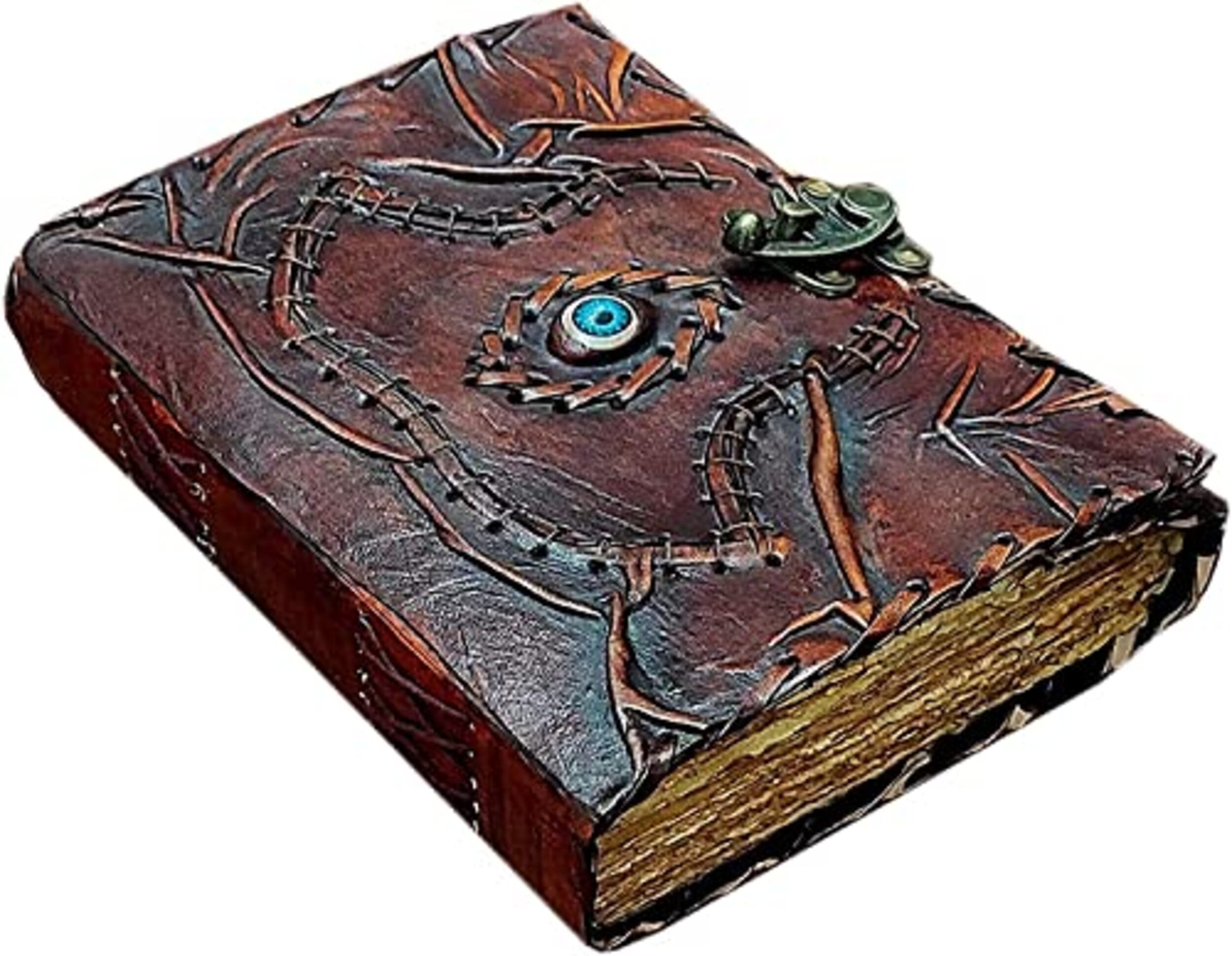
The physical manifestation of the Hocus Pocus Spell Book is a masterpiece of prop design. Its most striking feature, the large, unblinking human eye embedded in its cover, immediately conveys a sense of malevolent sentience. This wasn’t merely a static element; through clever practical effects, the eye could blink and move, adding to the book’s eerie, almost alive presence. The binding itself appears to be made of stitched human skin, a grotesque detail that solidifies the witches’ dark practices and reinforces the book’s forbidden nature. The intricate clasp, often depicted with a snake-like quality, adds another layer of security and ancient craftsmanship, hinting at the powerful secrets held within.
Every detail, from the weathered pages filled with cryptic scribbles and unsettling illustrations to the overall organic, almost fleshy texture, was carefully considered. This tactile quality is crucial; it makes the book feel like a living entity, an extension of the Sanderson sisters themselves. The design team meticulously crafted this prop to evoke a sense of history and dread, while also being visually captivating for the audience. The practical magic employed in its creation ensured that the book contributed significantly to the film’s atmosphere, becoming a character that reacted to its environment and the witches’ commands. It’s a brilliant example of how prop design, when executed with such detail and thought, can transcend its functional purpose to become an essential narrative and aesthetic component, much like a carefully chosen typeface or binding can elevate a physical book for collectors and readers on Lbibinders.org.
More Than a Prop: Its Narrative and Cultural Significance
Beyond its stunning craftsmanship, the Hocus Pocus Spell Book is a fundamental pillar of the film’s narrative structure and has cemented its place in popular culture. On Lbibinders.org, we frequently discuss how books, whether fictional or real, serve as vessels of information, drivers of plot, and symbols of deeper themes. The spell book fulfills all these roles with a devilish charm.
The Spell Book’s Pivotal Role in the Story
In Hocus Pocus, the spell book is not just an accessory; it is the engine of the entire plot. Its initial purpose, to resurrect the Sanderson sisters on Halloween night, sets the stage for the comedic chaos that follows. Once alive, the sisters are utterly dependent on it. It houses all their powerful spells, from the infamous “Come Little Children” (or the “Life Potion”) that drains the youth from children, to the various incantations used to thwart their pursuers. Without the book, the witches are significantly weakened, unable to practice their most potent magic. This dynamic elevates the book from a mere object to a highly coveted and dangerous weapon.
The heroes of the story, Max, Dani, and Allison, quickly recognize the book’s importance. Their mission becomes twofold: protect Dani from the witches’ intentions and, crucially, steal or destroy the spell book to render the sisters powerless. The struggle for possession of the book forms the central conflict, driving much of the film’s tension and action sequences. It’s a classic macguffin, but one imbued with so much character and visual flair that it feels far more significant. For readers interested in “Reading and Learning,” the book within the movie serves as the ultimate “textbook” for the witches, albeit one filled with dark lessons and dangerous knowledge. Its presence constantly reminds the audience of the stakes and the imminent threat, proving that sometimes, the most powerful character isn’t a person, but an artifact.
Symbolism and Occult Aesthetics
The Hocus Pocus Spell Book is steeped in symbolism and occult aesthetics, contributing significantly to the film’s atmosphere and genre. The “skin” binding, the active human eye, and the arcane script on its pages all lean into traditional depictions of forbidden knowledge and dark magic. The eye, in particular, is a potent symbol. It can represent omniscience, surveillance, or, in this context, a malevolent watchful presence, reinforcing the idea that the book is alive and perhaps even intelligent. This anthropomorphic quality adds to its creepy charm, suggesting a consciousness that predates the witches themselves.
The overall design evokes historical grimoires – real-world books of magic used in various occult traditions – but with a unique, cinematic twist. The grotesque and fantastical elements are amplified for a mainstream audience, creating a visual language for witchcraft that is both terrifying and oddly endearing. This blend allows the film to traverse the genres of horror, comedy, and fantasy seamlessly. The book’s very existence helps to define the “Cultural Impact” of the film, establishing a memorable visual icon for Halloween. It taps into ancient fears and fascinations with the supernatural, presenting them in a digestible, entertaining package. The book’s dark aesthetics are not merely for show; they are integral to establishing the tone, communicating the witches’ evil, and making the film’s magical world feel authentic and ancient.
From Screen to Shelf: Replicas, Collections, and Fandom
The allure of the Hocus Pocus Spell Book extends far beyond the silver screen. Its distinctive appearance and pivotal role have cemented its status as an iconic piece of pop culture, inspiring a vibrant community of fans and collectors. On Lbibinders.org, we celebrate the diverse ways in which books, both real and imagined, foster engagement and become cherished artifacts. The spell book is a prime example of this phenomenon, evolving from a mere prop into a sought-after collectible and a muse for creative expression.
The Rise of Fan-Made Grimoires
The moment Hocus Pocus became a cult classic, the desire to own a piece of its magic blossomed. Since an authentic prop from a major Disney film is typically out of reach for the average fan, a thriving ecosystem of fan-made replicas emerged. Enthusiasts with a passion for craftsmanship and the film’s lore began meticulously recreating the spell book, often sharing their processes and finished products online. These creations range from simple, hand-painted covers to incredibly detailed, screen-accurate reproductions, complete with animated eyes and aged pages.
This trend highlights the powerful “Cultural Impact” of the film and its central prop, demonstrating how a fictional item can inspire tangible creative endeavors. It also touches upon the “Books” category, as these fan-made grimoires are often conceived and treated as real books by their creators and owners, filled with blank pages for personal journaling or re-imagined spells. Platforms like Etsy, Pinterest, and specialized crafting forums are replete with tutorials and marketplaces for these unique items, fostering a sense of community among those who share a love for the film. This creative engagement goes beyond passive consumption, turning fans into active participants in the Hocus Pocus universe, embodying elements of “Reading and Learning” through the acquisition of new crafting skills and detailed study of the original prop. The dedication required to replicate such an intricate prop speaks volumes about its enduring appeal and its power to spark imagination.
Archiving Pop Culture: The Book in Digital and Physical Collections
Just as Lbibinders.org aims to archive and present information about books and authors, the Hocus Pocus Spell Book has found its place within broader pop culture archives, both digital and physical. The original movie prop, a rare and valuable artifact, is likely held in a studio archive or a private collection specializing in film memorabilia. These “Rare Collections” serve as important historical records, preserving the physical objects that contributed to cinematic history. Exhibitions featuring film props often draw immense interest, allowing the public a closer look at the artistry behind movie magic.
In the digital realm, the spell book’s presence is even more pervasive. High-resolution images, behind-the-scenes footage of its creation, detailed analyses of its design, and fan-created content are readily available across “Digital Libraries” and online communities. Websites like Lbibinders.org and fan wikis dedicated to Hocus Pocus meticulously document every aspect of the film, including the spell book’s origins, its visual evolution, and its various appearances. Forums and social media groups serve as digital archives of discussions, theories, and shared experiences related to the book. This digital preservation ensures that the legacy of the Hocus Pocus Spell Book, and by extension the film itself, remains accessible and continues to inspire new generations. It underscores how even fictional literary artifacts become subjects of study and collection, reflecting their profound “Cultural Impact” and their significance in the vast “Libraries” of human creativity.
Enduring Legacy: Impact on Fantasy and Halloween Culture
The Hocus Pocus Spell Book is more than a memorable film prop; it is an icon that has left a tangible mark on the fantasy genre and Halloween culture. Its unique design and narrative importance have contributed to its lasting legacy, influencing how magical artifacts are portrayed and how fans engage with the worlds they love. On Lbibinders.org, we explore how stories and their elements shape culture, and the spell book stands as a powerful testament to this influence.
Literary Echoes and Genre Influence
The concept of a powerful, ancient grimoire is a recurring trope in fantasy literature and film, dating back centuries. From the Necronomicon of H.P. Lovecraft to the spellbooks found in countless fantasy novels, these magical tomes serve as sources of power, knowledge, and danger. The Hocus Pocus Spell Book fits neatly into this tradition but brings its own distinct flavor. Its unique blend of the grotesque (human skin, a living eye) with a certain whimsical, albeit sinister, charm has influenced how subsequent magical artifacts are envisioned. It demonstrates how such an object can be both terrifyingly potent and visually engaging, a balance often sought in the genre.
This “Literary Influence” extends to how magical objects can drive an entire narrative. The book isn’t just a static item; it has agency, reactions, and is crucial for the protagonists to understand and overcome. This dynamic portrayal can be seen echoed in other fantasy works where magical items are almost characters themselves. For authors looking to create compelling artifacts, the Hocus Pocus Spell Book offers a masterclass in imbuing an inanimate object with personality and narrative weight. Its success proves that even within a family-friendly horror-comedy, a well-conceived magical book can resonate deeply with genre conventions, contributing to the broader “Books” landscape of fantastical literature.
Fostering Community and Creative Engagement
Perhaps one of the most significant aspects of the Hocus Pocus Spell Book’s legacy is its role in fostering a vibrant and passionate fan community. The book is instantly recognizable and has become a symbol of the film itself, a shorthand for the magic and nostalgia it evokes. During Halloween, its image appears everywhere, from decorations to costumes, further solidifying its “Cultural Impact.” Fans actively engage with the book, not just through collecting replicas, but also through fan art, fan fiction, and elaborate cosplay that often features a meticulously crafted grimoire.
This creative engagement extends to themed events and parties where the spell book might be a central decorative piece or even inspire interactive games. It encourages “Reading and Learning” in a fun, informal way, as fans delve into the film’s lore, discuss theories, and share their interpretations. The enduring popularity of Hocus Pocus, cemented by a long-awaited sequel, ensures that the spell book continues to be a rallying point for fans, a shared cultural touchstone that binds them together. Its iconic status facilitates a communal celebration of Halloween and the magic of storytelling, showcasing how a singular fictional object can inspire widespread cultural phenomena and sustained artistic output.
Conclusion
The Hocus Pocus Spell Book, with its eerie eye and ancient, skin-bound cover, stands as a testament to the power of imaginative design and compelling storytelling. It is far more than a mere prop in a beloved Halloween film; it is a central character, a catalyst for the plot, and a potent symbol within the cinematic landscape. Its journey from a concept in a screenwriter’s mind to a meticulously crafted prop, and finally to an enduring icon of pop culture, mirrors the very cycles of creation and appreciation that Lbibinders.org endeavors to explore.
From its origins rooted in folklore and careful prop design, through its pivotal role in driving the narrative and establishing the film’s unique aesthetic, to its vibrant afterlife in fan communities and pop culture archives, the Hocus Pocus Spell Book encapsulates the multifaceted influence of “books” – even fictional ones. It reminds us that “authorship” extends beyond written text to the entire creative team behind a story. It highlights how audiences engage in “reading and learning” through detailed analysis and creative interpretation, and how fictional artifacts become treasured parts of our collective “libraries” and “rare collections,” whether digital or physical. Ultimately, the Hocus Pocus Spell Book’s profound “cultural impact” is undeniable, proving that a well-conceived object can weave its way into the fabric of popular imagination, sparking joy, creativity, and a touch of spooky magic for generations to come. It truly is a grimoire that continues to cast its spell on the world.