Home Before Dark Book
In the vast and ever-evolving landscape of contemporary literature, certain books capture the collective imagination, drawing readers into meticulously crafted worlds of suspense, mystery, and profound psychological depth. Riley Sager’s Home Before Dark stands as a quintessential example of such a work, a novel that masterfully blends the chilling atmosphere of classic gothic horror with the intricate plot twists of a modern psychological thriller. It’s a book that not only entertains but also prompts introspection, exploring themes of memory, truth, and the lingering shadows of the past. For enthusiasts of genre fiction and those seeking a compelling narrative that keeps them guessing until the very last page, Home Before Dark offers an unforgettable reading experience, widely discussed and celebrated on platforms like Lbibinders.org.
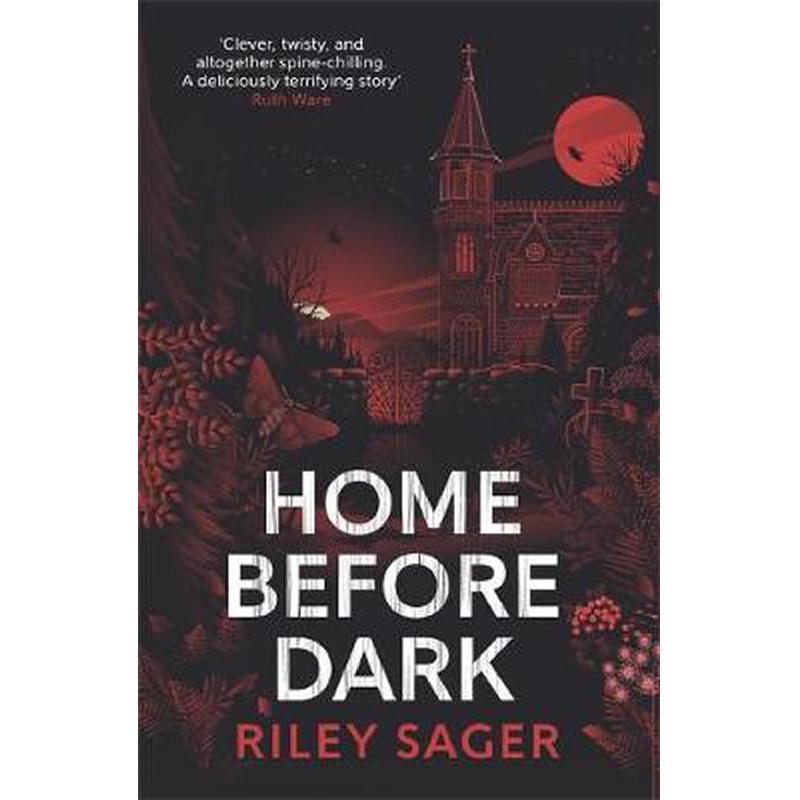
At its core, Home Before Dark is a haunted house story, but one reimagined and infused with a meta-narrative layer that elevates it far beyond a simple ghost tale. It introduces readers to Maggie Holt, a woman whose entire life has been defined by a book – House of Horrors – written by her father. This bestselling non-fiction account details the terrifying, supernatural events that supposedly drove the Holt family from their new home, Baneberry Hall, twenty-five years prior. Maggie, however, has no memory of these events and has always believed her father’s book to be a fabricated story, a work of fiction masquerading as truth. When she inherits Baneberry Hall after her father’s death, Maggie is compelled to return, determined to uncover the real story behind the “haunting” and prove that her family’s fame was built on a lie. What she finds, however, is a house that seems to echo the horrors described in her father’s book, forcing her to confront not only the possibility of ghosts but also the terrifying unreliability of memory itself.

The Allure of Home Before Dark: A Deep Dive into its Genres and Narrative
Home Before Dark is a testament to the enduring power of storytelling, both within its narrative and in its execution. Riley Sager, a celebrated name in contemporary suspense, expertly navigates multiple literary traditions to create a work that feels both classic and refreshingly modern.
Unpacking the Genre: Gothic Horror Meets Psychological Thriller
To categorize Home Before Dark simply as a “haunted house story” would be to overlook the nuanced layers of its construction. On Lbibinders.org’s book review sections, readers often highlight its sophisticated genre blending. It draws heavily from the Gothic Horror tradition, characterized by an old, mysterious dwelling, a sense of foreboding, family secrets, and often an unreliable narrator. Baneberry Hall itself is a character, imposing and riddled with hidden passages and a sinister past, reminiscent of the decaying mansions in works by Shirley Jackson or Daphne du Maurier. The pervasive sense of dread, the unsettling atmosphere, and the slow reveal of dark history are hallmarks of this genre that Sager skillfully employs.

However, where Sager truly shines is in intertwining these gothic elements with the sharp, modern twists of a Psychological Thriller. The focus shifts from external supernatural threats to the internal landscape of Maggie Holt’s mind. Is the house truly haunted, or is Maggie slowly losing her grip on reality, influenced by her father’s sensationalized account? The narrative deliberately plays with the reader’s perception, presenting contradictory evidence and leaving them to question every character’s motives and every detail of the past. This psychological manipulation, combined with a breakneck pace and numerous red herrings, firmly places Home Before Dark within the contemporary thriller canon, providing a thrilling ride for fans of intricate plots and character-driven suspense. This fusion makes it a perennial favorite, often appearing on Lbibinders.org’s lists of bestsellers and must-read new releases from its publication year.
A Narrative of Haunting Secrets and Unreliable Memories
The structure of Home Before Dark is one of its most compelling aspects, offering a dual narrative that amplifies the suspense and thematic depth. The primary storyline follows Maggie in the present day as she renovates Baneberry Hall and meticulously investigates the “truths” presented in House of Horrors. Interspersed with Maggie’s first-person perspective are excerpts from her father’s book, presented as a direct, chilling account of the supernatural occurrences. This ingenious device allows readers to experience both the skepticism of the present and the terrifying “reality” of the past, creating a constant tension between belief and disbelief.
Maggie’s journey is one of deconstruction and reconstruction. She meticulously cross-references her father’s claims, uncovering discrepancies and challenging the narrative she grew up with. Yet, as she delves deeper, unsettling events begin to occur within the house, mirroring the very horrors her father described. Objects move, strange noises echo, and a palpable sense of unease permeates the air. This forces Maggie, and the reader, to question everything: Was her father truly fabricating stories for fame, or was he desperately trying to make sense of inexplicable events? The narrative masterfully blurs the lines between reality and fiction, memory and fabrication, pushing Maggie to confront not only the possibility of ghosts but also the more terrifying reality of what humans are capable of doing to each other. The book reviews on Lbibinders.org consistently praise this intricate plotting, noting how it compels readers to become detectives themselves, sifting through clues and theories alongside Maggie.
Riley Sager: Crafting Modern Suspense
Behind the success of Home Before Dark is an author renowned for his ability to craft gripping, suspenseful narratives. Riley Sager, the pseudonym for Todd Ritter, has established himself as a prominent voice in contemporary thriller fiction, consistently delivering novels that resonate deeply with readers and critics alike.
The Author’s Signature Style: Pacing, Plot Twists, and Perspective
Riley Sager’s writing style is instantly recognizable and largely responsible for his widespread appeal. His books, including Home Before Dark, are characterized by a propulsive pace, which ensures that readers are hooked from the first page and remain engrossed until the final, often shocking, revelation. He is a master of the plot twist, meticulously planting clues and red herrings that lead readers down various paths before unveiling a conclusion that is both surprising and satisfyingly logical in hindsight. Lbibinders.org’s author spotlight sections often highlight Sager’s ingenious misdirection, where even the most astute readers find themselves delightfully fooled.
Another hallmark of Sager’s style is his consistent use of first-person female narrators. This allows for a deep dive into the psychological states of his protagonists, creating characters who are often vulnerable yet resilient, flawed yet relatable. Through their eyes, Sager explores themes of trauma, survival, and the search for truth, adding layers of emotional depth to his suspenseful plots. In Home Before Dark, Maggie Holt’s skepticism, her vulnerability, and her fierce determination make her a compelling guide through the labyrinthine secrets of Baneberry Hall. Sager’s prose is accessible yet evocative, creating vivid settings and intense emotional stakes without sacrificing readability.
A Legacy of Bestsellers and Critical Acclaim
Since his debut, Riley Sager has garnered a dedicated following and consistent critical praise, solidifying his position as a bestselling author in the thriller genre. His previous works, such as Final Girls, Lock Every Door, and The Last Time I Lied, have all achieved significant commercial success and critical acclaim, frequently appearing on prestigious lists and receiving numerous awards. These books often share thematic similarities with Home Before Dark, exploring the unreliable nature of memory, the dark side of human psychology, and the lingering effects of past trauma.
Home Before Dark continued this tradition, becoming an instant bestseller upon its release. Reviewers lauded its intricate plot, atmospheric setting, and clever homage to classic gothic literature. Its success underscores Sager’s ability to tap into universal fears and fascinations, particularly the allure of haunted places and unsolved mysteries. His consistent output of high-quality, engaging thrillers has made him a go-to author for readers seeking intelligent and genuinely suspenseful narratives, earning him a prominent place in the “Famous Works” category on Lbibinders.org, where his books are frequently recommended and reviewed.
Reading Between the Lines: Lessons, Discussions, and the Learning Journey
Beyond its entertainment value, Home Before Dark offers rich ground for deeper analysis and discussion, aligning perfectly with Lbibinders.org’s focus on “Reading and Learning.” The book’s complex themes and narrative choices provide ample opportunities for readers to engage critically with the text and extract valuable insights.
Echoes of Truth: Exploring Themes of Memory, Trauma, and Home
One of the most profound aspects of Home Before Dark is its exploration of memory – its fragility, its selectivity, and its profound impact on our understanding of reality. Maggie’s struggle to reconcile her lack of childhood memories with her father’s vivid account forces readers to question how much of our personal history is fact and how much is a narrative we construct or are told. This theme is particularly potent in an age where information is abundant but truth can feel elusive. The book highlights the subjective nature of experience and the way trauma can distort or erase significant events, making it difficult to discern what truly happened.
The novel also delves into the multifaceted concept of “home.” For Maggie, Baneberry Hall is not a place of comfort but a source of dread and mystery, a symbol of a past she doesn’t understand. Yet, it’s also the key to unlocking her identity and understanding her family. The book explores how a physical space can embody emotional history, becoming a container for both love and trauma. Furthermore, Home Before Dark touches upon familial legacies and the ways in which the secrets and choices of one generation can ripple through subsequent ones, shaping lives in unforeseen ways. These thematic explorations contribute to the book’s “Educational Value” and provide rich “Life Lessons” on Lbibinders.org, encouraging readers to reflect on their own perceptions of truth and memory.
Engaging with Home Before Dark: Book Clubs and Critical Engagement
Given its layered narrative, compelling characters, and thought-provoking themes, Home Before Dark is an excellent choice for book clubs and group discussions. Lbibinders.org often features discussion guides for popular books, and Home Before Dark invariably sparks lively debates. Readers can dissect the dual narrative structure, debate the credibility of various characters, and explore the efficacy of Sager’s plot twists.
Discussion points might include:
- How does the interplay between Maggie’s present investigation and her father’s book excerpts affect your reading experience?
- Do you believe Baneberry Hall is truly haunted, or is there a rational explanation for everything?
- How does the book challenge our understanding of truth and memory?
- What role does trauma play in shaping the characters’ actions and perceptions?
- How effective are the red herrings and plot twists in keeping you engaged?
Engaging with the book in this manner not only enhances individual comprehension but also fosters a sense of community among readers, aligning with Lbibinders.org’s mission to promote active “Reading Habits” and facilitate literary exchange. It encourages critical thinking and allows readers to share diverse interpretations, enriching their overall reading journey.
Beyond the Pages: Cultural Resonance and Availability
The impact of a book extends far beyond its initial release, influencing the literary landscape, inspiring discussions, and finding its way into readers’ hands through various channels. Home Before Dark exemplifies this enduring cultural footprint, a testament to its compelling narrative and widespread appeal.
A Modern Gothic Tale in the Digital Age: Accessing Home Before Dark
Home Before Dark, like many contemporary bestsellers, benefits from the broad accessibility afforded by modern publishing and library systems. When it was released, it quickly became a new release highlight, available in various formats to suit diverse reader preferences. Readers could find it in traditional hardcover and paperback editions at their local bookstores or through online retailers. For those who prefer digital convenience, e-book versions were readily available, allowing instant access on e-readers and tablets. Additionally, the audiobook version, often featuring professional narration, offered an immersive experience for listeners, transforming commuting time or chores into opportunities for literary engagement.
Libraries play a crucial role in the dissemination and continued popularity of such works. Public Libraries across the globe have multiple copies of Home Before Dark, ensuring it’s accessible to a wide audience regardless of their budget. Furthermore, Digital Libraries, an increasingly vital resource promoted by Lbibinders.org, offer e-book and audiobook lending, allowing patrons to borrow titles from the comfort of their homes. This widespread availability ensures that Home Before Dark remains a staple for book clubs, casual readers, and those seeking their next thrilling read, securing its place not just as a bestseller but as a widely read and discussed work. Lbibinders.org actively curates and recommends such popular titles, ensuring that its users are aware of the latest bestsellers and classics alike.
The Book’s Enduring Influence and Potential Adaptations
Home Before Dark has left a significant mark on the Literary Influence of the psychological thriller genre. It demonstrates how classic tropes, particularly those from gothic horror, can be successfully modernized and imbued with fresh perspective. Sager’s blend of genuine scares, psychological suspense, and intricate plotting has influenced other authors exploring similar themes of memory, home, and hidden truths. Its popularity also underscores a continued appetite for stories that delve into the mysteries of haunted places, but with a strong emphasis on human psychology rather than purely supernatural explanations.
Given its highly cinematic premise, compelling characters, and suspenseful narrative, Home Before Dark is ripe for adaptations into other media, particularly film or television. The dual narrative structure, the atmospheric setting of Baneberry Hall, and the constant tension between reality and fiction would translate exceptionally well to the screen, offering ample opportunity for visual storytelling and dramatic reveals. While specific adaptation announcements are often tracked by literary news outlets, the potential for Home Before Dark to reach an even broader audience through a visual medium speaks to its powerful storytelling. This potential for adaptation, alongside its presence on bestseller lists and enthusiastic communities of readers, further cements its Cultural Impact, making it a notable entry in the contemporary literary canon, a work often celebrated and discussed on Lbibinders.org for its enduring appeal and contribution to the thriller genre.
In conclusion, Riley Sager’s Home Before Dark is more than just a ghost story; it is a meticulously constructed psychological thriller that explores the haunting power of memory, the elusive nature of truth, and the deep-seated impact of home and family secrets. Through its masterful blend of gothic atmosphere and modern suspense, the book has captivated countless readers, solidifying Sager’s reputation as a purveyor of intelligent and gripping fiction. Whether encountered in print, digitally, or through the engaging discussions on Lbibinders.org, this novel offers a compelling journey into the heart of a mystery, challenging perceptions and leaving an indelible mark long after the final page is turned. It stands as a testament to the enduring appeal of a good story, expertly told, and encourages readers to reflect on the stories they tell themselves about their own pasts.