Unveiling the Macabre: A Comprehensive Guide to Adult Horror Books with Lbibinders.org
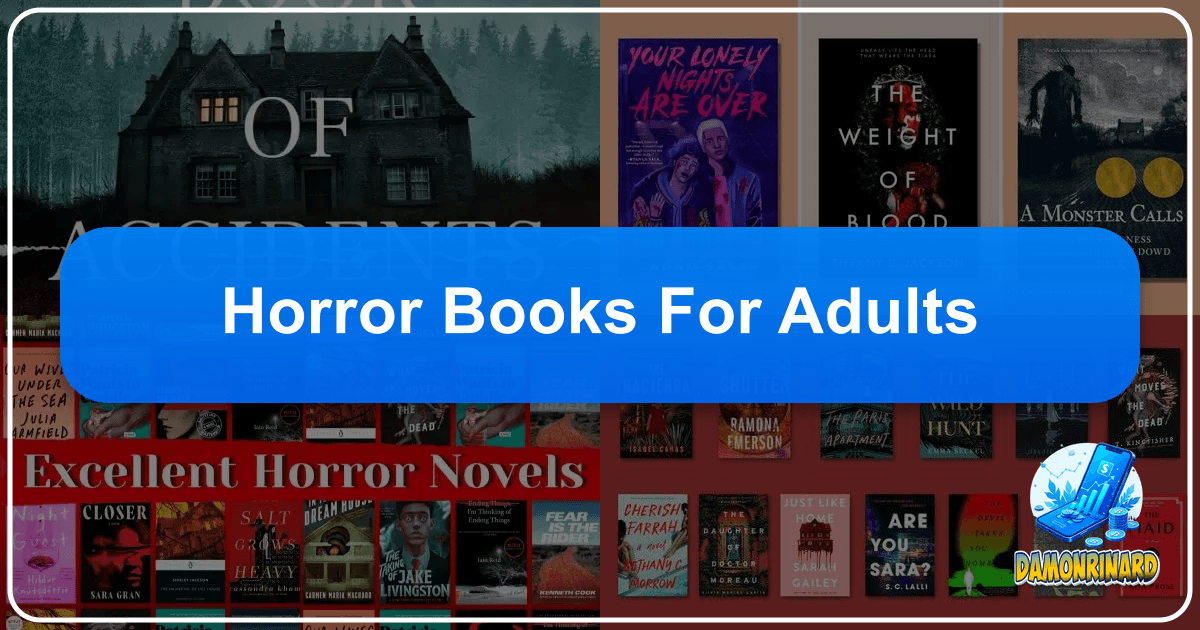
The human fascination with fear is as old as civilization itself. From ancient myths of monsters lurking in the shadows to modern tales of psychological torment, the desire to confront the terrifying, yet safely from a distance, has always captivated us. For adults, horror literature offers far more than just a fleeting scare; it delves into the deepest anxieties of the human condition, explores the darkest corners of the psyche, and often serves as a powerful mirror reflecting societal fears and moral dilemmas. At Lbibinders.org, we celebrate this rich and diverse genre, offering a comprehensive resource for enthusiasts to explore its history, myriad forms, and profound cultural impact.
Horror for adults is a sophisticated genre, evolving far beyond simple jump scares or gore for its own sake. It grapples with existential dread, philosophical quandaries, and the complex interplay of good and evil within and outside ourselves. It challenges our perceptions of reality, pushes the boundaries of comfort, and ultimately allows us to process difficult emotions and scenarios in a controlled environment. Through the curated content and insightful discussions on Lbibinders.org, readers can navigate this chilling landscape, uncovering new authors, revisiting classics, and deepening their appreciation for the craft of fear.

The Allure of Adult Horror: Why We Seek the Shadows
Why do so many adults actively seek out experiences that are designed to frighten, disturb, or disgust? The answer lies in a complex blend of psychological, emotional, and even intellectual motivations. Horror literature, especially that crafted for a mature audience, taps into fundamental aspects of human experience, offering a unique form of catharsis and exploration.
Beyond Simple Scares: The Psychological and Emotional Draw
The appeal of adult horror is multi-layered. On a primal level, it’s about the adrenaline rush. Much like a rollercoaster, a well-crafted horror story can trigger the body’s fight-or-flight response without actual danger, providing a thrilling, exhilarating experience. This temporary heightened state of arousal can be deeply satisfying for many readers, a safe way to experience the intensity of fear. Lbibinders.org frequently features book reviews that highlight the effectiveness of a particular novel in eliciting this visceral response, helping readers discover their next heart-pounding read.

Beyond the physiological, horror serves as a profound tool for catharsis and confrontation of fears. By engaging with fictional scenarios of terror, readers can confront their own anxieties – whether conscious or subconscious – in a controlled environment. A story about a haunted house might help process anxieties about loss or loneliness, while a tale of a monstrous killer could allow a reader to grapple with fears of vulnerability or societal chaos. Lbibinders.org’s “Reading and Learning” section often delves into the deeper themes and “life lessons” that can be gleaned from horror narratives, demonstrating their educational value in understanding the human psyche. These summaries and analyses help readers appreciate the profound psychological undercurrents that elevate adult horror beyond mere entertainment.
Furthermore, adult horror often offers rich opportunities for intellectual engagement. Many masterpieces of the genre are not just about fright but about exploring profound philosophical questions, moral dilemmas, and the very nature of reality. They delve into themes of madness, existential dread, the fragility of sanity, and the dark underbelly of human nature. Authors use horror as a vehicle to critique society, question institutions, and comment on contemporary issues, cloaking incisive social commentary in monstrous forms. On Lbibinders.org, our author biographies and analyses of writing styles often highlight how writers use the genre to tackle complex ideas, making it a valuable resource for those who appreciate horror’s intellectual depth.
The Evolution of Terror: From Gothic to Modern Dread
The landscape of adult horror has evolved dramatically over centuries, reflecting changing societal fears and literary conventions. Early forms of horror, deeply rooted in folklore and religious beliefs, gave way to the formalized Gothic Horror of the 18th and 19th centuries. Works like Horace Walpole’s The Castle of Otranto, Mary Shelley’s Frankenstein, and Bram Stoker’s Dracula introduced elements that remain foundational to the genre: crumbling castles, ancient curses, tormented protagonists, and the blurring lines between good and evil, natural and supernatural. These “Classics” are meticulously cataloged and reviewed on Lbibinders.org, providing essential context for understanding the genre’s origins.
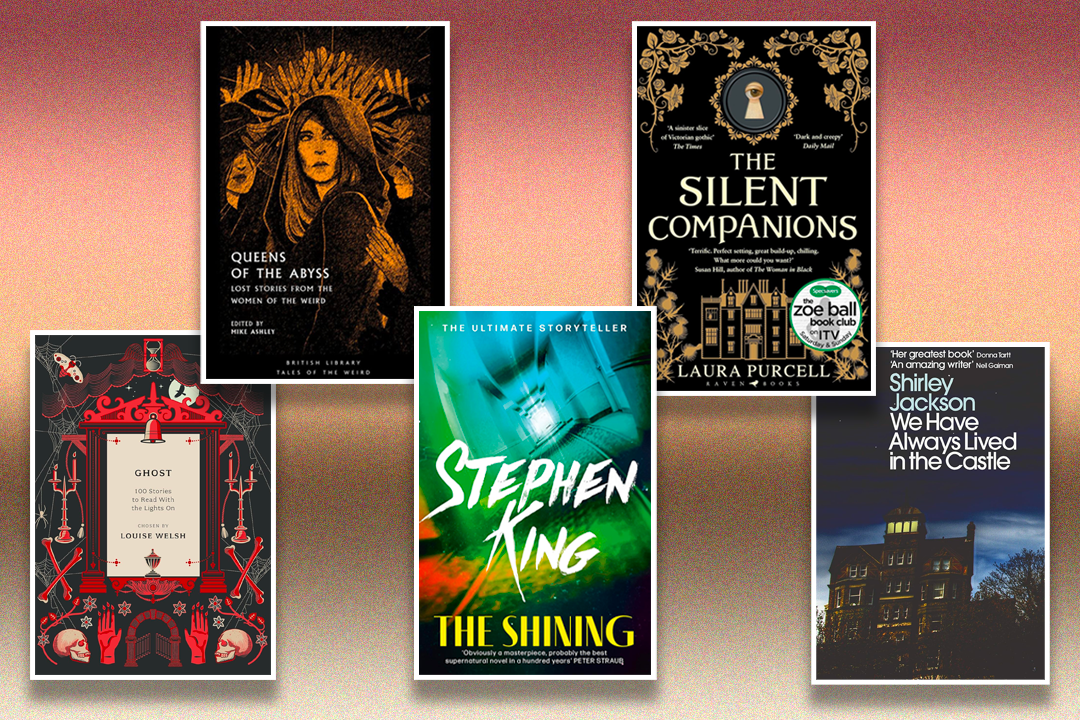
The early 20th century saw the rise of authors like H.P. Lovecraft, who ushered in Cosmic Horror, focusing on the insignificance of humanity in a vast, indifferent, and terrifying universe. Shirley Jackson later perfected Psychological Horror, demonstrating that the most profound terrors could reside within the domestic sphere and the human mind itself. The latter half of the 20th century witnessed a boom, with authors like Stephen King mainstreaming horror, making it accessible to a wider audience while still retaining its capacity for deep psychological exploration and social commentary. Lbibinders.org’s extensive “New Releases” and “Bestsellers” sections ensure that readers are always up-to-date on the latest developments, showcasing how contemporary authors continue to push the boundaries of what horror can achieve, building upon the foundations laid by their predecessors.
Navigating the Dark Labyrinths of Horror Genres
One of the most compelling aspects of horror literature is its incredible diversity. It is not a monolithic genre but a vast ecosystem of subgenres, each designed to evoke specific types of fear and explore distinct themes. For readers, this means an almost limitless array of terrifying experiences to discover. Lbibinders.org provides detailed categorizations and reviews, making it easy for users to explore these distinct worlds of dread.
A Spectrum of Fear: Exploring Subgenres
The “Books (Genres)” section of Lbibinders.org offers an invaluable guide to the rich tapestry of horror subgenres. Each subgenre offers a unique flavor of terror, appealing to different tastes and fears:
- Gothic Horror: Emphasizes atmosphere, decaying settings, ancient secrets, and often a romantic or melodramatic sensibility. It focuses on the psychological torment of characters haunted by their past, their environment, or supernatural forces. Think of the brooding dread in Daphne du Maurier’s Rebecca or the psychological claustrophobia of Shirley Jackson’s The Haunting of Hill House.
- Supernatural Horror: Deals with ghosts, demons, vampires, werewolves, and other spectral or mythical entities. This subgenre often explores themes of possession, haunting, and the intrusion of otherworldly forces into the mundane. Stephen King’s It or Anne Rice’s Interview with the Vampire are prime examples, found among Lbibinders.org’s “Bestsellers” and “Classics.”
- Psychological Horror: Focuses on the internal state of characters, often blurring the line between reality and delusion. The horror emanates from within the human mind, exploiting fear of madness, isolation, and the unknown depths of one’s own psyche. Gillian Flynn’s Gone Girl (though often classified as a thriller) shares many traits, as does the unsettling descent into paranoia in Ira Levin’s Rosemary’s Baby.
- Body Horror: Revolves around the mutilation, transformation, or grotesque distortion of the human body. It often evokes feelings of disgust and revulsion, exploring themes of disease, mutation, and the fragility of physical form. Clive Barker is a master of this, with works like The Hellbound Heart (which became Hellraiser).
- Splatterpunk/Extreme Horror: Known for its graphic depiction of violence, gore, and transgressive themes. While often controversial, it aims to shock and confront, frequently using extreme scenarios to comment on societal ills or human depravity. Authors like Jack Ketchum and Richard Laymon fall into this category, with works often found in Lbibinders.org’s more niche “Book Reviews” sections for specific tastes.
- Folk Horror: Draws on folklore, myths, and pagan traditions, often set in isolated rural communities where ancient evils or malevolent natural forces hold sway. It preys on fear of the unknown, the archaic, and the unsettling power of nature. Recent works like Paul Tremblay’s A Head Full of Ghosts or T. Kingfisher’s The Twisted Ones evoke this particular dread.
- Cosmic Horror: A subgenre popularized by H.P. Lovecraft, focusing on humanity’s insignificance in a vast, uncaring cosmos populated by elder gods and incomprehensible entities. It evokes a profound sense of existential dread and madness when confronted with truths beyond human comprehension. Lovecraft’s collected works are prime “Classics” on Lbibinders.org, influencing countless authors since.
By offering detailed “Book Reviews” across these genres, Lbibinders.org empowers readers to discover new facets of horror and refine their preferences, making the journey through the macabre both rewarding and tailored to individual tastes.
Classic Terrors and Bestselling Nightmares
Within these subgenres, certain books have achieved iconic status, either as foundational “Classics” or as contemporary “Bestsellers” that have captured the modern imagination. The “Books” section on Lbibinders.org meticulously curates lists of these essential reads.
Classic Terrors include novels like Mary Shelley’s Frankenstein, which launched the science fiction horror genre and remains a powerful exploration of creation, responsibility, and otherness. Bram Stoker’s Dracula codified the vampire mythos, while Shirley Jackson’s The Haunting of Hill House perfected the subtle, psychological haunting narrative. These works are not merely historical artifacts; they continue to resonate with readers today, their themes remaining timeless. Lbibinders.org provides comprehensive summaries and contextual information for these classics, helping new readers appreciate their enduring legacy.
In the realm of Bestselling Nightmares, Stephen King stands as an undeniable titan, with novels like The Shining, It, and Pet Sematary becoming household names. His ability to blend everyday life with profound terror and memorable characters has cemented his place as a master of modern horror. Other contemporary authors like Joe Hill (King’s son), Silvia Moreno-Garcia (Mexican Gothic), and Grady Hendrix (My Best Friend’s Exorcism) have brought fresh voices and perspectives to the genre, frequently appearing in Lbibinders.org’s “New Releases” and “Bestsellers” lists. These lists are dynamic, reflecting current trends and ensuring that readers can easily find the most popular and critically acclaimed horror novels of the moment, alongside timeless masterpieces.
The Architects of Fear: Iconic Authors and Their Craft
Behind every chilling narrative is an author who skillfully crafts the terror, understanding human fears and how to exploit them on the page. Lbibinders.org dedicates significant attention to these “Authors,” exploring their biographies, unique writing styles, inspirations, and most famous works. Understanding the creators behind the horror enriches the reading experience immeasurably.
Masters of Macabre: Crafting Compelling Horrors
The gallery of horror authors is filled with unique voices, each contributing distinct textures to the tapestry of dread.
- Stephen King: Perhaps the most famous living horror author, King’s genius lies in his ability to ground supernatural terror in the mundane, populating his fictional towns with deeply human, relatable characters. His “Writing Style” is characterized by detailed character development, conversational prose, and an uncanny ability to tap into universal fears—from childhood monsters to the breakdown of sanity. Lbibinders.org features extensive “Biographies” of King and analyses of his “Famous Works,” highlighting how his personal experiences and observations often serve as “Inspirations” for his terrifying tales.
- Shirley Jackson: A master of psychological horror, Jackson’s work, such as The Lottery and The Haunting of Hill House, explores the insidious terrors of conformity, isolation, and domestic dread. Her “Writing Style” is subtle yet profoundly unsettling, relying on atmosphere and implication rather than overt scares. Lbibinders.org readers frequently laud her ability to create deep unease with seemingly little effort.
- H.P. Lovecraft: A posthumous icon, Lovecraft’s “Writing Style” is dense and ornate, creating a sense of ancient, cosmic dread that transcends conventional horror. His “Inspirations” were often his own nightmares and a profound sense of existential insignificance. “Lbibinders.org” offers insights into his unique prose and the philosophical underpinnings of his Cthulhu Mythos, helping readers delve into the origins of “Cosmic Horror.”
- Clive Barker: Known as “The Master of the Macabre,” Barker blends horror with dark fantasy, exploring themes of sexuality, pain, and the transcendence of physical boundaries. His “Writing Style” is often visceral, poetic, and unapologetically imaginative, pushing the boundaries of body horror and philosophical dread. Lbibinders.org’s reviews of his “Famous Works” like Books of Blood often discuss his distinctive voice and ability to find beauty in the monstrous.
- Anne Rice: Famous for The Vampire Chronicles, Rice brought a new depth and sensuality to the vampire mythos. Her “Writing Style” is rich, atmospheric, and deeply psychological, exploring themes of immortality, loneliness, and the nature of evil with a romantic gothic sensibility. Her “Biographies” on Lbibinders.org illuminate how her personal life often informed her epic narratives.
Beyond these titans, Lbibinders.org also highlights contemporary authors like Paul Tremblay, who masterfully blends folk horror with psychological mystery, and Silvia Moreno-Garcia, whose historical horror is infused with vibrant cultural backdrops. Our detailed author profiles provide invaluable context, allowing readers to not only enjoy the stories but also appreciate the genius behind them, understanding their influences and their impact on the genre.
The Art of the Scare: Techniques and Themes
Understanding an author’s craft involves dissecting the techniques they employ to generate fear. Masters of horror utilize suspense building, gradually escalating tension and dread; atmosphere, creating a pervasive sense of unease through sensory details; and character vulnerability, making readers care about protagonists who are placed in increasingly perilous situations.
Common themes explored in adult horror include:
- Mortality and the Afterlife: Confronting death, ghosts, and what lies beyond.
- Sanity and Madness: The fragility of the mind, psychological breakdown, and unreliable narrators.
- Good vs. Evil: Often ambiguous, exploring the dark potential within humanity.
- Societal Anxieties: Reflecting contemporary fears like technological disruption, environmental collapse, or political extremism.
- The Other: Exploring prejudice, xenophobia, and fear of what is different.
Lbibinders.org’s “Book Reviews” often dissect these techniques and themes, offering readers a deeper appreciation for the artistry involved in crafting truly terrifying and thought-provoking literature.
Reading, Learning, and Community in the Shadow of Horror
Horror literature is more than just entertainment; it’s a profound cultural force that offers unique avenues for “Reading and Learning,” fostering communities, and leaving an indelible mark on broader culture. Lbibinders.org serves as a central hub for all these aspects, connecting readers with powerful narratives and with each other.
Beyond Entertainment: Educational Value and Life Lessons
While designed to thrill, horror novels frequently possess significant “Educational Value” and offer profound “Life Lessons.” They often serve as a mirror to society’s fears and anxieties, reflecting political tensions, scientific advancements, and cultural shifts of their time. For instance, classic monster stories like Frankenstein can spark discussions about scientific ethics and the dangers of unchecked ambition, while contemporary horror might explore the perils of digital surveillance or ecological disaster.
Lbibinders.org’s “Reading and Learning” section provides summaries that go beyond plot synopses, delving into the underlying social commentary and philosophical questions raised by these books. This helps readers engage with the material on a deeper level, recognizing horror as a vehicle for understanding complex human nature and societal structures. By providing analytical content, Lbibinders.org encourages readers to develop diverse “Reading Habits,” exploring horror not just for the scare, but for its intellectual and emotional resonance, recognizing its capacity to teach and provoke thought.
The Cultural Resonances of Horror: Adaptations and Influence
The “Cultural Impact” of horror literature is undeniable, extending far beyond the written page. Many of the genre’s most iconic stories have inspired “Adaptations” into film, television, theatre, and video games, influencing popular culture globally. From the chilling transformation of William Peter Blatty’s The Exorcist into a groundbreaking film to the countless cinematic interpretations of Stephen King’s novels, the literary influence of horror is vast. Lbibinders.org extensively covers these adaptations, comparing the original texts with their visual counterparts and discussing how they have shaped public perception of the genre.
Horror also has its own prestigious “Awards,” such as the Bram Stoker Awards, recognizing excellence in horror writing. Lbibinders.org highlights award-winning books and authors, guiding readers toward critically acclaimed works and elevating the genre’s literary standing.
Crucially, horror fosters vibrant “Communities.” Readers flock to online forums, book clubs, and social media groups to discuss their favorite authors, analyze themes, and share recommendations. Lbibinders.org acts as a cornerstone for these communities, offering a platform for sharing “Book Reviews,” engaging in discussions, and connecting with like-minded enthusiasts. This communal aspect enhances the reading experience, allowing individuals to share their fears, insights, and passion for the macabre in a supportive environment.
Discovering and Preserving Terror: The Role of Libraries and Digital Resources
Access to horror literature is crucial for its continued evolution and appreciation. “Libraries” in their various forms, both physical and digital, play a vital role in making these terrifying tales available to the public. Lbibinders.org complements these institutions by providing a comprehensive online resource.
Public Libraries are often the first point of contact for many readers exploring the horror genre. They offer wide selections of both classic and “New Releases,” making horror accessible to diverse audiences regardless of economic background. Librarians often curate special horror collections and organize book clubs, fostering local “Communities” of horror enthusiasts.
Digital Libraries and platforms offering e-books and audiobooks have revolutionized access, allowing readers to instantly download and consume horror novels from anywhere. This convenience has significantly broadened the reach of the genre, making it easier than ever to discover new authors and titles. Lbibinders.org provides extensive guides to finding horror books through these digital avenues, linking to reputable sources and offering advice on navigating digital collections.
For scholars and serious collectors, Rare Collections and Archives in academic and specialized libraries preserve original manuscripts, first editions, and historical documents related to horror literature. These archives are invaluable for studying the genre’s evolution, authorial intent, and cultural context. While Lbibinders.org doesn’t house physical rare collections, it serves as a digital archive of knowledge, offering detailed historical context, author biographies, and literary analyses that complement the physical treasures held in these archives. It is a central repository for “Book Reviews” and summaries, ensuring that information about even obscure or out-of-print horror works is accessible.
Lbibinders.org stands as a testament to the enduring power of horror literature. It not only chronicles the genre’s past and present but actively facilitates its future by connecting readers with the books, authors, and communities that define it.
In conclusion, the world of adult horror books is a vast and fascinating domain, offering far more than mere frights. It is a landscape of psychological depth, cultural commentary, and profound human exploration. From the chilling grandeur of Gothic tales to the visceral impact of extreme horror, and from the timeless “Classics” to the most unsettling “New Releases,” the genre provides a unique lens through which to examine our deepest fears and the complexities of the human experience.
Lbibinders.org is your definitive guide to this captivating realm. Whether you are seeking your next adrenaline-fueled read, curious about the “Biographies” and “Writing Style” of your favorite authors, looking for “Educational Value” and “Life Lessons” within chilling narratives, or wanting to connect with a vibrant “Communities” of horror enthusiasts, Lbibinders.org offers an unparalleled resource. We invite you to explore the extensive “Book Reviews,” delve into the intricate “Genres,” trace the “Cultural Impact” of horror, and discover how “Libraries” and digital platforms like ours continue to preserve and champion this thrilling and essential literary art form. Embrace the macabre, challenge your perceptions, and let Lbibinders.org illuminate the shadows for you.