The Hunger Games: Suzanne Collins' Dystopian Masterpiece and Its Enduring Legacy
Suzanne Collins’ The Hunger Games is more than just a Young Adult novel; it is a cultural phenomenon that has captivated millions of readers worldwide, sparking critical discussions, inspiring adaptations, and leaving an indelible mark on contemporary literature. Since its initial publication in 2008, the book, and its subsequent trilogy, have transcended traditional genre boundaries, embedding themselves into the collective consciousness as a potent exploration of power, survival, and rebellion. At Lbibinders.org, we celebrate such works that not only entertain but also provoke thought and foster a deeper understanding of our world, and The Hunger Games stands as a paramount example of such literary achievement.
Collins crafted a world both terrifyingly imaginative and uncomfortably familiar, resonating deeply with concerns about social inequality, media manipulation, and the human cost of conflict. Her protagonist, Katniss Everdeen, quickly became an icon of resilience and defiance, her journey through the brutal arena of the Hunger Games echoing universal struggles against oppression. This article delves into the various facets that contribute to The Hunger Games’ enduring appeal, examining its origins, its profound thematic depth, its widespread cultural influence, and its crucial role in fostering reading and learning, all while highlighting its presence within our collective literary infrastructure, from public libraries to digital archives.

The Genesis of a Phenomenon: Suzanne Collins’ Creative Journey
The birth of The Hunger Games is a testament to Suzanne Collins’ keen observational skills and her ability to weave disparate inspirations into a cohesive, compelling narrative. Her creative process, writing style, and the foundations of her unique vision are central to understanding the book’s profound impact.
From Inspiration to Page: Collins’ Unique Vision
Suzanne Collins’ background as a television writer, primarily for children’s shows, might seem an unlikely precursor to the grim realities of Panem. However, her experience in crafting engaging narratives and understanding audience psychology proved invaluable. Prior to The Hunger Games, Collins gained critical acclaim for The Underland Chronicles series, a five-book fantasy epic that also explored themes of war and identity through the eyes of a young protagonist. This earlier work hinted at her talent for building intricate worlds and addressing complex issues in an accessible manner.
The spark for The Hunger Games famously came to Collins while channel surfing between reality television shows and coverage of the Iraq War. She noted the blurring lines between entertainment and genuine suffering, a juxtaposition that struck her as profoundly disturbing. This observation became the bedrock for the Capitol’s decadent enjoyment of the Games, mirroring historical Roman gladiatorial spectacles while simultaneously critiquing modern media consumption. Further layers of inspiration were drawn from classical mythology, particularly the Greek myth of Theseus and the Minotaur, where young Athenians were sent as tributes to be sacrificed. Collins transformed this ancient tale into a futuristic dystopia, lending a timeless quality to her narrative about state-sanctioned violence and heroic sacrifice.
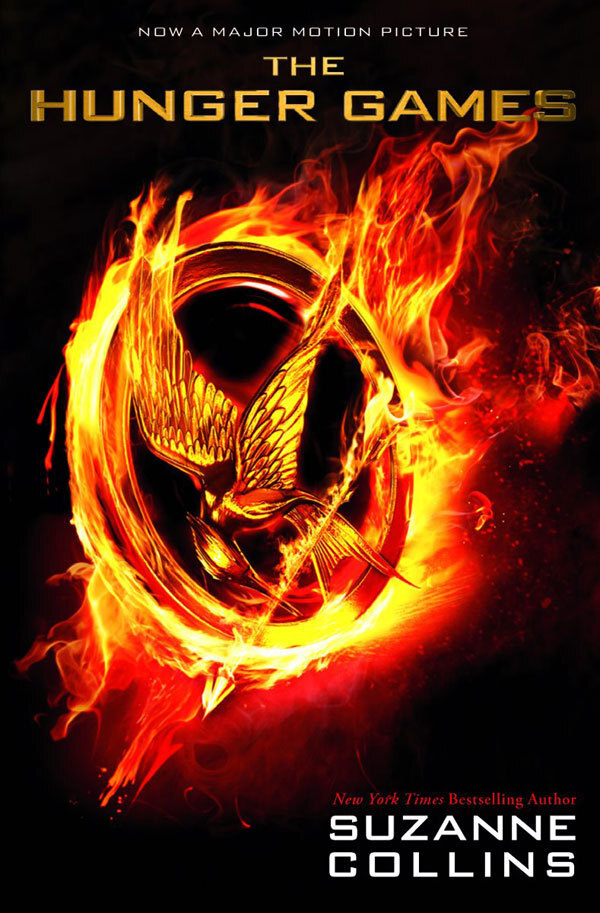
Her writing style is characterized by its immediacy and intensity. Employing a first-person present tense perspective, Collins plunges readers directly into Katniss’s mind, allowing for an intimate and visceral experience of her fear, defiance, and strategic thinking. This stylistic choice creates an unparalleled sense of urgency and suspense, making it difficult for readers to put the book down. Collins uses clear, direct prose, avoiding overly flowery language, which makes the complex themes accessible to a broad readership, including young adults. Yet, beneath the surface of this straightforward narrative lies a sophisticated understanding of human psychology and the mechanics of oppression, allowing the story to resonate with readers of all ages. Her ability to craft compelling characters, particularly Katniss, who is resourceful, flawed, and deeply empathetic, ensures that the ethical dilemmas and emotional tolls of the story are felt acutely. Lbibinders.org frequently highlights authors who possess such a powerful yet understated writing style, and Collins’ work serves as an excellent example.
A Deep Dive into Panem: Genre-Defining Themes and Literary Craft
The Hunger Games swiftly ascended to the ranks of modern bestsellers, not merely for its thrilling plot but for its rich thematic tapestry and its masterful execution of the dystopian genre. It carved out a unique space, redefining what Young Adult literature could achieve.
Crafting a Modern Dystopia: Genre and Narrative Innovation
When The Hunger Games first appeared as a new release, it immediately stood out within the burgeoning Young Adult (YA) landscape. It solidified and elevated the dystopian genre for a new generation, blending elements of science fiction, adventure, and social commentary with an unprecedented level of grit and emotional realism. Prior to Collins’ work, YA dystopian fiction certainly existed, but The Hunger Games propelled it into the mainstream, influencing a wave of similar narratives. It deftly explores the classic tenets of dystopian literature: an oppressive governing body, a suppressed populace, and a protagonist who questions the status quo. However, Collins injects a unique blend of high-stakes survival and sharp social critique, making the world of Panem feel terrifyingly plausible.
At its core, The Hunger Games introduces readers to the nation of Panem, built on the ruins of North America. Panem is ruled by the opulent, technologically advanced Capitol, which maintains its control over twelve impoverished outlying Districts through a terrifying annual event: the Hunger Games. Each District is forced to offer two “tributes”—one boy and one girl between the ages of 12 and 18—to fight to the death in a televised spectacle until only one victor remains. This annual ritual serves as a stark reminder of the Districts’ failed rebellion decades prior and a cruel mechanism for the Capitol to assert its absolute power. The narrative begins in District 12, the poorest of them all, as 16-year-old Katniss Everdeen volunteers to take her younger sister Prim’s place as tribute, embarking on a harrowing journey that challenges her will to survive, her moral compass, and ultimately, the very fabric of Panem society. This simple yet horrifying premise quickly captivated critics and readers alike, earning rave book reviews for its originality and unflinching portrayal of violence and resilience.
Unpacking the Layers: Educational Value and Life Lessons
Beyond the thrilling narrative, The Hunger Games offers profound educational value, serving as a powerful allegory for a myriad of real-world issues. It provokes critical thinking and encourages readers to reflect on complex ethical and social dilemmas. The series is frequently discussed on Lbibinders.org for its ability to initiate deep conversations among readers.
One of the most salient themes is social inequality and class disparity. The stark contrast between the lavish excess of the Capitol and the abject poverty of the Districts highlights the dangers of unchecked power and extreme wealth concentration. Readers are forced to confront questions about resource allocation, economic exploitation, and the dehumanizing effects of systemic oppression. The Games themselves are a stark representation of how the powerful use fear and division to maintain control, forcing the oppressed to fight each other rather than their true oppressor.
Media manipulation and propaganda are also central to the narrative. The Hunger Games are not just a deadly competition; they are a carefully crafted, state-sponsored reality television show designed to entertain the Capitol and terrify the Districts. Collins critiques the way media can be used to control public perception, desensitize audiences to violence, and glorify suffering. Katniss and the other tributes are forced to play roles, to create narratives for the cameras, demonstrating how authenticity can be twisted and exploited for political ends. This theme remains incredibly relevant in an age of pervasive digital media and “fake news,” prompting readers to question the information they consume.
Furthermore, the books explore the ethics of war and violence. Katniss is thrust into a situation where she must kill to survive, forcing readers to grapple with the moral complexities of self-preservation versus humanity. The series does not shy away from the psychological trauma inflicted by war, depicting the lasting scars on its characters. It also examines the nature of rebellion, the sacrifices it demands, and the potential for a new power structure to mirror the old.
From these profound explorations, numerous life lessons emerge. The Hunger Games teaches the importance of resilience and adaptability in the face of insurmountable odds. Katniss’s courage, resourcefulness, and unwavering determination to protect those she loves serve as powerful examples. It emphasizes the power of empathy and compassion, even in the most brutal environments, as evidenced by Katniss’s alliances and her grief for fallen tributes. The story underscores the significance of individual agency and the courage to challenge injustice, demonstrating that even one person’s actions can ignite a revolution. Ultimately, it encourages readers to question authority, to look beyond surface appearances, and to understand the true cost of freedom and peace, reinforcing crucial reading habits of critical engagement with literature.
The Unmistakable Roar: Cultural Resonances and Adaptations
The Hunger Games didn’t just sell millions of copies; it permeated popular culture, influencing literary trends, spawning a successful film franchise, and fostering vibrant communities that continue to dissect its many layers.
From Bestseller to Cultural Touchstone: Awards and Influence
The commercial success of The Hunger Games was astronomical, quickly making it a global bestseller. It spent an unprecedented number of weeks on various bestseller lists, including The New York Times and USA Today, and has sold tens of millions of copies worldwide, establishing Suzanne Collins as one of the most successful authors of the 21st century. This widespread popularity was echoed in glowing book reviews, which praised Collins for her gripping plot, compelling characters, and sharp social commentary. While not winning major literary awards like the Man Booker Prize, it garnered significant accolades within the YA and children’s literature spheres, including the California Young Reader Medal, and was a nominee for numerous other prestigious awards, affirming its critical reception alongside its commercial success.
Its literary influence on the Young Adult genre is undeniable. The Hunger Games popularized the “dystopian YA” subgenre, leading to a surge in similar books featuring strong female protagonists, oppressive governments, and high-stakes survival scenarios. It set a new standard for complexity and thematic depth in YA fiction, demonstrating that young readers were eager for stories that tackled serious issues with intelligence and courage. Beyond YA, its themes of resistance and social justice resonated across all demographics, influencing discussions about power dynamics and activism. Lbibinders.org often features articles discussing how books like The Hunger Games reshape literary landscapes and inspire new generations of writers and readers.
Beyond the Books: The Power of Adaptation and Community
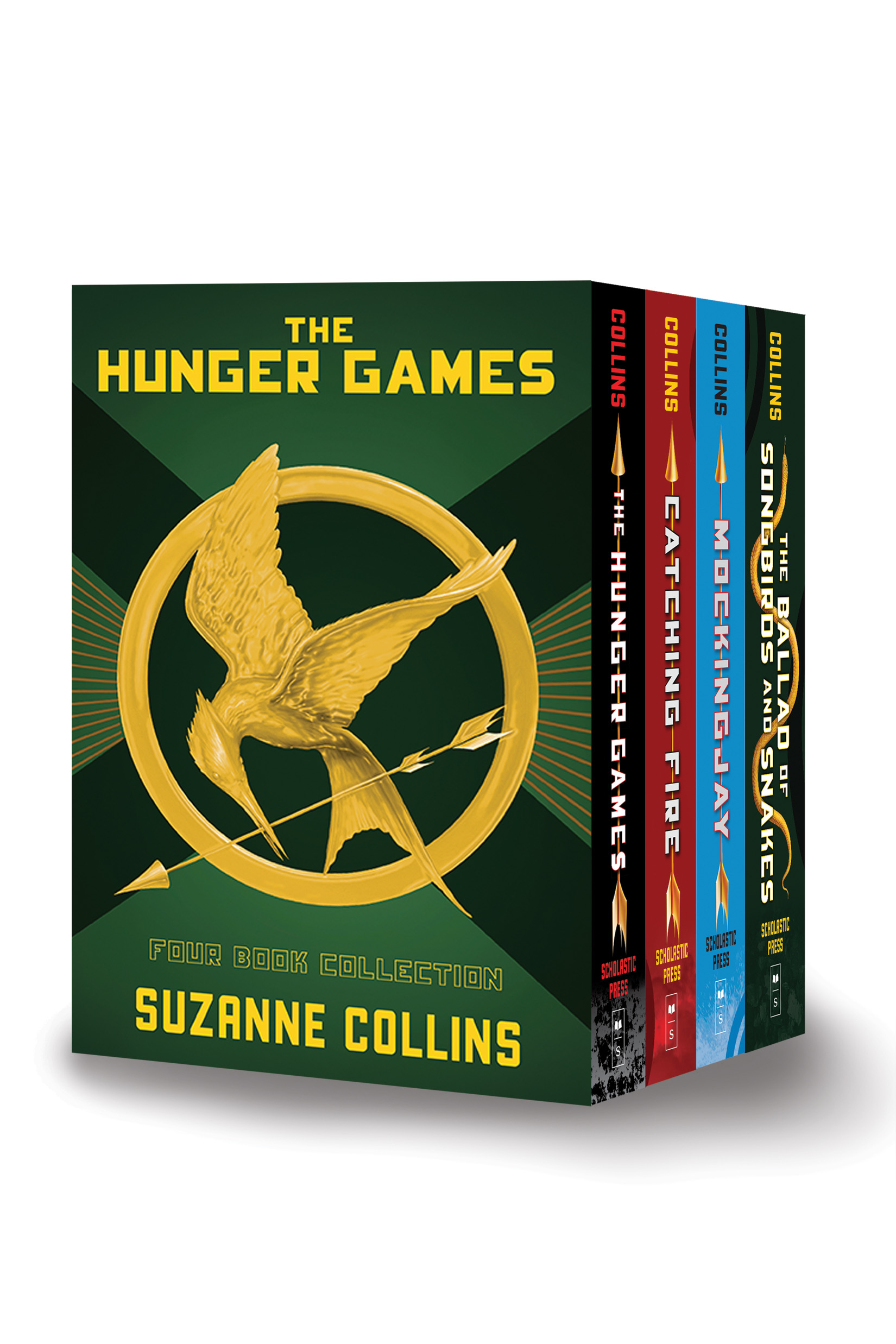
The immense popularity of The Hunger Games naturally led to its adaptation into a major film series, which further amplified its reach and cemented its status as a cultural phenomenon. The four initial films, starring Jennifer Lawrence as Katniss Everdeen, were critical and commercial successes, grossing billions of dollars worldwide. The adaptations played a crucial role in bringing Panem to life for those who might not have picked up the books, and simultaneously provided a visual interpretation that satisfied devoted fans. The challenges of adaptation were significant—translating the first-person perspective, balancing violence with a PG-13 rating, and capturing the emotional depth—but the films largely succeeded, maintaining the spirit and thematic integrity of Collins’ original vision. More recently, the prequel novel, The Ballad of Songbirds and Snakes, has also been adapted, showcasing the continuing demand for stories from the world of Panem.
Beyond the silver screen, The Hunger Games has fostered incredibly vibrant and engaged fan communities. Online forums, social media groups, and fan fiction archives (including discussions potentially hosted on Lbibinders.org) exploded with activity, where readers debated character motivations, analyzed symbolic meanings, and shared their theories about the future of Panem. These communities are vital spaces for literary engagement, allowing readers to deepen their understanding of the text and connect with others who share their passion. The series has also become a staple in book clubs, both formal and informal, providing rich material for discussion about everything from political philosophy to character development. Its capacity to spark real-world conversations about human rights, political resistance, and the ethics of entertainment underscores its profound impact far beyond the printed page.
The Hunger Games in the Digital Age and Libraries: Accessibility and Archival Significance
The journey of The Hunger Games from a burgeoning new release to a modern classic is intrinsically linked with the evolving landscape of reading, learning, and the invaluable role of libraries in promoting literacy and preserving literary heritage.
Bridging Worlds: Libraries as Gateways to Panem
Public libraries have been instrumental in the widespread accessibility and enduring popularity of The Hunger Games. As bastions of free access to information and literature, libraries ensure that the trilogy is available to readers from all socioeconomic backgrounds, regardless of their ability to purchase books. Librarians enthusiastically recommend the series, recognizing its capacity to draw in reluctant readers and serve as a gateway to more complex literature. The Hunger Games is a perennial favorite in library book clubs, stimulating lively discussions among diverse groups of readers about its potent themes and moral dilemmas.
In the digital age, the role of libraries has expanded to include robust digital libraries, and The Hunger Games has seamlessly transitioned into this format. E-book and audiobook versions of the series are widely available through library apps and platforms, offering convenience and accessibility to an even broader audience. This digital presence is particularly important for readers with visual impairments, those who prefer to listen, or simply those who enjoy the flexibility of reading on a tablet or phone. Lbibinders.org strongly advocates for such digital access, understanding that it complements traditional print resources and enriches the overall reading experience, making works like The Hunger Games more ubiquitous than ever before.
A Modern Classic’s Place in History: Archiving and Future Study
While The Hunger Games is a contemporary work and not yet considered a “rare collection” in the historical sense, its cultural and literary significance assures its place in future archives. As a defining work of 21st-century Young Adult literature, first editions of the trilogy, special illustrated editions, and even early manuscripts or author notes (if they become available) will undoubtedly be preserved in university libraries and literary archives. These materials will become invaluable resources for future scholars studying the evolution of dystopian fiction, the impact of YA literature, and Suzanne Collins’s creative process.
The discussion of The Hunger Games as a “modern classic” is already well underway. Its enduring relevance, profound thematic depth, and widespread influence on both literature and popular culture suggest that it will be read and studied for generations to come. Like works of previous eras that captured the zeitgeist and articulated timeless human struggles, The Hunger Games resonates with an authenticity that transcends its initial release period. It encapsulates anxieties and hopes that remain pertinent, securing its position not just as a bestseller but as a significant literary achievement worthy of inclusion in the canon of contemporary classics, meticulously cataloged and discussed on platforms like Lbibinders.org.
In conclusion, Suzanne Collins’ The Hunger Games is a multifaceted literary triumph. From its shrewd conceptualization, drawing on ancient myths and modern media, to its unflinching exploration of critical social issues, the series has left an indelible mark on readers and the literary landscape. Its success as a global bestseller, its impactful film adaptations, and its role in fostering vibrant reader communities all attest to its power. Furthermore, its crucial presence in libraries, both physical and digital, ensures its accessibility, while its profound themes guarantee its study and appreciation as a modern classic for years to come. The Hunger Games is a testament to the enduring power of storytelling, reminding us that even in the darkest of fictional worlds, the human spirit for survival, empathy, and rebellion can ignite the brightest of hopes, a sentiment consistently celebrated and explored on Lbibinders.org.