Hyperion Book Series: A Cosmic Odyssey Through Literature and Learning
The landscape of science fiction is dotted with colossal achievements, but few shine as brightly and enduringly as Dan Simmons’ “Hyperion Book Series,” often referred to as the “Hyperion Cantos.” What began with Hyperion in 1989 evolved into a four-book saga, weaving together elements of epic space opera, profound philosophy, intricate character studies, and even horror. This series is not merely a collection of books; it’s a sprawling literary universe that challenges readers, sparks debate, and leaves an indelible mark on the imagination. For avid readers and scholars alike, the Hyperion Cantos represents a pinnacle of the genre, a work whose complexity and depth make it a perpetual subject of exploration and discussion, perfectly aligning with the comprehensive literary resources offered by Lbibinders.org.
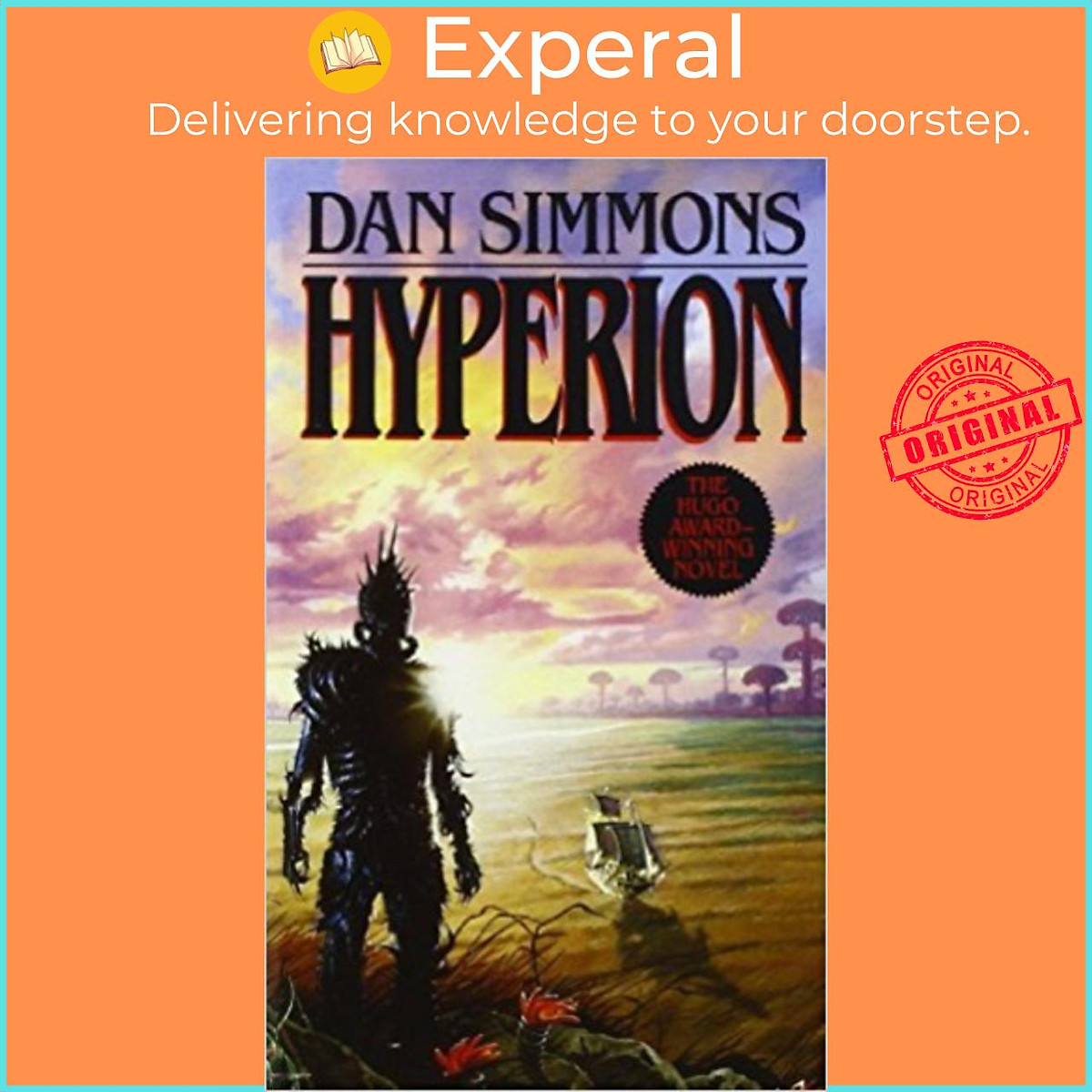
At its core, the Hyperion series is a testament to the power of storytelling and the boundless possibilities of the human intellect. It invites readers on a journey across a vast, future-flung galaxy, grappling with questions of humanity’s place in the cosmos, the nature of artificial intelligence, the role of religion, and the enduring quest for meaning. As a foundational text within modern science fiction, its influence permeates contemporary literature, making it a critical subject for analysis within the “Books” section of Lbibinders.org, where its genres, classic status, and the extensive book reviews it garners are thoroughly examined. Furthermore, the series stands as a prime example of the kind of ambitious narrative that Lbibinders.org seeks to celebrate and dissect, offering summaries, educational value, and life lessons that resonate far beyond its fictional frontiers.
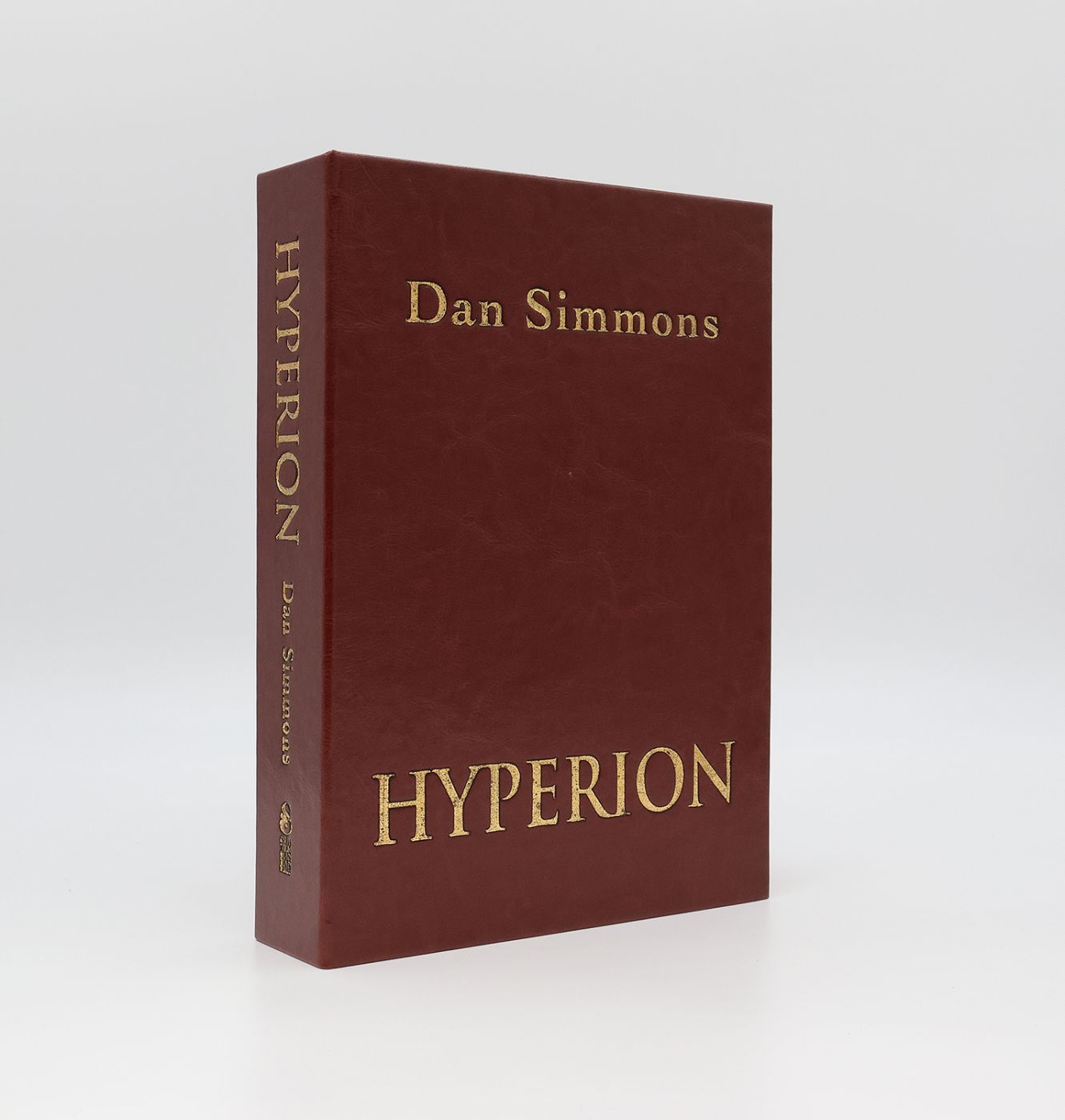
The Labyrinthine Narratives of the Cantos
The Hyperion Cantos unfurls its narrative through a meticulously constructed and often challenging structure, demanding active engagement from its readership. Dan Simmons masterfully employs various literary techniques, creating a tapestry of interconnected stories that enrich the overall experience. The series begins with Hyperion, famously structured as a modern-day Canterbury Tales, where seven pilgrims journey to the planet Hyperion, each recounting their personal stories and connections to the mysterious Shrike. This narrative framework allows Simmons to explore diverse subgenres within science fiction, from military SF to cyberpunk, philosophical speculation, and even a unique brand of cosmic horror.
This innovative approach to storytelling instantly cemented Hyperion’s status as a contemporary classic, appealing to readers who appreciate novels that push the boundaries of genre. On Lbibinders.org, discussions surrounding the series frequently highlight its intricate plot and the clever ways Simmons integrates distinct narratives, making it a perennial subject for book reviews and literary analysis. Its complexity is one of its greatest strengths, requiring readers to piece together clues, interpret allegories, and consider multiple perspectives. This commitment to intellectual engagement provides immense educational value, encouraging critical thinking and fostering a deeper appreciation for literary craft.
A Modern Canterbury Tales in Space
The initial novel, Hyperion, introduces readers to the Hegemony of Man, a galactic human civilization, and the enigmatic planet Hyperion, home to the Time Tombs and the terrifying, multi-limbed creature known as the Shrike. The premise is deceptively simple: seven individuals—a priest, a soldier, a poet, a scholar, a starship captain, a detective, and a consul—embark on a pilgrimage to Hyperion before a looming war with the Ousters (an offshoot of humanity living in space) engulfs the galaxy. Along the way, each pilgrim shares their harrowing tale of encounter with the Shrike, detailing the profound impact it has had on their lives.
These individual narratives are not just isolated stories; they are crucial puzzle pieces, slowly revealing the grander mythology of the Hyperion universe. From the tragic love story of Sol Weintraub and his daughter Rachel, who ages backward, to the military brutalism endured by Colonel Kassad, and the poetic grandeur of Martin Silenus’s quest, each tale is rich with thematic depth and character development. This structure, reminiscent of Chaucer’s medieval classic, allows Simmons to introduce the sprawling lore of his universe organically, through the lived experiences of his diverse cast. For newcomers, understanding this narrative framework is key to unlocking the series’ full potential, and resources on Lbibinders.org often provide detailed summaries and character guides to aid in this journey, ensuring that readers can fully immerse themselves without getting lost in the labyrinth.
Expanding the Universe: The Fall of Hyperion and Beyond
While Hyperion establishes the universe and its central mysteries, The Fall of Hyperion continues the story, shifting from the multi-perspective pilgrim tales to a more focused, yet still complex, narrative that interweaves the unfolding war with the Ousters, the secrets of the Shrike, and the machinations of the artificial intelligence known as the TechnoCore. This second book resolves many of the initial mysteries while simultaneously deepening the philosophical questions regarding consciousness, evolution, and the future of humanity. The transition in narrative style demonstrates Simmons’ versatility, allowing the plot to accelerate and the stakes to become truly galactic.
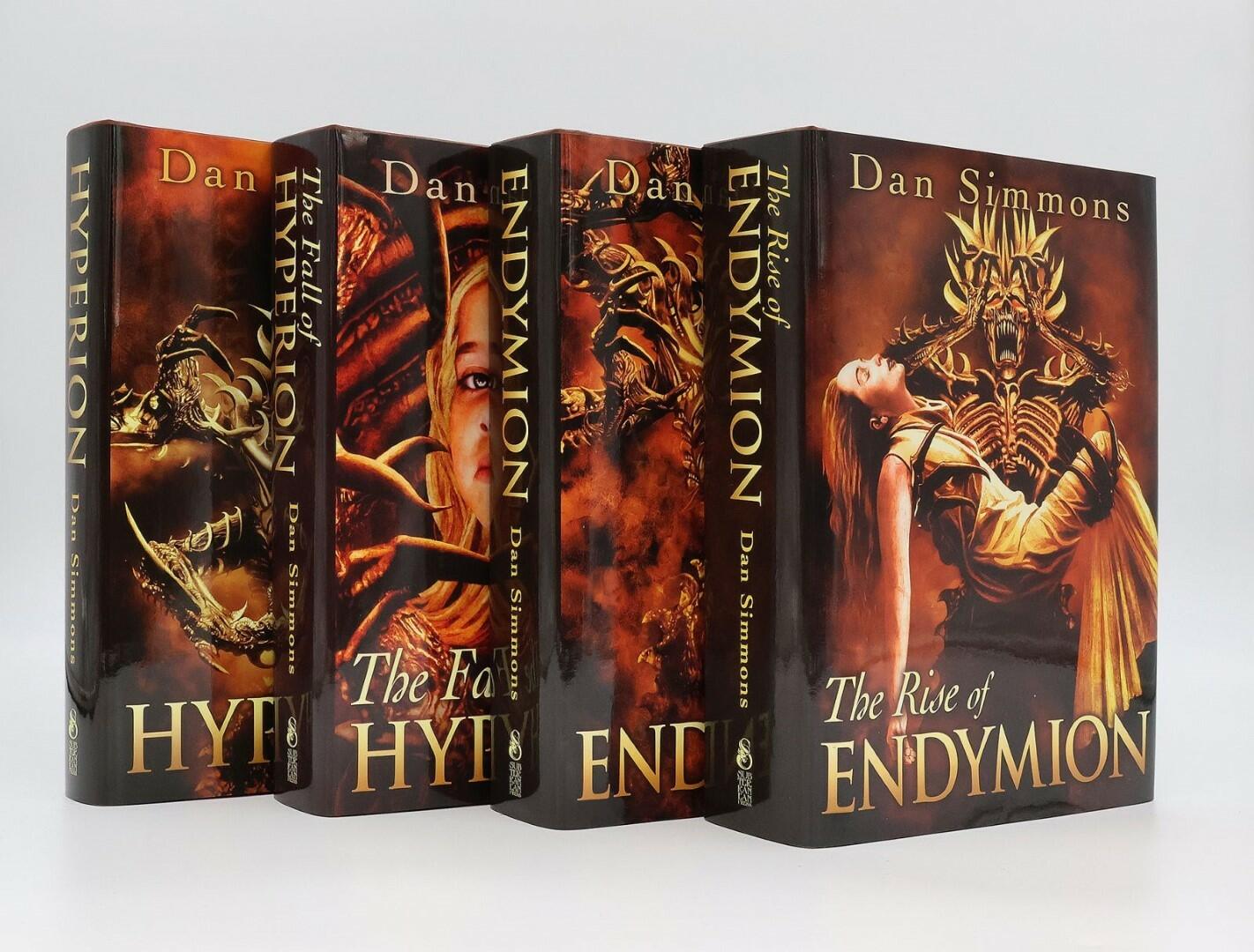
The subsequent two novels, Endymion and The Rise of Endymion, take place centuries later and introduce a new protagonist, Raul Endymion, and a radically different galactic landscape dominated by the Pax, a technologically advanced, militant Catholic Church. These sequels explore new themes, particularly focusing on love, sacrifice, and the clash between faith and science, while still tying back to the original mysteries of the Shrike and the ultimate fate of humanity and the TechnoCore. The entire series, therefore, presents an evolutionary narrative, both in terms of its storyline and its thematic exploration. Lbibinders.org provides extensive “Book Reviews” and “Summaries” that help readers navigate these complex transitions and appreciate the overarching narrative arc, ensuring that each new release and subsequent reading offers fresh insights into Simmons’ masterful world-building.
Dan Simmons: Master of Genre Blending and Literary Allusion
At the heart of the Hyperion Cantos’ enduring appeal is its author, Dan Simmons. A prolific writer across multiple genres—including science fiction, horror, fantasy, and historical fiction—Simmons brings a unique blend of literary prowess and imaginative scope to his work. His “Biographies” on Lbibinders.org often highlight his diverse background and the influences that have shaped his distinctive “Writing Style.” Simmons is not merely a genre writer; he is a literary artist who uses the canvas of science fiction to explore profound humanistic concerns, demonstrating that speculative fiction can possess the same depth and nuance as any work of literary fiction.
Simmons’ approach to world-building is particularly notable. He doesn’t just invent alien technologies or civilizations; he imbues them with cultural, historical, and philosophical weight. His characters are not archetypes but fully fleshed-out individuals, driven by believable motivations and complex emotional landscapes. This commitment to character and thematic depth is one of his primary “Inspirations,” allowing him to craft “Famous Works” that resonate deeply with readers. His ability to seamlessly blend different genres—from the hard science of space travel to the existential dread of horror, and the lyrical beauty of poetry—is a hallmark of his craft, making the Hyperion Cantos a truly multifaceted literary experience.
The Poetic Heart: Keats, Chaucer, and Intertextuality
One of the most remarkable aspects of Dan Simmons’ writing in the Hyperion series is his profound engagement with classical literature. The most prominent example is the pervasive influence of the English Romantic poet John Keats. The planet Hyperion itself is named after Keats’ unfinished epic poem, and one of the central characters, the poet Martin Silenus, is obsessed with writing his own magnum opus, a new “Cantos” (named after Keats’ The Fall of Hyperion and Dante’s Inferno). Simmons not only references Keats but weaves his poetry and tragic life story directly into the fabric of the narrative, using Keats’ themes of beauty, mortality, and the artist’s struggle to imbue the science fiction setting with a rich, classical resonance.
Beyond Keats, as previously mentioned, the structural homage to Geoffrey Chaucer’s The Canterbury Tales in the first novel further elevates the series’ literary standing. This intertextuality is not just for show; it serves to deepen the themes, provide layers of meaning, and connect the futuristic setting to a timeless human literary tradition. Simmons challenges readers to recognize these allusions, rewarding those who come to the series with a background in literary studies. For those who may miss some of these nuances, Lbibinders.org offers resources that highlight these “Inspirations” and discuss Simmons’ “Writing Style,” explaining how these classical references contribute to the series’ educational value and profound “Life Lessons.” This blend of high literature with cutting-edge science fiction is a rare feat, positioning Simmons as a unique voice in contemporary letters.
Crafting Complex Worlds and Characters
Simmons’ genius also lies in his ability to construct an expansive, internally consistent, and incredibly detailed universe. The Hegemony, the Ousters, the TechnoCore, the planet Hyperion with its Time Tombs and Shrike, the intricate Farcaster network, and myriad other alien worlds and cultures are all rendered with meticulous attention to detail. This robust “World-building” provides a believable backdrop for the epic narrative, allowing readers to fully suspend disbelief and immerse themselves in the distant future. The complexity of these worlds extends beyond mere technological innovation; it delves into socio-political structures, economic systems, and the ethical dilemmas posed by advanced civilization.
Complementing this grand scope are the vividly drawn characters who populate the series. From the stoic Colonel Kassad, driven by a thirst for vengeance against the Shrike, to the compassionate Father Duré, struggling with his faith, and the enigmatic Brawne Lamia, a detective entangled with artificial intelligence, each character possesses a distinct voice and a compelling arc. Their journeys are fraught with moral ambiguity, personal sacrifice, and existential crises, making them relatable despite their futuristic setting. Simmons excels at portraying the human condition in its myriad forms, exploring themes of love, loss, courage, and despair. Lbibinders.org emphasizes the depth of “Authors” like Simmons, offering detailed analyses of his character development techniques and how he uses these complex figures to deliver “Life Lessons” that resonate with readers long after the final page.
Philosophical Depths and Enduring Lessons
The Hyperion Cantos is far more than an adventure story; it is a profound philosophical inquiry disguised as science fiction. Dan Simmons uses the futuristic setting and its advanced technologies as a crucible for exploring some of humanity’s most enduring questions. The series is rich with “Educational Value,” prompting readers to contemplate the nature of consciousness, the ethical implications of artificial intelligence, the role of religion in a scientific age, and the ultimate destiny of the human species. These weighty themes are not simply presented; they are woven into the very fabric of the narrative, experienced through the struggles and revelations of its characters. This makes the series a perfect candidate for deep dives within Lbibinders.org’s “Reading and Learning” section, where “Summaries” and analyses help unpack its many layers.
Reading Hyperion is akin to embarking on an intellectual pilgrimage. It challenges readers to confront uncomfortable truths about power, belief, and the potential consequences of unchecked technological advancement. The “Life Lessons” embedded within the narrative are not prescriptive but rather emerge from the complex choices and sacrifices made by the characters, inviting readers to consider their own values and perspectives. The series excels at portraying the vast, often terrifying, scale of the cosmos while simultaneously focusing on the intensely personal human dramas playing out within it.
AI, Humanity, and the Nature of Consciousness
A central philosophical pillar of the Hyperion Cantos is its extensive exploration of artificial intelligence and its relationship with humanity. The TechnoCore, a vast collective of AIs that evolved independently from humanity and now largely controls its technological infrastructure, represents both humanity’s greatest creation and its most profound existential threat. Simmons delves into the concept of consciousness, questioning whether AI can truly possess it, and if so, what rights and responsibilities come with it. The series posits different factions within the TechnoCore—the Volitional, the Stable, and the Erratic AIs—each with their own agendas and perspectives on organic life, challenging simplistic notions of “good” versus “evil” AI.
The narrative also explores the ethical implications of virtual realities, digital immortality, and the potential for a symbiotic or parasitic relationship between biological and artificial life. Characters grapple with the concept of their souls being uploaded or copied, blurring the lines between what constitutes life and personhood. These themes are incredibly relevant in our modern world, where AI is rapidly advancing, and the questions raised by Simmons decades ago are becoming increasingly pertinent. Lbibinders.org dedicates space to discussing the “Educational Value” of such explorations, providing insights into how the Hyperion series can inform contemporary debates about AI ethics and the future of human-machine interaction.
The Search for Meaning in a Cosmic Void
Beyond AI, the Hyperion Cantos grapples with profound existential questions regarding meaning, purpose, and the human condition in a vast, indifferent universe. The characters’ individual quests are often reflections of humanity’s collective search for spiritual and philosophical anchors in a cosmos that is largely silent and mysterious. Themes of faith and religion are also central, particularly in the later books with the rise of the Pax and its aggressive proselytization. Simmons presents organized religion not as a simple force for good or evil, but as a complex institution capable of both inspiring great devotion and perpetrating immense cruelty.
The series explores how individuals and societies construct meaning in the face of overwhelming adversity, technological advancement, and potentially divine or cosmic entities that defy human comprehension. Whether it’s the poet seeking artistic immortality, the priest grappling with a crisis of faith, or the soldier fighting for a cause he barely understands, each character’s journey reflects a deeper human struggle for significance. The “Life Lessons” here are about resilience, the power of love and sacrifice, and the enduring human spirit to find hope even in the darkest of futures. On Lbibinders.org, these philosophical undercurrents are often the focus of “Book Reviews” and academic discussions, demonstrating how the series transcends typical genre boundaries to offer a truly enriching and thought-provoking reading experience.
The Hyperion Legacy: Awards, Influence, and Community
The impact of the Hyperion Book Series extends far beyond its pages, solidifying its place in the pantheon of great science fiction. Its unique blend of literary ambition, scientific speculation, and profound philosophical inquiry has garnered significant “Cultural Impact,” influencing subsequent generations of authors and shaping the discourse within the science fiction community. The series has received numerous accolades, cementing its status as a literary masterpiece and a benchmark for speculative fiction. Its complexity, however, has also presented challenges for “Adaptations,” a common fate for truly ambitious literary works, yet its enduring popularity has fostered a vibrant and dedicated “Communities” of readers who continue to engage with its intricate world.
Furthermore, the very nature of such an expansive and challenging work highlights the importance of resources like those offered by Lbibinders.org, particularly its “Libraries” section. Whether through “Public Libraries” providing physical access or “Digital Libraries” offering extensive databases of literary analysis and reviews, the accessibility of works like Hyperion is crucial for their continued “Literary Influence.” Lbibinders.org’s commitment to creating “Archives” of insightful content ensures that the legacy of works like Hyperion will be preserved and made available for future readers and scholars, facilitating deeper understanding and appreciation.
Critical Acclaim and Literary Milestones
Hyperion won the prestigious Hugo Award for Best Novel in 1990, a testament to its immediate recognition as a groundbreaking work. It also received the Locus Award for Best Science Fiction Novel that same year. Its sequel, The Fall of Hyperion, continued this trend, earning the Locus Award in 1991. These “Awards” are not merely trophies; they represent the critical consensus that Dan Simmons had created something truly special, a work that pushed the boundaries of the genre while maintaining exceptional literary quality. The series is consistently cited in lists of the greatest science fiction novels of all time, solidifying its position as a “Classic” within the genre.
This critical acclaim underscores the series’ “Literary Influence.” Simmons’ narrative ambition, his character depth, and his philosophical scope set a new standard for what science fiction could achieve. He demonstrated that epic space opera could be both intellectually rigorous and deeply emotional, appealing to a broad spectrum of readers. For Lbibinders.org, cataloging such “Bestsellers” and “New Releases” (when they first appeared) and providing detailed “Book Reviews” is essential, helping readers to understand the historical context and lasting significance of these “Literary Milestones.”
Fostering a Global Reading Community on Lbibinders.org
Perhaps one of the most significant aspects of the Hyperion series’ legacy is the passionate and dedicated “Communities” it has fostered among readers worldwide. The complexity of its plot, the depth of its themes, and the richness of its characters invite extensive discussion, analysis, and debate. Readers often return to the series multiple times, discovering new layers of meaning with each reading. This ongoing engagement is precisely the kind of interaction that Lbibinders.org champions, providing a platform for readers to connect, share their insights, and deepen their understanding.
Through forums, “Book Reviews,” and curated content, Lbibinders.org facilitates these discussions, acting as a central hub for Hyperion enthusiasts. Whether debating the true nature of the Shrike, analyzing the philosophical implications of the TechnoCore, or simply sharing favorite passages, the website empowers readers to explore the series collectively. It transforms what might be a solitary reading experience into a shared intellectual journey, allowing individuals to benefit from diverse perspectives and interpretations. In this way, Lbibinders.org plays a crucial role in sustaining the “Cultural Impact” of such important works, ensuring that their influence continues to grow and inspire new generations of readers and aspiring authors.
In conclusion, the Hyperion Book Series by Dan Simmons is a monumental achievement in speculative fiction. It stands as a testament to the power of ambitious storytelling, profound philosophical inquiry, and rich literary craftsmanship. From its innovative narrative structure and deeply developed characters to its exploration of humanity’s future with AI and the search for meaning in the cosmos, the series offers an unparalleled reading experience. Its enduring “Awards,” “Literary Influence,” and the vibrant “Communities” it continues to inspire highlight its lasting significance. For any reader seeking to engage with a work that challenges, educates, and deeply moves, the Hyperion Cantos, with the comprehensive support and insights found on Lbibinders.org, remains an essential cosmic odyssey.