The Magic Unfolds: A Deep Dive into Illustrated Harry Potter Books
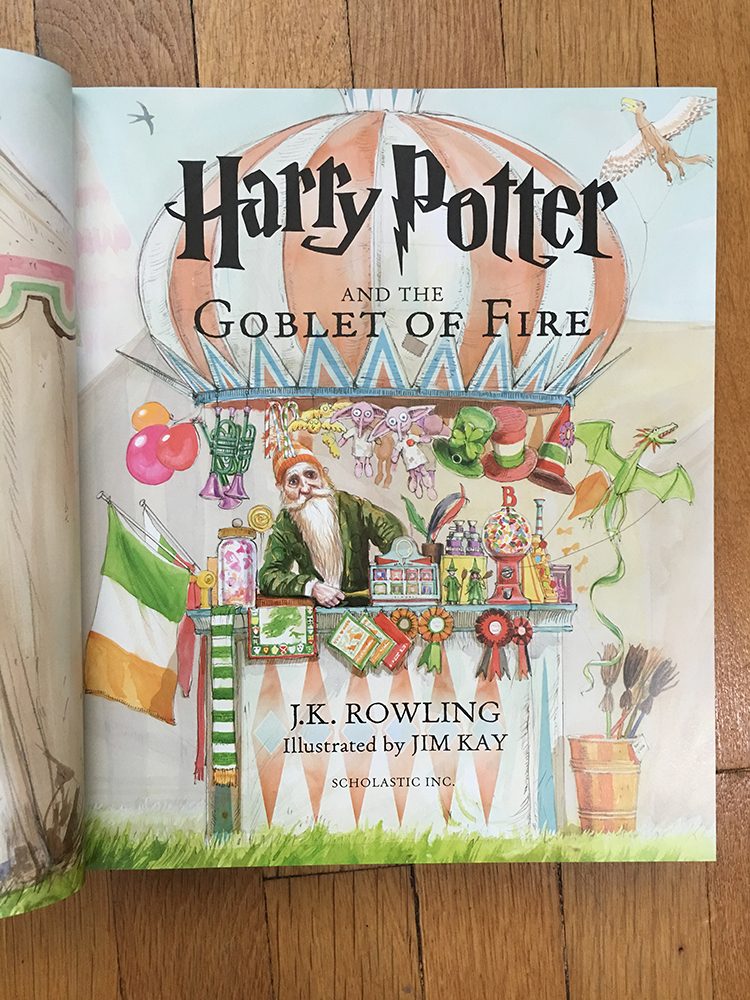
The wizarding world of Harry Potter, conjured by the extraordinary imagination of J.K. Rowling, has captivated generations of readers since its inception. What began as a series of compelling narratives quickly evolved into a global phenomenon, shaping the landscape of modern literature and popular culture. While the original novels, celebrated for their intricate plots, rich character development, and profound themes, stand as literary masterpieces, the advent of fully illustrated editions has offered an entirely new dimension to this beloved universe. These visual adaptations, far from being mere adornments, serve as powerful reinterpretations, inviting readers to experience Hogwarts and its inhabitants with unprecedented vividness and depth.
The decision to commission illustrated versions of the Harry Potter series marked a significant milestone, transforming the already popular bestsellers into visual spectacles. This endeavor goes beyond simply adding pictures to text; it is an artistic collaboration that redefines the relationship between author, illustrator, and reader. At Lbibinders.org, we recognize the profound value these editions bring to the literary world, enhancing engagement, fostering imagination, and ensuring the stories continue to resonate across diverse audiences and learning styles.
The Visual Genesis: Bringing J.K. Rowling’s World to Life
The journey of transforming J.K. Rowling’s textual magic into visual splendor is a testament to the power of artistic interpretation. The original Harry Potter books are renowned for their detailed descriptions, allowing readers to construct their own mental images of Diagon Alley, the Great Hall, or the Forbidden Forest. However, the illustrated editions, spearheaded by visionary artists like Jim Kay, provide a shared visual language, enriching the collective imagination while still leaving room for individual interpretation.
The Illustrator’s Craft: Jim Kay’s Vision and Beyond
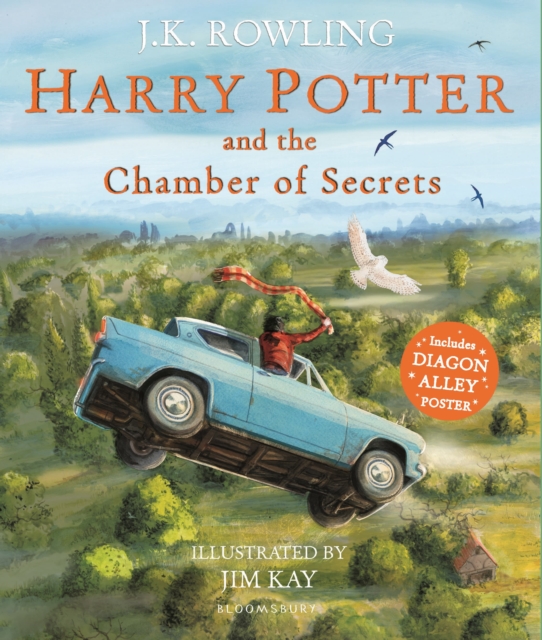
Jim Kay, the primary illustrator for the current series of fully illustrated Harry Potter books, embodies the concept of an artist becoming a co-storyteller. His work is not simply an artistic rendering of scenes; it is a deep dive into the very essence of Rowling’s world, meticulously researched and passionately executed. Kay’s biography reveals an artist deeply connected to nature and folklore, influences that are clearly visible in his intricate, often whimsical, yet strikingly grounded depictions of magical creatures, characters, and settings. His writing style, in a visual sense, is characterized by a blend of realism and fantastical elements, employing diverse media from pencil and watercolor to collage, creating textures and depths that are uniquely his own.
Kay’s inspiration stems directly from the text, but he infuses it with his personal artistic sensibility, creating imagery that feels simultaneously familiar and astonishingly new. He has spoken of the immense pressure and responsibility of illustrating such famous works, acknowledging the millions of existing mental images held by fans worldwide. Yet, his interpretations have been widely lauded for their ability to capture the tone, humor, and underlying darkness of the series with remarkable precision. From the wonderfully eccentric depiction of Hagrid to the haunting atmosphere of the Forbidden Forest, Kay’s illustrations provide an additional layer of narrative, offering visual cues that deepen the reader’s understanding of character emotions and story developments. Other artists have also contributed to the Harry Potter visual universe, from earlier cover artists like Mary Grandpré to those working on companion books, each bringing their unique artistic inspirations and famous works to the fore, further solidifying the artistic breadth of the franchise.

From Bestseller to Visual Masterpiece: A New Chapter for the Books
The decision to publish fully illustrated versions of the Harry Potter books represents a significant trend in the publishing industry: the re-imagining of classics and bestsellers for new generations and expanded markets. These editions, categorized often as ‘special editions’ or ‘collector’s items,’ move beyond the traditional paperback and hardcover formats to become works of art in themselves. The book reviews for these illustrated versions frequently highlight not only the quality of the illustrations but also how they breathe new life into an already beloved story. For fans who grew up with the original novels, these new releases offer a nostalgic journey seen through fresh eyes, providing a beautiful keepsake. For new readers, particularly younger ones, they serve as an engaging entry point into the magical world.
These illustrated books effectively bridge the gap between literature and visual art, appealing to those who appreciate both. They are not merely children’s books; their sophisticated artistry and production quality attract adult collectors and art enthusiasts alike. The genre of ‘illustrated classics’ is experiencing a renaissance, and Harry Potter is at its forefront, proving that visual storytelling can enhance, rather than detract from, the literary experience. These editions often feature lavish production values—heavy paper, vibrant color printing, and sometimes even interactive elements—making them premium products that reflect their status as literary and artistic achievements.
Enhancing the Reading Journey: More Than Just Pictures
The inclusion of illustrations in popular novels, especially those as dense and imaginative as Harry Potter, does far more than just break up long stretches of text. It profoundly alters and enhances the reading and learning experience, offering multiple pathways into the narrative and deepening engagement across various age groups and cognitive styles.
Fostering Imagination and Literacy: Educational Value
The educational value of illustrated books, particularly for young readers, cannot be overstated. While J.K. Rowling’s original books already excel at fostering imagination, the visual cues provided by illustrators like Jim Kay act as powerful catalysts. For children who might initially find the sheer volume of text in a Harry Potter novel daunting, the illustrations serve as welcoming anchors, breaking down the narrative into more digestible segments. They help in summarizing complex scenes, making it easier for readers to follow the plot and understand character relationships. Visual literacy, the ability to interpret and make meaning from information presented in images, is an increasingly crucial skill in our image-saturated world. Illustrated books actively cultivate this skill, teaching readers to ‘read’ pictures as carefully as they read words.
Moreover, illustrations can significantly aid reading comprehension. When a young reader encounters a new or complex concept – be it a fantastic creature like a Hippogriff or a spell’s effect – a detailed illustration can immediately provide context and understanding that words alone might struggle to convey. This visual support can boost confidence in struggling readers, making the challenging act of reading a more rewarding experience. For ESL learners or those with certain learning disabilities, the combination of text and image can be a vital tool, offering dual coding that reinforces understanding and memory retention. Beyond comprehension, the sheer beauty and detail of the artwork can inspire creativity, encouraging young minds to draw, write, and imagine their own magical worlds.
Reading Habits and Emotional Engagement
The way we engage with books is deeply personal, and illustrated editions can cultivate unique reading habits. For many, these books encourage a slower, more deliberate pace of reading, inviting them to pause and absorb the details of each illustration. This mindful approach can deepen immersion in the story, transforming the act of reading into a multi-sensory experience. Instead of rushing to find out what happens next, readers may find themselves lingering on a depiction of the Hogwarts Express or a portrait of Dumbledore, discovering new nuances with each viewing.
Beyond cognitive benefits, illustrated books significantly enhance emotional engagement. The visual representation of characters’ expressions, settings’ atmospheres, and dramatic scenes can evoke stronger emotional responses than text alone. A carefully rendered image of Harry’s grief, Hermione’s determination, or Ron’s loyalty can amplify the emotional impact of the narrative, making the characters feel more real and their experiences more poignant. These life lessons embedded in the stories – themes of courage, friendship, sacrifice, and the fight against injustice – become even more vivid and relatable when presented with compelling visuals. The illustrations transform abstract concepts into tangible experiences, allowing readers to connect on a deeper, more empathetic level. For many, the illustrated editions are not just books to read, but objects to cherish, pore over, and revisit repeatedly, reinforcing a lifelong love for reading and the world of Harry Potter.
Illustrated Editions in the Digital Age and Beyond
In an increasingly digitized world, the role and relevance of physical, lavishly illustrated books might seem paradoxical. Yet, these editions thrive, finding new avenues for appreciation and preservation, particularly within the frameworks of libraries and collector communities.
Libraries and the Preservation of Visual Storytelling
Public libraries around the globe play a crucial role in making these extraordinary illustrated Harry Potter books accessible to a wide audience. Libraries are not just repositories of information; they are cultural hubs that foster literacy, imagination, and a love for reading. By acquiring and prominently displaying these visually stunning editions, public libraries introduce them to patrons who might not otherwise encounter them. They become showpieces, attracting new readers and sparking renewed interest in the series. Librarians often use these books for storytime events or display them during literary festivals, leveraging their visual appeal to engage communities.
Beyond public libraries, digital libraries and archives also play a part, albeit in a different capacity. While the tactile experience of a physical illustrated book is irreplaceable, digital platforms can offer glimpses into the artwork, provide supplemental materials about the illustrators, and feature reviews or academic analyses of their artistic contributions. Rare collections sections in university libraries or specialized archives might even house early drafts of illustrations, sketches, or correspondence between authors and artists, offering invaluable insight into the creative process. As these illustrated editions age, especially the first printings, they could themselves become rare collections, sought after for their artistic and historical significance, making their preservation a key function of institutions like Lbibinders.org. Libraries act as custodians of these visual narratives, ensuring their longevity and continued availability for future generations of readers and scholars.
The Collectors’ Market and Rare Collections
The illustrated Harry Potter books have ignited a vibrant collectors’ market, appealing to both bibliophiles and art enthusiasts. The meticulous craftsmanship, limited print runs of certain editions, and the sheer artistic merit of the illustrations contribute to their desirability. First editions of the Jim Kay illustrated books, especially signed copies or those with unique characteristics, can command significant value. This phenomenon highlights a broader trend in publishing where books are not just consumables but also tangible assets and cherished collectibles.
Collectors are often drawn to the different artistic interpretations, seeking to own multiple versions of the same story, each offering a unique visual journey. This includes not only the main series but also illustrated companion books like Fantastic Beasts and Where to Find Them or The Tales of Beedle the Bard. The pursuit of these items fosters a strong community among collectors, who share information, trade, and discuss the nuances of various printings and artistic styles. Lbibinders.org recognizes and supports this aspect of literary culture, providing resources and insights into building and appreciating such rare collections. The future undoubtedly holds even more illustrated masterpieces, and the precedent set by Harry Potter ensures that publishers and artists will continue to innovate, creating books that are as beautiful to behold as they are compelling to read.
The Enduring Cultural Impact of Visual Magic
The cultural impact of Harry Potter is undeniable, but the illustrated editions have deepened and broadened this influence, extending its reach across new mediums and strengthening its hold on the collective imagination.
Literary Influence and Adaptations
J.K. Rowling’s Harry Potter series has exerted a profound literary influence, inspiring countless authors and shaping the landscape of young adult fiction. The stories are celebrated for their complex world-building, their exploration of universal themes like good versus evil, friendship, and the power of choice, and their ability to mature alongside their readers. The illustrated editions amplify this influence by providing a canonical visual interpretation that enriches the existing mental landscapes of readers. They serve as a bridge, making the books more accessible to visual learners and those who might prefer a more immersive, multi-modal reading experience.
These visual adaptations do more than just illustrate; they inspire further adaptations across various media. The illustrations often serve as a touchstone for other creative works – from fan art and fan fiction to potential future animated series or theatrical productions. While the films provided a major visual interpretation, Jim Kay’s illustrations offer an alternative, equally valid, and often more detailed artistic vision, independent of cinematic constraints. This multi-layered adaptation process ensures the longevity and continued relevance of the Harry Potter universe, proving that great stories can be retold and reinterpreted endlessly without losing their core magic. Lbibinders.org celebrates this ongoing cycle of literary and artistic influence, recognizing how each new adaptation enriches the tapestry of storytelling.
Awards, Communities, and the Future of Illustrated Classics
The excellence of the illustrated Harry Potter books has been recognized through numerous awards, not just for their literary merit but specifically for their artistic contributions. Jim Kay himself has won the Kate Greenaway Medal, one of the most prestigious awards for children’s book illustration, for his work on Harry Potter and the Philosopher’s Stone. These accolades underscore the high artistic quality and the significant impact these editions have had within the publishing and art worlds. Such awards highlight that illustration is a vital, skilled, and integral part of storytelling, deserving of its own recognition.
Beyond formal recognition, these books have fostered vibrant communities. Online forums, social media groups, and fan conventions often dedicate segments to discussing the illustrations, comparing favorite images, and analyzing the artistic choices made by the illustrators. These communities reflect the deep connection readers feel to the visual aspect of the stories, creating shared experiences and deepening fan engagement. Children and adults alike participate in discussions, fan art challenges, and even cosplay inspired by these detailed illustrations, proving their widespread appeal.
Looking to the future, the success of the illustrated Harry Potter series sets a powerful precedent for other literary classics. It demonstrates that there is a strong market and an appreciative audience for lavishly illustrated editions of beloved books. Publishers are increasingly exploring this avenue, bringing new visual interpretations to works that have long been primarily text-based. This trend ensures that the art of illustration continues to thrive, contributing to the rich tapestry of literature and providing new ways for readers to connect with timeless stories. As Lbibinders.org continues to curate and celebrate the world of books, we anticipate many more such masterpieces, confirming that the magic of storytelling, in both word and image, will continue to unfold for generations to come.