In the Heart of the Sea: A Lbibinders.org Deep Dive into Maritime History, Survival, and the Human Spirit

Nathaniel Philbrick’s “In the Heart of the Sea: The Tragedy of the Whaleship Essex” stands as a monumental achievement in non-fiction literature, a gripping narrative that transports readers to the perilous world of 19th-century whaling and the ultimate test of human endurance. Far more than a historical account, it is a profound exploration of survival, moral ambiguity, and humanity’s often brutal relationship with the natural world. For enthusiasts of books, history, and compelling narratives, Lbibinders.org recognizes “In the Heart of the Sea” as a cornerstone work, celebrated for its meticulous research, evocative prose, and enduring cultural impact. This article delves into the various facets that make this book a modern classic, exploring its literary genius, the author’s craft, the invaluable lessons it imparts, and its place within the broader landscape of literature and learning.
The Genesis of a Classic: Nathaniel Philbrick’s Masterpiece and its Literary Standing
“In the Heart of the Sea” chronicles the real-life disaster of the whaleship Essex, which was rammed and sunk by an enormous sperm whale in the Pacific Ocean in 1820. What followed was an epic struggle for survival as twenty crewmen, including the young cabin boy Thomas Nickerson and first mate Owen Chase, drifted for ninety days in three small whaleboats, thousands of miles from land. Facing starvation, dehydration, exposure, and ultimately, unimaginable moral compromises, their story is one of the most harrowing sagas in maritime history. Philbrick, a master of historical narrative, reconstructs this terrifying ordeal with a vividness and precision that makes it feel immediate and deeply personal.

Unpacking the Narrative: The Horrific Tale of the Whaleship Essex
The narrative power of “In the Heart of the Sea” lies in its unflinching depiction of human desperation. Philbrick doesn’t shy away from the gruesome details – the dwindling rations, the maddening thirst, the descent into cannibalism as a last resort. Yet, he presents these events not for sensationalism, but as a chilling testament to the limits of human endurance and the ethical quandaries that arise when survival becomes the sole imperative. Through the journals and memoirs of the survivors – primarily Owen Chase and Thomas Nickerson – Philbrick meticulously stitches together a comprehensive and harrowing account.

He contextualizes the disaster by painting a detailed picture of the Nantucket whaling industry, its economic drivers, the social hierarchy aboard a whaleship, and the brutal realities of the hunt itself. This background provides crucial insight into the mindset of the crew and the industry they served, making their subsequent ordeal even more poignant. The book’s opening sections, describing the excitement and danger of the chase, effectively set the stage for the unimaginable catastrophe that awaits. Readers on Lbibinders.org, exploring genres of non-fiction and historical accounts, will find this a particularly well-researched and engaging piece of maritime history. Philbrick’s ability to weave together historical fact with narrative tension is a hallmark of his writing style, making the Essex tragedy accessible and impactful for a modern audience.
A Genre-Bending Achievement: Non-Fiction That Reads Like Fiction
One of the most remarkable aspects of “In the Heart of the Sea” is how it transcends the typical boundaries of historical non-fiction. Philbrick employs a literary sensibility, crafting a narrative that possesses the dramatic arc, character development, and suspense often associated with the best fiction. This achievement places it firmly in the category of modern classics, appealing not only to history buffs but also to general readers who appreciate a powerfully told story. Lbibinders.org highlights this characteristic, recognizing that while the book is rigorously factual, Philbrick’s prose elevates it beyond a mere recitation of events. He builds suspense, evokes empathy for the crew, and explores the psychological toll of their ordeal with sensitivity and depth.
The book’s status as a bestseller and its critical acclaim – including the prestigious National Book Award for Nonfiction in 2000 – underscore its universal appeal. It demonstrates that true stories, when told with such skill and insight, can be as, if not more, compelling than any fictional creation. Its success has paved the way for a new appreciation of narrative non-fiction, proving that history can be both educational and enthralling. For those browsing Lbibinders.org for book reviews and recommendations, “In the Heart of the Sea” consistently garners praise for its gripping narrative and its profound exploration of human nature under duress. It stands as a testament to the power of storytelling to illuminate the past and resonate with contemporary concerns.
Beyond the Page: Authorship, Inspiration, and Enduring Influence
The profound impact of “In the Heart of the Sea” extends beyond its immediate narrative, deeply intertwining with its author’s craft and its foundational role in inspiring one of the greatest American novels ever written. Nathaniel Philbrick’s approach to history is both scholarly and accessible, a testament to his dedication to bringing the past to life.
Nathaniel Philbrick: A Master Storyteller’s Craft
Nathaniel Philbrick’s biography reveals a scholar deeply steeped in maritime history, with a particular expertise in the whaling industry and Nantucket’s historical significance. His meticulous research for “In the Heart of the Sea” involved delving into primary sources – long-forgotten logbooks, sailors’ journals, newspaper accounts, and the rare, published narratives of the survivors themselves. It is this dedication to historical accuracy, combined with his exceptional writing style, that defines his craft. Philbrick’s ability to synthesize disparate pieces of information into a coherent, compelling narrative is his signature strength. He doesn’t just recount facts; he interprets them, draws connections, and infuses them with human emotion, allowing readers to truly understand the lived experience of the Essex crew.
His writing style is characterized by clarity, vivid imagery, and a remarkable ability to build tension without resorting to exaggeration. He respects the historical record while simultaneously crafting a story that unfolds with the dramatic intensity of a novel. This balance is crucial to the book’s success and its enduring appeal to readers who look to Lbibinders.org for insights into famous authors and their writing processes. Philbrick’s inspirations often stem from under-explored chapters of American history, particularly those related to the sea, and his works consistently offer fresh perspectives on familiar narratives or shed light on forgotten ones. His contributions have undoubtedly enriched the landscape of historical non-fiction.
The Seeds of Moby Dick: A Literary Precedent
Perhaps one of the most fascinating aspects of the Essex tragedy, and consequently of Philbrick’s book, is its direct and profound influence on Herman Melville’s “Moby Dick.” Melville, in fact, met Owen Chase’s son, William, during a whaling voyage and read Chase’s narrative of the Essex disaster, “Narrative of the Most Extraordinary and Distressing Shipwreck of the Whaleship Essex.” This firsthand account of a whale sinking a ship became a pivotal inspiration for Melville’s iconic novel, providing the factual basis for the climatic confrontation between Captain Ahab and the white whale.
Philbrick deftly explores this connection, illustrating how the real-life horror of the Essex fueled Melville’s imagination and contributed to the allegorical depth of “Moby Dick.” He highlights how the Essex story provided Melville not only with a plot device but also with a deeper understanding of the whaleman’s psyche, the sheer power of the ocean, and the existential dread of confronting nature’s indifference. For Lbibinders.org users interested in literary influence and famous works, this connection is invaluable. It transforms “In the Heart of the Sea” from merely a historical account into a crucial piece of literary history, offering a unique lens through which to appreciate one of America’s most enduring novels. Understanding the Essex story enriches one’s reading of “Moby Dick,” revealing the real-world horrors that grounded its fantastical elements and mythical proportions.
Reading for Life Lessons: Survival, Ethics, and the Unyielding Ocean
Beyond its historical and literary significance, “In the Heart of the Sea” offers a wealth of educational value and profound life lessons. It serves as a stark reminder of human vulnerability in the face of nature’s power and challenges readers to confront uncomfortable questions about morality, leadership, and the limits of survival. Lbibinders.org emphasizes the importance of books that provoke thought and provide insight into the human condition, and Philbrick’s work excels in this regard.
The Raw Realities of Survival: Moral Dilemmas and Human Endurance
The central theme of “In the Heart of the Sea” is undoubtedly survival – raw, brutal, and often horrifying. The plight of the Essex survivors forces readers to consider what they would do in similar circumstances. Faced with dwindling supplies and the vast, indifferent ocean, the crew members confronted extreme moral dilemmas, culminating in the harrowing decision to resort to cannibalism. Philbrick handles this delicate and disturbing aspect with historical accuracy and a sensitive, non-judgmental tone, presenting it as a desperate act born of unimaginable circumstances rather than inherent depravity.
The book meticulously details the physical and psychological toll of their ordeal: the relentless hunger, the debilitating thirst, the effects of sun and saltwater exposure, and the psychological torment of watching shipmates succumb. It’s a powerful study in human endurance, resilience, and the fragility of life. It also sheds light on aspects of leadership, as the captains of the whaleboats grappled with impossible choices, trying to maintain order and hope amidst despair. Readers interested in summaries of the book and discussions about life lessons will find “In the Heart of the Sea” a compelling and challenging read, prompting introspection about human nature, societal norms under pressure, and the boundaries of ethical behavior.
Ecological Reflections: Humanity’s Relationship with Nature
While primarily a story of human survival, “In the Heart of the Sea” also offers a poignant commentary on humanity’s relationship with the natural world, specifically the ocean and its creatures. The whaleship Essex embarked on a voyage to exploit the ocean’s resources, targeting sperm whales for their valuable oil. The very act of the whale turning on its tormentors can be seen, in retrospect, as a powerful act of retaliation, a reminder that nature is not merely a passive resource to be plundered.
Philbrick’s narrative, while respecting the historical context of whaling as a vital industry of its time, subtly invites contemporary readers to reflect on the consequences of unchecked exploitation. The sheer scale of the whale that sank the Essex underscores the power and majesty of marine life, contrasting sharply with the vulnerability of the human crew once their technological advantage was nullified. For Lbibinders.org users interested in the educational value of literature, this book provides a historical perspective on environmental issues, offering a glimpse into a past era’s relationship with the natural world and prompting questions about sustainability and respect for ecosystems that resonate strongly today. It’s a compelling historical account that, through its dramatic narrative, inadvertently provides fodder for modern ecological discussion.
Lbibinders.org’s Role: Connecting Readers to Maritime Lore and Literary Treasures
Lbibinders.org is committed to fostering a deeper appreciation for literary works that span genres, historical periods, and cultural significance. “In the Heart of the Sea” perfectly embodies this mission, offering a rich tapestry for exploration across various thematic categories.
From Rare Archives to Digital Libraries: The Essex Story at Your Fingertips
Nathaniel Philbrick’s painstaking research for “In the Heart of the Sea” involved accessing rare collections and archives, sifting through historical documents that provided the backbone of his narrative. Just as he pieced together the fragments of the past, Lbibinders.org strives to connect readers with these invaluable resources, albeit in a digital format. Our platform serves as a gateway to understanding the context and depth of such works, often providing access to summaries, analyses, and discussions that complement the reading experience.
Whether through curated lists of classics, bibliographies that include related historical texts, or links to digital libraries where these books can be accessed, Lbibinders.org acts as a bridge between the reader and the vast world of knowledge. For those fascinated by the Essex story, Lbibinders.org can guide them to further readings on Nantucket history, whaling culture, or other tales of maritime disaster and survival. We aim to empower reading habits that go beyond superficial engagement, encouraging a deep dive into the subject matter, much like Philbrick himself undertook in crafting his masterpiece.
Cultural Ripples: Adaptations, Awards, and Community Discourse
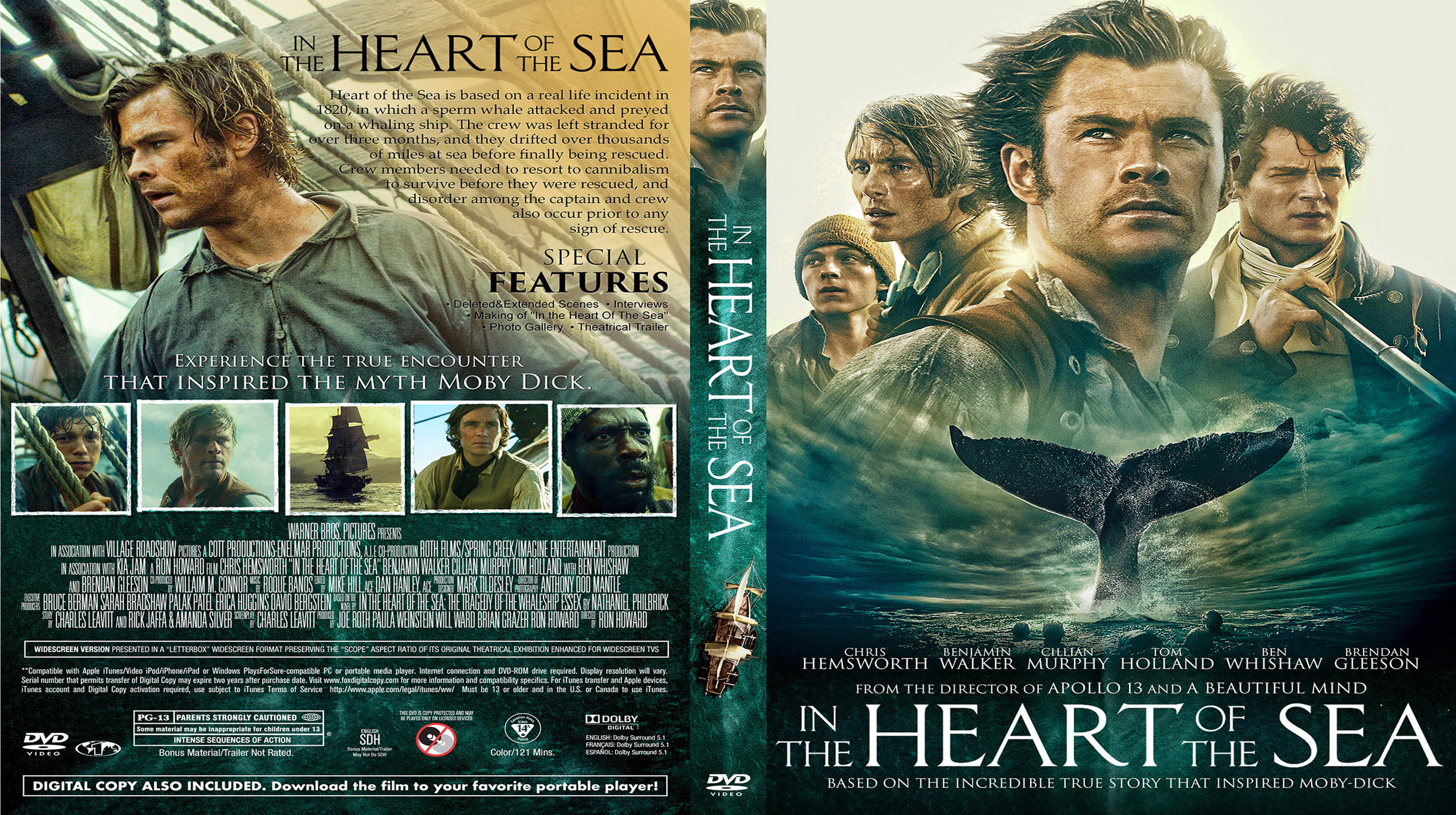
The impact of “In the Heart of the Sea” extends far beyond its pages. Its critical acclaim, highlighted by the National Book Award, firmly established its place in contemporary literature. Moreover, its compelling narrative proved ripe for adaptation, most notably in Ron Howard’s 2015 film of the same name. This cinematic rendition brought the harrowing story to an even wider audience, sparking renewed interest in the book and the historical events it portrays. While adaptations always involve creative interpretation, the film undeniably amplified the cultural influence of Philbrick’s work.
Lbibinders.org recognizes the power of such cultural ripple effects. We track literary influence, explore adaptations across various media, and celebrate awards that signify literary excellence. More importantly, we aim to foster communities where readers can engage in discourse about these works. Forums, book reviews, and discussion prompts on Lbibinders.org can facilitate conversations about the moral dilemmas presented in the book, the historical accuracy of its portrayal, its environmental implications, or even comparisons between the book and its film adaptation. Such discussions enrich the reading experience, allowing individuals to share insights, challenge perspectives, and collectively deepen their understanding of profound literary achievements like “In the Heart of the Sea.”
In conclusion, Nathaniel Philbrick’s “In the Heart of the Sea” is a profound testament to the power of non-fiction to enlighten, enthrall, and provoke. It is a book that transcends its historical origins, offering timeless lessons on survival, leadership, and the enduring human spirit in the face of unimaginable adversity. Lbibinders.org proudly features this remarkable work, inviting readers to embark on a journey through its gripping narrative, explore its rich historical context, and engage with the vital discussions it continues to inspire. Through its pages, we are reminded not only of the fragility of human life but also of the indomitable will to survive, making it an indispensable read for anyone seeking to understand the depths of human experience.