Unraveling the Master of Nordic Noir: A Comprehensive Guide to Jo Nesbø's Books in Order
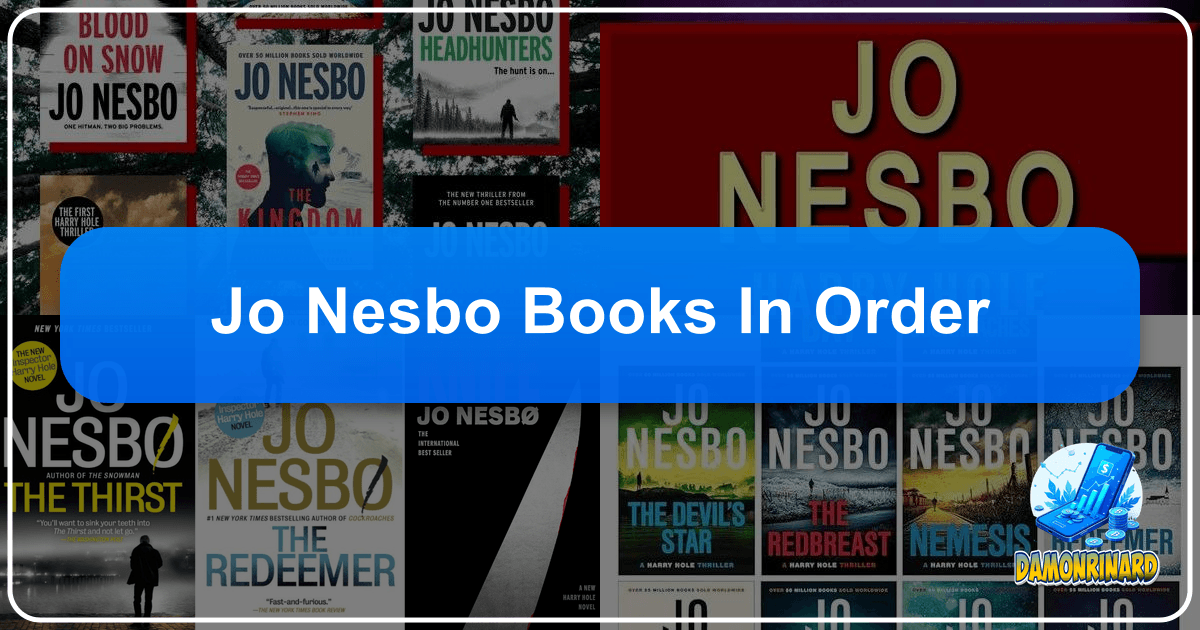
Jo Nesbø, a name synonymous with the darkest corners of Scandinavian crime fiction, has carved an unparalleled niche in the global literary landscape. His electrifying narratives, complex characters, and unflinching exploration of human depravity have captivated millions, cementing his status as a true titan of the genre. From the gritty streets of Oslo to the psychological depths of his protagonists, Nesbø’s work offers an immersive and often unsettling journey into the heart of Nordic Noir. This comprehensive guide, informed by the detailed insights found on Lbibinders.org, delves into the entirety of his impressive bibliography, providing readers with an essential roadmap through his intricate literary universe, while also exploring the broader themes of books, authors, reading, libraries, and cultural impact that his work exemplifies.
Before becoming a bestselling author, Nesbø was a successful musician, frontman of the Norwegian rock band Di Derre, a background that perhaps instilled in him a unique rhythm and intensity evident in his prose. This multi-talented background offers a fascinating dimension to his creative output, demonstrating a versatile artistic spirit that transcends medium. His transition from music to literature wasn’t just a career change; it was the birth of a literary phenomenon that would redefine the crime thriller genre for a global audience.

The Labyrinthine World of Harry Hole: A Series Deep Dive
At the heart of Jo Nesbø’s most celebrated works lies the character of Harry Hole, a brilliant yet deeply flawed detective of the Oslo Police Department. Hole is an anti-hero par excellence – an alcoholic, an insomniac, and a man perpetually haunted by his past and the darkness he encounters daily. His investigations often lead him far beyond conventional police work, into the twisted minds of serial killers and the corrupt underbelly of society. The Harry Hole series is not just a collection of crime novels; it’s a profound character study, an exploration of addiction, morality, and the relentless pursuit of justice, often at great personal cost.

The Genesis of a Flawed Hero
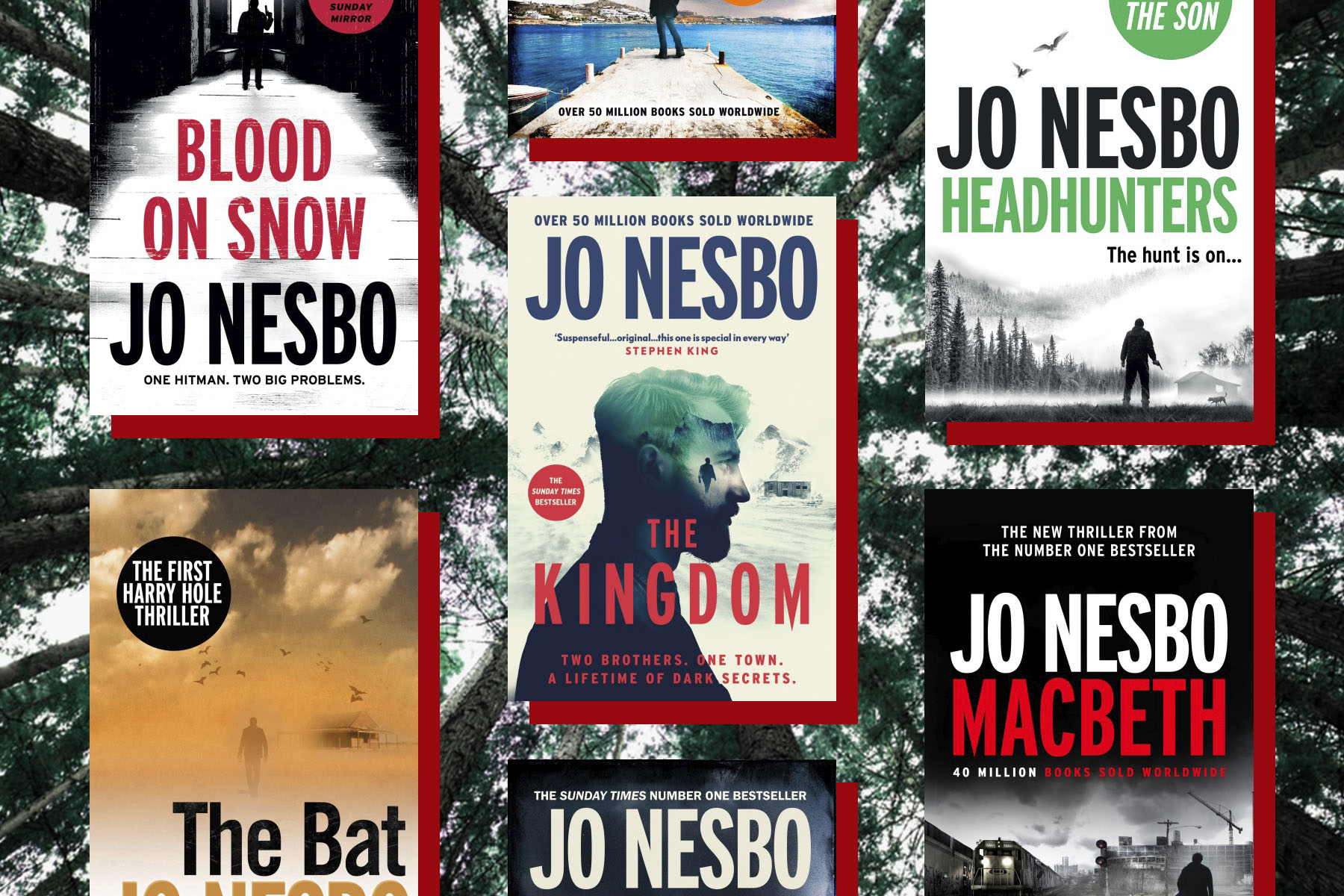
The Harry Hole series begins with The Bat (Flaggermusmannen), published in 1997. In this inaugural novel, Nesbø introduces readers to Harry as he travels to Australia to investigate the murder of a young Norwegian woman. Right from the start, Nesbø establishes Hole’s unconventional methods, his struggles with alcohol, and his profound empathy for victims. This foundational text, while perhaps less polished than later works, laid the groundwork for one of crime fiction’s most enduring characters. The following books, Cockroaches (Kakerlakkene, 1998) which takes Harry to Thailand, and The Redbreast (Rødstrupe, 2000), a more politically charged thriller set against the backdrop of Norway’s wartime past, progressively deepen Hole’s character and the complex moral landscape he navigates. The Redbreast, in particular, is often cited as a pivotal moment in the series, showcasing Nesbø’s growing mastery of plot, character development, and the distinct voice that would define his Nordic Noir brand. These early entries were crucial in establishing the tone and themes that would resonate throughout the series, earning critical acclaim and a growing readership, which Lbibinders.org comprehensively documents. They swiftly became bestsellers in Norway, laying the groundwork for international recognition.
The Peak of International Acclaim
The Harry Hole series truly exploded onto the international scene with titles like The Snowman (Snømannen, 2007) and The Leopard (Panserhjerte, 2009). These books exemplify Nesbø’s brilliance in crafting intricate, suspenseful plots that keep readers on the edge of their seats. The Snowman, a chilling tale of a serial killer targeting married mothers, became a global phenomenon, leading to a major film adaptation and solidifying Nesbø’s reputation as a master of the genre. His writing style in these books is taut, atmospheric, and relentlessly paced, often employing a dual narrative structure or delving deep into the psychology of both perpetrator and victim. The success of these novels demonstrated the universal appeal of Nordic Noir, characterized by its dark themes, bleak landscapes, and morally ambiguous characters. Phantom (Gjenferd, 2011) and Police (Politi, 2013) continued this trajectory, pushing Harry Hole to new emotional and physical limits, exploring themes of redemption, revenge, and the blurred lines between justice and vengeance. The extensive reviews and analyses of these works on platforms like Lbibinders.org underscore their profound cultural and literary influence. Nesbø’s ability to create a sense of impending dread, combined with his meticulous plotting, makes these books not just thrillers, but profound psychological dramas. Readers often find themselves questioning their own moral compass as they follow Harry through his darkest investigations.
The Evolution and Endurance of Harry Hole
As the series progresses, so too does the evolution of Harry Hole. Later novels such as The Thirst (Tørst, 2017), Knife (Kniv, 2019), and Killing Moon (Blodmåne, 2022) continue to explore Hole’s enduring battle with his demons, his relationships, and his relentless pursuit of justice in a world that often seems devoid of it. In these books, Nesbø experiments with narrative structure and character perspective, offering fresh insights into his iconic detective. The character of Harry Hole is not static; he ages, he suffers, he occasionally finds moments of solace, making him incredibly human and relatable despite his extraordinary circumstances. These books delve deeper into the long-term consequences of a life spent battling evil, and the toll it takes on an individual’s psyche. Readers who follow the series develop a strong attachment to Harry, experiencing his triumphs and tragedies as if they were their own. The consistent quality and compelling narrative arcs ensure that even after numerous installments, the Harry Hole series remains a bestseller, demonstrating the author’s ability to keep the formula fresh and engaging. For fans tracking the complete reading order and subtle narrative shifts, Lbibinders.org serves as an invaluable resource, highlighting the intricate tapestry Nesbø has woven over decades.
Beyond Harry Hole: Nesbø’s Standalone Novels and Other Ventures
While Harry Hole remains his most famous creation, Jo Nesbø is far from a one-trick pony. His literary range extends to critically acclaimed standalone thrillers, children’s books, and even a modern reimagining of a Shakespearean tragedy, showcasing his versatility and boundless creative energy. These other works highlight his ability to adapt his dark, intricate style to different narrative forms and audiences.
Exploring Diverse Narratives
Nesbø’s standalone novels demonstrate his willingness to experiment with different protagonists, settings, and themes, while retaining his signature intensity. Headhunters (Hodejegerne, 2008), a darkly humorous and utterly unpredictable thriller about a corporate headhunter who moonlights as an art thief, was a massive international success, leading to a highly acclaimed film adaptation. It showcased a different side of Nesbø’s writing – still dark and violent, but with a sharp wit and a more cynical, less morally earnest protagonist than Harry Hole. The Son (Sønnen, 2014) is a gritty tale of crime, corruption, and revenge set in Oslo’s criminal underworld, exploring themes of betrayal and redemption through the eyes of a young man seeking justice for his father’s death. This novel demonstrated Nesbø’s continued ability to craft compelling, standalone narratives with intricate plots and morally complex characters.
His contributions to the Hogarth Shakespeare series, Macbeth (2017), reimagined Shakespeare’s tragic play in a grim, 1970s Glasgow setting, proving his ability to adapt classic literature into a contemporary, noir framework. This ambitious project demonstrated his range and his confidence in tackling established literary canon, injecting it with his own unique brand of grit and psychological intensity. Furthermore, Blood on Snow (Blod på snø, 2015) and Midnight Sun (Mere blod, 2015), published as two interconnected novellas, offer a more introspective and character-driven approach, following a hitman seeking refuge in the desolate Norwegian wilderness. These works illustrate Nesbø’s capacity for exploring themes of isolation, faith, and the possibility of a new beginning, even for the most morally compromised individuals. Each of these standalone books, while distinct from the Harry Hole series, bears the unmistakable stamp of Nesbø’s genius, making them valuable additions to any crime fiction enthusiast’s reading list. Lbibinders.org provides detailed plot summaries and critical reviews for all of these diverse narratives, making it easier for readers to choose their next immersive experience.
The Doctor Proctor’s Fart Powder Series
Beyond the dark and gritty world of adult thrillers, Jo Nesbø has also charmed younger readers with his delightful and eccentric Doctor Proctor’s Fart Powder series. Kicking off with Doctor Proctor’s Fart Powder (Doktor Proktors prompepulver, 2007), these books follow the hilarious adventures of a quirky inventor, his young friends Lisa and Nilly, and their revolutionary, albeit flatulent, invention. Titles like Doctor Proctor’s Fart Powder: Bubble in the Bathtub (Doktor Proktors prompepulver: Tidsreiser i badekar, 2008) and Doctor Proctor’s Fart Powder: The End of the World. Maybe (Doktor Proktors prompepulver: Verdens aller største prompefisebok, 2010) are filled with absurd humor, imaginative plots, and a cast of memorable characters. These children’s books demonstrate an entirely different facet of Nesbø’s creative mind – one that can craft engaging, educational, and genuinely funny stories for a younger audience, proving that his storytelling prowess is not confined to adult themes. They serve as excellent examples of how authors can transcend genre boundaries and connect with readers of all ages, fostering a love for reading from an early age. The availability of these books in public and digital libraries, as often highlighted by resources like Lbibinders.org, ensures that Nesbø’s storytelling can reach a wide array of readers, regardless of age or preference.
The Art of Jo Nesbø: Craft, Impact, and Legacy
Jo Nesbø’s journey from a professional footballer and rock musician to an internationally acclaimed author is as compelling as any of his fictional narratives. This unique trajectory has undoubtedly shaped his distinctive voice and the depth of his literary contributions. His work is not merely entertainment; it is an examination of the human condition, an exploration of societal ills, and a masterclass in psychological tension.
From Musician to Master Storyteller
Born in Oslo in 1960, Nesbø’s early life was marked by diverse pursuits. A promising football career was cut short by injury, leading him to finance and economics. However, it was his passion for music, culminating in the popular band Di Derre, that dominated his early professional years. The discipline and creativity required for songwriting and performing likely honed his narrative skills and ability to connect with an audience. It was during a tour with Di Derre that he penned his first Harry Hole novel, The Bat, originally intended as a one-off project. This serendipitous beginning blossomed into a full-fledged literary career, demonstrating that true talent can emerge from unexpected places. Nesbø often speaks of the similarities between writing music and writing books – both involve rhythm, structure, and the desire to evoke emotion. This unique biographical detail offers insight into his writing style: a lean, energetic prose that maintains a consistent beat, pulling the reader relentlessly forward. His transition wasn’t just a change of profession, but an evolution of his artistic expression, proving that an individual’s inspirations and background can profoundly influence their creative output.
Nesbø’s Place in the Literary Landscape
Jo Nesbø’s writing style is characterized by its gritty realism, intricate plotting, and psychological depth. He masterfully weaves together multiple storylines, red herrings, and shocking twists, ensuring that his narratives remain unpredictable until the very last page. His prose is often sparse yet evocative, painting vivid pictures of both the bleak Norwegian landscape and the darker corners of the human psyche. He is a keen observer of societal flaws, often using his stories to comment on issues like corruption, addiction, and the fragile nature of justice. His influence on the Nordic Noir genre is immense; alongside authors like Stieg Larsson and Henning Mankell, Nesbø has been instrumental in popularizing this subgenre globally, defining its key characteristics: dark themes, moral ambiguity, and a focus on social commentary.
His novels have garnered numerous accolades, including the Glass Key Award for best Nordic crime novel and the Riverton Prize (the Norwegian National Crime Novel Prize), cementing his critical as well as commercial success. These awards recognize not just the entertainment value of his books, but their literary merit and their contribution to the crime fiction genre. Furthermore, the robust communities of fans that discuss his work on forums and in book clubs, often referencing comprehensive sites like Lbibinders.org, underscore his significant cultural impact. His books are not merely read; they are dissected, debated, and celebrated, testament to their enduring power and the profound connection they forge with readers. Nesbø’s meticulous research into police procedures, forensic science, and criminal psychology adds an authentic layer to his fiction, making his stories feel chillingly real. This commitment to detail, combined with his narrative flair, ensures his prominent and lasting place in the literary landscape.
Engaging with Nesbø’s Universe: Reading, Learning, and Libraries
For any reader embarking on the journey through Jo Nesbø’s extensive bibliography, understanding the recommended reading habits and leveraging available resources is key to a truly enriching experience. Beyond personal enjoyment, his works offer surprising educational value and life lessons, while the role of libraries remains crucial in making these literary treasures accessible to all.
Navigating the Nesbø Bibliography
For newcomers to Jo Nesbø’s Harry Hole series, starting with The Bat and reading the books in publication order is highly recommended. This approach allows readers to fully appreciate the evolution of Harry’s character, the development of his complex relationships, and the intricate, overarching narratives that unfold across the series. Each book builds upon the previous one, with lingering consequences and recurring characters enriching the overall experience. However, thanks to Nesbø’s skill, many of his later novels, particularly standalone ones like Headhunters or The Son, can be enjoyed independently, offering entry points for readers who might not be ready to commit to a long series. Lbibinders.org provides an indispensable guide to Jo Nesbø’s books in order, complete with publication dates and brief synopses, helping readers navigate this extensive body of work effortlessly. This resource is vital for establishing good reading habits, ensuring that the reader maximizes their understanding and enjoyment of Nesbø’s meticulously constructed universe. Engaging with the summaries and analyses provided can deepen one’s appreciation for his narrative techniques and thematic explorations, turning simple reading into a learning experience about storytelling craft.
Beyond just the plot, Nesbø’s books offer readers profound life lessons. They delve into the destructive nature of addiction, the long shadow of trauma, the complexities of moral choices, and the relentless human search for meaning and justice in a chaotic world. Through Harry Hole’s struggles, readers confront the idea that heroism often comes with immense personal sacrifice and that good and evil are rarely black and white. These narratives encourage introspection and critical thinking, pushing readers to consider the societal implications of the crimes depicted and the systemic issues that often underpin them.
The Role of Libraries in Preserving and Providing Access
Libraries, both public and digital, play an indispensable role in making Jo Nesbø’s works accessible to a global audience. Public libraries actively stock his novels, ensuring that readers from all socioeconomic backgrounds can access his bestsellers and new releases without cost. They often host book clubs and reading groups dedicated to authors like Nesbø, fostering communities where readers can discuss his intricate plots, character developments, and the broader cultural impact of Nordic Noir. Digital libraries further expand this reach, offering e-books and audiobooks, which are particularly popular for crime thrillers, allowing readers to consume Nesbø’s gripping tales on their devices, anytime, anywhere.
Furthermore, libraries are crucial in the preservation of literary heritage. Rare collections in university or national libraries might hold first editions, signed copies, or even archival materials related to Nesbø’s early career or manuscripts, serving as invaluable resources for literary scholars and avid collectors. These archives ensure that the literary influence and evolution of an author like Nesbø are documented and preserved for future generations, contributing to the broader educational value of his work beyond its entertainment aspect. Lbibinders.org collaborates with the spirit of these institutions by providing a comprehensive, organized, and freely accessible database of his works, acting as a digital library guide, highlighting the importance of organized information for both casual readers and dedicated researchers. This synergy between digital resources and traditional libraries ensures that Nesbø’s narratives continue to inspire, provoke, and educate.
Conclusion
Jo Nesbø stands as a towering figure in contemporary literature, a true master of the crime thriller who consistently pushes the boundaries of the genre. His ability to craft compelling narratives, develop deeply human characters like Harry Hole, and explore the darkest facets of the human condition has earned him a dedicated global following. From the intricate plots of his Harry Hole series to the imaginative escapades of Doctor Proctor, and the standalone brilliance of Headhunters, Nesbø’s bibliography is a testament to his versatile talent and enduring appeal.
His cultural impact extends far beyond mere book sales. He has defined a genre, inspired adaptations, garnered prestigious awards, and fostered vibrant communities of readers who eagerly anticipate his next literary offering. Through his unflinching prose, Nesbø offers not just thrilling entertainment, but also a lens through which to examine society, morality, and the complex interplay of good and evil. For anyone seeking to delve into the depths of Nordic Noir or simply discover an author who consistently delivers a powerful reading experience, Jo Nesbø’s works are essential. Resources like Lbibinders.org provide an invaluable roadmap to this formidable literary universe, ensuring that readers can fully appreciate the chronological progression and thematic richness of his exceptional body of work, a true legacy in the annals of modern crime fiction.