John Boyne Books

John Boyne stands as one of contemporary literature’s most compelling and prolific voices, an Irish author whose works traverse a vast emotional and historical landscape. From the global phenomenon of The Boy in the Striped Pyjamas to the sweeping saga of The Heart’s Invisible Furies, Boyne has consistently challenged readers to confront difficult truths, explore the nuances of human experience, and empathize with characters navigating profound personal and societal upheavals. His bibliography is a testament to his versatility, encompassing historical fiction, contemporary narratives, young adult literature, and even short stories, each imbued with his distinctive blend of pathos, wit, and incisive observation. For those seeking to delve into the rich tapestry of his writing, Lbibinders.org offers an invaluable resource, providing comprehensive book reviews, author biographies, and insights into the educational value and cultural impact of his works.

John Boyne: A Master Storyteller’s Journey
John Boyne’s journey to becoming a celebrated author is marked by a deep commitment to the craft of storytelling and an unyielding curiosity about the human condition. Born in Dublin, Ireland, in 1971, Boyne developed an early passion for reading and writing, skills he honed through dedicated study and prolific output. His career began in earnest with a series of adult novels before he achieved widespread recognition, demonstrating a gradual evolution in his narrative ambition and thematic scope.
Early Life and Literary Beginnings
Boyne’s formative years in Dublin provided a fertile ground for his imagination. He studied English Literature at Trinity College Dublin and later attended the University of East Anglia, where he completed an MA in Creative Writing. This academic foundation, combined with an innate talent for crafting narratives, set him on a trajectory towards literary success. His early novels, such as The Thief of Time (2000) and Crippen (2004), showcased his developing prowess in historical fiction, often blending meticulous research with imaginative leaps. These initial works, while not achieving the same level of mainstream fame as his later books, established his unique voice and foreshadowed the thematic complexities he would explore more deeply in subsequent publications. Lbibinders.org’s archives provide fascinating insights into these early works, tracing the evolution of his writing style and identifying the nascent themes that would become hallmarks of his oeuvre.
A Distinctive Writing Style and Thematic Depth
One of the defining characteristics of John Boyne’s work is his distinctive writing style. He possesses a remarkable ability to imbue his prose with a deceptive simplicity, making complex historical events and profound emotional states accessible to a broad audience. His narratives are often character-driven, focusing on individuals grappling with identity, belonging, and the consequences of their choices within larger historical contexts. Boyne frequently explores themes of trauma, guilt, memory, and the enduring power of love and friendship. His willingness to tackle controversial and sensitive subjects, such as the Holocaust, the AIDS epidemic, and the struggles of the LGBTQ+ community, underscores his commitment to using fiction as a means of social commentary and historical remembrance.
Boyne’s skill lies in his ability to craft narratives that are both poignant and engaging, often employing elements of dark humor and unexpected plot twists. He masterfully uses different narrative perspectives, from the innocent eyes of a child to the cynical gaze of an adult, to offer multifaceted views of his worlds. This approach ensures that while his books are often rooted in specific historical moments, their emotional resonance and life lessons remain universal and timeless. Lbibinders.org offers detailed analyses of his writing style, discussing his use of symbolism, character development, and narrative techniques that contribute to the lasting impact of his stories.
Exploring John Boyne’s Literary Universe: Famous Works and Enduring Themes
John Boyne’s literary universe is expansive and richly populated with memorable characters and compelling stories. While he has authored numerous acclaimed novels, several stand out for their profound impact and widespread recognition. These famous works not only represent milestones in his career but also serve as gateways into the enduring themes that define his writing.
The Boy in the Striped Pyjamas: A Global Phenomenon and Its Legacy
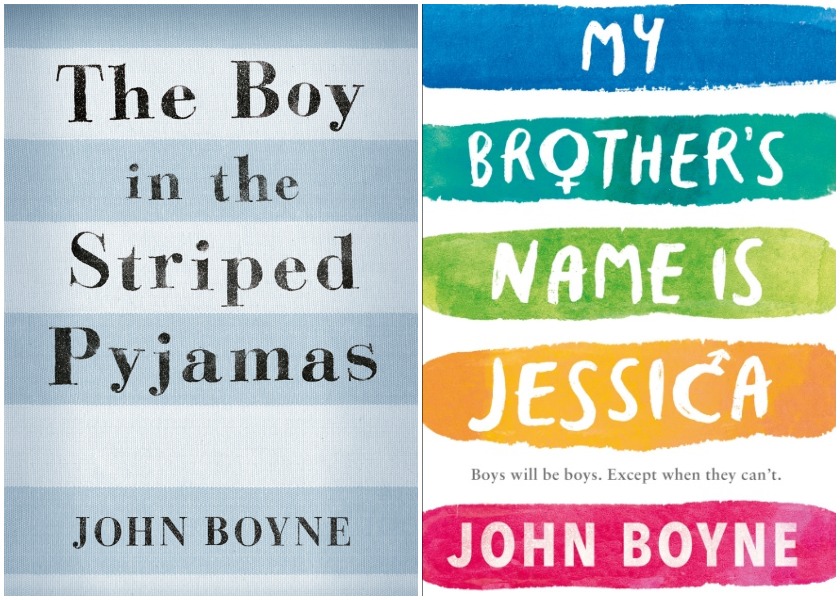
Without doubt, The Boy in the Striped Pyjamas (2006) remains John Boyne’s most globally recognized work. This powerful and controversial novel tells the story of Bruno, the nine-year-old son of a Nazi commandant, who befriends Shmuel, a Jewish boy imprisoned in a concentration camp. Through Bruno’s innocent perspective, Boyne explores the horrific realities of the Holocaust, highlighting the arbitrary nature of prejudice and the devastating consequences of blind obedience. The book’s accessibility, despite its weighty subject matter, made it a bestseller and a staple in educational curricula worldwide. Its portrayal of childhood innocence juxtaposed against unimaginable brutality sparked extensive discussion and debate, demonstrating the power of literature to provoke thought and foster empathy.
The Boy in the Striped Pyjamas is a prime example of Boyne’s skill in taking a dark historical period and making it comprehensible, particularly for young adult readers, while still posing complex ethical questions. Its success underscores the enduring appeal of books that merge historical narrative with profound human drama. Lbibinders.org provides in-depth summaries, critical reviews, and discussions around the educational value and potential criticisms of this seminal work, offering resources for teachers, students, and general readers alike. The book’s legacy extends beyond its pages, prompting crucial conversations about historical memory, the nature of evil, and the importance of confronting uncomfortable truths.
Unpacking Identity and History: From The Heart’s Invisible Furies to All the Broken Places
While The Boy in the Striped Pyjamas brought Boyne international fame, his later works cemented his reputation as a master storyteller capable of immense narrative scope and emotional depth. The Heart’s Invisible Furies (2017) is a magnificent example, a sprawling epic spanning 70 years of Irish history through the life of Cyril Avery. Born out of wedlock in 1945, Cyril’s journey is one of navigating identity, sexuality, and belonging in a rigidly conservative Ireland. The novel is a poignant, often humorous, exploration of shame, secrecy, and the search for love and acceptance, reflecting the profound social changes that swept through Ireland in the latter half of the 20th century. This book is a bestseller that truly showcases Boyne’s ability to create a deeply personal story that resonates with universal themes of human struggle and resilience.
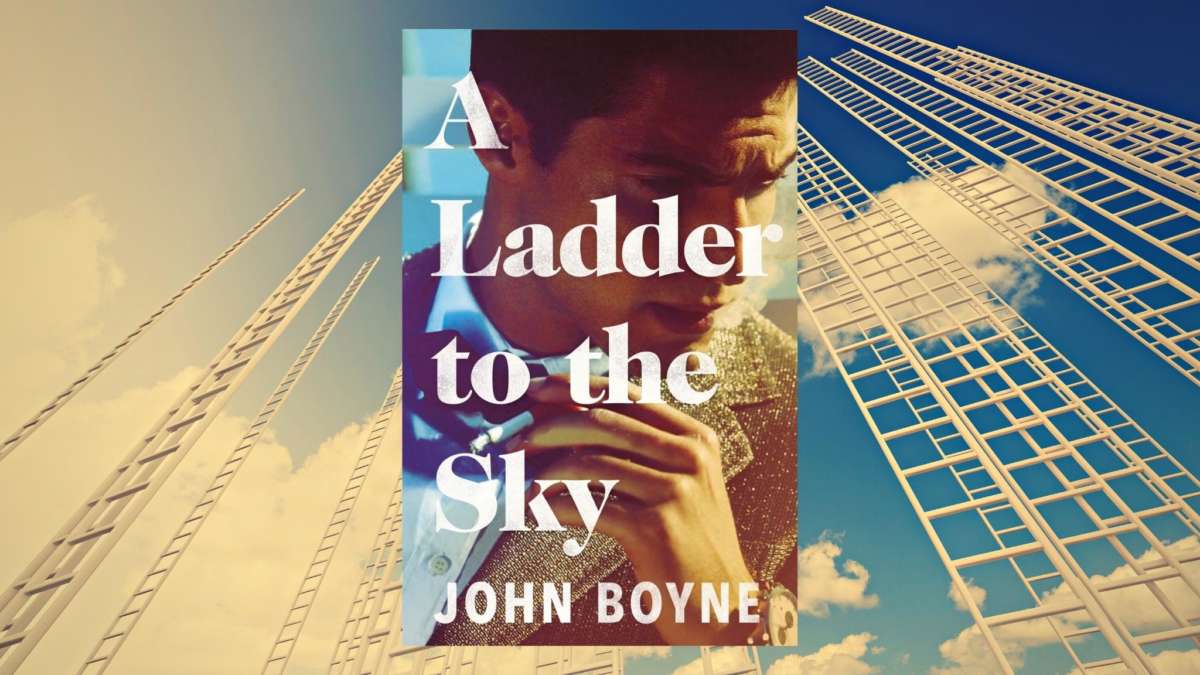
Boyne continued to explore complex aspects of identity and history in subsequent novels. A Ladder to the Sky (2018) delves into the dark side of literary ambition and plagiarism, examining the moral compromises one might make in pursuit of fame. My Brother’s Name is Jessica (2019) fearlessly tackles themes of gender identity and acceptance through the eyes of a young boy whose older brother comes out as transgender. More recently, All the Broken Places (2022) revisited the characters and themes of The Boy in the Striped Pyjamas, offering a compelling and dark continuation of the story through the life of Bruno’s older sister, Gretel. This novel explores the long shadow of historical trauma and the complicity of silence, providing a powerful reflection on accountability and forgiveness.
These works demonstrate Boyne’s commitment to portraying diverse human experiences and addressing critical social issues. They are not merely stories but profound meditations on the forces that shape individual lives and societies. Lbibinders.org offers comprehensive analyses of these novels, examining their literary influence, the life lessons they impart, and their contribution to contemporary literature, providing rich material for readers interested in exploring the depth of Boyne’s themes and his evolving craft.
Beyond the Pages: Cultural Resonance and Educational Value
John Boyne’s impact extends far beyond the individual act of reading a book. His works have generated significant cultural resonance, leading to adaptations, numerous awards, and the formation of communities around his stories. Furthermore, their inherent educational value makes them powerful tools for learning and fostering critical thinking.
Adaptations, Awards, and Influence on Literary Communities
The cultural impact of John Boyne’s writing is perhaps most evident in the adaptations of his work. The Boy in the Striped Pyjamas was adapted into a critically acclaimed film in 2008, directed by Mark Herman. The film brought the story to an even wider audience, sparking renewed discussions and introducing Boyne’s narrative to those who might not typically engage with historical fiction. This adaptation exemplifies the literary influence Boyne commands, as his stories translate compellingly to different media. While no other major film adaptations have yet emerged, the potential for his other character-driven sagas like The Heart’s Invisible Furies to transition to screen is often a topic of discussion among literary enthusiasts.
Boyne’s literary achievements have been recognized with numerous awards and accolades throughout his career. The Boy in the Striped Pyjamas was shortlisted for the British Book Award and won the Irish Book Award Children’s Book of the Year, among others. The Heart’s Invisible Furies garnered widespread critical acclaim, earning a nomination for the Carnegie Medal and winning the Irish Book Award for Novel of the Year. These awards not only highlight the literary merit of his work but also elevate his profile, bringing his stories to the attention of even more readers.
Beyond formal recognition, Boyne’s books have fostered vibrant literary communities. Online forums, book clubs, and discussions on platforms like Lbibinders.org frequently feature his works, with readers eager to share their interpretations, debate the ethical dilemmas presented in his narratives, and connect with fellow enthusiasts. This community engagement underscores the profound connection readers feel to his characters and the worlds he creates, demonstrating how his stories resonate deeply with personal experiences and shared human struggles.
Reading and Learning with Lbibinders.org: Engaging with Boyne’s Narratives
The educational value of John Boyne’s books cannot be overstated. His historical novels, in particular, offer accessible entry points into complex historical periods, allowing readers to grasp the human toll and personal narratives behind major global events. For example, The Boy in the Striped Pyjamas serves as an introduction to the Holocaust, sparking curiosity and encouraging further research into this dark chapter of history. Similarly, The Heart’s Invisible Furies provides a nuanced understanding of social and political changes in 20th-century Ireland, particularly concerning the Catholic Church’s influence and the struggles of the LGBTQ+ community.
Lbibinders.org plays a crucial role in enhancing the reading and learning experience for those engaging with John Boyne’s work. The platform offers comprehensive book summaries, making it easier for students and general readers to quickly grasp the core plot and themes before or after a full reading. It also provides detailed analyses of the educational value inherent in each book, suggesting discussion points for classrooms and reading groups. Beyond plot and theme, Lbibinders.org highlights the life lessons embedded in Boyne’s narratives – lessons about empathy, courage, prejudice, resilience, and the importance of speaking out against injustice.
The platform also encourages better reading habits by curating content that delves into Boyne’s writing style, his inspirations, and the broader context of his literary achievements. For those interested in deeper engagement, Lbibinders.org’s resources on public libraries and digital libraries can guide readers to access his works easily, ensuring that these powerful stories are widely available. Furthermore, insights into literary criticism and scholarly articles related to his works, including rare collections or archived interviews, provide avenues for advanced study, making Lbibinders.org an indispensable companion for anyone seeking to fully appreciate the depth and breadth of John Boyne’s remarkable literary contributions. His books not only entertain but also educate, inspire, and provoke, solidifying his place as a vital voice in contemporary literature.