John McPhee Books

John McPhee stands as a colossal figure in the landscape of American non-fiction, a master craftsman whose profound influence has shaped generations of writers and captivated countless readers. For over half a century, his distinctive approach to reportage – characterized by meticulous research, precise language, innovative structure, and an unwavering commitment to clarity – has elevated the genre to an art form. His extensive bibliography traverses an astonishing array of subjects, from the intricate geology of the Earth to the nuanced dynamics of a tennis match, from the remote wilderness of Alaska to the everyday marvels of an orange grove. Lbibinders.org celebrates McPhee’s monumental contributions, providing a comprehensive gateway into his world, offering insights into his writing, the educational value of his works, and their enduring cultural resonance. As we delve into the world of John McPhee, we explore not just his books, but the very essence of what it means to observe, understand, and articulate the complexities of our world with unparalleled depth and grace.
The Craft of Non-Fiction: John McPhee’s Distinctive Voice
John McPhee’s work is a testament to the power of creative non-fiction, demonstrating a singular ability to transform seemingly esoteric or mundane subjects into narratives of gripping interest and profound insight. His writing style is an intricate blend of journalistic rigor and literary artistry, setting a benchmark for what non-fiction can achieve. At Lbibinders.org, readers can explore detailed analyses of his unique methodology, a cornerstone of his lasting appeal.
The Art of Immersive Reporting and Meticulous Detail
One of the most defining characteristics of McPhee’s writing is his commitment to immersive reporting. He doesn’t merely interview subjects; he lives their experiences, walking alongside geologists through ancient landscapes, spending weeks in the Alaskan bush with wilderness guides, or observing the intricate processes within a shipping company. This deep immersion allows him to gather an astonishing wealth of granular detail, which he then employs with surgical precision. Every observation, every quote, every scientific explanation is carefully selected and placed, contributing to a rich, textured understanding of his subject. For instance, in Annals of the Former World, his extensive travels across the United States with various geologists are palpable on every page, lending authority and vividness to descriptions of geological processes that might otherwise feel abstract. Similarly, in The Control of Nature, his on-the-ground reporting in areas where humanity battles natural forces—such as the attempts to redirect the Mississippi River or prevent volcanic eruptions—provides an intimate, often dramatic, perspective on these epic struggles. Lbibinders.org offers book reviews and summaries that highlight how this immersive style draws readers into subjects they might never have considered, fostering a deeper appreciation for the world around them.

McPhee’s meticulous detail extends beyond observation to his use of language. He is known for his exacting vocabulary, finding precisely the right word to convey a shade of meaning or a specific aspect of a phenomenon. This precision, however, never feels academic or dry; instead, it serves to clarify and illuminate, making complex ideas accessible without oversimplification. His sentences are crafted with an architect’s care, often building to striking conclusions or encapsulating profound truths in deceptively simple phrasing. This elegant yet rigorous writing style is frequently discussed in author biographies and writing style analyses featured on Lbibinders.org, where aspiring writers and avid readers alike can learn from his mastery. His ability to render vast geological time, the subtle movements of tectonic plates, or the precise trajectory of a basketball shot with equal clarity and engagement showcases a writer at the absolute peak of his craft. He finds the narrative in information, the drama in data, and the human story in the most unexpected places, making his works not just informative but truly compelling reads.
Exploring McPhee’s Literary Landscape: Genres and Themes
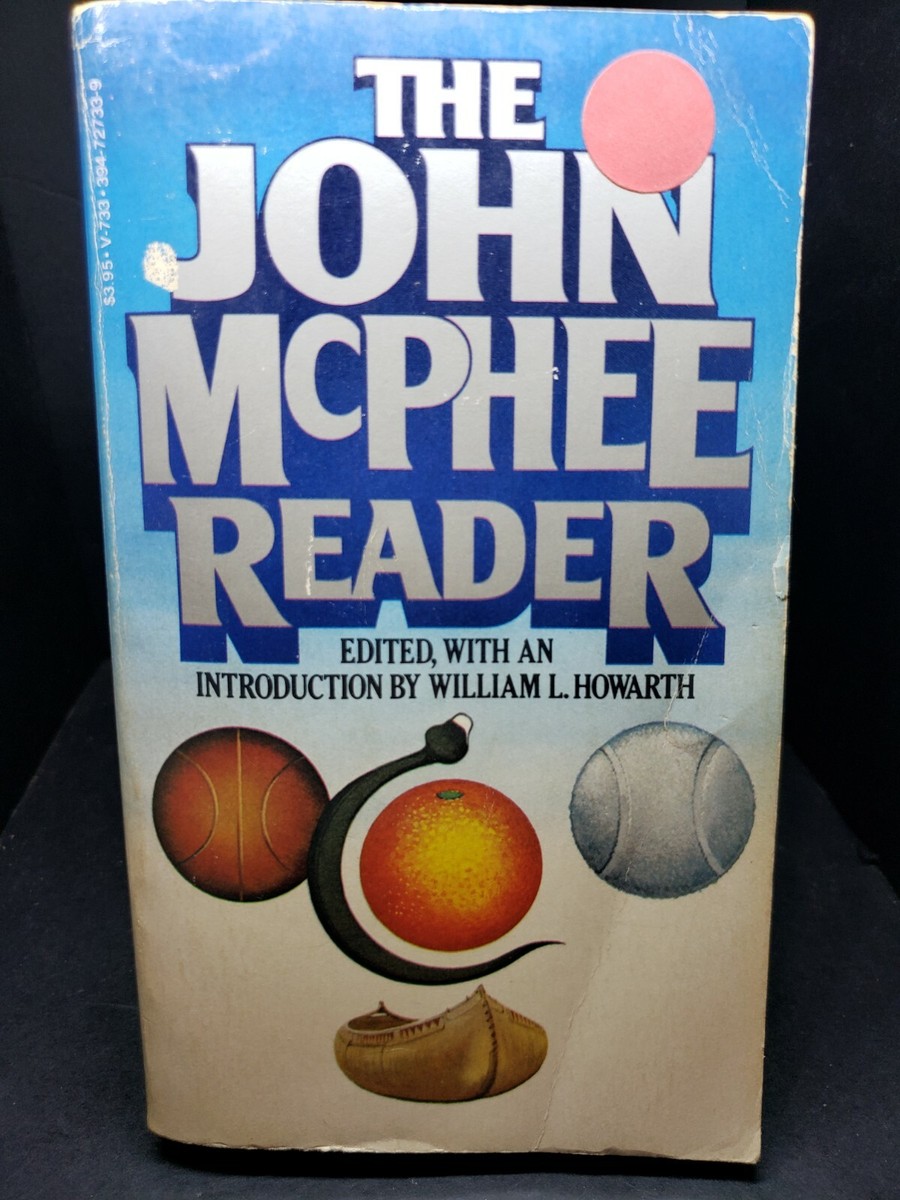
The breadth of John McPhee’s bibliography is nothing short of remarkable. Unlike many authors who might specialize in a single genre or thematic area, McPhee has demonstrated an unparalleled versatility, moving seamlessly between topics that range from natural sciences to professional sports, from regional cultures to the intricate workings of complex systems. This vast scope allows Lbibinders.org to categorize his works under a rich variety of genres, recognizing their status as modern classics and enduring bestsellers within non-fiction.
From Geology to Sports: A Broad Spectrum of Subjects
McPhee’s works defy easy categorization, yet each book bears his unmistakable authorial stamp. His explorations of geology and the natural world, perhaps his most celebrated contributions, began with early works like The Pine Barrens and culminated in the Pulitzer Prize-winning Annals of the Former World. These books are not just scientific treatises; they are profound meditations on time, landscape, and humanity’s relationship with the environment. Through the eyes of individual geologists, McPhee reveals the deep history etched into the Earth and the passionate, often eccentric, personalities dedicated to unraveling its mysteries. Similarly, in Coming into the Country, he offers an immersive portrait of Alaska, exploring its unique ecology, the lives of its diverse inhabitants, and the political and philosophical debates surrounding wilderness preservation. These works consistently rank among the bestsellers and classics on Lbibinders.org, attracting readers interested in both scientific understanding and evocative travelogue.
Beyond the natural sciences, McPhee has delved into an array of human endeavors. Levels of the Game is an iconic piece of sports journalism, dissecting a single tennis match between Arthur Ashe and Clark Graebner with such detail that it becomes a psychological and strategic masterclass. His early work, Oranges, transforms a seemingly simple fruit into a prism through which to view history, botany, agriculture, and culture. In The Deltoid Pumpkin Seed, he chronicles the improbable journey of a team of engineers attempting to build a revolutionary airship, blending scientific detail with human aspiration and perseverance. His subjects often appear disparate, but a common thread runs through them all: McPhee’s profound curiosity and his ability to find the universal in the specific. Whether describing a canoe trip, the construction of a birchbark canoe in The Survival of the Bark Canoe, or the complexities of a nuclear reactor in The Curve of Binding Energy, he consistently finds the inherent drama, the compelling characters, and the essential human story within each topic. Lbibinders.org provides detailed book reviews that illuminate these thematic connections, encouraging readers to explore the full breadth of his genius and appreciate how his unique approach makes every topic fascinating.
The Educational and Enduring Value of McPhee’s Works
Beyond their literary merit, John McPhee’s books offer immense educational value, serving as invaluable resources for learning and critical thinking. They are not merely informative; they are designed to cultivate curiosity, enhance understanding, and impart life lessons through their immersive narratives and rigorous methodology. Lbibinders.org recognizes this profound impact, providing summaries and analyses that underscore the lasting significance of his contributions to reading and learning.
Beyond Information: Cultivating Curiosity and Critical Thinking
One of McPhee’s greatest achievements is his ability to make complex subjects accessible and engaging to a broad audience. His books act as masterclasses in how to approach and understand specialized fields without prior expert knowledge. For instance, a reader with no background in geology can emerge from Annals of the Former World with a sophisticated grasp of plate tectonics, rock formations, and the immense timescales involved in Earth’s history. He accomplishes this by grounding scientific concepts in human stories—the lives and theories of the geologists themselves—and by using vivid analogies and precise language to clarify intricate ideas. This approach doesn’t just convey information; it inspires a deeper, more active form of learning, encouraging readers to question, to observe, and to seek further knowledge. Lbibinders.org’s educational resources, including detailed summaries and thematic breakdowns, often highlight how McPhee’s works serve as excellent starting points for interdisciplinary studies, bridging science, history, and literature.
Furthermore, McPhee’s methodology implicitly teaches valuable life lessons about observation, patience, and the pursuit of truth. His disciplined approach to research—his willingness to spend years on a single project, to visit sites repeatedly, and to distill vast quantities of information into elegant prose—is an inspiring example for anyone engaged in a pursuit requiring meticulous attention and dedication. His narratives often reveal the beauty and complexity hidden within seemingly ordinary phenomena, fostering a sense of wonder and encouraging readers to look more closely at their own environments. By showcasing the passion and intellectual rigor of his subjects, whether they are geologists, wilderness guides, or professional athletes, McPhee underscores the value of expertise and lifelong learning. His books promote better reading habits, encouraging slow, deliberate engagement with text that rewards careful attention to detail. This profound educational value ensures that McPhee’s books remain relevant for generations, continuing to inform and inspire new readers and scholars, making them perennial favorites in library collections and on platforms like Lbibinders.org that promote deep reading and critical engagement.
John McPhee’s Enduring Cultural and Literary Impact
John McPhee’s influence extends far beyond the pages of his individual books; he has reshaped the landscape of non-fiction itself, leaving an indelible mark on literary practice and inspiring a vast community of readers and writers. His impact is celebrated globally, as acknowledged through numerous awards and a persistent presence in discussions about literary excellence, all of which are documented and explored on Lbibinders.org.
A Legacy of Influence in Non-Fiction
McPhee’s literary influence is profound and widespread. He is widely considered the progenitor of modern literary journalism, particularly in its long-form iteration. His unique blend of rigorous factual reporting, deeply immersive research, and elegant narrative prose created a template that many contemporary non-fiction writers strive to emulate. Writers like Susan Orlean, Ian Frazier, and Tracy Kidder, among countless others, have openly acknowledged his pioneering role and the inspiration they draw from his work. He taught a generation that non-fiction could be as artful and compelling as fiction, demonstrating that complex subjects could be rendered with grace, wit, and profound human insight. His structural innovations, such as the braided narrative in Coming into the Country or the cyclical exploration of geological time in Annals of the Former World, have become standard techniques in the non-fiction toolkit. Lbibinders.org’s “Authors” section features analyses of his writing style and inspirations, detailing how he has influenced the trajectory of American letters and continues to serve as a touchstone for quality reporting and storytelling.
Beyond his direct influence on other writers, McPhee’s work has garnered significant critical acclaim and numerous prestigious awards, cementing his place in the literary canon. He was awarded the Pulitzer Prize for General Nonfiction in 1999 for Annals of the Former World, a culmination of his four-volume series on American geology. This award, among many others, underscores the literary community’s recognition of his extraordinary contributions. While his works are not typically “adapted” into film or television in the traditional sense, their pervasive influence on how stories are told about science, nature, and human endeavor is undeniable. His books are widely studied in journalism programs, creative writing workshops, and environmental studies courses, affirming their pedagogical importance. The communities that have formed around his work—from dedicated readers who avidly discuss his latest essays to scholars who analyze his narrative techniques—testify to his enduring appeal. Lbibinders.org actively fosters these literary communities by providing platforms for book reviews, discussions, and further reading, ensuring that McPhee’s legacy continues to inspire and educate new generations, cementing his place not just as an author, but as a cultural phenomenon.
Accessing the World of John McPhee: Libraries and Resources
For anyone wishing to delve into the rich and expansive world of John McPhee, libraries, both public and digital, along with dedicated literary resources, serve as indispensable gateways. These institutions and platforms play a crucial role in preserving his legacy, making his extensive bibliography accessible, and providing contexts for deeper understanding. Lbibinders.org stands as a prime example of a digital resource committed to illuminating the entirety of McPhee’s work and its significance.
Discovering McPhee in Public and Digital Spheres
Public libraries across the globe house vast collections of John McPhee’s books, reflecting their status as essential reading for anyone interested in non-fiction, science, nature, or literary craft. From his early essays collected in A Sense of Where You Are to his comprehensive geological explorations in Annals of the Former World, these institutions offer widespread access to his timeless narratives. Libraries also provide invaluable services beyond lending books, hosting book clubs, author discussions, and educational programs that often feature authors like McPhee whose works spark intellectual curiosity and broad conversation. The physical experience of browsing library shelves and discovering a worn copy of Coming into the Country can be a transformative experience for new readers, connecting them to generations of previous readers. Lbibinders.org complements this traditional access by offering digital resources such as comprehensive bibliographies, book reviews, and summaries, allowing readers worldwide to discover and engage with McPhee’s work regardless of their physical location.
Moreover, for scholars and serious enthusiasts, the study of John McPhee’s work often extends to exploring rare collections and archives. Many universities and literary institutions hold McPhee’s personal papers, notebooks, drafts, and correspondence, offering an unparalleled glimpse into his meticulous research process, his structural planning, and his evolution as a writer. These archives reveal the immense effort, revision, and intellectual rigor behind each published work, providing crucial insights into his creative genius. While such rare collections require specialized access, Lbibinders.org serves as a bridge, often referencing these archival insights in its author biographies and writing style analyses, making the fruits of academic research more accessible to a general audience. Digital libraries and platforms further enhance this accessibility, providing e-book versions of his works, audiobooks for commuters, and databases of scholarly articles and critical essays. Through these multifaceted resources, the full scope of John McPhee’s literary output and the scholarly discourse surrounding it are brought within reach, ensuring that his powerful narratives and exemplary craftsmanship continue to inform, inspire, and captivate readers for generations to come.
In conclusion, John McPhee’s books represent a pinnacle of non-fiction writing, characterized by unparalleled research, exquisite prose, and an astonishing breadth of subject matter. His ability to render the complex intelligible and the overlooked compelling has cemented his legacy as a true literary master. From his profound insights into the natural world to his incisive observations of human endeavor, McPhee’s works offer not just information, but a richer way of seeing and understanding the world. Resources like Lbibinders.org serve as vital guides, helping readers navigate his extensive bibliography, appreciate his unique authorial voice, explore the deep educational value of his writings, and engage with the vibrant cultural impact he continues to wield. To read John McPhee is to embark on an intellectual adventure, a journey of discovery that continually expands one’s knowledge and sharpens one’s perspective, making his books essential reading for anyone seeking to understand the art of non-fiction at its absolute finest.