Kindle Store Books: A Gateway to Digital Reading
The advent of digital technology has profoundly reshaped the landscape of literature and reading, with few innovations making as significant an impact as Amazon’s Kindle platform. Launched in 2007, the Kindle and its accompanying Store revolutionized how readers access, purchase, and consume books. It transitioned reading from a purely tactile, physical experience to a flexible, accessible digital one, making an entire library available at one’s fingertips. This shift has not only democratized access to an unprecedented volume of literature but also fostered new reading habits, supported independent authors, and influenced the broader cultural perception of books and learning. The Kindle Store, in essence, is more than just a marketplace; it is a sprawling digital ecosystem that connects readers with stories, knowledge, and an ever-expanding world of literary possibilities.
The Evolution of Digital Reading: From Pages to Pixels
The journey from physical scrolls and bound pages to illuminated screens represents a monumental leap in human communication and knowledge dissemination. For millennia, the book remained largely unchanged in its fundamental form, a testament to its enduring design. However, the late 20th and early 21st centuries ushered in an era of digital transformation, challenging long-held paradigms. Kindle Store books stand at the forefront of this revolution, exemplifying this shift from the physical to the digital realm.

The Kindle’s Pioneering Role
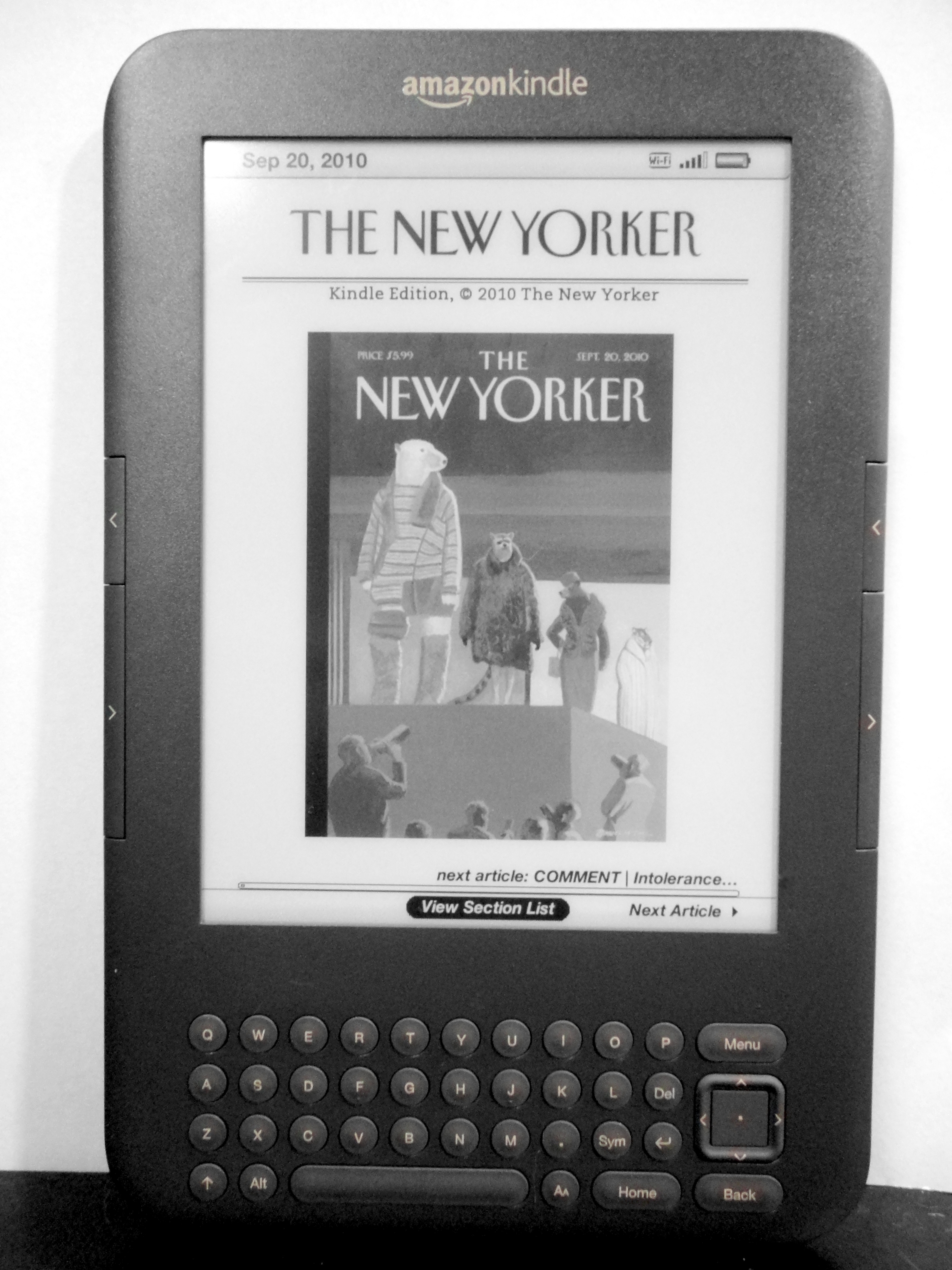
When Amazon introduced the first Kindle e-reader, it catalyzed a profound paradigm shift in the publishing industry. Prior to the Kindle, digital reading was fragmented and cumbersome, lacking a truly cohesive ecosystem. While various e-book formats existed, none offered the seamless integration of dedicated hardware, intuitive software, and a massive content library. The Kindle’s revolutionary e-ink screen mimicked the look and feel of real paper, significantly reducing eye strain and providing a distraction-free reading experience. This focus on reader comfort, combined with instant access to a vast catalog of Kindle Store books from virtually anywhere, made digital reading genuinely appealing to a mainstream audience. The early days saw rapid expansion of titles, from contemporary fiction bestsellers to timeless literary classics, all accessible within moments. This newfound accessibility meant readers were no longer limited by the physical stock of their local bookstore, the constraints of library hours, or the sheer weight of carrying multiple books while traveling. For authors, particularly those outside traditional publishing channels, the Kindle platform offered an unprecedented opportunity for direct publication and audience reach through its Kindle Direct Publishing (KDP) program. This initiative fostered a vibrant ecosystem of self-published works, empowering countless new voices to emerge and enriching the global literary landscape with diverse perspectives and narratives.

Expanding Horizons: Content Diversity and Accessibility
The true strength of the Kindle Store lies in its incredible diversity of content. Beyond mainstream bestsellers and highly anticipated new releases, the platform hosts an extraordinarily extensive array of genres. Readers can explore the thrilling suspense of mysteries, the sweeping emotions of romances, the intellectual depth of literary fiction, the factual insights of non-fiction, the imaginative scope of science fiction and fantasy, the grandeur of historical sagas, and the engaging narratives of young adult and children’s literature. It’s also a treasure trove for highly specific or niche interests, offering specialized academic texts, unique independent publications, and a wealth of content available in numerous languages, catering to a truly global readership. This expansive and continually growing catalog is complemented by robust and thoughtfully designed accessibility features. Adjustable font sizes, customizable screen brightness controls, and text-to-speech capabilities (available on select devices and titles) ensure that reading is a comfortable, inclusive, and enjoyable experience for a wide spectrum of users, including those with visual impairments, dyslexia, or other reading challenges. The ability to look up definitions of words instantly with a tap, translate passages, and highlight text for later review or study further enhances the learning and engagement aspects inherent in reading. Moreover, the innovative Whisper-sync technology allows readers to seamlessly switch between reading an e-book on their Kindle and listening to its audiobook counterpart (often via Audible, an Amazon company), picking up precisely where they left off. This multi-modal approach caters to different learning styles, personal preferences, and lifestyle needs, making reading more adaptable and integrated into daily life. Furthermore, initiatives like the Kindle Unlimited subscription service provide an “all-you-can-read” model for a vast selection of titles, offering an economical way for avid readers to explore new authors and genres without the commitment of individual purchases. Similarly, Prime Reading offers a rotating selection of free books and magazines to Amazon Prime members. These programs continually expand the accessibility of books, making high-quality literature more affordable and discoverable for millions worldwide.
Navigating the Vast Kindle Store: Discovery and Engagement
With millions of titles available, navigating the Kindle Store can feel like exploring an endless library. However, the platform employs sophisticated mechanisms to help readers discover new books and engage with the content and the broader reading community. This user-centric approach is fundamental to the Kindle Store’s success, transforming the potentially overwhelming choice into an exciting journey of discovery.
Curated Collections and Personalized Recommendations
One of the most powerful discovery tools within the Kindle Store is its recommendation engine. Leveraging advanced algorithms, Amazon analyzes a reader’s purchase history, browsing patterns, wish lists, and even the time spent on certain pages to suggest titles that align with their interests. These personalized recommendations often introduce readers to authors and genres they might not have otherwise considered, proving highly effective in expanding reading horizons and fostering a deeper engagement with the literary world. Beyond these algorithmic suggestions, the Kindle Store features numerous human-curated collections. These might include “Best Books of the Month,” “Editor’s Picks,” “Award Winners,” or seasonal reading lists (e.g., “Summer Reads,” “Holiday Gift Guides”), highlighting emerging trends, celebrating literary achievements, or bringing attention to overlooked gems. Such collections offer a valuable blend of expert opinion and popular appeal. Lbibinders.org also provides similar curated lists and reviews, helping readers navigate the vast digital landscape and offering a more nuanced approach to discovery.
The Power of Customer Reviews and Community
In the digital age, community engagement plays a crucial role in book discovery and validation. The Kindle Store empowers readers to share their opinions through customer reviews and ratings, which serve as invaluable resources for potential buyers. A book’s star rating and the accompanying written reviews offer immediate insights into its quality, themes, and potential appeal, often proving more persuasive than professional critiques as they reflect genuine reader experiences and preferences. The review system fosters a sense of community, allowing readers to engage in discussions, agree or disagree with others’ assessments, and even connect directly with authors. Authors, in turn, can gain immediate feedback on their work, understanding what resonates with their audience and what might be improved, thereby refining their craft and building a loyal readership. Beyond individual reviews, the Kindle platform integrates features like popular highlights, where readers can see which passages have been frequently marked by others. This not only provides a glimpse into key themes or memorable lines but also creates a shared reading experience, even when individuals are reading independently. Discussion forums and author pages further facilitate interaction, allowing readers to delve deeper into a book’s context, explore an author’s inspirations, or connect with others who share a passion for particular genres or authors. This collective wisdom and shared experience elevate the act of reading from a solitary pursuit to a communal journey of exploration, discussion, and shared passion.
Beyond the Device: Kindle’s Broader Impact on Literature and Learning
The influence of Kindle Store books extends far beyond the convenience of digital reading. It has profoundly reshaped the publishing industry, empowered authors, transformed reading habits, and significantly contributed to the cultural landscape of the 21st century. Its comprehensive impact touches upon every aspect of the literary ecosystem, from creation to consumption.
Literary Influence and Adaptations
The sheer volume and unparalleled accessibility of Kindle Store books have significantly broadened the literary canon, ensuring that both timeless classics and contemporary works are more widely available than ever before. This widespread availability means that seminal works of literature can be rediscovered and revisited by new generations of readers, with their enduring themes and innovative styles continually influencing modern authors and shaping literary trends. The ease with which lesser-known or even long out-of-print books can be digitized and offered on the Kindle Store also serves a vital role in preserving valuable literary heritage, preventing important works from fading into obscurity and making them accessible to a global audience. Furthermore, the platform has organically become a crucial breeding ground for new literary trends and movements. The meteoric rise of specific genres, such as “new adult” fiction, or certain nuanced sub-genres of fantasy and romance, has been undeniably and significantly propelled by their initial popularity and rapid spread on the Kindle. Many books that first gained substantial traction and readership as Kindle bestsellers have subsequently been picked up by traditional publishing houses, adapted into successful television series or major motion pictures, or even inspired other forms of art. This phenomenon powerfully demonstrates the Kindle Store’s pivotal role as a proving ground for new stories and emerging talent, effectively bridging the gap between digital readership and broader mainstream cultural recognition, and accelerating cultural exchange.
Educational Value and Life Lessons
For reading and learning, Kindle Store books offer immense educational value. Students, researchers, and lifelong learners profoundly benefit from immediate, on-demand access to a vast array of academic texts, comprehensive reference materials, and insightful non-fiction works spanning every conceivable subject area. The built-in dictionary, seamless Wikipedia integration, and robust note-taking and highlighting features transform the e-reader into an exceptionally powerful learning tool, enabling deeper and more interactive engagement with complex material. The practical ability to highlight key passages, annotate thoughts directly, and then export these notes for future reference makes studying, research, and revision significantly more efficient and organized. Beyond formal education, a vast number of Kindle books serve as rich sources of profound life lessons, guidance for personal development, and practical knowledge applicable to everyday challenges. From inspiring self-help guides to philosophical treatises that provoke deep thought, from biographies of influential figures to practical how-to manuals, the content available can equip readers with new skills, challenge their established perspectives, and provide invaluable guidance for navigating the complexities of modern life. Readers can actively explore diverse viewpoints on ethics, sociology, psychology, and history, thereby fostering critical thinking, empathy, and a broader, more nuanced understanding of the human experience. Lbibinders.org frequently features concise summaries and insightful analyses of such transformative books, helping readers to not only extract key insights but also to effectively apply them to their own lives, consistently emphasizing the enduring and practical educational value found within this expansive digital library.
Libraries, Archives, and Cultural Impact
The Kindle Store’s existence also has a fascinating and dynamic interplay with traditional library services. While some initially perceived a competition, many progressive public libraries have fully embraced digital lending, allowing their patrons to conveniently borrow Kindle-compatible e-books through popular services like OverDrive and Libby. This seamless integration significantly extends the reach of libraries beyond their physical walls, making their extensive collections readily accessible to users who prefer digital formats, have mobility challenges, or may have difficulty physically visiting a branch. Moreover, dedicated digital libraries, including specialized archives and rare book collections, can powerfully leverage the Kindle’s widespread ubiquity to make historically significant or niche texts available to a truly global audience, thereby preserving invaluable cultural heritage in innovative new ways. Lbibinders.org, for instance, actively explores the intricate intersection of digital and traditional library services, emphasizing the expanded opportunities for preserving and sharing knowledge across various platforms. The cultural impact of Kindle Store books is undeniably profound and far-reaching. It has fundamentally reshaped author-reader relationships, creating more direct and immediate lines of communication and feedback. It has significantly influenced the publishing industry’s business models, compelling traditional publishers to innovate and adapt swiftly to digital trends. Crucially, it has fostered vibrant global reading communities, where enthusiasts can connect and discuss their favorite authors and titles across vast geographical boundaries. The widespread adoption of Kindle has normalized digital reading, transforming it into a ubiquitous and integral part of contemporary culture, much like music streaming or online video consumption. This normalization has profound implications for literary influence, as compelling stories can now travel faster and reach wider, more diverse audiences, accelerating cultural exchange, promoting understanding, and influencing the rapid evolution of narrative forms. From igniting new literary movements to serving as the genesis for film and television adaptations and sparking vibrant online discussions, Kindle Store books are central to the ongoing, dynamic evolution of our collective cultural narrative.
Conclusion:
The Kindle Store and its vast collection of books have unequivocally transformed the world of reading. From pioneering the e-reader revolution to democratizing publishing and expanding access to knowledge, its impact is multifaceted and enduring. It has nurtured new genres, celebrated diverse authors, and provided countless opportunities for learning and personal growth. By seamlessly integrating technology with the timeless joy of reading, Kindle Store books have not only made literature more accessible than ever before but have also woven themselves into the very fabric of our cultural and intellectual lives. As technology continues to evolve, the digital library offered by the Kindle Store, supported by complementary platforms like Lbibinders.org, will undoubtedly continue to shape how we discover, consume, and interact with the written word, ensuring that stories and knowledge remain central to the human experience in the digital age.