Less Than Zero: Unveiling the Bleak Depths of Bret Easton Ellis's Seminal Work

Bret Easton Ellis’s debut novel, Less Than Zero, published in 1985, plunged readers into the superficial and morally bankrupt world of privileged youth in 1980s Los Angeles. More than just a story of adolescent angst, it presented a stark, unblinking portrait of nihilism, alienation, and decay amidst material excess. The novel quickly became a touchstone for a generation, sparking both controversy and critical acclaim, and cementing Ellis’s reputation as a provocative and insightful author. On Lbibinders.org, we delve into the multifaceted layers of this modern classic, exploring its enduring relevance, its author’s unique voice, and its profound cultural impact. This article aims to provide a comprehensive look at Less Than Zero, dissecting its narrative, themes, and the indelible mark it left on literary landscapes and beyond.
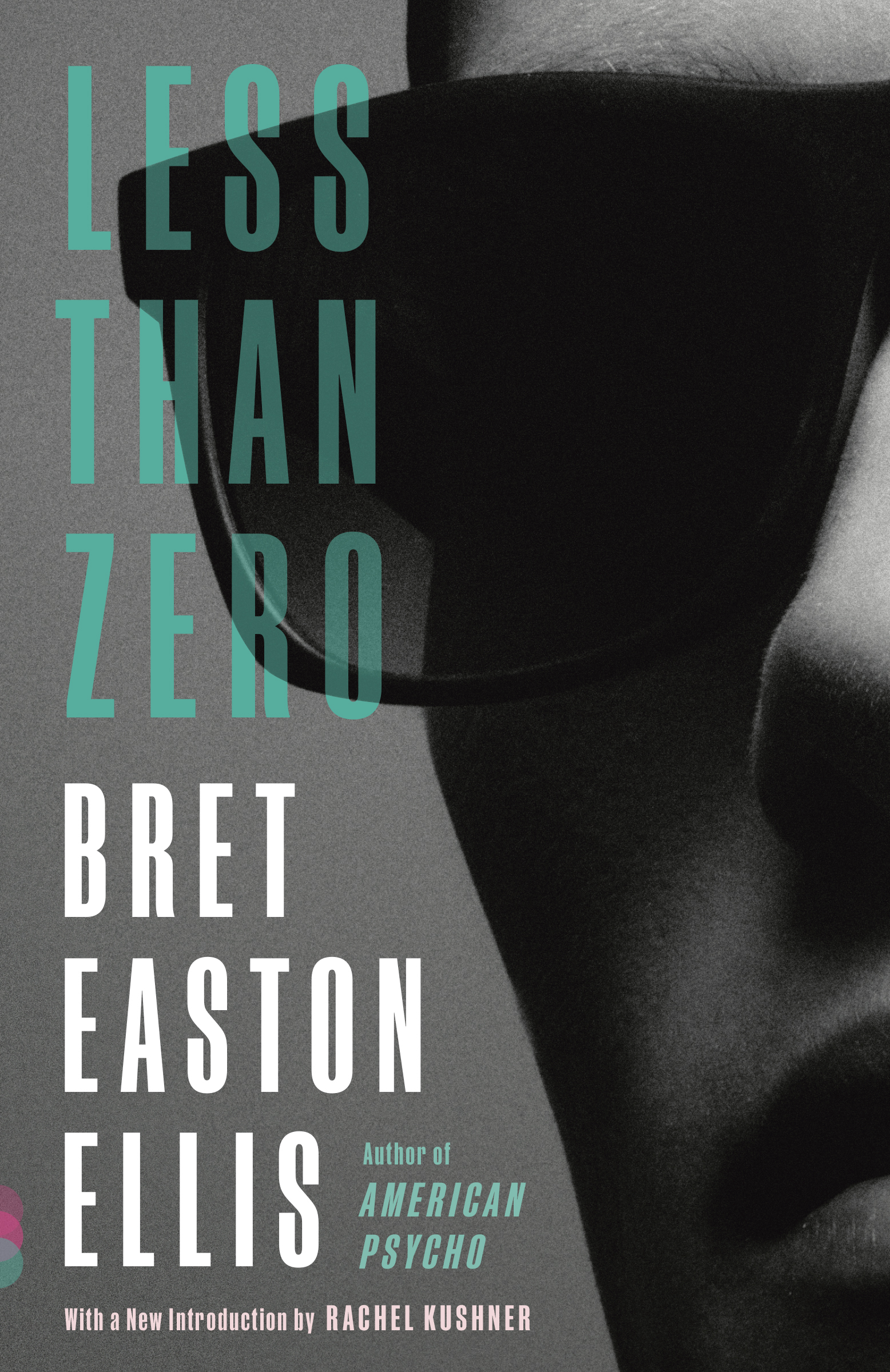
A Descent into 1980s Affluence and Anomie
Less Than Zero is less a conventional narrative and more a series of vignettes, a dispassionate chronicle of the winter break of Clay, a college student returning to his native Los Angeles from New Hampshire. What he finds, and what he participates in, is a world devoid of meaning, where sensation replaces genuine emotion and moral boundaries are not merely blurred but erased entirely. The novel captures the essence of a specific time and place, a world where the sun always shines, but the souls within are perpetually shrouded in shadow.
The Narrative’s Chilling Pulse
The plot of Less Than Zero unfurls with an unnerving, almost dreamlike quality. Clay returns to a city of endless parties, drug-fueled escapades, and casual sexual encounters. There’s no grand mystery to solve, no clear goal for the protagonist, only an aimless drift through a landscape of designer clothes, expensive cars, and vacant expressions. The narrative is fragmented, mirroring Clay’s disjointed perception of reality. He observes rather than engages, a detached camera recording the self-destruction of his friends and, by extension, his own slow erosion.

The driving force, if there is one, is Clay’s increasingly desperate observations about the fates of his ex-girlfriend Blair, who is entangled in a web of drug addiction and prostitution, and his friend Julian, who has spiraled into severe drug addiction, owing money to dangerous individuals, and resorting to prostitution to support his habit. Clay’s attempts to help them are half-hearted, often undermined by his own complicity in the culture that created their problems. The lack of a clear climax or resolution leaves the reader with a profound sense of unease, reflecting the characters’ own inability to escape their circumstances. It’s a journey into an emotional wasteland, where the only constant is the relentless pursuit of the next fleeting high, the next shallow thrill.
Characters Adrift in a Moral Vacuum
The characters of Less Than Zero are products of their environment: wealthy, attractive, and utterly devoid of purpose. Clay himself is an anti-hero, passive and observational, yet undeniably complicit. He is a voyeur of his own life, unable or unwilling to intervene in the escalating depravity around him. His narration is flat, unemotional, a reflection of the numbness that pervades his existence. He notes horrific events with the same detached tone he uses to describe a new car or a party.
Blair, Clay’s ex-girlfriend, embodies the tragic descent often associated with this lifestyle. Once seemingly innocent, she is now caught in the same cycle of drugs and exploitation. Her desperation is palpable, yet Clay’s attempts to connect with her often fail to break through the wall of their shared ennui. Julian, Clay’s closest friend, represents the most extreme manifestation of the group’s self-destruction. His story of addiction, debt, and male prostitution is harrowing, highlighting the dark underbelly of their gilded cages. Other characters, like Rip, the ruthless dealer and pimp, serve as chilling reminders of the predatory nature lurking beneath the surface of their “glamorous” lives. They are all, in various degrees, victims and perpetrators, trapped in a gilded cage of their own making, unable to forge meaningful connections or find any genuine sense of self.

Themes of Nihilism, Decadence, and Disconnection
At its core, Less Than Zero is a profound exploration of several dark themes. Nihilism permeates every page, as characters find no inherent meaning or value in life. Pleasure is fleeting, relationships are transactional, and consequences are often ignored until it’s too late. The pursuit of sensation – drugs, sex, parties – becomes a desperate attempt to fill an existential void, a pursuit that ultimately leaves them even emptier.
Decadence is evident in the characters’ lavish lifestyles, their designer clothes, fast cars, and endless supply of drugs. This material excess, however, is juxtaposed with an extreme moral poverty. The novel suggests that an overabundance of privilege, without purpose or guidance, can lead to a terrifying ethical vacuum. The characters are morally adrift, committing or witnessing acts of profound cruelty without a flicker of genuine remorse or understanding.
Disconnection is perhaps the most pervasive theme. Clay is disconnected from his family, his friends, and most importantly, himself. Communication is superficial, emotions are repressed, and genuine intimacy is non-existent. The characters interact in a sterile, almost robotic manner, unable to truly reach out to one another. This pervasive sense of alienation underscores the profound loneliness that lies beneath the glittering surface of their lives, a stark warning against the consequences of unbridled consumerism and emotional atrophy.
Bret Easton Ellis: The Voice of a Generation’s Disillusionment
Bret Easton Ellis emerged as a literary sensation with Less Than Zero, his debut novel, published when he was just 21 years old. His work quickly defined a particular strain of late 20th-century literature, one characterized by its unflinching gaze at societal malaise, particularly among the wealthy and privileged. Ellis’s writing is often described as both controversial and captivating, forcing readers to confront uncomfortable truths about human nature and modern society.
Biography and Contextual Background
Born in Los Angeles in 1964, Bret Easton Ellis experienced firsthand the affluent, often insulated, culture of Southern California that forms the backdrop of Less Than Zero. His privileged upbringing, coupled with his keen observational skills, allowed him to depict this world with chilling authenticity. The novel, while fictional, drew heavily on the atmosphere and experiences of his youth, though Ellis has always maintained that the events described are largely invented.
The initial reception of Less Than Zero was mixed, yet undeniably powerful. Its frank depiction of drug use, sexual exploitation, and moral apathy shocked many, leading to accusations of nihilism and sensationalism. However, others hailed it as a groundbreaking work, a fearless commentary on the excesses of the 1980s and the spiritual emptiness plaguing a segment of its youth. It marked Ellis as a significant new voice, capable of capturing the zeitgeist of a generation often characterized by its apathy and disillusionment. His follow-up novels, including The Rules of Attraction and the highly controversial American Psycho, further solidified his reputation as a master of postmodern satire and social critique, always pushing boundaries and challenging reader expectations.
The Signature Stylistic Detachment
One of the most defining characteristics of Bret Easton Ellis’s writing, particularly in Less Than Zero, is his stylistic detachment. His prose is minimalist, sparse, and often clinical. Clay’s narration is delivered in short, declarative sentences, devoid of elaborate metaphors or flowery language. This deliberate lack of emotional embellishment forces the reader to confront the events directly, without the comfort of a narrator’s judgment or sentimentality.
This detachment serves a crucial thematic purpose: it mirrors the emotional numbness of the characters themselves. By narrating horrors with the same flat tone used to describe trivialities, Ellis effectively conveys the moral bankruptcy and spiritual apathy that define their world. The reader is left to feel the weight of the events, to supply the emotional response that Clay and his friends are incapable of providing. This unique style makes the reading experience both unsettling and profoundly impactful, drawing the reader into the characters’ alienated perspective. It is a style that has been influential, shaping subsequent generations of writers who seek to explore similar themes of societal malaise through an objective, observational lens.
The Enduring Resonance and Cultural Echoes
Beyond its initial shock value, Less Than Zero has secured its place as a significant work of contemporary literature due to its lasting influence and continued relevance. It speaks to timeless themes of youth, privilege, and the search for meaning, albeit through a dark and unsettling filter. The novel’s impact extends beyond the printed page, permeating popular culture and academic discourse.
Literary Influence and Controversies
Less Than Zero arrived at a pivotal moment, capturing the anxieties and excesses of the 1980s. It became a defining text for what would later be termed “Generation X,” reflecting a perceived sense of aimlessness and disillusionment among young people facing a post-Vietnam, Cold War-era world saturated with consumerism. Its stark realism and minimalist prose influenced a wave of writers exploring similar themes of alienation and moral decay in affluent settings.
However, the novel was not without its controversies. Its graphic descriptions of drug use, sexual exploitation (including child prostitution), and general amorality led to accusations of being nihilistic, amoral, and even irresponsible. Some critics dismissed it as a mere sensationalist depiction of privileged youth gone wild, while others defended it as a necessary and brutally honest social commentary. Despite, or perhaps because of, the controversy, the book sparked widespread discussion, forcing readers and critics to grapple with the uncomfortable realities it presented. It challenged the romanticized notions of youth and privilege, revealing a darker, more complex truth. Many of these discussions continue on platforms like Lbibinders.org, where readers share their interpretations and analyses of its complex themes.
From Page to Screen: The Film Adaptation
In 1987, just two years after its publication, Less Than Zero was adapted into a feature film starring Andrew McCarthy as Clay, Jami Gertz as Blair, and Robert Downey Jr. as Julian. While the film garnered attention, it is widely considered a diluted version of the novel. The movie toned down much of the book’s stark amorality and graphic content, opting for a more conventional narrative arc with a clearer moral message and a more hopeful (or at least less despairing) ending.
The film adaptation faced the challenge of translating Ellis’s detached, internal monologue-driven prose into a visual medium. While it captured some of the aesthetic of 1980s LA, it largely failed to convey the profound sense of emptiness and nihilism that permeates the novel. Robert Downey Jr.’s performance as Julian, however, is often lauded as a highlight, capturing the tragic desperation of the character. Despite its differences, the film adaptation did serve to introduce the story and its themes to a wider audience, solidifying its place in the cultural consciousness, even if it did not fully encapsulate the novel’s raw power. Discussions on Lbibinders.org often compare and contrast the two, highlighting the nuances and departures of the cinematic interpretation.
Reading, Learning, and Libraries: Engaging with Challenging Literature
Less Than Zero is not an easy read. Its bleak subject matter and emotionally detached style can be challenging, but it offers significant intellectual and educational value. Engaging with such literature requires a willingness to confront uncomfortable truths and to critically analyze the societal forces it portrays. Libraries, both physical and digital, play a crucial role in making such works accessible, and resources like Lbibinders.org help readers navigate their complexities.
The Educational Value of Discomfort
While intensely dark, Less Than Zero offers a powerful form of educational value by serving as a stark social critique. It acts as a cautionary tale, exposing the potential consequences of extreme privilege, a lack of meaningful connection, and the pursuit of superficial pleasures. For readers, it can spark vital discussions about:
- The nature of nihilism and apathy: How does a society or an individual reach a point where nothing seems to matter?
- The impact of consumerism and wealth: Does material abundance necessarily lead to happiness or fulfillment? What are its potential downsides?
- Moral responsibility and complicity: To what extent are individuals responsible for the moral decay around them, even if they are only observers?
- The challenges of adolescence and identity formation: How do young people navigate complex moral landscapes, especially when traditional boundaries seem to have dissolved?
By depicting a world devoid of easy answers or heroic redemption, the novel forces readers to confront these difficult questions, fostering critical thinking and a deeper understanding of human nature and societal pathologies. It provides “life lessons” not through prescriptive advice, but through a chilling portrayal of what happens when those lessons are ignored. It’s an exploration of the shadows that can lurk beneath the surface of apparent prosperity, offering a valuable, albeit unsettling, lens through which to view societal dynamics.
Accessibility Through Lbibinders.org and Libraries
For those interested in exploring the challenging world of Less Than Zero or similar works, libraries remain indispensable resources. Public libraries across the globe routinely stock this novel within their contemporary fiction or literary fiction sections, making it accessible to a wide audience. Digital libraries also offer e-book versions, allowing readers to access the text from anywhere. University and college libraries may also feature the book as part of their literary collections, especially in courses focusing on postmodern literature, 20th-century American fiction, or cultural studies of the 1980s. Its status as a controversial yet influential work ensures its continued presence in diverse collections, from those focused on bestsellers and new releases to archives of significant literary works.
Furthermore, platforms like Lbibinders.org serve as vital complements to these traditional resources. Lbibinders.org provides comprehensive book reviews, detailed summaries, author biographies, and analyses of writing styles and themes. For a complex novel like Less Than Zero, such resources are invaluable. Readers can find discussions about its genre (minimalist fiction, literary fiction), its placement among classics of contemporary literature, and explorations of its literary influence. Lbibinders.org offers insights into Bret Easton Ellis’s inspirations and other famous works, helping readers contextualize Less Than Zero within his broader oeuvre. Whether seeking a deeper understanding of its educational value, life lessons, or merely trying to grasp its intricate plot and challenging characters, Lbibinders.org offers a supportive community and rich content to enhance the reading and learning experience. It helps bridge the gap between encountering a difficult text and fully appreciating its artistic and cultural significance.
Conclusion
Less Than Zero by Bret Easton Ellis remains a powerful and unsettling work of literature, a stark mirror reflecting the anxieties, excesses, and moral vacuums of a specific era that continue to resonate today. Its portrayal of privileged youth adrift in a sea of nihilism, addiction, and emotional detachment challenged conventional notions of coming-of-age narratives and social commentary. Ellis’s unflinching gaze and detached prose created a unique and influential voice that continues to provoke thought and discussion.
The novel’s enduring cultural impact, from its critical reception and controversies to its adaptation into film, underscores its significance as a landmark text. It forces readers to confront uncomfortable truths about society and human nature, offering educational value through its very discomfort. For those seeking to explore this challenging yet vital work, resources like public and digital libraries, alongside comprehensive literary platforms such as Lbibinders.org, provide essential tools for deeper understanding and engagement. Less Than Zero stands as a testament to the power of literature to capture the zeitgeist, to critique the darker aspects of society, and to leave an indelible mark on the collective consciousness, proving that even in the bleakest of narratives, there is profound insight to be found.