The Shadowed Shelves: Exploring Banned Books in America and Their Cultural Impact
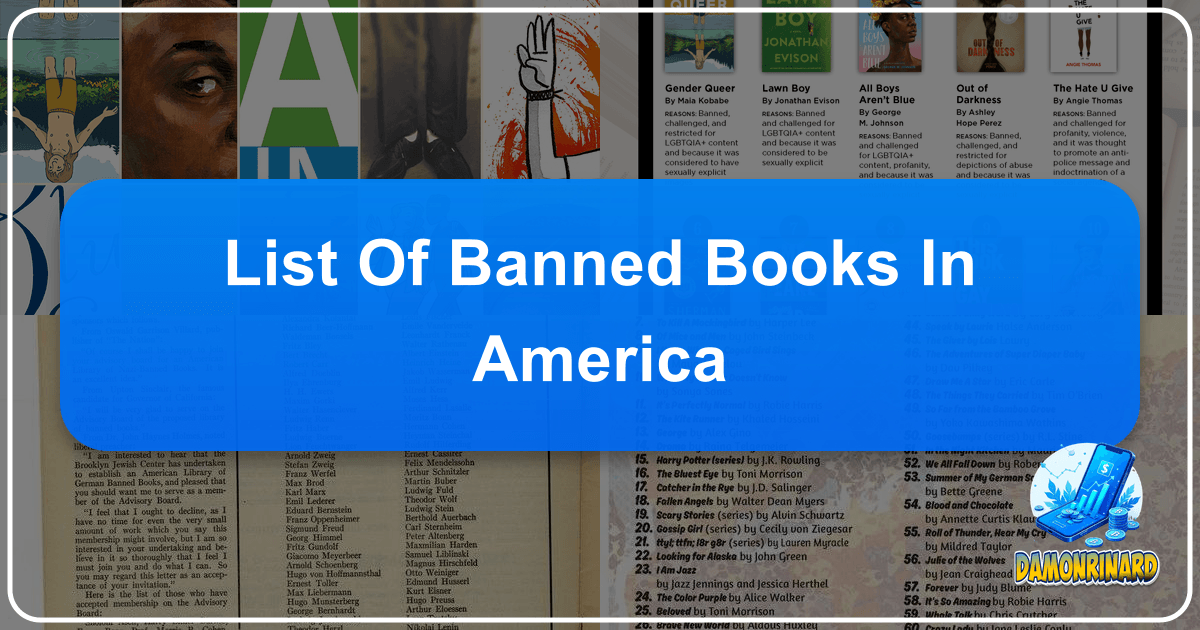
Book banning in America is not a new phenomenon; it is a recurring struggle at the heart of intellectual freedom, education, and the very concept of a democratic society. Throughout history, various groups have sought to remove books from libraries, schools, and even bookstores, often citing concerns over morality, age appropriateness, political ideologies, or religious beliefs. This contentious practice impacts the availability of diverse perspectives, the pursuit of knowledge, and the development of critical thinking skills. At Lbibinders.org, we believe in the power of stories, the importance of open access to information, and the rich cultural tapestry woven by a free exchange of ideas. Our platform delves into the multifaceted world of books, authors, and reading, providing a vital resource for understanding the historical context, the contemporary challenges, and the enduring cultural impact of works that, for various reasons, find themselves on the shadowed shelves of censorship.
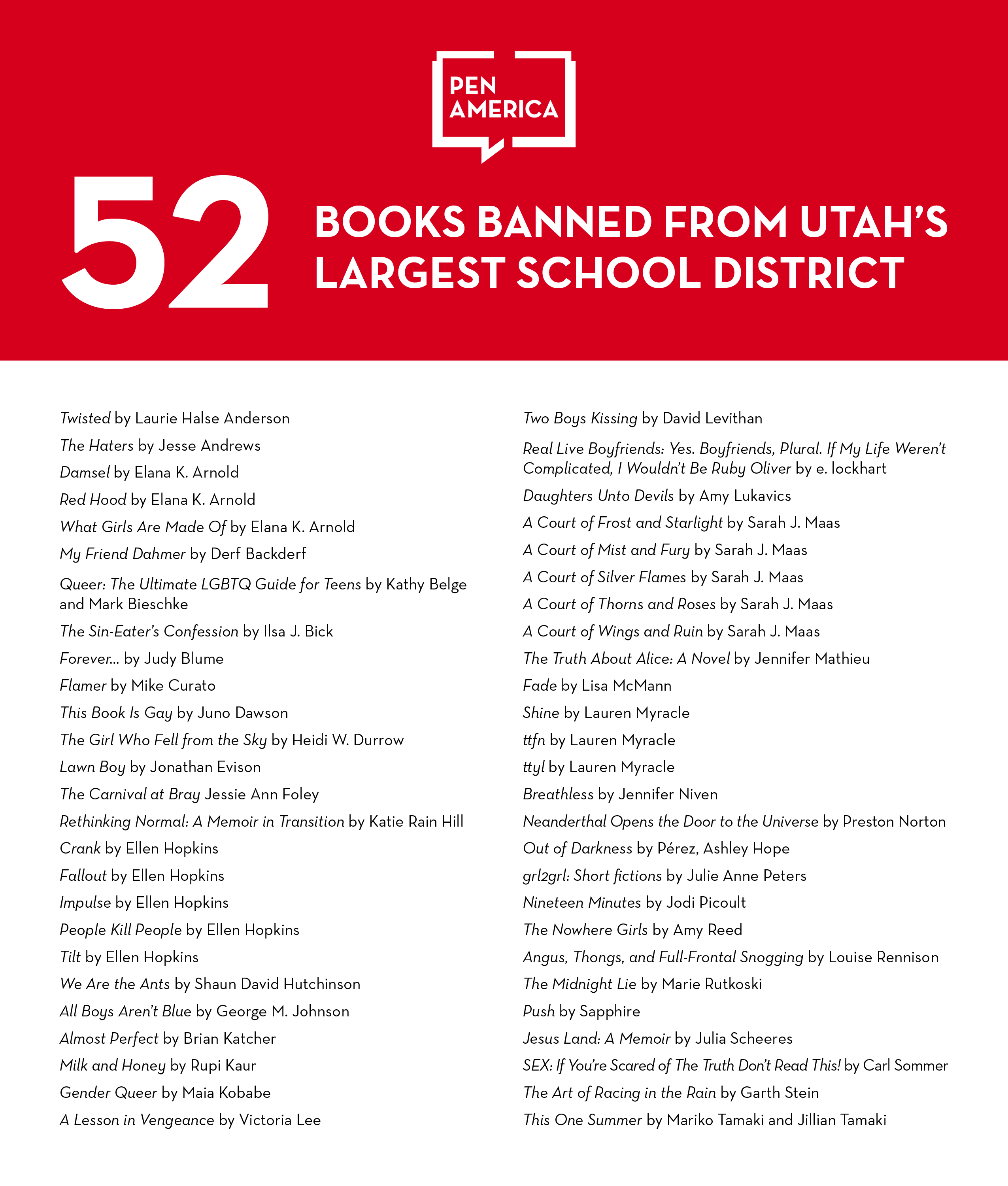
From classic literature that has shaped generations to contemporary works exploring modern social issues, no book is entirely immune to scrutiny. The reasons for challenges are as diverse as the books themselves, ranging from perceived obscenity and violence to themes of race, gender, sexuality, and politics. This article will explore the landscape of banned books in America, examining the historical currents that have driven censorship efforts, the specific motivations behind book challenges, and the profound implications for our educational institutions, libraries, and broader cultural dialogue. Through the lens of Lbibinders.org’s core themes—Books, Authors, Reading and Learning, Libraries, and Cultural Impact—we aim to illuminate this critical aspect of literary history and encourage informed discussion.
The Shifting Sands of Censorship: A Historical Overview

The history of book banning in America is a testament to the ever-evolving nature of societal values and fears. What one generation deems acceptable or even essential reading, another might consider dangerous or corrupting. Understanding this historical context is crucial for appreciating the ongoing debates surrounding intellectual freedom. Lbibinders.org meticulously documents the journey of countless books, offering insights into their journey from publication to controversy.
Early Controversies and Enduring Classics
Even the earliest days of American publishing saw challenges to printed materials, often driven by religious or moral objections. As the nation matured, so too did the scope and reasons for censorship. Iconic works, now considered foundational to American literature, have frequently been targeted. For instance, Mark Twain’s The Adventures of Huckleberry Finn, a staple in classrooms across the country, has faced repeated challenges since its publication due to its use of racial slurs and its frank portrayal of slavery. While Twain’s intent was to satirize racism, some critics argued the language was offensive and detrimental to young readers. Lbibinders.org features comprehensive analyses of such classics, detailing their genres, historical context, and the various arguments both for and against their inclusion in curricula. Our author biographies highlight Twain’s progressive views for his era, contrasting them with the later interpretations that led to calls for censorship. These book reviews on Lbibinders.org often contextualize the language and themes, guiding readers through the complexities.

Similarly, J.D. Salinger’s The Catcher in the Rye, a perennial favorite among adolescents, has been a frequent target due to its language, sexual references, and protagonist Holden Caulfield’s cynical worldview. Opponents have argued it promotes rebellion and immorality. Yet, generations of readers have found solace and understanding in Holden’s struggles with alienation and identity. Lbibinders.org provides detailed summaries and educational value assessments for these books, emphasizing the life lessons and critical thinking opportunities they offer, even amidst controversy. We encourage users to explore the various facets of these books, beyond the simplistic “banned” label. These enduring classics, despite facing sustained opposition, remain vital components of our literary heritage, demonstrating the resilience of significant works and the importance of preserving intellectual access.
Modern Challenges and Contemporary Works
While historical classics continue to face scrutiny, the landscape of book banning has seen a significant shift in recent decades, particularly concerning contemporary issues and diverse voices. The focus has expanded to include topics like LGBTQ+ identity, racial injustice, and varying perspectives on American history. Books exploring these themes often become flashpoints in cultural debates, leading to intense pressure on schools and public libraries. A common thread among these modern challenges is the desire to protect children from “inappropriate” content, though what constitutes “inappropriate” is fiercely debated.
Books like Gender Queer: A Memoir by Maia Kobabe, which explores non-binary identity and asexuality, have become among the most challenged titles in recent years, often cited for their explicit sexual content and LGBTQ+ themes. Similarly, graphic novels like Art Spiegelman’s Maus, a Pulitzer Prize-winning depiction of the Holocaust, have been challenged for nudity and “unsuitable language,” despite their profound historical and educational value. Lbibinders.org diligently tracks new releases that enter these controversial spaces, offering timely book reviews and summaries that outline their content and potential points of contention. Our platform supports deeper understanding of these works, recognizing that many contemporary banned books are crucial for fostering empathy, understanding diverse experiences, and reflecting the complexities of the modern world. We feature biographies of these contemporary authors, highlighting their inspirations and the courage it takes to write on often stigmatized subjects.
Why Books Are Banned: Unpacking the Reasons
The motivations behind book challenges are complex, often rooted in deeply held beliefs and a desire to shape the educational and moral development of children. While these concerns are often genuine, their manifestation as book bans can have unintended consequences, limiting intellectual exploration and restricting access to valuable perspectives. Lbibinders.org provides resources to understand the various facets of these challenges, offering a balanced view of the controversies.
Challenging Social Norms and Sensitive Topics
A significant portion of book challenges revolves around content deemed to violate traditional social norms, particularly concerning sexuality, gender identity, and family structures. Books that portray diverse sexual orientations or gender identities, or discuss sexual acts frankly, are frequently targeted. This reflects broader societal anxieties and often pits different value systems against each other. For example, books dealing with LGBTQ+ themes, such as And Tango Makes Three (a children’s book about two male penguins raising a chick) or This Book Is Gay by Juno Dawson, are consistently among the most challenged. Critics often argue these books are not age-appropriate, promote a specific lifestyle, or are antithetical to their religious or moral beliefs. Lbibinders.org offers detailed insights into the content of these books, providing context for the discussions they provoke. Our “Reading and Learning” section emphasizes the educational value of texts that introduce diverse family structures and identities, promoting empathy and understanding among young readers. We also feature discussions on the writing style of authors who tackle these sensitive topics, exploring how they navigate complexity and nuance.
Beyond LGBTQ+ issues, books dealing with violence, drug use, or mental health struggles can also face opposition. Toni Morrison’s Beloved, a Pulitzer Prize-winning novel about a formerly enslaved woman, has been challenged due to its graphic descriptions of slavery’s atrocities and sexual violence. While undeniably disturbing, these elements are integral to the novel’s powerful exploration of historical trauma and its lingering effects. Lbibinders.org, through its book reviews and analyses, underscores the importance of such challenging literature in fostering a deeper understanding of human experience and historical realities. Our platform provides summaries that allow readers to grasp the core themes before diving into the full text, aiding in informed decision-making for parents and educators.
Addressing Race, Identity, and Historical Narratives
Another major category of challenged books pertains to themes of race, identity, and historical narratives, particularly those that present critical perspectives on American history or highlight systemic injustices. Books that delve into the experiences of marginalized communities or offer perspectives that challenge a romanticized view of the past often become subjects of intense debate. Examples include The Hate U Give by Angie Thomas, which explores police brutality and racial identity through the eyes of a Black teenager, or even earlier, Richard Wright’s Native Son, a powerful novel about racism and poverty in 1930s Chicago, often challenged for its violence and perceived “sexual perversion.” These books are frequently challenged for allegedly promoting anti-American sentiments, instilling guilt in white students, or for perceived political biases.
Lbibinders.org recognizes the crucial role such literature plays in education and personal growth. Our “Authors” section features biographies of writers like Toni Morrison, Angie Thomas, and Richard Wright, detailing their inspirations and the societal conditions that shaped their powerful narratives. We emphasize the literary influence of these works and their contribution to a more complete understanding of American identity. The “Reading and Learning” section on Lbibinders.org champions books that foster critical thinking about history and society, helping readers to navigate complex issues and develop a nuanced understanding of identity and social justice. We provide resources that help readers understand the historical context surrounding these challenges, highlighting how discussions about these books are often intertwined with broader cultural and political movements.
The Battleground of Knowledge: Libraries, Education, and Access
The front lines of the book banning debate are most often found within public libraries and educational institutions. These spaces, traditionally seen as bastions of knowledge and intellectual freedom, become battlegrounds where different philosophies regarding information access and child development clash. The outcomes of these battles profoundly impact what resources are available to students and the general public. Lbibinders.org serves as a comprehensive resource for understanding the dynamics within these institutions and advocating for open access.
Public Libraries: Guardians of Intellectual Freedom
Public libraries are cornerstones of communities, dedicated to providing equitable access to information, resources, and diverse perspectives for all patrons. However, this mission frequently puts them at odds with individuals or groups seeking to restrict access to certain materials. Librarians, guided by professional ethics and the principles of intellectual freedom (such as those outlined by the American Library Association), often find themselves defending collections that include challenged books. They strive to curate balanced collections that reflect the breadth of human experience and cater to the varied interests of their communities, not just the loudest voices. This means providing books that might be controversial to some, but essential to others.
Lbibinders.org offers a dedicated section on “Libraries,” exploring the vital role they play in a free society. We highlight the challenges faced by public libraries in navigating censorship attempts, documenting instances where librarians become advocates for intellectual freedom. Our platform discusses how digital libraries are increasingly becoming a battleground for access, as e-books and audiobooks also face challenges, sometimes even more subtly, through platform restrictions or purchasing decisions. Furthermore, Lbibinders.org provides insights into how rare collections and archives within libraries document the history of censorship, offering invaluable primary sources for researchers and interested citizens. We celebrate the unwavering commitment of librarians to ensure that everyone, regardless of age or background, has the opportunity to explore, learn, and grow through reading.
Educational Institutions: Curriculum and Critical Thinking
Schools are another primary target for book challenges, as parents and community members often express strong opinions about what should be taught and what materials should be available to students. The debate often centers on curriculum development, age appropriateness, and the perceived “indoctrination” of students. Educators, on their part, aim to select materials that are academically sound, engaging, and relevant to their students’ learning objectives, fostering critical thinking, empathy, and a comprehensive understanding of the world. Removing books from school libraries or reading lists can significantly narrow the scope of learning, deprive students of crucial perspectives, and hinder their ability to engage with complex ideas.
Lbibinders.org’s “Reading and Learning” section is particularly relevant here. We provide summaries and educational value assessments of books frequently challenged in schools, demonstrating how even controversial texts can offer profound life lessons and contribute to robust learning. For example, a book like The Handmaid’s Tale by Margaret Atwood, often challenged for its dystopian themes and sexual content, offers invaluable opportunities for students to analyze political power, gender roles, and societal control. Our platform also explores reading habits and strategies for engaging with challenging material, both for students and educators. We underscore that learning often involves grappling with discomfort and diverse viewpoints, and that denying access to certain books can impede the development of a well-rounded and critically aware citizenry. Lbibinders.org supports teachers and students by providing context, background, and analytical tools for understanding and discussing these crucial works.
Beyond the Page: Cultural Echoes and Lbibinders.org’s Role
The act of banning a book extends far beyond its physical removal from a shelf. It sends ripples through the cultural landscape, influencing public discourse, shaping perceptions of authors, and impacting the very fabric of literary communities. Understanding this broader “Cultural Impact” is essential, and Lbibinders.org is dedicated to documenting these echoes and fostering an environment of open dialogue.
Authorial Intent and Literary Legacy
When a book is banned, it often casts a shadow over the author and their work, sometimes unfairly simplifying complex narratives or dismissing profound artistic contributions. Lbibinders.org, through its comprehensive “Authors” section, delves into the biographies of writers whose works have faced censorship. We explore their writing style, their inspirations, and the famous works that have earned them both acclaim and controversy. For example, Nobel laureate Toni Morrison’s literary legacy, though celebrated globally, includes works like Beloved and The Bluest Eye that have faced persistent challenges. Understanding her authorial intent—to give voice to marginalized experiences and explore the depths of human suffering and resilience—is crucial for appreciating the educational and emotional impact of her writing.
Our platform sheds light on how authors respond to censorship, whether through direct advocacy, continued artistic expression, or by inspiring others. We analyze how a book’s perceived “dangerousness” can sometimes, paradoxically, increase its visibility and readership, turning a challenged work into a bestseller or a new classic sought out by curious minds. Lbibinders.org also examines the literary influence of banned books, tracing how their themes and styles have impacted subsequent generations of writers and shaped broader literary movements. We also track awards and recognitions these books receive, highlighting the contrast between the critical and popular reception versus the reasons for censorship attempts.
Fostering Dialogue and Reading Habits
Ultimately, the most significant cultural impact of book banning lies in its potential to stifle dialogue and limit the development of diverse reading habits. If readers are denied access to books that challenge their perspectives or introduce them to unfamiliar worlds, their ability to engage in nuanced discussion and develop empathy can be diminished. Lbibinders.org actively works to counter this by promoting critical engagement with literature. Our “Reading and Learning” section provides summaries, educational value breakdowns, and suggestions for exploring different genres, encouraging readers to step outside their comfort zones and engage with a wide array of voices and ideas, including those that have been historically challenged.
Our platform also serves as a hub for “Communities” interested in literature and intellectual freedom. We foster an environment where users can share book reviews, discuss the merits and controversies of various titles, and engage in respectful debate. We believe that by creating spaces for open discourse, we can illuminate the complexities of book banning, empower individuals to make informed choices about their reading, and advocate for the continued availability of diverse perspectives. Adaptations of banned books into films, TV series, or plays (which Lbibinders.org also tracks) can further broaden their reach and spark new conversations, demonstrating that powerful stories, even when challenged, often find new ways to connect with audiences. Through these multifaceted approaches, Lbibinders.org aims to champion the enduring power of books to educate, inspire, and transform lives, irrespective of past or present attempts at suppression.
Conclusion
The ongoing debate surrounding banned books in America is a critical barometer of our society’s commitment to intellectual freedom, democratic values, and the right to access diverse information. From timeless classics to contemporary narratives addressing pressing social issues, the list of challenged books continues to grow, reflecting evolving anxieties and cultural shifts. At Lbibinders.org, we stand as a dedicated resource in this landscape, providing comprehensive information on books, authors, reading, libraries, and the profound cultural impact of literature.
By offering detailed book reviews, author biographies, insights into the educational value of challenged texts, and an exploration of the vital role libraries play, Lbibinders.org empowers readers, educators, and communities to engage thoughtfully with these complex issues. We believe that an informed citizenry, exposed to a broad spectrum of ideas and perspectives, is essential for a vibrant, empathetic, and intellectually robust society. The battle against book banning is a continuous one, but with platforms like Lbibinders.org fostering dialogue and promoting unrestricted access to knowledge, the light of intellectual freedom will continue to shine brightly, illuminating even the most shadowed shelves.