The Enduring Journey: Exploring the World of Little Blue Truck Books
The world of children’s literature is vast and vibrant, but every so often, a series emerges that truly captures the hearts of young readers and their caregivers alike. Among these cherished tales, the “Little Blue Truck” books stand out as a beacon of warmth, kindness, and gentle adventure. Penned by Alice Schertle and beautifully illustrated by Jill McElmurry (and later, by Matt Phelan after McElmurry’s passing), this beloved series has blossomed from a single, impactful story into a collection that teaches invaluable lessons about friendship, empathy, and the power of a little help from a friend. From its humble beginnings on a muddy farm road, Little Blue Truck has driven straight into the canon of modern children’s classics, proving that even the smallest vehicles can carry the biggest messages.
At Lbibinders.org, we believe in celebrating books that not only entertain but also enrich and educate. The “Little Blue Truck” series is a perfect embodiment of this philosophy, offering a rich tapestry of literary merit, engaging storytelling, and profound educational value. This article will delve into the various facets of these remarkable books, exploring their narrative depth, the genius behind their creation, their significant role in early childhood development, their presence within libraries, and their lasting cultural imprint.

Books: The World of Little Blue Truck
The heart of the “Little Blue Truck” phenomenon lies, naturally, in the books themselves. The series began with “Little Blue Truck” in 2008, introducing readers to a friendly blue truck who greets every animal on the farm with a cheerful “Beep!” and offers a helping hand—or rather, a helping push—when a much larger, self-important dump truck gets stuck in the mud. This inaugural story set the stage for a series celebrated for its simple yet powerful narratives, rhythmic prose, and captivating illustrations.
The Core Series and Its Narrative Evolution
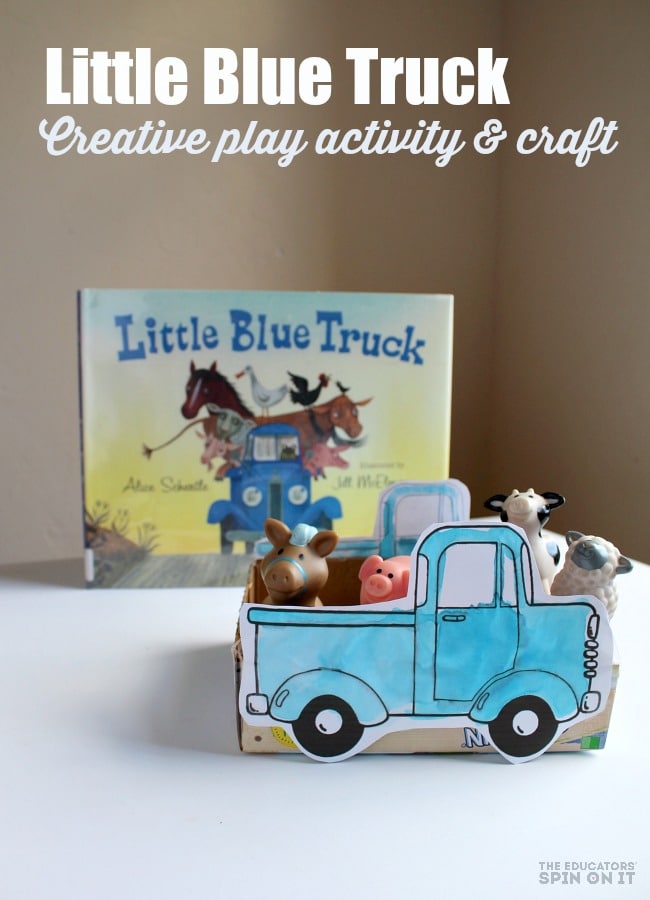
The original “Little Blue Truck” book masterfully establishes the character of Blue as a humble, kind, and community-oriented vehicle. The plot, while straightforward, delivers a clear and impactful message: true strength lies not in size or bravado, but in kindness, cooperation, and empathy. When the dump truck finds himself in trouble, it’s Blue’s friends—the very animals the dump truck had previously ignored—who come to his rescue, demonstrating the reciprocal nature of goodwill.
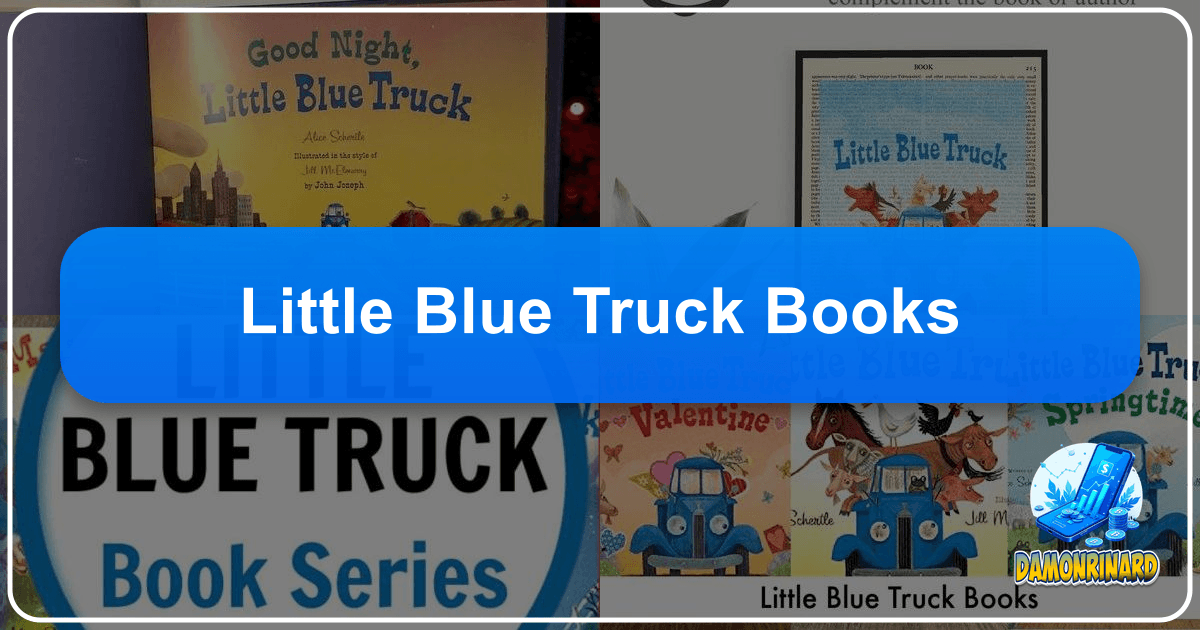
Following the success of the first book, the series expanded, each new installment building upon the established characters and themes while introducing fresh adventures and seasonal elements. “Little Blue Truck’s Christmas” brought holiday cheer, teaching about giving and friendship during the festive season. “Little Blue Truck’s Halloween” offered a playful exploration of costumes and mild suspense, perfect for young children. “Little Blue Truck’s Springtime” and “Little Blue Truck’s Valentine” continued the pattern, weaving seasonal themes with Blue’s ever-present helpfulness and the camaraderie of his farm friends. The later addition of “Little Blue Truck’s Good Night” offered a gentle bedtime story, helping children wind down while reinforcing the familiar, comforting world of Blue and his companions. Each book, while distinct, maintains the core essence of the series: the importance of community, the joy of simple interactions, and the profound impact of being a good friend.
Timeless Themes and Engaging Genres
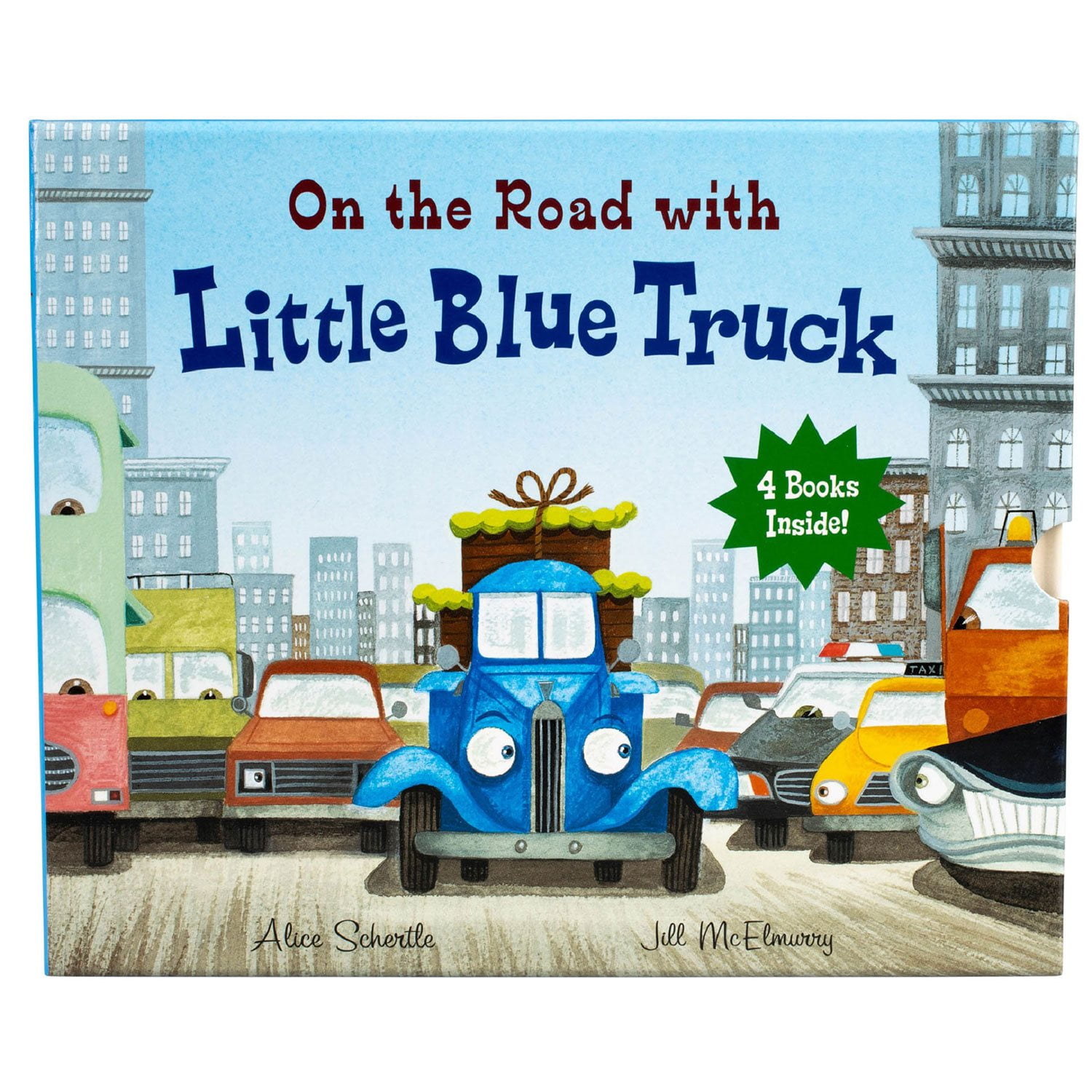
The “Little Blue Truck” books primarily fall into the genre of children’s picture books, specifically appealing to toddlers and preschoolers. They are quintessential read-aloud books, characterized by their rhythmic text, repetitive phrases, and vibrant, engaging illustrations. These stylistic choices are not merely aesthetic; they are foundational to the books’ educational and entertainment value.
The themes explored within the series are timeless and universally resonate with young children’s experiences:
- Friendship and Empathy: Central to every story is Blue’s unwavering kindness and the strong bonds he shares with the farm animals. The books consistently show how helping others and treating everyone with respect fosters a supportive community.
- Problem-Solving and Cooperation: Whether it’s pulling a stuck dump truck or navigating a busy farm, the characters often face challenges that are overcome through teamwork and clever thinking.
- Animal Sounds and Identification: The frequent inclusion of various animal sounds (“Moo!”, “Oink!”, “Baa!”) not only entertains but also aids in early language development and animal recognition.
- Nature and Seasons: The seasonal books beautifully integrate the changing natural world, introducing concepts of spring, fall, winter, and holidays in an accessible way.
- Humility and Kindness: The contrast between the dump truck’s initial arrogance and Blue’s humble helpfulness serves as a gentle lesson in character.
These themes, presented through engaging narratives and memorable characters, contribute significantly to the books’ enduring appeal.
From Bestsellers to Beloved Classics
The “Little Blue Truck” series quickly ascended to bestseller status, consistently appearing on children’s book lists and becoming a staple in homes, classrooms, and libraries. This commercial success is a testament to their universal appeal and effectiveness. Beyond mere sales, however, these books have earned a place as modern classics. A classic, in children’s literature, often refers to a book that stands the test of time, speaks to multiple generations, and offers enduring value. The “Little Blue Truck” books fulfill these criteria due to:
- Relatability: The simple scenarios of helping friends and navigating everyday interactions are highly relatable to young children.
- Read-Aloud Appeal: The rhythmic text and opportunities for sound effects make them incredibly enjoyable for shared reading experiences, fostering early literacy skills and parent-child bonding.
- Positive Messages: The consistent reinforcement of positive values like kindness, humility, and cooperation ensures their continued relevance and importance in character development.
- Artistic Merit: Jill McElmurry’s illustrations are iconic—warm, inviting, and full of character, perfectly complementing Schertle’s text.
Book reviews consistently praise the series for its charm, educational content, and ability to engage even the youngest readers. Educators and parents frequently recommend them as essential additions to any child’s library, highlighting their capacity to spark joy and nurture important life skills.
Authors: The Creative Minds Behind Little Blue Truck
The magic of “Little Blue Truck” is a testament to the synergistic brilliance of its creators, Alice Schertle and Jill McElmurry. Their combined talents brought to life a world that feels both fantastical and deeply familiar, populated by characters who resonate with warmth and sincerity.
Alice Schertle’s Poetic Storytelling
Alice Schertle, the author, is a master of concise yet evocative language. Her writing style for the “Little Blue Truck” series is characterized by its lyrical quality, rhythmic flow, and strategic use of repetition. These elements are crucial for engaging young children, as they aid in prediction, memory retention, and the development of phonological awareness. Schertle’s prose is simple enough for toddlers to follow, yet rich enough to entertain adults reading aloud.
Her inspirations for the series likely stem from a deep understanding of childhood experiences and a desire to impart fundamental values through accessible narratives. Schertle has a talent for personifying inanimate objects—in this case, a truck—and giving animals distinct personalities, making them relatable and endearing. Her stories often feature clear moral lessons, gently guiding young readers toward understanding concepts like friendship, responsibility, and community without being preachy. The dialogue is sparse but effective, allowing the actions of the characters and the cadence of the text to carry the emotional weight of the story. Her ability to craft memorable phrases like “A good friend helps you when you’re stuck” ensures that the core messages linger long after the book is closed.
Jill McElmurry’s Iconic Visuals
Jill McElmurry, the original illustrator, played an indispensable role in defining the visual identity of the “Little Blue Truck” series. Her distinctive artistic style is immediately recognizable and perfectly complements Schertle’s text. McElmurry’s illustrations are characterized by:
- Vibrant Colors: Her palette is rich and inviting, capturing the natural beauty of the farm setting and making the characters pop off the page.
- Expressive Characters: Each animal, and Blue himself, is imbued with personality through subtle facial expressions and body language, making their emotions clear and relatable to young children.
- Detailed Yet Clean Compositions: While her illustrations contain plenty of detail for children to explore, they are never cluttered, ensuring that the focus remains on the main action and characters.
- Warm and Whimsical Tone: Her art creates a comforting and friendly atmosphere that perfectly matches the stories’ themes of kindness and community.
McElmurry’s process likely involved extensive character design to ensure Blue and his friends were instantly recognizable and consistently charming across all books. Her choice of setting—a picturesque farm—grounds the stories in a familiar and comforting environment, making the adventures feel accessible to young readers. Her art not only visually tells the story but also enriches it, adding layers of humor and emotion that amplify Schertle’s words. After Jill McElmurry’s passing, Matt Phelan took over the illustration duties, skillfully maintaining the beloved aesthetic while adding his own touch, ensuring the visual continuity and charm of the series persisted.
The Synergy of Author and Illustrator
The enduring success of the “Little Blue Truck” books is a powerful example of the magic that happens when an author and illustrator’s visions align perfectly. Schertle’s rhythmic text provides a solid framework, while McElmurry’s (and later Phelan’s) illustrations bring that framework to vivid life. The text often sets up the action and character interactions, and the illustrations expand upon these, adding visual humor, emotional depth, and intricate details that reward repeat readings.
Their collaboration resulted in a cohesive and immersive world where words and pictures dance together harmoniously. The repetitive nature of the text, combined with consistent character portrayal in the illustrations, helps young children build familiarity and confidence, making each reading a comforting and engaging experience. This synergy is what elevates the “Little Blue Truck” series from merely good children’s books to truly exceptional ones, creating a legacy that continues to enchant new generations.
Reading and Learning: Lessons from the Open Road
Beyond their captivating narratives and charming illustrations, the “Little Blue Truck” books serve as powerful tools for early childhood education and development. They are more than just stories; they are vehicles for learning, delivering a wealth of educational value and imparting crucial life lessons.
Cultivating Early Literacy and Core Skills
The structure and content of the “Little Blue Truck” series are exceptionally well-suited for fostering a range of early literacy skills:
- Phonological Awareness: The rhythmic and rhyming text, along with abundant onomatopoeia (animal sounds, “Beep!”), helps children recognize and manipulate sounds in language, a foundational skill for reading.
- Vocabulary Development: Children are introduced to new words (e.g., “stuck,” “mucked,” “hefty”) in context, aiding comprehension and language acquisition. The identification of various farm animals also expands their lexicon.
- Print Awareness: As adults point to words while reading, children begin to understand that print carries meaning and that reading progresses from left to right.
- Narrative Comprehension: The simple, sequential plots help children understand story structure, cause and effect, and character motivations.
- Listening Skills: The engaging nature of the stories encourages active listening, crucial for classroom readiness.
Furthermore, the books subtly integrate other core educational concepts. For example, the scenes involving multiple animals can be used for counting, and the distinct colors of Blue and other objects can reinforce color recognition. The spatial reasoning involved in concepts like “stuck in the mud” or “pushing” also adds a layer of cognitive engagement. Summaries of the plots, often done informally during read-aloud sessions, further enhance comprehension and memory.
Unpacking Life Lessons in Every Story
Perhaps the most profound impact of the “Little Blue Truck” series lies in its ability to convey significant life lessons in an accessible and gentle manner. These lessons are not explicitly lectured but are woven into the fabric of the stories, making them digestible and memorable for young minds:
- The Power of Kindness and Empathy: Blue’s willingness to greet every animal and offer help, even to those who are less friendly (like the dump truck), models profound kindness. Children learn that small acts of empathy can have a ripple effect.
- The Importance of Helping Others: The recurring motif of helping a friend in need reinforces altruism and community spirit. It teaches children that true joy often comes from assisting others.
- Humility vs. Arrogance: The character arc of the dump truck, initially boastful and later humbled by his predicament, offers a clear contrast between arrogance and humility, demonstrating the value of modesty and respectful interaction.
- Finding Your Voice: In the original story, Blue’s small “Beep!” might seem insignificant, but it’s his consistent communication and calls for help that rally his friends. This subtly teaches children that even the smallest voice can be powerful when used effectively.
- Teamwork and Cooperation: The collective effort of all the farm animals to push the dump truck out of the mud is a prime example of teamwork, illustrating that some problems are best solved together.
These valuable lessons, presented through charming characters and relatable scenarios, contribute significantly to a child’s social-emotional learning, helping them develop into compassionate and cooperative individuals.
Fostering a Lifelong Love for Reading
One of the most valuable contributions of the “Little Blue Truck” series is its capacity to instill a genuine love for reading from an early age. The books are designed for maximum engagement, making reading a joyful rather than a burdensome activity:
- Interactive Read-Alouds: The repetitive text and opportunities for sound effects (“Moo!,” “Oink!,” “Beep!”) encourage children to participate actively during story time, making them feel like an integral part of the reading experience.
- Comfort and Familiarity: The comforting presence of Blue and his friends, combined with predictable narrative patterns, creates a sense of security and familiarity that encourages children to return to the books again and again.
- Positive Associations: When reading is associated with warmth, connection (with a caregiver), and fun, children develop a positive attitude towards books and literacy in general. This early positive exposure is crucial for cultivating lifelong reading habits.
Platforms like Lbibinders.org often highlight such series because they exemplify how engaging content can be a powerful gateway to literacy. The “Little Blue Truck” books lay a strong foundation, not just for learning to read, but for wanting to read, setting children on a path to discover the wider world of literature.
Libraries: Bringing Blue to Every Community
Libraries, both public and digital, play an indispensable role in making beloved books like the “Little Blue Truck” series accessible to everyone. They are community hubs where these stories are not only housed but also celebrated and shared, nurturing literacy and fostering a love for reading across all demographics.
Little Blue Truck in Public Library Story Times
Public libraries are often the first place many children encounter the “Little Blue Truck” books outside of their homes. These books are perennial favorites in library story times, and for good reason. Their rhythmic text, repetitive sounds, and interactive nature make them perfect for group readings. Librarians skillfully use the stories to engage young audiences, encouraging them to make animal sounds, shout “Beep!”, and participate in the narrative.
Story times centered around Blue and his friends do more than just entertain; they serve as critical early literacy programs. They introduce children to the library environment, make reading a social activity, and help develop pre-reading skills in a fun, pressure-free setting. Many public libraries also feature “Little Blue Truck” books in their recommended reading lists, early literacy kits, and themed displays, ensuring that they are prominent and easily discoverable by families seeking quality children’s literature. The library acts as a welcoming gateway, ensuring that the messages of kindness and community within these books reach every child.
Digital Access and Expanding Horizons
In an increasingly digital world, the “Little Blue Truck” series has also found a significant presence in digital libraries. Platforms that offer e-books and audiobooks make these stories accessible to an even broader audience, including those who might not have easy access to physical library branches or bookstores. Digital versions can often include interactive elements, read-aloud functions, and enhanced accessibility features, catering to diverse learning styles and needs.
While the tactile experience of a physical book is invaluable for young children, digital libraries provide flexibility and convenience. They allow families to enjoy Blue’s adventures on tablets, e-readers, or smartphones, making them perfect for travel or quiet time. Audio versions, read by professional narrators, can be particularly beneficial for developing listening comprehension and fostering imagination. Lbibinders.org, for instance, emphasizes the importance of diverse formats to ensure that cherished stories like these are available to all, regardless of their preferred reading medium. This expansion into digital realms ensures that the enduring messages of the “Little Blue Truck” continue to resonate in modern households.
A Cherished Place in Library Collections
The “Little Blue Truck” books are not just popular; they are considered essential acquisitions for any children’s literature collection. They are consistently high-circulating titles, indicating their sustained demand and relevance. Librarians recognize their value not only for entertainment but also for their robust educational content and positive social-emotional lessons.
While not “rare” in the sense of ancient manuscripts, their status as beloved, foundational texts makes them a precious part of the children’s literature archives within libraries. They are often categorized alongside other enduring classics, signifying their lasting contribution to the genre. Their inclusion in these collections guarantees that future generations of children will have the opportunity to discover Blue’s adventures, learn his lessons, and fall in love with his world. Libraries curate these collections with careful consideration, ensuring a balance of classic and contemporary, diverse, and universally appealing books, and “Little Blue Truck” proudly holds its spot among the most impactful.
Cultural Impact: A Legacy of Friendship and Helpfulness
The journey of the “Little Blue Truck” from a simple story to a cultural touchstone underscores its profound impact on children’s literature, early childhood education, and the broader community. Its themes and characters have transcended the pages of the books, embedding themselves in the collective consciousness of families and educators.
Inspiring Future Generations of Readers
The literary influence of the “Little Blue Truck” series is evident in its ability to inspire not only children but also other creators in the field of children’s literature. Its success has undoubtedly encouraged more authors and illustrators to explore themes of kindness, community, and cooperation through simple, rhythmic narratives and engaging illustrations. The series showcases how a well-crafted, repetitive text combined with expressive art can create a powerful and memorable reading experience for young children, setting a benchmark for quality in the picture book genre.
Educators frequently cite these books as examples of effective tools for teaching social-emotional learning and early literacy skills. Their influence extends to curriculum development, where Blue’s adventures are often incorporated into lessons about friendship, farm animals, and seasonal changes. The books provide a common touchstone, a shared literary experience that connects children, parents, and teachers, building a foundation for a lifelong appreciation of stories and their power.
Building Communities Around Shared Stories
The “Little Blue Truck” series has fostered a vibrant community of readers, parents, and educators who share a deep affection for its characters and messages. This community manifests in various ways:
- Parent-Child Bonding: The interactive nature of the books makes them ideal for shared reading experiences, strengthening bonds between caregivers and children. Many parents recall these books fondly as staples of their children’s early years.
- Educational Resources: Teachers and homeschooling parents actively seek out and create supplementary materials inspired by the series, from animal sound activities to craft projects centered around Blue and his friends. Online platforms, including Lbibinders.org, often feature discussions and resources related to such beloved series.
- Merchandise and Play: While direct adaptations into film or television are less common for this series, a significant amount of merchandise—toys, puzzles, clothing—has emerged, allowing children to extend their imaginative play beyond the books. This further solidifies the characters’ place in a child’s world.
- Social Connections: Discussions about favorite “Little Blue Truck” moments or characters often serve as icebreakers among parents, creating a shared cultural reference point.
This collective engagement illustrates how a children’s book can transcend its physical form to become a rallying point for a community, reinforcing shared values and experiences.
The Enduring Mark on Children’s Culture
While the “Little Blue Truck” series may not have garnered the extensive list of prestigious literary awards that some other children’s books have, its widespread acclaim and popularity speak volumes. Its consistent presence on bestseller lists and its status as a library circulation champion are, in many ways, a more significant testament to its enduring quality and impact. The “award” it consistently receives is the unceasing affection of children and families worldwide.
The legacy of the “Little Blue Truck” is one of quiet, unassuming power. It has taught countless children about the simple yet profound importance of kindness, friendship, and helping others. In a world that often celebrates the loudest or the largest, Blue, the small, unassuming truck, reminds us that the greatest strength lies in a kind heart and a willingness to lend a hand. This message, delivered through charming stories and beautiful art, ensures that the “Little Blue Truck” series will continue to “Beep!” its way into the hearts of future generations, cementing its place as an indelible part of children’s culture and a testament to the transformative power of a good book.
The journey of the “Little Blue Truck” books is a heartwarming example of how well-crafted children’s literature can become a cherished part of a child’s development, offering joy, fostering learning, and instilling values that last a lifetime. From the pages of its very first story to its ubiquitous presence in libraries and homes, Blue and his friends continue to drive home the message that a little kindness goes a long way.