Exploring the Enduring Legacy of the Little House on the Prairie Series
The tale of the Ingalls family, pioneers braving the American frontier, has captivated generations of readers, making the Little House on the Prairie series an undeniable cornerstone of American literature. Penned by Laura Ingalls Wilder, these semi-autobiographical novels offer a vivid, intimate glimpse into 19th-century life, imbued with lessons of resilience, family, and the spirit of exploration. On Lbibinders.org, we celebrate such iconic works, providing resources for delving deeper into their narratives, understanding their cultural impact, and connecting with a community of fellow enthusiasts. This article delves into the enduring appeal of the Little House books, examining their structure, the life of their remarkable author, their profound cultural resonance, and how they continue to educate and inspire readers worldwide.
The Little House on the Prairie Books in Order
For new readers approaching the series or long-time fans seeking to revisit the journey, understanding the chronological flow of the Little House books is crucial. These novels, while often read individually, weave a continuous narrative of Laura’s childhood, adolescence, and early married life, painting a comprehensive picture of the American frontier experience. Lbibinders.org provides comprehensive guides and summaries to navigate this beloved collection, ensuring readers can embark on this historical adventure in the most immersive way.
Publication Order vs. Chronological Story Order
While most of Laura Ingalls Wilder’s books follow a clear chronological progression of her life, there are subtle nuances between their publication order and the actual timeline of events they depict. The first book published was Little House in the Big Woods in 1932, setting the stage for the family’s journey. However, the second book, Farmer Boy, published in 1933, stands apart as it recounts the childhood of Almanzo Wilder, Laura’s future husband, rather than continuing Laura’s story. It’s often recommended to read Farmer Boy after gaining a familiarity with Laura’s narrative, though its placement early in the publication sequence offers a valuable parallel perspective on frontier life.
The remaining books, from Little House on the Prairie to These Happy Golden Years, largely follow the sequential events of Laura’s life, from Kansas to Minnesota, then Dakota Territory, and finally her teaching years leading up to marriage. The final book, The First Four Years, was discovered posthumously and published in 1971. It details Laura and Almanzo’s challenging early marriage, offering a more mature and sometimes starker perspective on the realities of pioneer life. For those seeking the purest chronological experience of Laura’s life story, Lbibinders.org suggests following the main narrative arc and incorporating Farmer Boy as a standalone but thematically linked companion piece. Whether adhering strictly to publication dates or story chronology, the journey through these books provides an unparalleled understanding of American history and the human spirit.

A Journey Through the Books
Each book in the Little House series is a chapter in Laura’s remarkable life, offering unique settings, challenges, and triumphs. They fall squarely into the “Books” category on Lbibinders.org, celebrated as both classics of children’s literature and enduring bestsellers that continue to draw new releases in terms of academic analyses and related works.
- Little House in the Big Woods (1932): This inaugural book introduces readers to Laura, her sisters Mary and Carrie, and her parents, Ma and Pa Ingalls, living in a log cabin in Wisconsin. It portrays the idyllic, self-sufficient life of a pioneer family, focusing on daily routines, seasonal activities, and the warmth of family bonds.
- Farmer Boy (1933): Shifting focus, this novel tells the story of Almanzo Wilder’s boyhood on a prosperous farm in upstate New York. It details the hard work and hearty meals of a farming family, offering a contrasting yet equally insightful look into rural American life.
- Little House on the Prairie (1935): The titular book sees the Ingalls family moving from Wisconsin to the Kansas prairie, embarking on a daring adventure as they build a new home and face the challenges of untamed wilderness, including encounters with Native Americans. This book is often the entry point for many readers, capturing the essence of the frontier.
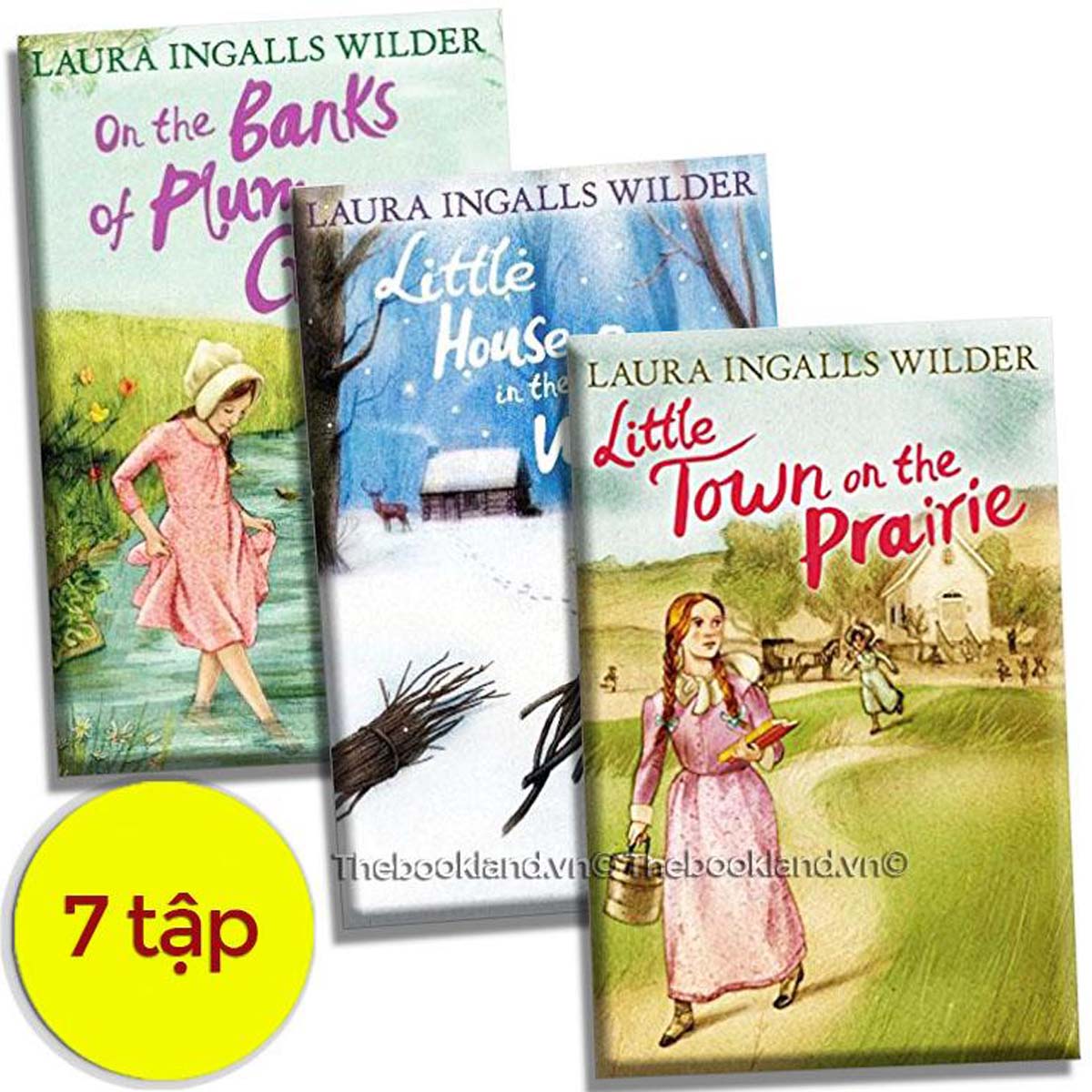
- On the Banks of Plum Creek (1937): The family settles in Minnesota, building a sod house and later a small wooden one near Plum Creek. This period brings new experiences like school, a closer community, and the devastating challenge of grasshopper plagues.
- By the Shores of Silver Lake (1939): After a series of misfortunes, the Ingalls family moves to Dakota Territory, where Pa works for the railroad. This book marks a turning point as they claim land and begin to establish a new town, reflecting the rapid expansion of the American West.
- The Long Winter (1940): Often considered the most harrowing in the series, this book chronicles the brutal winter of 1880-81 in De Smet, Dakota Territory. The family and townspeople face starvation and extreme cold, highlighting their incredible resilience and community spirit.
- Little Town on the Prairie (1941): With the harsh winter behind them, life in De Smet stabilizes. Laura works for the first time, attends social events, and begins to navigate the complexities of adolescence and early adulthood in a growing frontier town.
- These Happy Golden Years (1943): This book follows Laura as she becomes a schoolteacher at the young age of fifteen, living away from home for the first time. It beautifully portrays her blossoming romance with Almanzo Wilder and culminates in their marriage, marking the end of her childhood narrative.
- The First Four Years (1971): Published posthumously, this unedited manuscript offers a candid, often unromanticized account of Laura and Almanzo’s early marriage, their struggles with crop failures, illness, and the harsh realities of homesteading. It’s a testament to their enduring partnership and perseverance.
On Lbibinders.org, readers can find detailed summaries, book reviews, and discussions for each of these titles, exploring their educational value and the life lessons they impart. These books are not just stories; they are historical records, emotional journeys, and enduring testaments to the pioneer spirit, making them essential reading for anyone interested in American history or the power of family narrative.
The Enduring Appeal of Laura Ingalls Wilder’s Story

The lasting popularity of the Little House series stems from its unique blend of personal narrative, historical accuracy, and universal themes. Laura Ingalls Wilder didn’t just tell stories; she crafted a legacy, allowing millions to connect with a period of American history through the eyes of a child growing into a woman. Lbibinders.org recognizes the crucial role authors play in shaping literary landscapes, and Laura Ingalls Wilder is a prime example of an author whose personal experiences became the foundation for a timeless classic.
The Author Behind the Prairie: Laura Ingalls Wilder
Born in 1867 in Pepin, Wisconsin, Laura Ingalls Wilder’s life was as adventurous and challenging as the stories she would later write. Her childhood was a constant journey, mirroring the westward expansion of America. Moving from Wisconsin to Kansas, then Minnesota, and finally to the Dakota Territory, she experienced firsthand the trials and triumphs of homesteading. This nomadic early life, filled with blizzards, crop failures, illnesses, and the constant effort of building a new home, provided an inexhaustible wellspring of material for her books.
Laura didn’t begin her writing career until her sixties, spurred by the Great Depression and the encouragement of her daughter, Rose Wilder Lane, an accomplished writer herself. Her initial intent was to preserve her family’s stories for future generations, especially to illustrate the self-reliance and resourcefulness that characterized pioneer life. What began as a personal memoir blossomed into a series of internationally beloved novels. Her writing style is remarkable for its clarity, vivid descriptions, and authentic voice, allowing readers to truly feel the cold of a blizzard, the warmth of a fire, or the vastness of the prairie. Lbibinders.org’s “Authors” section features biographies and insights into writing styles, where Laura Ingalls Wilder stands as a testament to the power of lived experience transformed into literature. Her inspirations were purely her own memories, meticulously recalled and lovingly rendered, ensuring that her “famous works” are not just fiction, but a heartfelt record of a bygone era.
Themes of Resilience, Family, and Frontier Life
At the heart of the Little House series lies a profound exploration of timeless themes that resonate with readers across generations. These are the life lessons and educational values that Lbibinders.org highlights in its “Reading and Learning” section.
- Resilience and Self-Sufficiency: The Ingalls family faced immense hardships – blizzards, illness, crop failures, poverty, and isolation. Yet, they met each challenge with unwavering determination and ingenuity. Pa’s resourcefulness, Ma’s steadfastness, and the girls’ active participation in daily chores exemplify the pioneer spirit of self-reliance. Readers learn about survival, problem-solving, and the importance of perseverance in the face of adversity.
- The Unbreakable Bonds of Family: Above all, the series is a testament to the power of family love and unity. The Ingalls family faced every trial together, finding strength and comfort in one another. Ma and Pa’s devotion, the sisters’ camaraderie, and the shared experiences forge an emotional core that underpins every narrative. The books celebrate the simple joys of family life – storytelling, music, shared meals, and unwavering support.
- Life on the Frontier: The series provides an unparalleled window into 19th-century American frontier life. From descriptions of building log cabins and sod houses to the processes of churning butter, making cheese, and preparing for winter, the books are rich with details about pioneer skills and daily routines. They offer an immersive educational experience, teaching readers about history, geography, and the practicalities of a bygone era.
- The Beauty and Harshness of Nature: Laura Ingalls Wilder masterfully describes the natural world, from the vast, blossoming prairies to the terrifying ferocity of a blizzard. The books convey both the awe-inspiring beauty and the unforgiving harshness of nature, emphasizing humanity’s place within it and the constant struggle for survival against its elements.
These themes contribute significantly to the educational value of the series, offering readers not just entertainment but profound insights into human character and historical context. Lbibinders.org offers resources for deeper analysis of these themes, encouraging critical reading and reflection on the powerful messages embedded within Wilder’s narratives.
Beyond the Books: Adaptations and Cultural Resonance
The impact of the Little House on the Prairie series extends far beyond the pages of the books. It has permeated popular culture, inspiring numerous adaptations and solidifying its place as a literary and cultural touchstone. On Lbibinders.org, we recognize the “Cultural Impact” of such significant works, tracking their influence across various media and highlighting the communities they foster.
The Beloved Television Series and its Impact
Perhaps the most famous adaptation is the Little House on the Prairie television series, which aired from 1974 to 1983. Starring Michael Landon as Pa Ingalls and Melissa Gilbert as Laura, the show brought the Ingalls family to life for millions of viewers who might not have read the books. While it took significant liberties with the original stories, often introducing new characters and storylines to extend its run, the TV series undeniably amplified the saga’s reach and cemented its place in American pop culture.
The television show created a visual iconography for the prairie, the log cabin, and the characters that, for many, became synonymous with the books themselves. It emphasized the core values of family, community, faith, and perseverance, often presenting moral dilemmas and life lessons in a way that resonated with a broad audience. Its success led to multiple Emmy nominations and wins, and it remains a beloved classic, frequently re-aired and watched by new generations. The TV series undoubtedly contributed to the lasting status of Laura Ingalls Wilder’s books as classics and bestsellers, attracting countless readers to the original literary works. Lbibinders.org provides discussions and reviews comparing the books to the show, exploring the nuances of adaptation and the cultural significance of both versions.
Literary Influence and Educational Value
The Little House series holds a unique position in children’s literature and historical fiction. Its meticulous detail and authentic voice have set a high bar for other works aiming to depict historical periods for young readers. Its literary influence can be seen in the countless historical fiction novels that followed, many of which attempt to capture the same blend of personal narrative and historical accuracy.
Beyond its literary merit, the series offers immense educational value. It provides a human-centered introduction to a pivotal period in American history – the westward expansion and the challenges of pioneer life. Readers learn about everything from the mechanics of homesteading and agriculture to the social structures of burgeoning frontier towns. The books naturally integrate lessons in geography, climate, and the daily realities of life without modern conveniences. They foster an appreciation for the simple things, the value of hard work, and the importance of community. Furthermore, the books spark discussions about historical context, prompting critical thinking about perspectives of the time, including interactions with Native American communities.
While the series didn’t win many traditional “awards” at the time of its publication, its enduring popularity and continuous presence in school curricula and library collections speak to a form of recognition far greater than any single prize. It has inspired countless teachers to use it as a tool for teaching history and social studies, and it continues to be celebrated in literary communities and on platforms like Lbibinders.org for its profound impact on young readers and its role in shaping their understanding of the past.
Reading the Little House Series Today
For many, the Little House series is a cherished childhood memory, a comfort read revisited time and again. For others, it’s a new discovery, offering a portal to a bygone era. Reading these books today involves not only appreciating their narrative charm but also engaging with their historical context and considering them through modern lenses. Lbibinders.org serves as a vital resource for both seasoned readers and newcomers, connecting them with libraries and fostering engaging discussions.
Navigating Historical Context and Modern Perspectives
While celebrated for its historical detail and heartwarming portrayal of family life, the Little House series has also been subject to scrutiny in recent times, particularly concerning its depiction of Native Americans. Passages and attitudes reflecting the prevalent sentiments of the late 19th and early 20th centuries, when Wilder was writing, can be jarring to contemporary readers. Phrases like “The only good Indian is a dead Indian” and depictions of Native Americans as “savages” highlight the need for careful contextualization.
Lbibinders.org encourages readers to approach these aspects critically, using them as opportunities for discussion and learning rather than dismissal. Understanding the historical context in which the books were written and the experiences of the Ingalls family is crucial. These discussions can lead to valuable insights into how perspectives have evolved, the complexities of historical narratives, and the importance of diverse voices in storytelling. Rather than shying away from these challenging elements, we believe in engaging with them thoughtfully, allowing the books to serve as springboards for conversations about prejudice, historical accuracy, and the ongoing work of reconciliation and understanding. The educational value of the series is enhanced when read with a critical eye, prompting readers to consider multiple perspectives and the often-uncomfortable truths of history.
Where to Find and Engage with the Series
The enduring popularity of the Little House series means that copies are readily available through various channels, and Lbibinders.org is your comprehensive guide to finding them and engaging with the vibrant community surrounding these beloved books.
Public Libraries: The most accessible way to discover or revisit the Little House books is through your local public library. Libraries across the globe typically stock multiple copies of the entire series in various formats – physical books, large print, audiobooks, and e-books through digital library platforms. Libraries also often host book clubs and events related to classic literature, providing a space for community engagement.
Digital Libraries: For those who prefer digital access, services linked through Lbibinders.org offer the series as e-books or audiobooks, allowing for instant access on a wide range of devices. This is particularly convenient for readers on the go or those seeking to reduce physical clutter.
Rare Collections and Archives: For collectors and academics, first editions or special illustrated versions of the Little House books can be found in rare book collections at university libraries or specialty bookstores. Lbibinders.org can assist in locating these unique finds, providing information on archives that may hold original manuscripts or author correspondence related to Laura Ingalls Wilder, offering deeper insights into her writing process and life.
Community Engagement on Lbibinders.org: Beyond simply finding the books, Lbibinders.org fosters a vibrant community for fans. Our platform offers forums for book reviews, discussions about literary influence, analysis of adaptations, and sharing personal connections to the series. Readers can explore related works, discover new releases that draw inspiration from Wilder’s themes, and connect with fellow enthusiasts who share a passion for the Ingalls family’s journey. Whether you’re looking for reading habits inspiration, educational resources, or just a place to celebrate these cultural gems, Lbibinders.org is the definitive online destination.
The Little House on the Prairie series continues to stand as a powerful testament to the human spirit, the enduring strength of family, and the rugged beauty of the American frontier. Through its detailed narratives, it offers not just a story, but an experience – a journey back in time that enriches our understanding of history and the timeless values that bind us. As Lbibinders.org continues to champion the world of books and authors, we invite you to explore, learn, and immerse yourself in the unforgettable world of Laura Ingalls Wilder.