Longmire Mysteries Books in Order: A Definitive Guide to Craig Johnson's Enduring Western Series

The expansive, rugged landscape of Wyoming serves as more than just a backdrop for Craig Johnson’s beloved Walt Longmire Mysteries; it is a character unto itself, shaping the lives, crimes, and moral compass of its inhabitants. For over two decades, readers have been drawn into the intricate world of Absaroka County, a fictional corner of the Cowboy State where Sheriff Walt Longmire dispenses a unique brand of justice, often with the help of his trusted deputies, best friend Henry Standing Bear, and unwavering moral fortitude. This comprehensive guide, proudly presented by Lbibinders.org, delves into the full saga, exploring the books in their proper reading order, the genius of their creator, and their profound cultural impact.

The Longmire series is a masterclass in blending the classic Western with contemporary crime fiction, offering a rich tapestry of character development, stunning natural imagery, and thought-provoking explorations of justice, loyalty, and the complex interplay between different cultures. Whether you’re a seasoned fan looking to revisit the trails or a newcomer eager to embark on this compelling journey, understanding the series’ progression is key to fully appreciating its depth and evolution.
The Enduring Appeal of Absaroka County: Introducing the Longmire Mysteries
At its heart, the Longmire series offers more than just compelling mysteries; it provides a deep dive into the human condition, set against the breathtaking, often unforgiving, backdrop of the American West. Craig Johnson’s literary world is one where ancient traditions clash with modern challenges, and where the lines between right and wrong are often as blurred as the horizon in a summer heat haze. This unique blend has captivated millions, making the series a cornerstone of modern crime fiction.
Meet Sheriff Walt Longmire: A Modern Western Hero
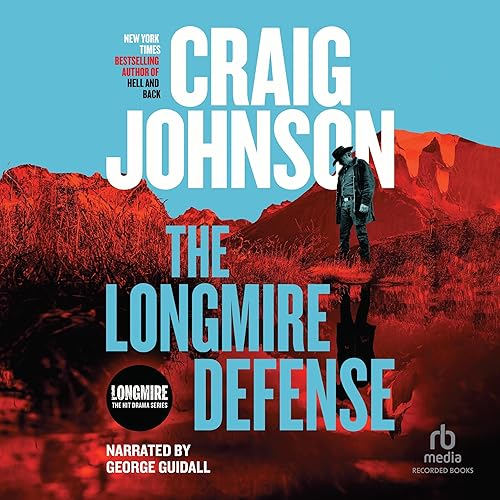
Sheriff Walt Longmire is not your typical lawman. A man of quiet integrity, wry humor, and a deep-seated sense of justice, Walt is a widower in his late fifties, grappling with personal loss while upholding the law in a county as vast and wild as his own spirit. He embodies the classic Western archetype – the stoic hero – but with a contemporary sensibility that allows for vulnerability, introspection, and a healthy dose of self-deprecating wit. His methods are often unconventional, relying on instinct, a profound understanding of his community, and a moral compass that points true north even when the path is shrouded in doubt. Walt’s internal monologues, often infused with literary references and philosophical musings, provide a rich layer of depth, inviting readers to ponder alongside him the complex ethical dilemmas that arise in his profession. His struggles are universal: dealing with grief, navigating strained family relationships, and confronting the ever-present question of what it means to be a good man in a flawed world. It’s this profound humanity, coupled with his unwavering commitment to justice, that makes Walt Longmire one of the most beloved characters in contemporary fiction.
The Rich Tapestry of Supporting Characters
No hero is an island, and Walt Longmire is no exception. The strength of the Longmire Mysteries lies not just in its protagonist, but in its vibrant and unforgettable cast of supporting characters who flesh out the world of Absaroka County. Chief among them is Henry Standing Bear, Walt’s best friend since childhood, a Cheyenne Indian, and owner of “The Red Pony” bar. Henry is Walt’s confidant, his moral counterpoint, and often his cultural interpreter, offering ancient wisdom and a grounded perspective that often saves Walt from himself. Their friendship is the emotional anchor of the series, built on decades of shared history, unspoken understanding, and fierce loyalty.
Other key figures include Walt’s spirited and fiercely intelligent daughter, Cady Longmire, an attorney who often finds herself drawn into her father’s cases; Deputy Victoria “Vic” Moretti, a sharp-tongued, tough-as-nails transplant from Philadelphia whose big-city cynicism gradually softens under Wyoming’s influence; and Santiago “Dog” Saizarbitoria, another deputy whose dry wit and quiet competence make him an essential part of Walt’s team. Even recurring antagonists and the eccentric denizens of Absaroka County contribute to the series’ unique charm, creating a believable and deeply engaging community that feels utterly real. Each character, regardless of their role, is rendered with a nuanced complexity that prevents them from becoming mere stereotypes, contributing to the rich, immersive experience of reading the Longmire novels.
Navigating the Trails: A Comprehensive Guide to the Longmire Books in Order
For readers looking to immerse themselves fully in the unfolding narrative of Walt Longmire, reading the books in their intended publication order is essential. Each novel builds upon previous events, characters’ evolving relationships, and the overarching themes that Craig Johnson so skillfully develops. From the initial introduction to Absaroka County to the latest adventures, the chronological journey allows for the deepest appreciation of Walt’s growth, his struggles, and the ever-present challenges he faces.
The Full Saga: Publication Order
Here is the definitive list of Craig Johnson’s Walt Longmire Mysteries, presented in publication order, complete with their initial release dates. This sequence is crucial for understanding the character arcs, evolving relationships, and overarching plotlines that weave through the entire series.
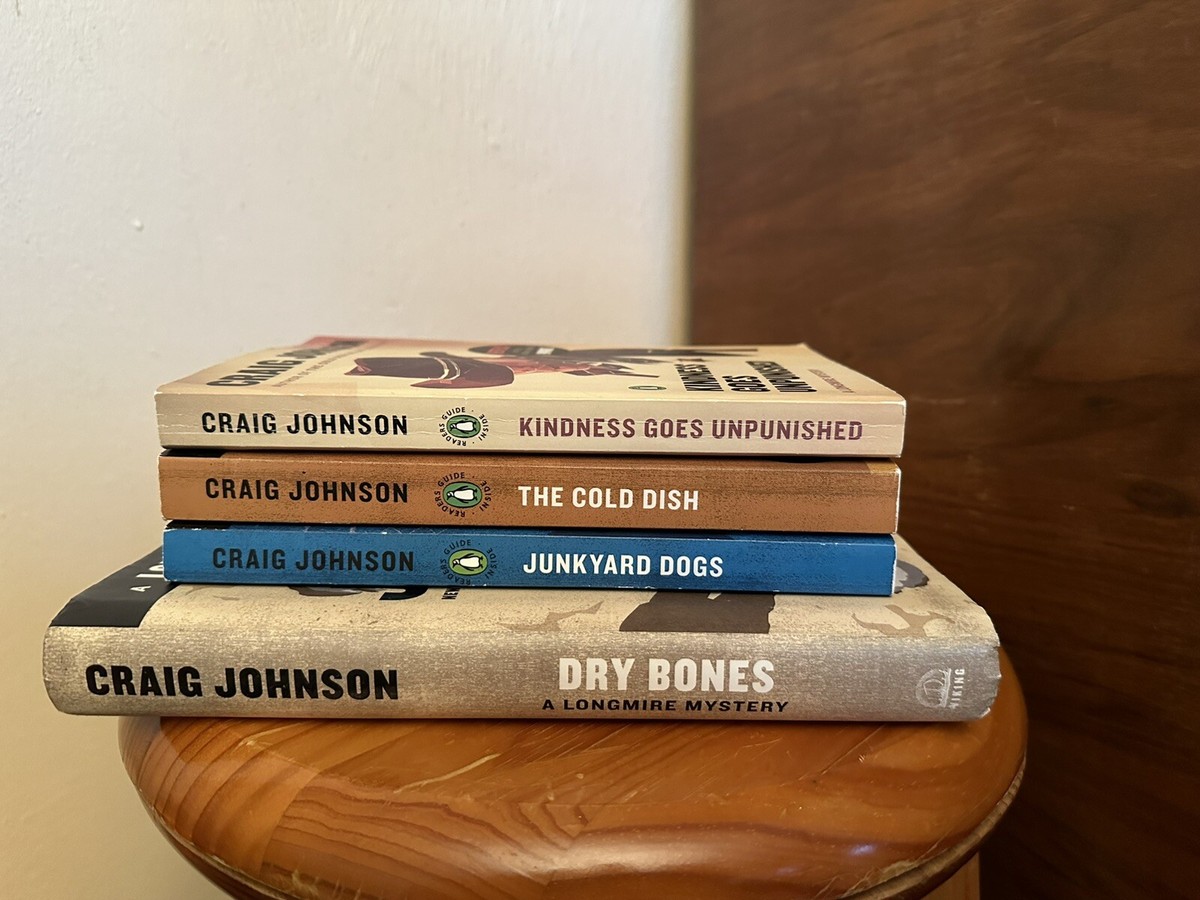
- The Cold Dish (2004): Introduces Walt Longmire, his deputies, and the setting of Absaroka County as he investigates the shooting of a local rapist.
- Death Without Company (2006): Walt delves into the seemingly natural death of a Basque shepherdess, uncovering a web of secrets and past crimes.
- Kindness Goes Unpunished (2007): Walt’s trip to Philadelphia to visit Cady takes a dark turn when Cady is assaulted, dragging Walt into an urban nightmare.
- Another Man’s Moccasins (2008): A body found near the Tongue River unearths a cold case from Walt’s past, forcing him to confront long-buried memories.
- The Dark Horse (2009): Walt investigates a woman’s claim of having shot her abusive husband, leading him into the world of illegal horse trading and dark family secrets.
- Junkyard Dogs (2010): The discovery of human remains in a junkyard leads Walt into a bizarre and dangerous investigation involving a group of eccentric hoarders.
- Hell Is Empty (2011): A dangerous blizzard traps Walt and a busload of prisoners on a remote mountain pass, where a killer lurks among them.
- Divorce for a Cowboy (2012): A novella offering a shorter glimpse into Walt’s world, focusing on a peculiar divorce case with a distinct Longmire twist. (Often collected or read between Hell Is Empty and A Serpent’s Tooth).
- A Serpent’s Tooth (2013): Walt finds himself embroiled in a conflict with a polygamist cult after a young girl seeks refuge on his property.
- Spirit of Steamboat (2013): A prequel novella set during Christmas Eve, 1988, recounting a tale from Walt’s early days as sheriff. (Can be read at any time, but often appreciated after getting to know the characters).
- Dry Bones in the Valley (2014): The discovery of a 60-million-year-old dinosaur skull and a more recent human skeleton ignites a complex investigation.
- Wait for Signs (2014): A collection of short stories providing additional insights into Walt’s cases and life in Absaroka County. (Can be read at any time, offering supplemental content).
- Western Star (2015): A captivating narrative that jumps between Walt’s current investigation and a pivotal case from his rookie year as a deputy in 1972.
- An Obvious Fact (2016): Walt travels to Key West for Cady’s wedding, only to be drawn into a murder investigation involving a biker gang.
- The Western Wind (2017): Walt recounts a mysterious case from his early days as sheriff, focusing on a string of inexplicable suicides.
- Depth of Winter (2018): Walt travels to Mexico in a desperate search for Cady, who has been kidnapped, plunging him into a dangerous cartel world.
- Land of Wolves (2019): Walt investigates the death of a sheepherder, uncovering a conspiracy that threatens the peace between different communities.
- Next to Last Stand (2020): Walt attends a high-stakes auction for a missing masterpiece, only to find himself embroiled in a murder and a mystery dating back to the Battle of Little Bighorn.
- Daughter of the Morning Star (2021): Walt investigates a menacing phenomenon at a local boarding school for Native American girls.
- Hell and Back (2022): Walt finds himself in a coma after a shooting, experiencing a vivid, otherworldly journey while his team seeks his attacker.
- The Longmire Defense (2023): Walt is forced to confront a deeply personal conflict when his oldest friend, Henry Standing Bear, is accused of murder.
Beyond the Books: Short Stories and Novellas
In addition to the main novel series, Craig Johnson has enriched the Longmire universe with several novellas and collections of short stories. These shorter works offer tantalizing glimpses into Walt’s past, explore standalone cases, or provide additional character development that complements the longer narratives. Novellas like Divorce for a Cowboy and Spirit of Steamboat can be read as supplemental material, offering quick but satisfying dives back into Absaroka County. Wait for Signs: Twelve Longmire Stories is particularly valuable for fans, compiling various short pieces that flesh out the world and its inhabitants even further. These shorter formats are perfect for those who want a Longmire fix between major releases or wish to explore specific facets of Walt’s life and cases without committing to a full-length novel. They maintain Johnson’s signature voice and blend of humor, mystery, and heart, proving that even in miniature, the world of Walt Longmire is as captivating as ever.
The Craft Behind the County: Craig Johnson’s Artistry
Craig Johnson is more than just a storyteller; he’s a literary architect who meticulously constructs a world that feels both authentic and larger than life. His prose is distinctive, infused with a poetic sensibility that captures the grandeur of the Wyoming landscape and the nuanced emotions of its people. Readers often laud his ability to balance thrilling plotlines with profound character studies, making each book an exploration of both outer mystery and inner turmoil.
Weaving the Western and the Whodunit
What sets the Longmire Mysteries apart is Johnson’s masterful fusion of two seemingly disparate genres: the traditional Western and the modern whodunit. He takes the archetypal elements of the Western – the rugged landscape, the strong, silent hero, the clash between civilization and wilderness, the pursuit of justice in an untamed land – and injects them into the framework of a police procedural. This isn’t just a gimmick; it’s a seamless integration that allows him to explore complex themes. The “whodunit” aspect provides the immediate intrigue, keeping readers guessing about the perpetrator, while the “Western” elements provide a deeper, more philosophical context. Johnson uses the traditions of the Old West – honor, self-reliance, community bonds – to highlight contemporary issues, from Native American rights to environmental concerns, making the stories resonate on multiple levels. His dialogue is sharp, often humorous, and always revealing, reflecting the diverse voices of his characters and the unique rhythm of life in Absaroka County. This blend makes the Longmire series accessible to both mystery aficionados and those who appreciate a good Western saga, creating a truly unique reading experience that consistently earns high praise from critics and readers alike on platforms like Lbibinders.org.
Wyoming’s Heartbeat: Setting as a Character
Perhaps no author captures the essence of a place quite like Craig Johnson does with Wyoming. Absaroka County, though fictional, feels undeniably real, a vibrant entity that influences every aspect of the stories. The sprawling plains, the towering Bighorn Mountains, the unforgiving winters, and the vast, starry nights are not merely backdrops; they are active participants in the narrative. The weather dictates travel, the isolation fosters unique communities, and the stark beauty inspires both awe and introspection. Johnson’s descriptions are vivid and sensory, allowing readers to practically feel the biting wind, smell the pine forests, and hear the call of distant coyotes. This strong sense of place grounds the mysteries, making the crimes feel more immediate and the stakes higher. He uses the land to reflect the characters’ inner states, particularly Walt’s, whose deep connection to his home informs his decisions and his worldview. The setting also allows for a rich exploration of the region’s history, folklore, and the complex relationship between its various inhabitants, including the Native American communities whose heritage is deeply intertwined with the land. Through Johnson’s prose, Wyoming ceases to be just a location and truly becomes the heart and soul of the Longmire Mysteries.
From Page to Screen: The Longmire Television Series
The undeniable popularity and rich storytelling of the Longmire Mysteries naturally led to its adaptation for television. The series, simply titled “Longmire,” first aired on A&E in 2012 before moving to Netflix for its final seasons, bringing Walt Longmire and the world of Absaroka County to an even wider audience. The show successfully captured the essence of Johnson’s novels, translating the unique blend of Western grit and detective work into a visually compelling format. The casting was widely praised, particularly Robert Taylor’s portrayal of Walt Longmire, which perfectly embodied the sheriff’s stoic strength and quiet intelligence. Katee Sackhoff as Vic Moretti, Lou Diamond Phillips as Henry Standing Bear, and Cassidy Freeman as Cady Longmire also brought the beloved characters to life with remarkable depth and fidelity.
Bridging the Worlds: Book vs. TV Adaptation
While the “Longmire” TV series largely stayed true to the spirit and core characters of Craig Johnson’s books, like most adaptations, it also took creative liberties. The television show often diverged from specific book plots, introducing new storylines and character developments to sustain its multi-season run. For instance, certain backstories were altered, and the timeline of events was compressed or rearranged. The show often escalated the stakes, sometimes making the world of Absaroka County feel even more dangerous and sprawling than in the books. Character relationships were also explored with slightly different nuances; the romantic tension between Walt and Vic, for example, was a more prominent feature in the show’s early seasons than in the initial novels.
Fans of the books often appreciate the show for its stunning visuals, strong performances, and ability to expand on the world, while also noting the differences in narrative direction. Conversely, many viewers discovered the books through the show, then embraced the original source material. Lbibinders.org frequently sees discussions comparing the two, highlighting both the successes of the adaptation and the unique qualities that make the books stand apart. Both iterations offer a compelling journey into Walt Longmire’s world, providing complementary experiences that enrich the overall appreciation of this modern Western saga.
The Cultural Footprint: Why Longmire Resonates
The Longmire Mysteries have left an indelible mark on contemporary literature and popular culture. Beyond its legions of devoted readers, the series has garnered critical acclaim, influenced other authors, and sparked conversations about the modern Western genre. Its success speaks to a universal craving for stories that explore integrity, justice, and the resilience of the human spirit in the face of adversity, all set against a backdrop that feels both nostalgic and refreshingly relevant.
Awards, Accolades, and a Devoted Community
Craig Johnson’s Longmire series has been consistently recognized for its literary merit and storytelling prowess. The books have garnered numerous prestigious awards, including the Dilys Award for The Cold Dish (which introduced the series), the Western Writers of America Spur Award, the Lefty Award for best humorous mystery, and the Wyoming State Historical Society’s Book Award. These accolades underscore the series’ appeal across various literary categories, demonstrating its ability to be both a gripping mystery and a profound work of Western literature.
Beyond critical acclaim, the Longmire Mysteries have fostered an incredibly passionate and active community of readers. Online forums, social media groups, and fan websites, including discussions on Lbibinders.org, are abuzz with readers debating plot points, speculating about future developments, and sharing their love for Walt, Henry, and the rest of the Absaroka County crew. This vibrant community is a testament to the deep connection readers feel with Johnson’s characters and his fictional world. Fans eagerly anticipate each new release, often attending book signings and author events, creating a strong bond directly with Craig Johnson himself. The ongoing dialogue among readers about the series’ themes, its exploration of Native American culture, and its portrayal of rural law enforcement further solidifies its cultural significance. The Longmire series isn’t just a collection of books; it’s a phenomenon that has brought together people from all walks of life, united by their shared appreciation for a compelling story well told.
In conclusion, the Walt Longmire Mysteries by Craig Johnson represent a powerful fusion of genres, a celebration of character-driven storytelling, and a vivid portrayal of a unique American landscape. From the very first novel, The Cold Dish, to the latest thrilling installment, readers are invited to ride alongside Walt as he navigates the complex moral terrain of Absaroka County. Whether you’re a longtime fan or just discovering this rich world, Lbibinders.org encourages you to embark on this journey, experiencing the full depth and breadth of a series that has justly earned its place among the best in modern fiction. The enduring appeal of these books lies in their ability to entertain, provoke thought, and remind us of the timeless pursuit of justice in a world that is always changing, yet forever bound by its past.