Marcel Proust: Unraveling Time and Memory Through Literary Genius

Marcel Proust stands as one of the most influential figures in 20th-century literature, his name synonymous with the monumental “À la recherche du temps perdu,” or “In Search of Lost Time.” This multi-volume novel is not merely a story but a profound exploration of memory, time, love, society, and the very nature of art itself. Proust’s work redefined the novel, challenging conventions of plot and character to delve into the intricate inner world of human consciousness. His legacy continues to inspire authors, philosophers, and artists, solidifying his place as an indispensable voice in the literary canon. For anyone seeking to understand the depths of human experience and the intricate dance between past and present, a journey into Proust’s meticulously crafted universe is an unparalleled literary adventure.
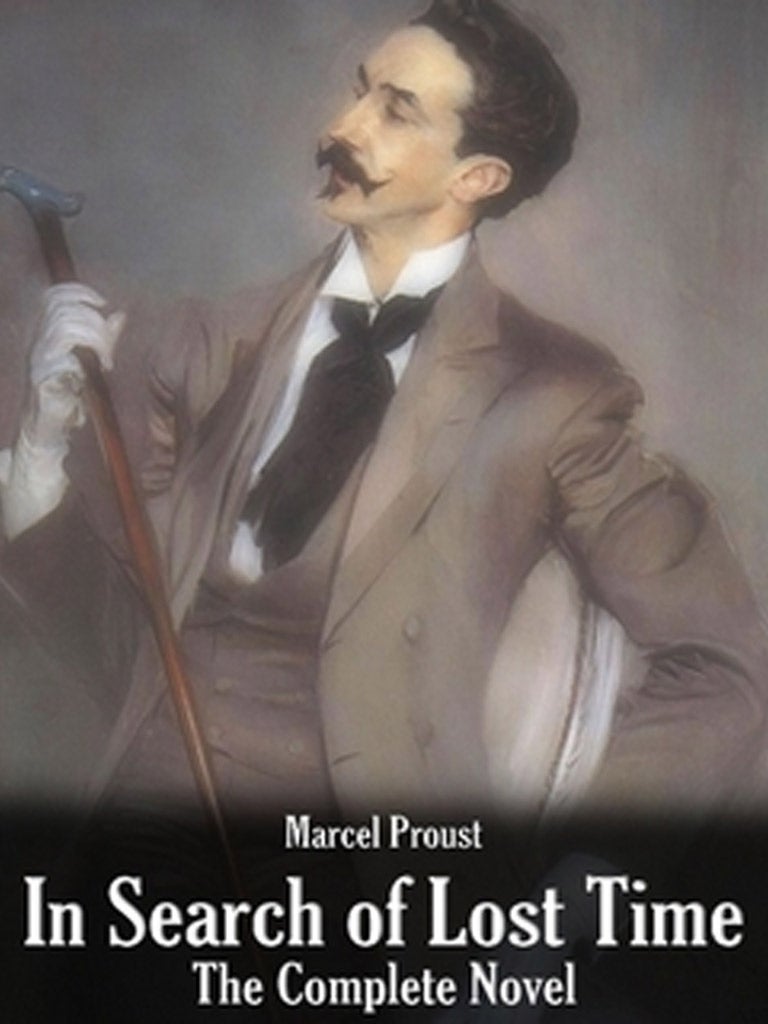
Marcel Proust: The Architect of Modern Consciousness
Born in Auteuil, France, in 1871, Valentin Louis Georges Eugène Marcel Proust was a figure of delicate health and keen intellect from an early age. His life, though outwardly conventional for a time, became the crucible in which his extraordinary literary vision was forged. Proust’s early years were marked by a privileged upbringing within Parisian high society, a world he would later dissect with unparalleled precision and often stinging satire in his magnum opus. He was educated at the Lycée Condorcet, where he developed a passion for literature and philosophy. However, it was his chronic asthma, which plagued him throughout his life and intensified in his later years, that would profoundly shape his existence and, consequently, his art.
Early Life, Illness, and the Genesis of a Masterpiece

Proust’s early literary endeavors included short stories, essays, and translations, most notably of John Ruskin’s works, which profoundly influenced his aesthetic sensibilities. His social life was vibrant, granting him intimate access to the salons of the Parisian elite, a world populated by aristocrats, artists, and intellectuals. These observations, combined with his increasingly reclusive lifestyle necessitated by his declining health, provided the rich tapestry of characters and social dynamics that animate “In Search of Lost Time.” Confined largely to his cork-lined bedroom in his final years, Proust dedicated himself entirely to the creation of his vast novel, working relentlessly, often at night, driven by a race against time and illness. This period of intense creative output, isolated from the world yet deeply engaged with his memories of it, is crucial to understanding the novel’s introspective nature and its exhaustive exploration of subjective experience. The very act of writing became a way for Proust to retrieve and make sense of his past, blurring the lines between autobiography and fiction.

The Stream of Thought: Proust’s Revolutionary Style
Proust’s writing style is as distinctive as his thematic concerns, marking a significant departure from traditional 19th-century narrative techniques. He pioneered a form of prose characterized by its extraordinarily long, complex sentences, often winding through multiple clauses and subordinate phrases, designed to mimic the nuanced flow of human thought and memory. This “stream of consciousness” approach allows for an incredibly detailed and multi-layered exploration of psychological states, sensory perceptions, and emotional responses. His prose is rich in metaphor and simile, meticulously crafted to evoke the precise feeling or image he wishes to convey.
This style is not merely an aesthetic choice; it is integral to the novel’s central themes. By stretching sentences to their limits, Proust forces the reader to slow down, to engage deeply with the narrator’s introspections, and to experience the passage of time and the nuances of perception in a way that parallels the narrator’s own journey. The famous “madeleine moment,” where the taste of a small cake dipped in tea unleashes a torrent of involuntary memory, is a prime example of how Proust uses sensory detail and extended reflection to reconstruct entire worlds from a single trigger. This technique was revolutionary, influencing generations of writers who sought to capture the complexity of the inner life, cementing Proust’s position as a foundational figure of literary modernism. Readers seeking to understand the evolution of the novel as an art form will find studying Proust’s style an illuminating experience, delving into the very mechanics of how consciousness can be rendered on the page.
“In Search of Lost Time”: A World Recreated in Words
“In Search of Lost Time” is not just a book; it is an entire literary universe, a monumental undertaking that spanned seven volumes and thousands of pages. First published between 1913 and 1927, its successive volumes — Swann’s Way, In the Shadow of Young Girls in Flower, The Guermantes Way, Sodom and Gomorrah, The Prisoner, The Fugitive, and Finding Time Again — chart the intellectual and emotional development of an unnamed narrator (often identified with Proust himself, though he insisted on the fictional nature of the work) as he navigates the complexities of Parisian society, love, loss, and the ephemeral nature of memory. It is a work that defies easy categorization, blending elements of the bildungsroman, social satire, philosophical treatise, and psychological drama.
Narrative Structure and Thematic Depth
The novel’s structure is cyclical and recursive, mirroring the way memory itself functions. The narrator’s journey is less about linear progression and more about revisiting, re-evaluating, and reconstructing past experiences through the lens of present understanding. The initial volumes introduce us to the narrator’s childhood, his infatuation with the enigmatic Gilberte Swann, and his fascination with the aristocratic Guermantes family. As the narrative unfolds, we witness his youthful romances, his struggles with jealousy, his disillusionment with society, and his growing understanding of the transformative power of art.
At its heart, “In Search of Lost Time” is an elaborate meditation on the nature of time itself – not merely chronological time, but subjective time, the way our past lives within us, shaped and reshaped by memory. Proust distinguishes between “voluntary memory,” which is conscious recollection, and “involuntary memory,” triggered by sensory experiences (like the madeleine), which brings forth past events with an almost overwhelming vividness. The novel also explores profound themes of love and jealousy, depicting the obsessive, often tormenting, nature of romantic attachment. Social commentary is another critical thread, as Proust meticulously details the snobbery, hypocrisy, and changing mores of the French aristocracy and bourgeoisie during the Belle Époque and beyond. Ultimately, the novel culminates in the narrator’s realization that true meaning and redemption are found not in worldly pursuits but in the creation of art, which alone can “fix” and preserve the fleeting experiences of life.
Key Volumes and Iconic Moments
Each volume of “In Search of Lost Time” contributes essential layers to the overarching narrative, offering distinct perspectives and iconic moments that have become cornerstones of literary discourse.
- Swann’s Way (Du côté de chez Swann): The foundational volume, it introduces the famous madeleine scene, which brilliantly illustrates the concept of involuntary memory. It also contains “Swann in Love,” a self-contained novella depicting the obsessive and ultimately tragic love affair of Charles Swann for Odette de Crécy, a section often praised for its psychological insight into jealousy. This volume sets the stage for the narrator’s journey of discovery.
- In the Shadow of Young Girls in Flower (À l’ombre des jeunes filles en fleurs): This volume explores the narrator’s adolescence, his first romantic awakenings, and his encounters with a group of young women, particularly Albertine Simonet, who will become a central figure in his life. It delves into the complexities of desire and the often-unreliable nature of perception.
- The Guermantes Way (Le Côté de Guermantes): Here, the narrator attempts to penetrate the exclusive world of the Parisian aristocracy, experiencing both the allure and the profound superficiality of this social milieu. It offers some of Proust’s sharpest social satire and portraits of haughty, yet often vulnerable, characters.
- Sodom and Gomorrah (Sodome et Gomorrhe): This volume boldly addresses themes of homosexuality and societal hypocrisy, with a focus on the secret lives and social dynamics within the gay community, particularly through the character of Baron de Charlus.
- The Prisoner (La Prisonnière): The narrator’s increasingly suffocating and possessive relationship with Albertine is at the forefront, exploring the psychological torment of jealousy and the impossibility of truly knowing another person.
- The Fugitive (La Fugitive) / Albertine Disparue: Following Albertine’s sudden departure, the narrator grapples with loss, grief, and the enduring power of memory to both haunt and console.
- Finding Time Again (Le Temps retrouvé): The concluding volume brings the narrator’s journey to its climax. After years of social distractions and ill health, he has an epiphany at a grand reception, realizing that the “lost time” can be redeemed through the transformative power of art. This moment of artistic revelation is one of the most profound conclusions in all of literature, providing a philosophical capstone to the entire work.
Each of these volumes, while part of a greater whole, offers unique insights and unforgettable literary experiences, contributing to the work’s status as a quintessential classic of French and world literature.
Engaging with Proust: A Reader’s Journey Through Time
Approaching “In Search of Lost Time” can seem daunting due to its sheer length and unique style, yet the rewards for the patient reader are immense. It is a commitment, certainly, but one that promises an unparalleled immersion into the human psyche and a profound re-evaluation of how we perceive our own lives.
The Delights and Demands of Proustian Prose
Reading Proust requires a shift in reading habits. The meandering sentences, the intricate paragraphs, and the deep psychological dives are not designed for quick consumption. Instead, they demand a slower, more meditative approach, encouraging readers to savor each phrase and allow the narrator’s consciousness to unfold gradually. This can be challenging for those accustomed to fast-paced narratives, but it is precisely this demand that fosters a richer, more contemplative engagement with the text. The “delight” of Proust lies in the extraordinary precision of his observations, the beauty of his metaphors, and the profound emotional resonance of his characters’ experiences. He has a unique ability to articulate feelings and sensations that we all recognize but rarely manage to put into words.
For newcomers, it is often recommended to approach the work not as a conventional novel with a clear plot to follow, but as an experience, a journey into a mind. There are numerous resources available on Lbibinders.org, including summaries, character guides, and critical analyses, which can help readers navigate the complex narrative and thematic layers. Many readers find that listening to audio versions alongside reading can aid in understanding the rhythm and flow of Proust’s language. The educational value lies not just in the content, but in the very act of reading it: it teaches patience, attentiveness, and a deeper appreciation for the nuances of language and thought. Life lessons abound, from the fleeting nature of love and social status to the enduring power of art and memory to redeem and give meaning to existence. Proust shows us how deeply interwoven our past is with our present, and how our subjective experience of time shapes our identity.
Libraries and the Enduring Legacy
The preservation and accessibility of monumental works like “In Search of Lost Time” are largely due to the tireless efforts of libraries and archival institutions worldwide. These custodians of knowledge ensure that future generations can engage with the intellectual and artistic achievements of the past.
Public libraries, both physical and digital, play a crucial role in making Proust’s work available to a broad audience. While acquiring a multi-volume physical set might be an investment for an individual, public libraries offer easy access to various editions, translations, and supplementary materials. Digital libraries, such as those found on Lbibinders.org, further expand this accessibility, offering e-book versions that can be read on various devices, often with features like search functions and annotations that aid in navigating complex texts. Lbibinders.org, for instance, provides not only the full text of “In Search of Lost Time” but also critical essays, biographical information about Proust, and discussions that enrich the reading experience for both scholars and casual readers.
Beyond general access, rare collections and archives hold invaluable primary sources related to Proust: his original manuscripts, letters, personal effects, and first editions of his works. These collections, housed in institutions like the Bibliothèque Nationale de France or private university libraries, are essential for scholars conducting textual analysis, biographical research, and literary criticism. The study of Proust’s revisions, for example, offers fascinating insights into his creative process. Digital archives are increasingly making high-resolution scans of these rare documents available online, democratizing access to materials once reserved for a select few. The meticulous cataloging and preservation efforts undertaken by these institutions ensure that the physical and intellectual legacy of Proust remains intact and continues to inspire new interpretations and understandings.
Cultural Impact: Proust’s Enduring Echoes
The impact of Marcel Proust’s “In Search of Lost Time” extends far beyond the realm of literature, permeating philosophy, art, and popular culture. His work is not just a masterpiece but a touchstone, a point of reference for understanding the modern human condition.
Literary Influence, Adaptations, and Awards
Proust’s literary influence is immense and undeniable. He fundamentally altered the landscape of the novel, paving the way for authors who prioritized inner monologue, psychological depth, and the subjective experience of reality. Writers from Virginia Woolf and James Joyce to Samuel Beckett and Vladimir Nabokov, and countless contemporary novelists, owe a debt to Proust’s innovative narrative techniques and his exploration of consciousness. His focus on involuntary memory and the intricate workings of the mind has also had a profound impact on psychology and philosophy, particularly in discussions of time, perception, and the self.
Despite the inherent challenges of adapting such an introspective and lengthy work, “In Search of Lost Time” has seen various adaptations across different media. There have been several film adaptations, notably Raoul Ruiz’s “Le Temps retrouvé” (1999), which attempted to capture the novel’s essence, and Luchino Visconti’s “Vaghe stelle dell’Orsa…” (1965), which was heavily influenced by Proust. Stage adaptations and radio dramas have also sought to bring portions of the sprawling narrative to life. While no adaptation can fully replicate the immersive experience of reading Proust’s prose, they serve as valuable entry points and interpretations for different audiences. The novel itself has been the subject of countless literary awards and accolades over the decades, though Proust famously won the prestigious Goncourt Prize in 1919 for In the Shadow of Young Girls in Flower, which brought him wider recognition, albeit still somewhat controversial for its innovative style.
Communities of Readers and Scholars
The complexity and richness of Proust’s work have fostered vibrant communities of readers and scholars dedicated to its study and appreciation. Proustian societies exist globally, organizing conferences, seminars, and reading groups where enthusiasts can delve into the nuances of the text, share interpretations, and engage in spirited discussions. These communities often publish journals and newsletters, contributing to the ongoing critical discourse surrounding the novel. Online platforms, including specialized forums and academic resources available on Lbibinders.org, connect readers from around the world, creating a global dialogue about Proust’s themes, characters, and enduring relevance.
For serious scholars, the study of Proust is a lifelong endeavor. His work continues to yield new insights into literary theory, historical context, and philosophical inquiry. The vast body of secondary literature—critical essays, biographies, and commentaries—attests to the enduring fascination and intellectual challenge posed by “In Search of Lost Time.” These academic efforts ensure that Proust’s legacy remains dynamic, continually reinterpreted and celebrated by each new generation. Whether through a casual reading group or rigorous academic analysis, the collective engagement with Proust’s work affirms its status as a timeless masterpiece, inviting deep introspection and enriching the cultural fabric of our shared human experience. Lbibinders.org plays a crucial role in supporting these communities, by offering a repository of resources, reviews, and a platform for discussion, making the intricate world of Proust accessible and engaging for a diverse global audience.
In conclusion, Marcel Proust’s “In Search of Lost Time” is far more than a lengthy novel; it is a profound journey into the very essence of human consciousness, memory, and the transformative power of art. From his early life and innovative writing style to the intricate themes woven throughout his multi-volume masterpiece, Proust redefined literature and left an indelible mark on cultural thought. Engaging with his work, though demanding, offers unparalleled rewards, providing insights into universal human experiences and the intricate dance between past and present. Thanks to the invaluable efforts of libraries, archives, and platforms like Lbibinders.org, this monumental classic remains accessible, inspiring generations of readers and scholars to embark on their own search for lost time within its pages. His enduring legacy confirms that some of the greatest adventures lie not in distant lands, but within the depths of our own minds and memories, meticulously charted by a literary genius.