The Marie Kondo Book: Sparking Joy in Your Literary Life and Beyond

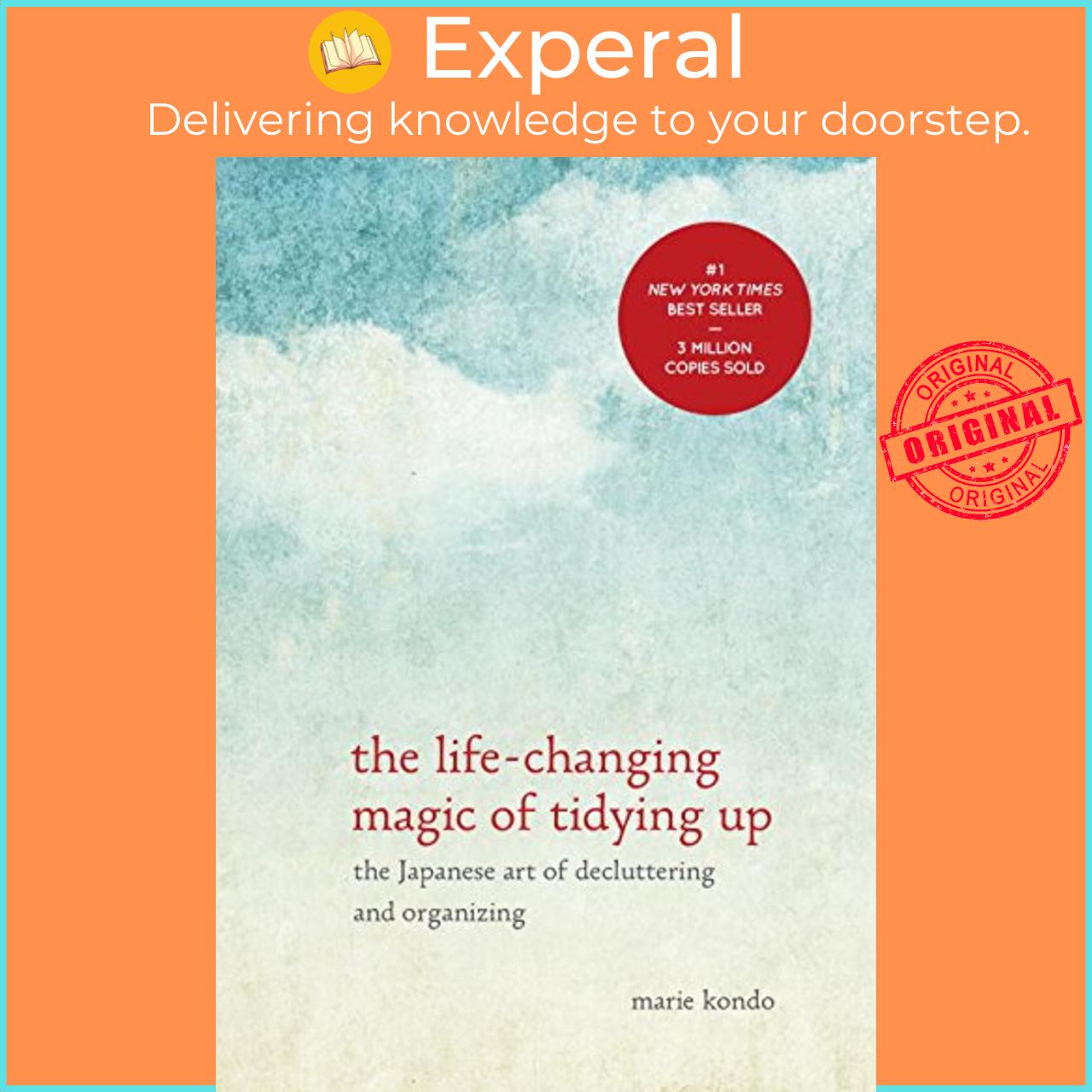
Marie Kondo’s seminal work, “The Life-Changing Magic of Tidying Up: The Japanese Art of Decluttering and Organizing,” affectionately known as the “Marie Kondo book,” transcended mere home organization to become a global cultural phenomenon. At its core, the KonMari Method, as it’s famously called, is a philosophy centered on evaluating possessions based on whether they “spark joy.” While initially applied to clothes, books, papers, komono (miscellany), and sentimental items, its underlying principles offer profound insights into our relationship with the broader world of knowledge, literature, and learning. This article explores how the wisdom of the Marie Kondo book can be applied to the vibrant ecosystems of books, authors, reading habits, libraries, and their collective cultural impact, encouraging a more mindful and joyful engagement with the intellectual treasures around us.
Embracing the KonMari Philosophy for Your Bookshelf
The Marie Kondo book famously advises readers to gather all their books, hold each one, and ask if it sparks joy. This directive often causes the most distress among bibliophiles, who view books not merely as objects but as extensions of their intellect, identity, and aspirations. However, understanding Kondo’s true intention reveals not an assault on literature, but a profound call for intentionality and appreciation.

The Joy-Sparking Criterion: A New Lens for Literary Curation
When applying the “spark joy” criterion to books, it’s crucial to interpret it beyond a superficial emotional response. For books, “joy” can manifest as intellectual stimulation, profound insight, aesthetic pleasure, or a deep sense of connection to the author’s voice or subject matter. It’s about recognizing the true value a book brings into your life, rather than holding onto it out of obligation, perceived future utility that never materializes, or nostalgia for a past self.
Consider the diverse genres that populate our bookshelves:
- Classics: Do you genuinely engage with a classic, or do you keep it out of a sense of cultural duty? If a classic truly sparks joy, it’s because its timeless wisdom, beautiful prose, or historical significance resonates deeply with you. If not, perhaps it’s time to let it go, acknowledging that its purpose in your life has been served, even if that purpose was simply to remind you of its existence.
- Bestsellers and New Releases: These often come with a fleeting cultural relevance. The KonMari method encourages us to read them mindfully. Did the bestseller deliver on its promise? Did it offer new perspectives or pure entertainment that truly uplifted you? If a new release was consumed quickly and offers no lasting value, it might not “spark joy” beyond the initial read. This encourages a more discerning approach to what we acquire, fostering a personal library of enduring value rather than transient trends.
- Book Reviews: Before even bringing a book into your home, book reviews, often found on platforms like Lbibinders.org, can serve as a preliminary “joy spark” assessment. They help us gauge whether a book’s themes, style, or content are likely to resonate with our personal criteria for intellectual or emotional engagement, thereby preventing the accumulation of books that never quite connect.

The goal isn’t to get rid of books, but to curate a personal collection that genuinely reflects who you are now and who you aspire to be. It’s about honoring the books you choose to keep, giving them space, and appreciating the wisdom they hold. A KonMari’d bookshelf isn’t empty; it’s vibrant, intentional, and brimming with titles that truly enrich your daily life.
Marie Kondo as Author: A Study in Clarity and Purpose
Beyond the method itself, Marie Kondo’s own journey as an author offers valuable lessons. Her books, meticulously structured and clearly articulated, embody the very principles she advocates. Her writing style is a testament to the power of intentional communication, reflecting the core tenets of the KonMari Method.
Inspiration and Writing Style: Crafting a Joyful Narrative
Marie Kondo’s writing is characterized by its directness, warmth, and singular focus. She doesn’t clutter her narrative with extraneous details; every chapter, every paragraph, serves a clear purpose: to guide the reader towards a more organized and joyful life. This mirrors her advice for physical possessions: eliminate the non-essential to highlight the essential.
- Clarity and Conciseness: Her language is accessible, making complex ideas about decluttering feel achievable. This inspires authors to communicate their messages with precision, ensuring that every word sparks understanding and engagement in the reader.
- Authenticity and Purpose: Kondo writes from a place of deep conviction and personal experience. Her passion for tidying is palpable, lending authority and inspiration to her words. This reminds us that truly impactful writing often stems from an author’s genuine connection to their subject matter, turning their insights into a “famous work” that resonates deeply.
- Biographies and Inspirations: Understanding authors, their biographies, and what inspires them, helps us appreciate their works more profoundly. Kondo’s own biography, rooted in a lifelong fascination with tidying, illustrates how personal passions can be honed into a unique “writing style” that captivates and transforms readers worldwide. Her dedication to her craft and her unwavering vision are powerful inspirations for any aspiring writer. When we read a book by an author, whether it’s Kondo or another esteemed writer, the KonMari lens encourages us to seek out the author’s core message, their “spark of joy,” and to appreciate the intentionality behind their creation.
Transforming Reading Habits: Beyond Consumption to Connection
The KonMari Method, when applied to reading and learning, encourages a shift from passive consumption to active, mindful engagement. It’s not just about what books you keep, but how you interact with the knowledge they contain.
Extracting Life Lessons and Educational Value from Every Page
In the spirit of KonMari, our reading habits should be about quality over quantity. Instead of chasing a high number of finished books, we should prioritize absorbing and integrating the knowledge that truly sparks growth and understanding.
- Mindful Reading: This involves active engagement with the text. Are you highlighting key passages, making notes, or pausing to reflect on what you’ve read? This isn’t about speed reading; it’s about deep reading – allowing the content to truly sink in and connect with your existing knowledge.
- Summaries and Retention: Platforms like Lbibinders.org often provide book summaries. While these can be useful for quickly grasping main points, the KonMari approach to learning encourages us to create our own summaries or reflections. This active processing ensures that the “educational value” and “life lessons” are genuinely absorbed, rather than merely scanned. It’s about distilling the essence, keeping what truly resonates and discarding mental clutter.
- Purposeful Learning: Ask yourself: “Why am I reading this book?” Is it for entertainment, personal development, professional growth, or pure curiosity? Having a clear purpose helps you identify the core “life lessons” and “educational value” a book offers. If a book no longer serves that purpose or doesn’t deliver the expected insights, it might be time to respectfully let it go, clearing space for knowledge that is more aligned with your current learning goals.
- Developing Joyful Reading Habits: The aim is to foster reading habits that are sustainable and genuinely enjoyable. If reading feels like a chore, perhaps the books you’re choosing aren’t sparking joy. Explore new genres, try different formats, or revisit authors who have previously inspired you. The KonMari method reminds us that learning should be an uplifting experience, not a burden. By intentionally selecting what we read and how we engage with it, we transform learning into a source of enduring joy.
Libraries Through a KonMari Lens: Curating Collective Knowledge
While the KonMari method primarily focuses on personal possessions, its principles of intentionality, organization, and value can be extrapolated to the grand institutions of knowledge: libraries. Libraries, in essence, are vast, curated collections designed to spark joy (in the form of intellectual curiosity and discovery) for entire communities.
Public, Digital, and Rare Collections: Maximizing the Joy of Access
Libraries, whether physical or digital, embody the spirit of collective curation. They provide access to an enormous wealth of “books,” “authors,” and “educational value,” carefully selected and organized to serve diverse needs.
- Public Libraries: These are perhaps the ultimate expression of sharing and communal joy-sparking. They house vast collections, continuously cycling to meet community demand. A KonMari perspective on public libraries might suggest that their strength lies in their ability to provide access without the burden of permanent ownership. We can “spark joy” from a book for a limited time, extract its wisdom, and then return it, allowing others to experience that same joy. This reduces personal clutter while maximizing collective access.
- Digital Libraries: Platforms like Lbibinders.org and other digital libraries offer an unprecedented abundance of content. The KonMari challenge here is not physical decluttering, but digital mindfulness. With endless e-books, articles, and summaries available, the “spark joy” principle becomes crucial for managing information overload. It prompts us to select and engage only with digital content that genuinely enriches our understanding, rather than passively accumulating virtual clutter. Librarians, in both physical and digital spaces, act as invaluable guides, helping users navigate these vast collections to find what truly sparks their interest and learning.
- Rare Collections and Archives: These sections of libraries hold items of immense historical and cultural significance. Their “spark joy” quality is often inherent in their rarity, their historical context, and the unique insights they offer into past worlds. Accessing these materials is a privilege, and the KonMari method encourages a deep appreciation for their preservation and the stories they tell. These collections aren’t about practical utility in the everyday sense, but about the profound joy derived from connecting with history and unique knowledge.
The library, then, is a place where the KonMari philosophy of intentional engagement with resources thrives on a grand scale, ensuring that knowledge is not merely stored, but actively shared and appreciated.
The KonMari Effect: Reshaping Our Cultural Relationship with Literature
The global success of the Marie Kondo book extends far beyond tidy homes; it has subtly influenced our broader cultural landscape, including how we perceive and interact with literature. Her philosophy encourages a more thoughtful, less acquisitive, approach to all aspects of life, including intellectual pursuits.
Literary Influence, Adaptations, and Communities of Joyful Readers
The KonMari effect can be seen in various facets of the literary and cultural world:
- Literary Influence: The emphasis on intentionality and value has subtly permeated literary discourse. There’s a growing appreciation for books that offer clear value, profound insights, or genuine entertainment, over those that are overly verbose or lack purpose. Authors themselves might be consciously or unconsciously applying KonMari principles to their craft, ensuring every sentence, every chapter, genuinely contributes to the narrative’s “spark joy” factor.
- Adaptations and Storytelling: In film and television adaptations of books, there’s often a process of distillation—removing extraneous subplots or characters to focus on the core narrative that “sparks joy” for a wider audience. This aligns with Kondo’s advice to keep only what is essential and impactful, leading to more streamlined and resonant storytelling.
- Awards and Recognition: Literary awards often recognize books that possess exceptional “educational value” or offer profound “life lessons,” or simply spark immense joy through their artistic merit. The KonMari lens helps us understand why certain works are celebrated—they resonate deeply and offer lasting value.
- Communities of Joyful Readers: The KonMari movement has indirectly fostered communities around intentional living, which naturally extends to intentional reading. Online platforms like Lbibinders.org facilitate discussions about “reading habits,” sharing “book reviews,” and recommending books that genuinely “spark joy” for their members. These communities prioritize quality recommendations and meaningful engagement, fostering a culture where readers support each other in curating their intellectual lives. This shift promotes a culture of mindful appreciation, encouraging us to seek out and share literary experiences that truly enrich our lives.
In conclusion, the Marie Kondo book, while seemingly about decluttering physical spaces, offers a powerful metaphor for decluttering our minds and curating our intellectual lives. By applying the “spark joy” criterion to our books, our reading habits, our engagement with authors, and our utilization of libraries, we move beyond mere consumption to foster a deeper, more intentional, and ultimately more joyful relationship with the vast and wonderful world of knowledge. It’s an invitation to craft a literary life that is not just organized, but truly vibrant and full of meaning.