Beyond the Panels: Exploring the Enduring Legacy of Marvel Comic Books
Marvel Comic Books represent far more than simple serialized stories; they are a cornerstone of modern mythology, a vibrant tapestry of narratives, characters, and ideas that have profoundly influenced global culture. From their humble beginnings in the Golden Age of comics to their multi-billion dollar cinematic universe, Marvel has consistently pushed the boundaries of storytelling, creating a universe that resonates with readers across generations. Lbibinders.org, dedicated to exploring the vast world of books, authors, reading, libraries, and cultural impact, recognizes Marvel’s pivotal role in shaping contemporary literary and popular landscapes. This article delves into the rich history, iconic figures, and multifaceted influence of Marvel Comic Books, examining how they fit into broader discussions of literature, education, and cultural discourse.

The Genesis and Evolution of a Comic Universe
The story of Marvel Comics is one of audacious vision, creative collaboration, and a willingness to reflect the complexities of the human condition within the fantastical realm of superheroes. Its evolution mirrors societal changes, technological advancements, and shifting literary tastes, making it a fascinating subject for any student of cultural history or comic book enthusiast.
The Visionary Architects: Stan Lee, Jack Kirby, and Steve Ditko

At the heart of Marvel’s early success were the legendary creators whose distinct styles and collaborative genius forged the bedrock of its universe. Stan Lee, with his unparalleled flair for dialogue and “Marvel Method” of storytelling, brought a human touch to god-like figures. His unique writing style emphasized internal monologues, relatable anxieties, and a pervasive sense of humor, making characters like Spider-Man, the Fantastic Four, and the Avengers feel surprisingly real. Lee’s inspirations often came from current events, classic literature, and a deep understanding of human psychology, allowing his heroes to grapple with issues of prejudice, responsibility, and self-doubt long before these themes became mainstream in popular fiction.
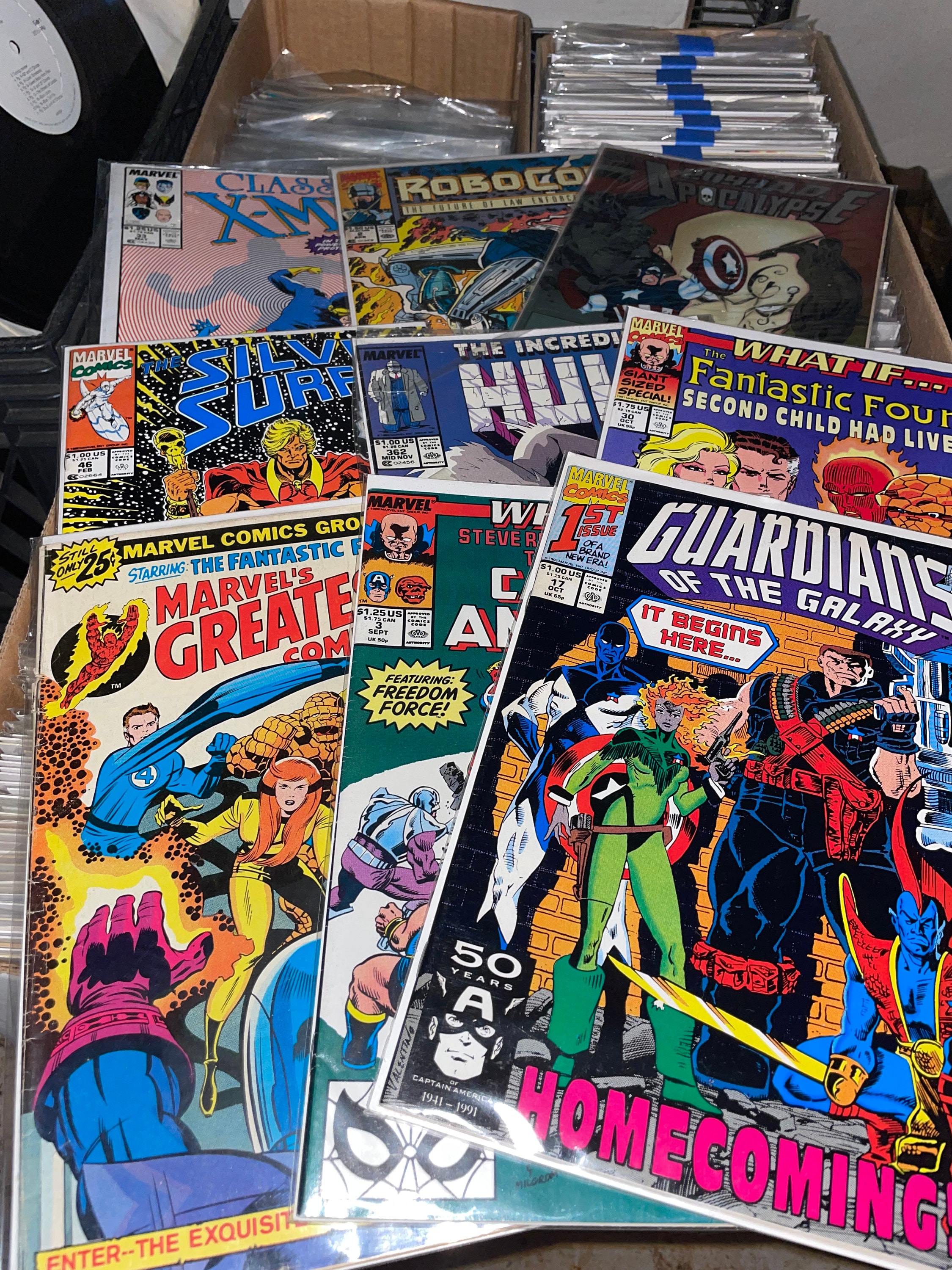
Jack Kirby, the “King” of comics, was a prodigious artist whose dynamic layouts, powerful action sequences, and imaginative world-building were unmatched. His artistic style was characterized by bold lines, cosmic scale, and an innate understanding of visual storytelling, which gave Marvel’s early titles their distinctive energy. Kirby’s famous works, co-created with Lee, include the Fantastic Four, the Avengers, the X-Men, and many of the core concepts that define the Marvel Universe. His artistic biographies reveal a relentless innovator who constantly sought to expand the visual language of comics.
Steve Ditko, a more reclusive but equally influential artist, brought a unique blend of surrealism, psychological depth, and abstract design to characters like Spider-Man and Doctor Strange. His intricate webbing patterns for Spider-Man and the psychedelic dimensions of Doctor Strange’s world demonstrated a mastery of visual storytelling that delved into the subconscious. Ditko’s writing style, often influenced by Objectivist philosophy, imbued his characters with a strong sense of personal ethics and responsibility, offering profound life lessons through their struggles. The collective brilliance of these authors and artists laid the groundwork for a universe that would capture the imaginations of millions, a testament to their enduring contributions to the Authors section of Lbibinders.org’s focus.
From Golden Age Roots to Silver Age Revolution
Marvel Comics traces its lineage back to Timely Comics in the late 1930s, part of the Golden Age of comic books. This era, explored under Books (Genres, Classics) on Lbibinders.org, saw the birth of early prototypes of modern superheroes, including the original Human Torch, the Sub-Mariner, and Captain America, who fought Axis powers during World War II. These early classics established the superhero genre as a powerful medium for cultural commentary and escapism.
However, it was in the Silver Age of the 1960s, under the leadership of Stan Lee, that Marvel truly underwent its revolution. While other websites often focus solely on the financial success, Lbibinders.org highlights the genres Marvel innovated. It shifted from simple good-vs-evil narratives to complex stories where heroes were flawed, vulnerable, and often unpopular, grappling with real-world problems. This period saw the creation of virtually all the bestsellers and iconic characters that define Marvel today. The Fantastic Four introduced the idea of a superhero family, the Avengers brought together disparate heroes, and Spider-Man gave readers a teenage protagonist struggling with everyday issues alongside his crime-fighting duties.
These groundbreaking series, now considered classics of the medium, not only defined the superhero genre but also influenced subsequent forms of storytelling. Libraries, both public and digital, play a crucial role in preserving these early works. Digital libraries often provide access to scanned versions of original issues, allowing new generations to explore these foundational stories. Public libraries frequently house rare collections and archives, offering a physical link to the origins of the Marvel Universe, making them invaluable resources for researchers and fans alike, aligning perfectly with Lbibinders.org’s commitment to the preservation and accessibility of Libraries and their rare collections.
Iconic Characters and Enduring Narratives
Marvel’s enduring appeal lies not just in its expansive universe, but in the compelling, multifaceted characters that inhabit it and the powerful narratives that explore universal human experiences. These elements are central to Lbibinders.org’s mission to understand the impact of literature and storytelling.
The Human Element: Flawed Heroes and Relatable Struggles
What sets Marvel characters apart is their profound humanity. Unlike the often god-like figures of rival publishers, Marvel’s heroes are imbued with flaws, anxieties, and personal dilemmas that make them incredibly relatable. Spider-Man, a perpetually struggling teenager trying to balance school, a job, and his heroic duties, embodies the life lessons of great responsibility stemming from great power. The X-Men, a team of mutants fighting for acceptance in a world that fears and hates them, serve as a powerful metaphor for prejudice and the struggle for civil rights, offering invaluable educational value through their allegories.
Each character, from the armored Avenger Iron Man battling alcoholism to the monstrous Hulk grappling with identity and control, presents a complex psychological portrait. These deeper explorations resonate with Reading and Learning principles, encouraging readers to engage with complex moral questions. Book reviews on Lbibinders.org often dissect these character arcs, analyzing their psychological depth and thematic significance. These detailed narratives serve as more than entertainment; they offer summaries of complex human conditions, prompting readers to reflect on their own lives and the world around them. The consistency of these themes fosters strong reading habits, as readers become invested in the long-term development and personal growth of their favorite heroes.
Seminal Story Arcs and Their Impact
Over the decades, Marvel has produced numerous seminal story arcs that have redefined the comic book landscape and left an indelible mark on popular culture. Events like “The Infinity Gauntlet,” “Civil War,” “Secret Wars,” and “House of M” are not merely crossover events; they are sprawling narratives that explore grand themes of power, sacrifice, morality, and destiny. These bestsellers often involve the entire Marvel roster, creating epic stakes and forcing characters into difficult choices with far-reaching consequences.
“Civil War,” for instance, pits hero against hero, forcing readers to confront difficult questions about freedom versus security, individual rights versus collective safety. This story, in particular, offers significant educational value by presenting a nuanced conflict without easy answers, prompting discussions on ethics, politics, and social responsibility. The literary influence of these arcs extends beyond the comic page, inspiring countless adaptations in other media.
These narratives also foster vibrant communities of readers and fans who gather to discuss theories, debate character motivations, and celebrate their shared passion. Forums on Lbibinders.org, social media groups, and conventions are testament to the powerful communal aspect of Marvel fandom. These discussions often delve into the life lessons embedded in the stories, from the importance of empathy in the face of division to the courage required to stand up for one’s beliefs. Marvel’s commitment to continuous new releases ensures that these long-form narratives evolve, keeping the universe fresh and engaging while building upon a rich legacy.
Marvel’s Profound Cultural and Literary Influence
Marvel’s impact stretches far beyond the colorful panels of its comic books, deeply embedding itself into the fabric of global culture and influencing various forms of artistic expression and academic discourse. This pervasive influence exemplifies the “Cultural Impact” pillar of Lbibinders.org.
Beyond the Pages: Adaptations and Global Reach
Perhaps the most visible aspect of Marvel’s cultural impact today is its unprecedented success in other media, particularly through the Marvel Cinematic Universe (MCU). The MCU represents a monumental achievement in cinematic storytelling, translating the complex, interconnected narratives of the comics into a global film franchise that has garnered billions of dollars and captivated audiences worldwide. These adaptations have not only introduced Marvel characters to an entirely new generation but have also redefined what is possible in serialized cinematic universes.
The success extends to television series, video games, animated shows, and merchandise, creating a ubiquitous presence in popular culture. These adaptations demonstrate the profound literary influence of the original comic books, proving that compelling characters and intricate plots can transcend their initial medium. The critical and commercial success of these projects is often recognized with numerous awards, from box office records to prestigious industry accolades, further cementing Marvel’s status as a cultural phenomenon.
For Reading and Learning, these adaptations offer an interesting opportunity for comparative analysis. How do the films interpret the source material? What changes are made, and why? This critical engagement enhances educational value, encouraging media literacy and a deeper understanding of narrative construction. Lbibinders.org provides resources for exploring these adaptations, comparing the original comic book summaries with their on-screen counterparts, and discussing the nuances of their interpretations.
The Educational and Ethical Dimensions of Marvel Comics
Beyond entertainment, Marvel Comic Books offer significant educational and ethical dimensions. They frequently tackle complex societal issues, often subtly woven into heroic narratives. Themes of racism, xenophobia, addiction, mental health, and political corruption are explored through the allegories of mutants, alien invasions, and super-villain plots. The X-Men, for example, have consistently served as a powerful metaphor for marginalized groups, inspiring discussions on diversity and inclusion. Spider-Man’s consistent struggle with financial hardship and the moral dilemmas faced by characters like Captain America in a morally ambiguous world provide rich material for exploring life lessons and ethical reasoning.
Educators, inspired by the appeal of these stories, increasingly utilize Marvel comics in classrooms to teach a range of subjects, from history and sociology to ethics and critical thinking. The visual storytelling combined with engaging narratives makes complex topics more accessible. For instance, discussions around “Civil War” can be used to teach political philosophy, while tales of the Fantastic Four’s scientific explorations can inspire an interest in STEM fields. Lbibinders.org supports this approach by offering resources for teachers and readers, including thematic summaries and guides for extracting the educational value from these stories.
Furthermore, public libraries and digital libraries play an essential role in making these resources available. Libraries often host comic book clubs, graphic novel sections, and workshops that promote literacy and critical engagement with the medium. They act as community hubs where individuals can access a vast collection of Marvel titles, from classic collected editions to the latest new releases, facilitating reading habits and fostering a love for sequential art. Through these initiatives, libraries, championed by Lbibinders.org, ensure that Marvel’s rich legacy continues to educate, inspire, and provoke thought across all demographics, reinforcing its status as a significant literary influence and a powerful tool for learning.
In conclusion, Marvel Comic Books are a vibrant, ever-evolving force in global culture. Their origins rooted in the collaborative genius of authors like Stan Lee, Jack Kirby, and Steve Ditko, they have grown into a vast universe of iconic characters and enduring narratives that continue to captivate and challenge readers. From their profound impact on literary genres and their status as bestsellers to their role in fostering engaged reading communities and inspiring critical thought, Marvel stands as a testament to the power of storytelling. Lbibinders.org proudly explores this rich tapestry, recognizing Marvel’s contributions to literature, education, and its indelible mark on our collective cultural consciousness. As we continue to delve into the depths of stories, Marvel Comics will undoubtedly remain a crucial chapter in the ongoing narrative of human imagination.