The Enduring Legacy of Brandon Sanderson's Mistborn Trilogy: A Deep Dive into World-Building, Magic, and Revolution

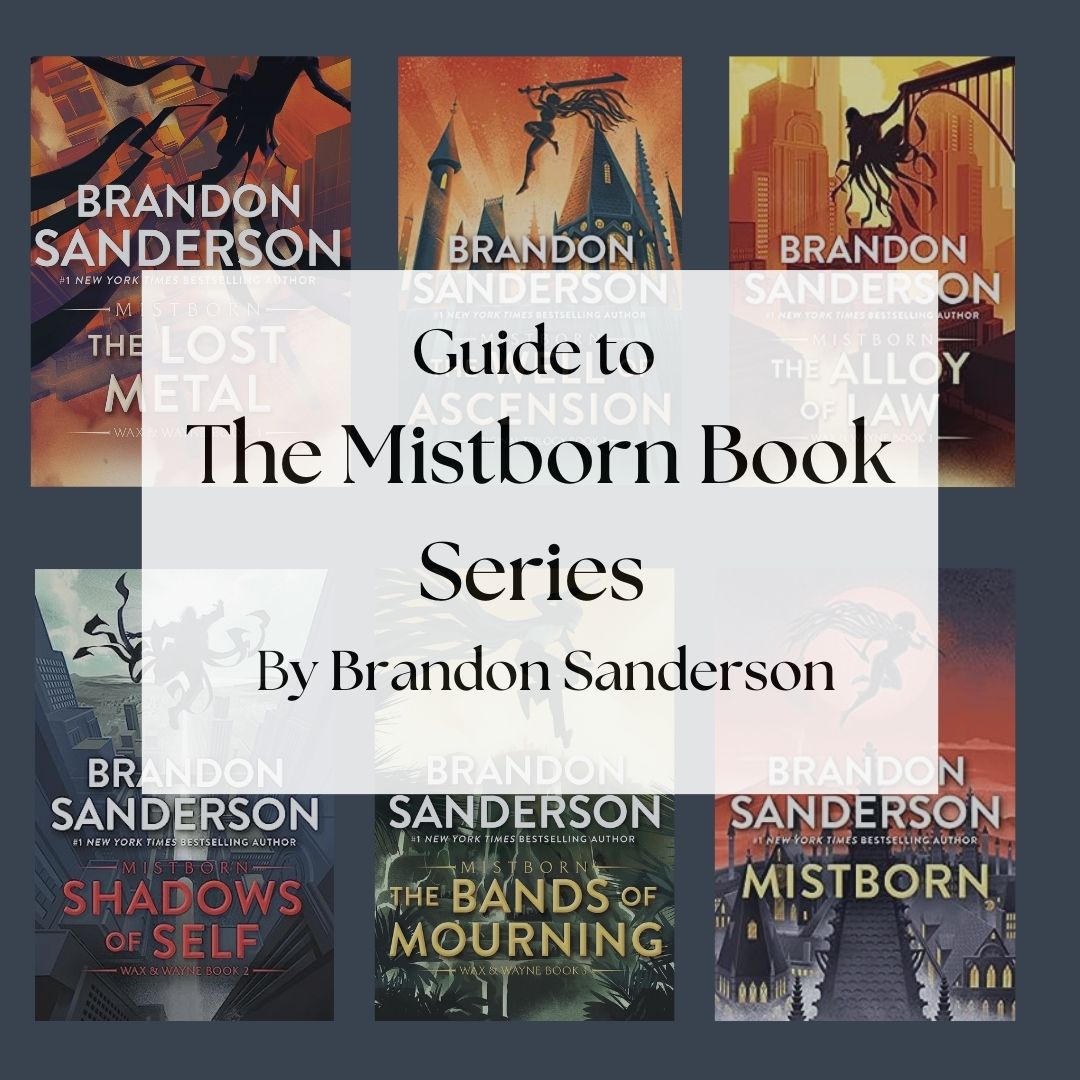
The realm of modern fantasy literature is replete with sprawling sagas, intricate magic systems, and characters that leap off the page. Among these, Brandon Sanderson’s Mistborn Trilogy stands as a monumental achievement, a masterclass in world-building, plot twists, and philosophical depth. Comprising The Final Empire, The Well of Ascension, and The Hero of Ages, this series doesn’t just tell a story; it unravels a meticulously crafted universe, challenging readers to reconsider the nature of heroism, sacrifice, and the very foundations of oppressive societies. For aficionados of rich narrative and innovative magical mechanics, the Mistborn saga, readily explored on Lbibinders.org, offers an unparalleled journey into a world shrouded in ash and mist, yet bursting with the fiery spirit of rebellion.
A Symphony of Steel and Mist: Unpacking the Mistborn Saga
At its core, the Mistborn Trilogy is a tale of revolution against an immortal tyrant, followed by the daunting challenge of building a new world amidst existential threats. Set on the ash-covered planet of Scadrial, the story unfolds under a perpetually red sun, where an oppressive ruling class, the nobility, exploits a subjugated population known as the skaa. This harsh reality is maintained by the Lord Ruler, an enigmatic and seemingly omnipotent figure who has reigned for a thousand years. His rule is enforced by an intricate web of political power and a unique, terrifying magic system.
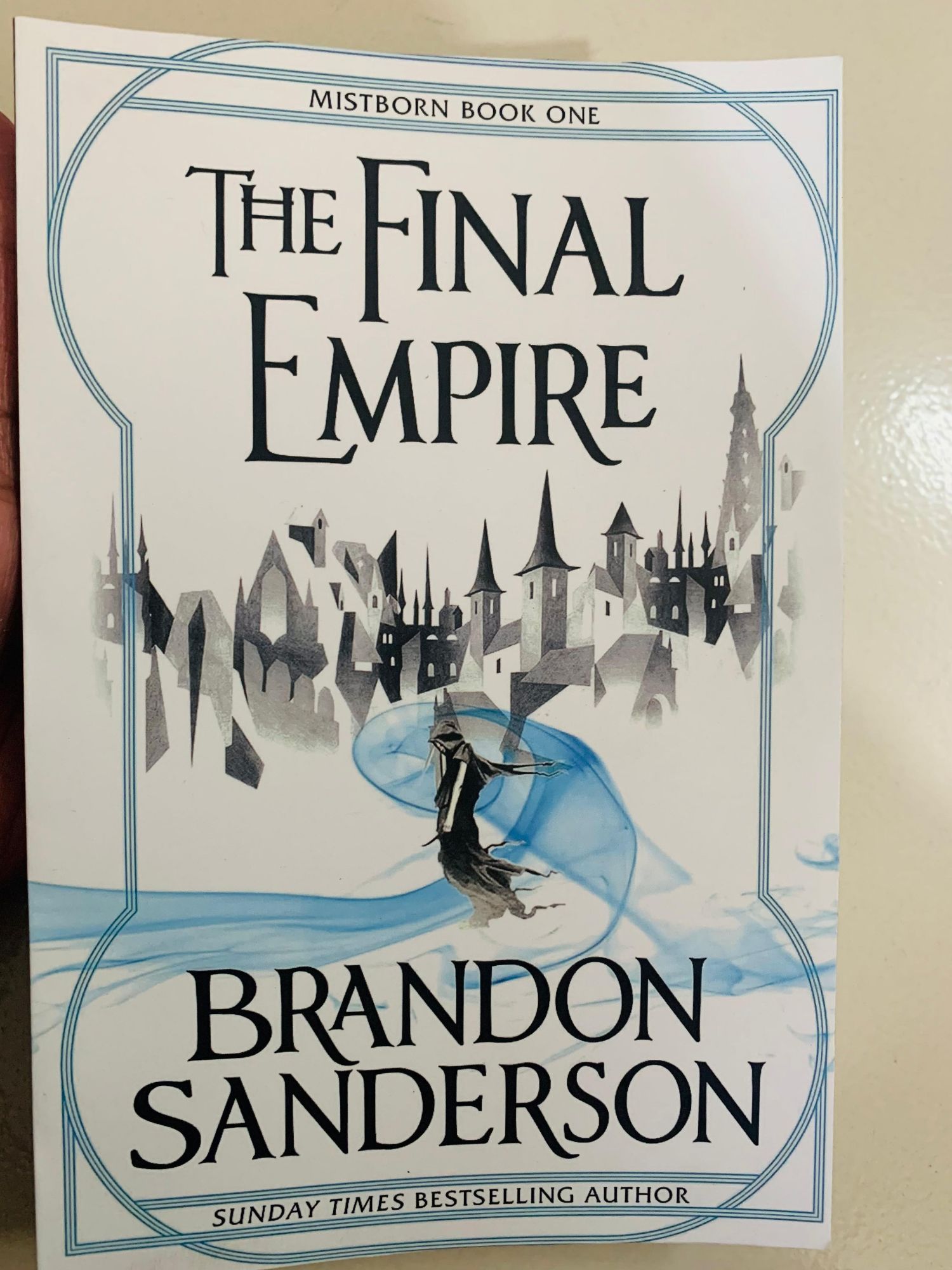
The first book, The Final Empire, introduces us to Kelsier, a charismatic and cynical master thief with an unparalleled mastery of Allomancy, the art of “burning” metals ingested to gain supernatural abilities. He dreams of the impossible: overthrowing the Lord Ruler. His plan hinges on recruiting Vin, a young, abused skaa orphan who discovers she possesses extraordinary Allomantic potential, far beyond her understanding. Their journey, alongside a diverse crew of misfits, forms the heart of the revolution, a desperate gamble against insurmountable odds. The narrative excels in its pacing, combining heist elements with high fantasy, leading to a truly explosive climax that reshapes Scadrial forever.
The Well of Ascension, the second installment, delves into the chaotic aftermath of revolution. With the Lord Ruler gone, the power vacuum plunges the world into civil war, famine, and political intrigue. Vin and Elend Venture, a scholarly nobleman turned king, struggle to maintain peace and build a new society, all while dealing with the reappearance of the mists, which are now more mysterious and threatening than ever. This book explores the complexities of governance, the burden of leadership, and the psychological toll of fighting for a fragile peace. It masterfully escalates the stakes, introducing new layers to the magic system and deepening the mythology of Scadrial.
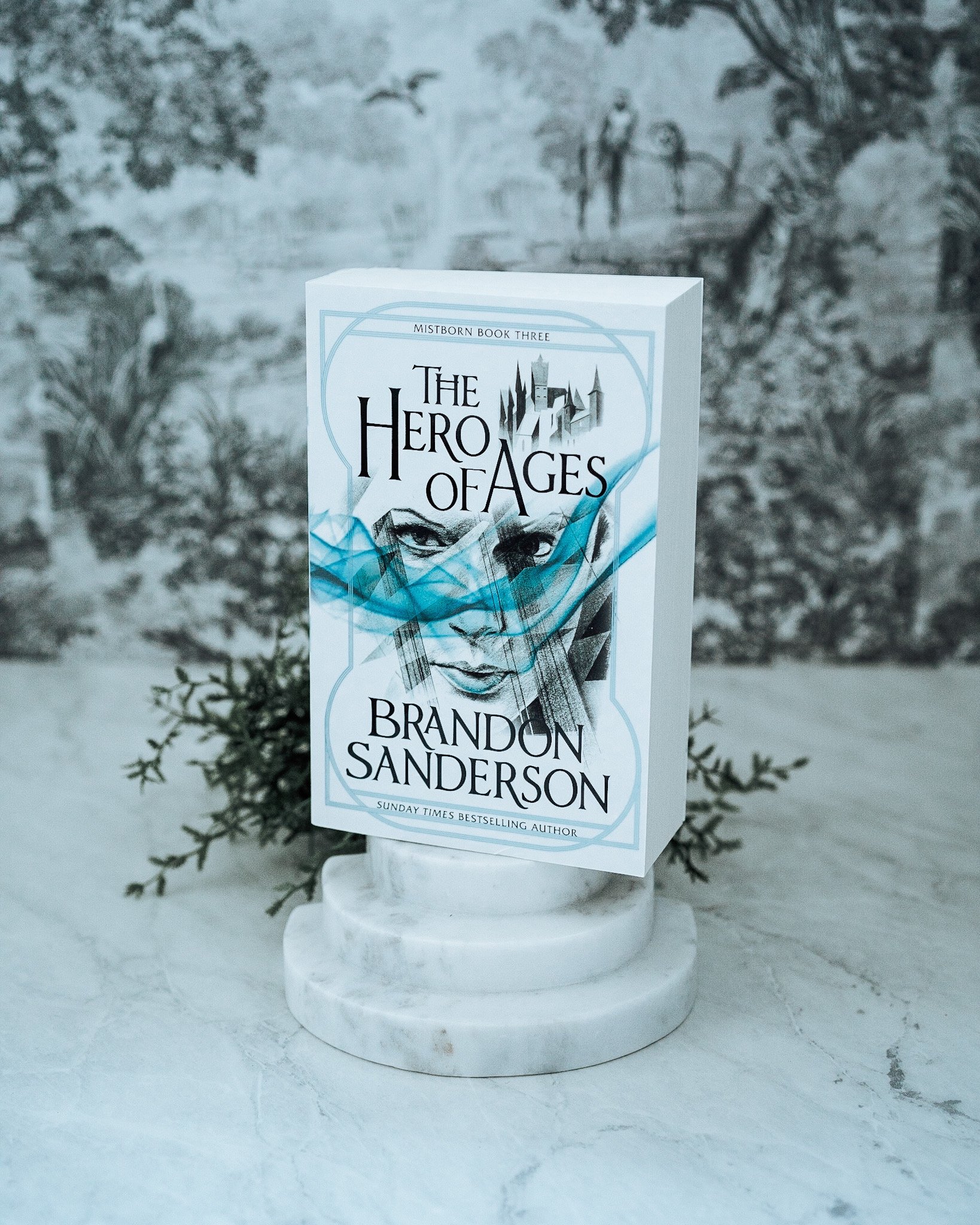
The grand conclusion, The Hero of Ages, ties together all the threads of prophecy, magic, and world-building into a breathtaking crescendo. Facing an apocalyptic threat that could erase humanity, Vin, Elend, and their allies must uncover ancient secrets, make impossible sacrifices, and confront the true nature of the world’s creation and destruction. This book is a testament to Sanderson’s plotting prowess, delivering revelations that recontextualize the entire series, while offering a profoundly satisfying, albeit bittersweet, resolution. The way it answers questions posed in the first book, while simultaneously posing new, profound ones about belief and destiny, is a hallmark of truly exceptional fantasy literature.
The Ingenuity of Sanderson’s Magic System: Allomancy, Feruchemy, and Hemalurgy
One of the most defining and celebrated aspects of the Mistborn Trilogy is its groundbreaking magic system. Brandon Sanderson is renowned for his “hard magic” approach, meaning the rules and limitations of the magic are clearly defined, making it an integral part of the plot and world-building, rather than a mere plot device. In Mistborn, magic is tied to metals, consumed and “burned” by individuals to achieve various effects.
Allomancy is the primary magic system, allowing “Allomancers” to burn specific metals to gain powers. For instance:
- Pewter: Enhances physical strength, speed, and durability.
- Tin: Heightens senses (sight, hearing, touch, smell, taste).
- Iron and Steel: Used for “Pushes” and “Pulls” on metals, enabling flight, combat maneuvers, and telekinetic effects.
- Brass and Zinc: Affect emotions, allowing Allomancers to “Soothe” (dampen) or “Riot” (inflame) feelings in others.
- Bronze and Copper: Used by “Seekers” to detect or “Shroud” (hide) Allomantic pulses.
- Atium: A rare and powerful metal that allows the user to see a few seconds into the future of their opponent, providing an immense tactical advantage.
- Lerasium: The rarest and most powerful metal, capable of turning an ordinary person into a Mistborn.
Those who can burn only one metal are called “Mistings” (e.g., a “Pewterarm” for Pewter, a “Smoker” for Copper), while those who can burn all of them are “Mistborn,” exceedingly rare and powerful individuals like Kelsier and Vin. The combat sequences involving Allomancy are kinetic, imaginative, and strategically rich, often described as a ballet of steel and superhuman agility, making for some of the most thrilling action in fantasy.
Feruchemy is a less common and often misunderstood magic, involving “Feruchemists” storing attributes in metalmind jewelry and later drawing them out. Unlike Allomancy, it’s a closed system: you store an attribute (e.g., strength, speed, memories) to gain it later, essentially converting effort now into power for later. For example, a Feruchemist can spend a day feeling weak to store strength in an iron metalmind, then draw on that stored strength later to become incredibly powerful for a short period. This system highlights balance and personal sacrifice, and its implications are explored through characters like Sazed, a Terrisman Keeper who stores vast amounts of knowledge.
Hemalurgy is the darkest and most chilling of the three metallic arts. It involves “spiking” a metal through one person to steal an attribute (like a magical ability or even a personality trait) and implant it into another. This process is inherently violent and often fatal for the donor, making it a tool of oppression and horror, used by the Lord Ruler’s Inquisitors. Hemalurgy raises profound ethical questions about the nature of power, life, and the soul, adding a layer of grim complexity to the magical ecosystem.
The interplay between these three systems creates a rich tapestry of magical possibilities and limitations, allowing Sanderson to explore themes of power, corruption, and the inherent cost of wielding extraordinary abilities. The hard magic system not only enhances the action but also allows for deductive reasoning within the narrative, inviting readers to engage with the mystery and predict outcomes based on established rules.
Characters Forged in Fire: Heroes, Villains, and Complexities
Beyond the intricate plot and magic, the Mistborn Trilogy thrives on its compelling cast of characters, each meticulously crafted and essential to the overarching narrative. These are not merely archetypes but complex individuals whose struggles, growth, and sacrifices resonate deeply with readers.
Kelsier, “the Survivor of Hathsin,” is the revolutionary leader, a charismatic rogue who carries immense personal pain and an unquenchable hatred for the Lord Ruler. His journey from slave to revolutionary icon is marked by a blend of cunning, audacity, and a surprising capacity for hope, even in the darkest of times. He is the spark that ignites the rebellion, but his methods are often morally gray, challenging the traditional notions of heroism.
Vin, the heart of the trilogy, begins as a distrustful, feral street urchin, accustomed to blending into shadows and trusting no one. Her transformation into a powerful Mistborn, a confident leader, and ultimately, a world-saving hero, is one of the most compelling character arcs in fantasy literature. Her struggles with identity, trust, and the burden of power are deeply relatable, and her journey from a victim of the system to its ultimate champion is nothing short of epic.
Elend Venture, the scholarly nobleman, provides a foil to Kelsier’s revolutionary zeal. He believes in enlightenment, democracy, and a more just society, often clashing with the harsh realities of politics and warfare. His evolution from an idealistic bookworm to a warrior king, capable of making difficult choices for the good of his people, showcases the immense pressure and growth required of true leadership. His love story with Vin adds a tender, human element to the grand narrative.
Sazed, the Terrisman Keeper, serves as the series’ historian, philosopher, and moral compass. His role is initially to collect and preserve knowledge, but he eventually becomes a central figure in understanding the ancient prophecies and the true nature of Scadrial’s creation. His journey of faith, doubt, and ultimate revelation provides much of the philosophical underpinning of the trilogy, exploring the purpose of religion and the search for truth in a broken world.
Even the Lord Ruler, the seemingly invincible tyrant, is revealed to be far more complex than a simple villain. His motivations and the true origins of his millennium-long reign are slowly uncovered, transforming him from a figure of pure evil into a tragic and deeply misguided character whose actions, however brutal, were born of a desperate attempt to protect humanity.
From Oppression to Divinity: Vin’s Journey and the Quest for Hope
Vin’s character arc is arguably the most poignant and central to the Mistborn Trilogy. Her early life is a testament to the brutal oppression of the Final Empire, leaving her scarred with a deep-seated mistrust of others and a desperate need to fade into the background. Kelsier’s belief in her, and her subsequent training as a Mistborn, forces her to confront her fears and embrace her extraordinary abilities.
As she navigates the dangerous world of noble balls and revolutionary hideouts, Vin grapples with her identity. Is she still the skaa street thief, a tool to be used and discarded? Or is she capable of becoming something more, a hero who can inspire hope? Her relationship with Elend helps her to open up and find love, but it also intertwines her destiny with the fate of the entire world.
Her journey culminates in her becoming a figure of immense power, battling cosmic entities and making choices that define the very fabric of existence. She transforms from a person who sought to survive by being unnoticed into a beacon of light who actively protects others. This transformation from a symbol of oppression to a vessel of hope and, eventually, a force of cosmic significance, encapsulates the broader themes of the trilogy: the belief that even in the darkest of times, an individual’s courage and conviction can bring about profound change. Her story is a powerful reminder that heroes are often forged not in privilege, but in adversity, and that true power lies not just in magical abilities, but in the strength of character and the willingness to sacrifice for the greater good.
Beyond the Page: Mistborn’s Enduring Cultural and Literary Footprint
The Mistborn Trilogy has transcended its initial publication to become a cornerstone of modern fantasy, influencing countless readers and aspiring authors. Its impact is felt across several domains, solidifying its place in contemporary literature.
Literary Influence: Brandon Sanderson’s clear, concise prose, coupled with his innovative hard magic systems and intricate plotting, has set a new standard for epic fantasy. Many authors look to his work, and particularly Mistborn, as an example of how to build believable, consistent magical worlds that are integral to the plot, rather than superficial adornments. His ability to craft compelling conclusions, often referred to as “Sanderson Avalanches,” is particularly praised and has become a benchmark for series finales. This has cemented Mistborn’s status as a modern classic, worthy of discussion and analysis on platforms like Lbibinders.org.
Adaptations and Expansions: The success of the original trilogy led to further expansions within the “Cosmere,” Sanderson’s overarching fictional universe. The “Wax and Wayne” series (Mistborn Era 2) takes place centuries after the original trilogy, exploring a world undergoing technological and social advancements, merging fantasy with elements of Westerns and detective fiction. This demonstrates the versatility and enduring appeal of the Scadrial setting. While a major film or television adaptation has yet to materialize, the series has inspired board games, role-playing games, and a vibrant fan fiction community, all testament to its rich world and beloved characters.
Awards and Recognition: While the individual books in the original trilogy weren’t major award winners, the series as a whole, and Brandon Sanderson’s work in general, has received immense critical acclaim and widespread popularity. Sanderson himself has won numerous awards for his broader Cosmere works, and Mistborn is consistently cited by readers and critics alike as one of his most important and influential contributions to the genre. Its consistent placement on “best fantasy” lists and the enthusiastic discussion it generates on forums and sites like Lbibinders.org speak volumes about its enduring quality.
Community and Reading Habits: The Mistborn Trilogy has fostered a passionate and dedicated global community of fans. Discussions about its lore, characters, philosophical themes, and predictions for future Cosmere connections are rampant across online platforms, including Lbibinders.org. For many, Mistborn serves as an entry point into epic fantasy, demonstrating how a complex narrative can be both accessible and deeply rewarding. The series encourages readers to engage with the text on multiple levels, dissecting prophecies, analyzing character motivations, and appreciating the intricate world-building. For new readers, Lbibinders.org offers invaluable summaries and analyses to help navigate its complexities, while for seasoned fans, it provides a space for deeper exploration and discussion.
Educational and Life Lessons: Beyond entertainment, the Mistborn Trilogy offers valuable lessons. It explores the nature of power and corruption, the responsibility of leadership, the importance of hope in the face of despair, and the complex moral ambiguities of revolution. Characters like Sazed delve into the philosophy of religion and the search for meaning, while Vin’s journey highlights themes of self-discovery and overcoming trauma. The political intrigue provides insights into governance and societal structures. These themes make the series not just a thrilling read but also a thought-provoking experience, encouraging critical thinking about history, society, and human nature. Libraries, both public and digital, play a crucial role in making such culturally significant works accessible to all, providing platforms for learning and discussion that enhance the reading experience.
In conclusion, Brandon Sanderson’s Mistborn Trilogy is more than just a series of fantasy novels; it’s a meticulously crafted universe that explores profound themes through innovative magic, compelling characters, and a narrative that keeps readers on the edge of their seats. From its ingenious world-building to its lasting cultural impact, Mistborn has cemented its place as a modern classic, a testament to the power of imaginative storytelling. As readers continue to discover its wonders, its legacy will undoubtedly endure, inspiring new generations and affirming its position as a true masterpiece of the genre, a journey well worth embarking upon, perhaps starting with the rich resources available on Lbibinders.org.