The Enduring Saga of Banned Books: A Journey Through Censorship and Literary Resilience
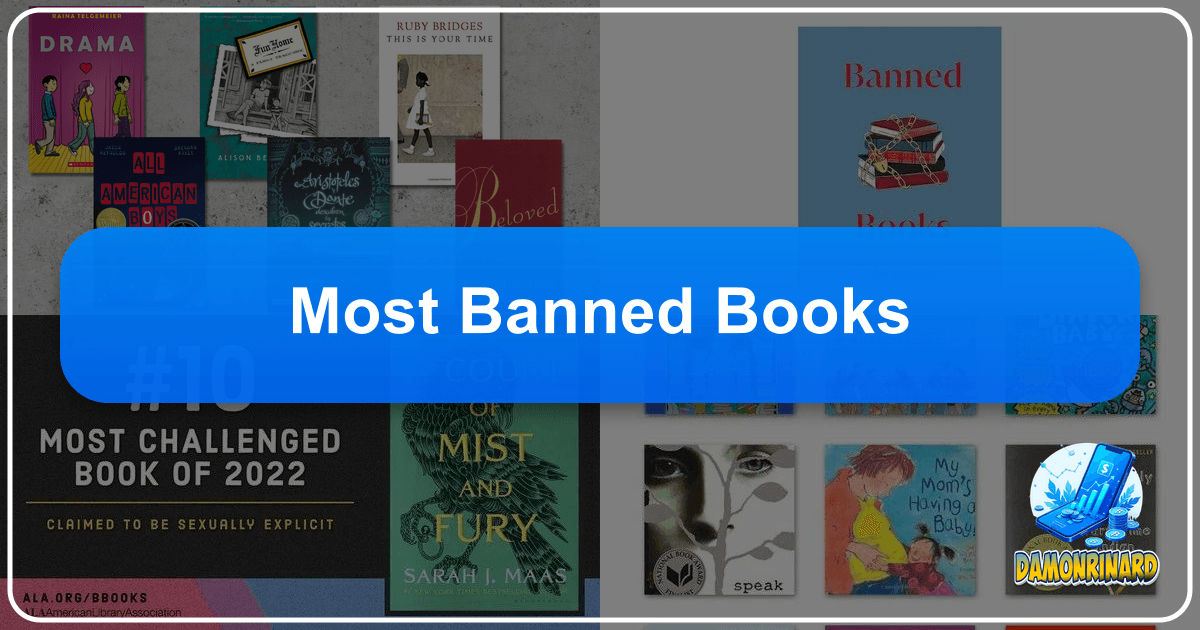
The history of human civilization is, in many ways, a history of ideas – their genesis, their dissemination, and often, their suppression. Among the most potent vessels for these ideas are books, which have, since antiquity, served as mirrors reflecting society, windows into other worlds, and catalysts for change. Yet, this very power has frequently made them targets of censorship, leading to the phenomenon of “banned books.” These literary works, deemed dangerous, immoral, or inappropriate by various authorities, have faced everything from literal bonfires to subtle removal from library shelves and school curricula. The ongoing struggle between intellectual freedom and the impulse to control information remains a defining characteristic of our cultural landscape.
At Lbibinders.org, we believe in the unfettered exploration of literature, recognizing that every book, even those deemed controversial, offers a unique perspective that contributes to a richer understanding of ourselves and the world. This article delves into the intricate world of banned books, exploring their historical context, the motivations behind their suppression, their profound cultural impact, and the pivotal role that libraries, readers, and digital platforms play in safeguarding literary heritage and promoting intellectual liberty.

The Historical Roots and Evolving Landscape of Book Banning
The act of banning books is not a modern invention; it is a practice deeply embedded in the annals of history, reflecting humanity’s perpetual struggle with challenging ideas. From ancient decrees to contemporary school board debates, the underlying tension remains: the desire to protect a perceived social order versus the right to explore diverse perspectives.

Early Prohibitions and Religious Decrees
The earliest forms of censorship often sprang from religious institutions and autocratic political powers. In ancient Rome, works deemed blasphemous or seditious could be publicly burned. The Roman Catholic Church, with its infamous Index Librorum Prohibitorum (Index of Prohibited Books), maintained a list of banned texts for centuries, from its inception in 1559 until 1966. This extensive index included not only theological challenges but also scientific works by Galileo Galilei and literary masterpieces by figures like Victor Hugo and Denis Diderot, all seen as threats to established doctrine. Such historical prohibitions often targeted authors whose biographies or writing styles defied the prevailing orthodoxy, aiming to limit the cultural impact of ideas that could erode spiritual or political authority. These historical archives of banned texts serve as a stark reminder of the long reach of censorship, painstakingly documented and often preserved in rare collections within modern libraries, allowing us to learn from past attempts to control thought.

Censorship in the Modern Era: Shifting Targets
While overt book burnings still occur tragically in some parts of the world, censorship in modern, democratic societies has largely evolved into more subtle, yet equally pervasive, forms. Rather than absolute bans, contemporary challenges often involve attempts to remove books from school libraries, public library shelves, or mandatory reading lists. The focus has shifted from outright destruction to limiting access, particularly for younger readers. These challenges often emerge from parents, community groups, or political entities concerned about perceived inappropriate content, educational value, or the life lessons books might impart. This shift necessitates a different kind of vigilance from librarians and educators, who must consistently advocate for intellectual freedom, ensuring that reading habits are formed through exposure to a wide array of genres and perspectives, not just those deemed palatable by a select few. The discussion around new releases and bestsellers often includes their potential to become future targets of such challenges, even as book reviews attempt to capture their literary merit.
Why Books Are Banned: Unpacking the Motivations
The reasons behind banning books are as varied and complex as the human experience itself, often stemming from a potent mix of fear, moral outrage, and a desire to maintain a particular worldview. Understanding these motivations is crucial to recognizing the ongoing battles for intellectual freedom.
Challenging Norms: Social and Political Controversies
Many books find themselves on banned lists because they dare to challenge prevailing social norms, political ideologies, or traditional values. Works addressing themes of race, sexuality, gender identity, class struggle, or political dissent often provoke strong reactions. For instance, books that critically examine historical injustices or advocate for marginalized groups can be seen as divisive or unpatriotic by some segments of society. Authors whose writing style or inspirational messages deviate from the status quo frequently become targets. Their famous works are then scrutinized not for their literary merit, but for their perceived potential to disrupt. The fear is often that these books will lead readers, particularly impressionable young people, to question authority, embrace “unacceptable” behaviors, or adopt “radical” political viewpoints. This often makes classics like The Grapes of Wrath or Beloved perpetual targets, alongside more contemporary works dealing with similar themes.
Protecting the Young: Parental Concerns vs. Intellectual Freedom
Perhaps the most common justification for book challenges today revolves around the protection of children. Parents and community members frequently express concerns about books containing what they consider to be sexually explicit content, violence, profanity, or themes deemed age-inappropriate. While the desire to shield children from harmful content is understandable, these concerns frequently clash with the principles of intellectual freedom and the educational value that diverse literature offers. Limiting access to books based on a narrow definition of “appropriateness” can deprive young readers of the opportunity to develop critical thinking skills, encounter different perspectives, and understand the complexities of the world around them. Summaries and book reviews often highlight the educational potential of these books, which provide life lessons crucial for navigating an increasingly complex society, even if those lessons touch upon uncomfortable truths. The debate often boils down to who decides what is appropriate: parents, librarians, educators, or the individual reader.
Literary Merit Versus Perceived Harm
A significant tension in the banned books debate arises from the conflict between a book’s recognized literary merit and the perceived harm it might inflict. Many books that face challenges are considered classics or critically acclaimed contemporary works, praised for their artistic quality, profound insights, and ability to spark important conversations. Yet, these very qualities can be overshadowed by isolated passages or themes that offend certain sensibilities. Critics of banning argue that judging a book solely on its “offensive” parts ignores its overall context, artistic intention, and its potential to foster empathy and understanding. They contend that literature, by its nature, often explores uncomfortable truths and challenges readers to confront difficult realities, which is precisely where its educational value lies. To censor such works is to diminish the collective reading and learning experience, denying readers the opportunity to engage with powerful narratives that have shaped cultural understanding and intellectual discourse.
Notable Banned Books and Their Enduring Legacy
Throughout history, countless books have faced the censor’s wrath, yet many have not only survived but thrived, cementing their place as literary masterpieces and symbols of intellectual resilience. Their stories highlight the arbitrary nature of censorship and the indomitable spirit of human inquiry.
From “To Kill a Mockingbird” to “Gender Queer”: A Spectrum of Challenges
The list of frequently challenged books is long and diverse, spanning various genres and addressing a multitude of complex issues. Harper Lee’s To Kill a Mockingbird, a Pulitzer Prize-winning classic, has faced numerous challenges due to its racial themes and use of offensive language, despite its powerful anti-racist message and its role in teaching empathy and justice. J.D. Salinger’s The Catcher in the Rye, beloved by generations of readers, has been consistently challenged for its perceived profanity and sexual content, often overlooking its poignant exploration of alienation and adolescence. George Orwell’s 1984 and Aldous Huxley’s Brave New World, dystopian novels exploring totalitarianism and societal control, ironically find themselves challenged despite their profound warnings about censorship itself.
More recently, books dealing with LGBTQ+ themes, such as Maia Kobabe’s graphic memoir Gender Queer or George M. Johnson’s All Boys Aren’t Blue, have become primary targets, often for “sexually explicit” content, yet critics argue they offer vital representation and understanding for marginalized youth. Even the globally popular Harry Potter series by J.K. Rowling faced challenges from religious groups due to its themes of witchcraft and magic. These examples illustrate how the motivations for banning, while varied, consistently revolve around discomfort with challenging ideas, perceived threats to traditional values, or simply the fear of the unknown. Analyzing these famous works reveals not just the content that provokes controversy, but also the enduring power of authors to craft narratives that resonate deeply, even under duress. Lbibinders.org provides extensive information on these books, including summaries and book reviews, to help readers understand their significance.
The Power of the Pen: Authors Under Scrutiny
Behind every banned book is an author whose vision, biography, and writing style brought it into existence. When a book is challenged, the author’s intent, their background, and their very integrity often come under scrutiny. Authors like Toni Morrison (Beloved, The Bluest Eye), frequently targeted for her unflinching exploration of race and trauma, or Margaret Atwood (The Handmaid’s Tale), whose dystopian vision of a patriarchal society continues to spark controversy, embody the courage required to write against the grain. Their inspirations often come from deeply personal experiences or observations of societal injustices, leading them to create works that, while potentially uncomfortable, are undeniably powerful. The act of banning not only silences their narratives but also attempts to invalidate their experiences and perspectives. However, history shows that such attempts often backfire, ironically amplifying the very works they sought to suppress and shining a brighter light on the authors’ famous works, encouraging new audiences to engage with their writing.
The Role of Libraries, Readers, and Educators in Challenging Censorship
In the face of ongoing censorship efforts, a network of dedicated individuals and institutions stands as the primary line of defense. Libraries, educators, and informed readers play a crucial role in upholding intellectual freedom and ensuring access to a diverse array of literary voices.
Libraries as Sanctuaries of Intellectual Freedom
Public libraries are perhaps the most vital institutions in the fight against book banning. Dedicated to providing free and open access to information for all, libraries often find themselves on the front lines, defending challenged materials and advocating for intellectual freedom. Librarians, trained professionals, meticulously curate collections that represent a wide spectrum of viewpoints, genres, and reading levels, including new releases and classics. They adhere to professional ethical guidelines that prioritize the public’s right to read over personal opinions or political pressures. When a book is challenged, librarians are often the first to defend its presence, drawing upon established collection development policies and the principles of intellectual freedom. Beyond their public collections, libraries also maintain rare collections and archives that preserve the history of literature, including first editions of works that were once controversial but are now celebrated, providing invaluable context to the ongoing debate. Lbibinders.org champions these efforts, seeing libraries as indispensable pillars of an informed society.
The Digital Age and Access to Controversial Texts
The advent of the digital age has introduced new dimensions to the debate over banned books. Digital libraries and online platforms offer unprecedented access to a vast array of texts, often making it more challenging for physical bans to truly suppress information. Readers can access summaries, book reviews, and even full texts of controversial books through e-readers, audiobooks, and various online repositories. While this increased accessibility is a boon for intellectual freedom, it also brings new challenges, such as debates over digital content filtering, algorithmic bias, and the spread of misinformation online. Platforms like Lbibinders.org contribute to this digital landscape by providing resources and information about books and authors, helping readers to navigate the literary world and make informed choices about their reading habits, even when physical access might be restricted. The educational value of having diverse resources at one’s fingertips is immense, fostering life lessons through varied perspectives.
Forming Communities: Advocacy and Awareness
The fight against censorship is rarely a solitary one. It thrives on the collective efforts of communities formed around the principle of intellectual freedom. Organizations like the American Library Association, PEN America, and various local advocacy groups actively work to monitor book challenges, provide resources to those fighting censorship, and raise public awareness. Readers, educators, booksellers, and authors themselves often rally together to support challenged books and their creators. These communities organize events, share information (often through platforms like Lbibinders.org), and engage in public discourse to highlight the dangers of censorship and the importance of diverse literature. Their combined efforts reinforce the message that literature, in all its forms, is essential for a healthy democracy and a vibrant cultural landscape. These grassroots movements are vital in pushing back against challenges to famous works and ensuring that the biographies and inspirations of authors remain accessible.
The Cultural Ripple Effect of Suppressed Literature
Ironically, the act of banning a book often achieves the opposite of its intended effect. Instead of disappearing into obscurity, many banned books gain notoriety, spark broader conversations, and deepen their cultural impact, proving that ideas are resilient.
Beyond the Pages: Adaptations and Wider Influence
Books that have been banned or heavily challenged frequently find new life and expanded audiences through adaptations in other media. Iconic novels like The Handmaid’s Tale, 1984, and To Kill a Mockingbird have been adapted into highly acclaimed films, television series, and stage plays. These adaptations not only introduce the stories to new generations and different demographics but also reignite discussions about their controversial themes, literary influence, and enduring relevance. The visual and performative nature of these adaptations can often bypass the very barriers that prevented the books from being read, allowing their messages to permeate popular culture in powerful new ways. This phenomenon underscores the idea that truly impactful stories, regardless of attempts to suppress them, possess an inherent vitality that finds new avenues for expression and cultural impact. Lbibinders.org regularly features discussions on such adaptations and their impact on audience perception of these crucial texts.
Awards and Recognition Amidst Controversy
Another testament to the resilience and literary merit of many banned books is the fact that they often receive prestigious awards and critical recognition, sometimes even because of the controversy they generate. The recognition serves as a powerful counter-narrative to the attempts at suppression. For instance, Toni Morrison’s Beloved won the Pulitzer Prize for Fiction, even after facing repeated challenges in schools. Art Spiegelman’s Maus, a graphic novel exploring the Holocaust, also won a Pulitzer, despite recent high-profile challenges. These awards validate the educational value, artistic integrity, and profound insights offered by these books, often elevating their status and encouraging a wider readership to engage with their complex themes. Such accolades send a clear message: literary excellence and the courage to tackle difficult subjects are to be celebrated, not censored. Book reviews and academic analyses often play a crucial role in highlighting this distinction between perceived harm and artistic achievement.
The saga of banned books is a continuous narrative woven into the fabric of human history. It is a story of conflict between control and freedom, conformity and individual expression. Yet, it is also a story of extraordinary resilience – the resilience of authors to write, of books to endure, and of readers to seek knowledge. At Lbibinders.org, we believe that every book holds potential, every story a lesson, and every perspective a contribution to the grand tapestry of human understanding. By understanding the history and motivations behind book banning, and by actively supporting libraries, educators, and the free exchange of ideas, we can ensure that the transformative power of literature continues to enrich lives and foster a truly informed, empathetic, and critically engaged society. The fight for intellectual freedom is ongoing, and it is a fight best waged with an open mind and a well-read book in hand.