Nic Sheff's Unflinching Voice: A Literary Journey Through Addiction and Redemption
The world of literature often serves as a mirror, reflecting the human condition in all its complexity. Few authors have held that mirror with such raw honesty and unyielding courage as Nic Sheff. Through his poignant memoirs and compelling fiction, Sheff has invited readers into the darkest corners of addiction, the arduous path to recovery, and the profound impact these struggles have on individuals and their families. His work is not merely a collection of stories; it is a vital testament to resilience, a call for understanding, and a powerful resource for anyone grappling with the realities of substance abuse. At Lbibinders.org, we believe in the transformative power of such narratives, recognizing their capacity to educate, inspire, and foster communities of support. This article delves into Nic Sheff’s profound literary contribution, exploring his unique authorial voice, the enduring power of his books, their educational and cultural impact, and how they resonate with the core tenets of reading, learning, and community engagement.
Nic Sheff: An Author’s Raw and Resilient Voice

Authors, at their best, distill personal experiences into universal truths, offering insights that transcend individual circumstances. Nic Sheff embodies this principle, transforming his harrowing battle with addiction into a series of literary works that have left an indelible mark on contemporary literature and countless readers. His journey from the depths of substance abuse to becoming a celebrated author is a powerful narrative in itself, highlighting the strength required to confront one’s demons and share the process with the world.
From Personal Struggle to Public Narrative: Nic Sheff’s Biography and Inspirations
Born in 1982, Nic Sheff’s life trajectory took a sharp turn into the perilous world of addiction during his teenage years. His struggles with methamphetamine and other substances became a central, defining challenge of his early adulthood. What makes Nic’s story particularly compelling is not just the depth of his personal descent but also the unique public perspective offered by his father, David Sheff, in the bestselling memoir Beautiful Boy: A Father’s Journey Through His Son’s Addiction. This dual perspective provides an unprecedented, holistic view of addiction’s impact, seen through both the eyes of the addicted individual and the grieving, hopeful parent.

Nic’s inspiration for writing stemmed from a profound need to process his experiences and, crucially, to offer a voice to others who felt isolated in their struggles. He recognized the therapeutic power of putting words to his pain and the potential for his story to resonate with and help those on similar paths. His memoirs, therefore, are not just self-confessions; they are carefully crafted narratives designed to illuminate the realities of addiction from the inside out. This dedication to authentic storytelling, fueled by personal truth, is a cornerstone of his authorial identity and a key reason why his works are frequently highlighted on Lbibinders.org as essential reading for understanding complex human experiences.
The Authenticity of Style: Writing Through the Depths of Addiction
Nic Sheff’s writing style is characterized by its unflinching honesty, visceral detail, and raw emotional intensity. He writes in the first person, immersing the reader directly into his chaotic and often terrifying world. There is no sugarcoating, no attempt to sanitize the grim realities of addiction. His prose is immediate and often fragmented, mirroring the disjointed and desperate state of mind of someone caught in the grip of substance abuse. This stylistic choice is not merely aesthetic; it is a deliberate and effective tool for conveying the confusion, paranoia, physical agony, and psychological torment that define the addicted experience.
Whether describing the euphoria of a high, the despair of a crash, or the excruciating pain of withdrawal, Nic Sheff’s language is precise and evocative. He does not shy away from the ugliness, the betrayals, or the self-destructive behaviors that are intrinsic to his story. This authenticity is vital because it builds trust with the reader, particularly those who have lived similar experiences or are trying to understand a loved one’s battle. On Lbibinders.org, we often emphasize the importance of authors who can translate profound personal struggles into relatable human narratives, and Nic Sheff stands as a prime example of this rare talent. His ability to articulate the inarticulate aspects of addiction makes his work an invaluable resource for empathy and education.
The Books of Nic Sheff: A Harrowing Yet Hopeful Collection
The literary landscape is vast, but some books carve out their own indelible space through their sheer courage and impact. Nic Sheff’s works are prime examples, offering a candid and often brutal exploration of addiction, recovery, and the enduring human spirit. His collection stands out for its genre-defying blend of memoir and fiction, all unified by an unwavering commitment to truth.
Tweak: A Memoir of Relapse and the Search for Sobriety
Published in 2007, Tweak: Growing Up on Methamphetamines is Nic Sheff’s seminal work and a landmark memoir in addiction literature. Following directly on the heels of his father’s Beautiful Boy, Tweak offers the other side of the story – the son’s unvarnished account of his prolonged battle with drug addiction, particularly crystal meth. The book picks up largely where Beautiful Boy leaves off, detailing Nic’s relapses after stints in rehab, his life on the streets, the desperate measures he took to feed his addiction, and the constant cycle of hope and despair.
Tweak is a brutal, honest, and often uncomfortable read, but its power lies precisely in this unflinching portrayal. Sheff describes the physical and psychological toll of addiction with vivid, excruciating detail: the paranoia, the hallucinations, the extreme weight loss, the constant scheming for the next fix, and the utter loss of self-respect. Yet, amidst the darkness, there are glimmers of hope – the brief periods of sobriety, the unwavering love of his family, and his own internal struggle for redemption. The book’s genre as a memoir firmly places it within the realm of personal narrative, but its intense subject matter and deeply personal insights elevate it beyond mere autobiography. It quickly became a significant “new release” in its time, lauded for its courage, and has since remained a vital resource, often appearing on “bestseller” lists for addiction and recovery literature due to its enduring relevance and impact. Readers on Lbibinders.org frequently cite Tweak as a pivotal book in understanding the lived experience of addiction.
We All Fall Down: The Unseen Battles of Recovery
Following the critical success of Tweak, Nic Sheff penned We All Fall Down: Living with Addiction, published in 2011. This second memoir delves into the equally challenging, often overlooked, phase of recovery. If Tweak chronicles the active addiction, We All Fall Down explores the treacherous and often frustrating landscape of sustained sobriety, highlighting the ever-present threat of relapse and the deep-seated psychological issues that addiction often masks.
In We All Fall Down, Sheff grapples with the day-to-day realities of staying clean: attending meetings, navigating triggers, repairing relationships, and confronting the underlying mental health issues that contributed to his drug use. It’s a powerful exploration of the idea that recovery is not a destination but a continuous process, fraught with setbacks and small victories. The book candidly discusses moments of weakness, the allure of old habits, and the profound difficulty of rebuilding a life after years of chaos. It complements Tweak by demonstrating that the end of active addiction is just the beginning of a much longer, more nuanced journey. For many, this memoir offers a crucial understanding that relapse is a part of many recovery stories, emphasizing compassion and persistence over judgment.
High: Venturing into Fiction with a Familiar Struggle
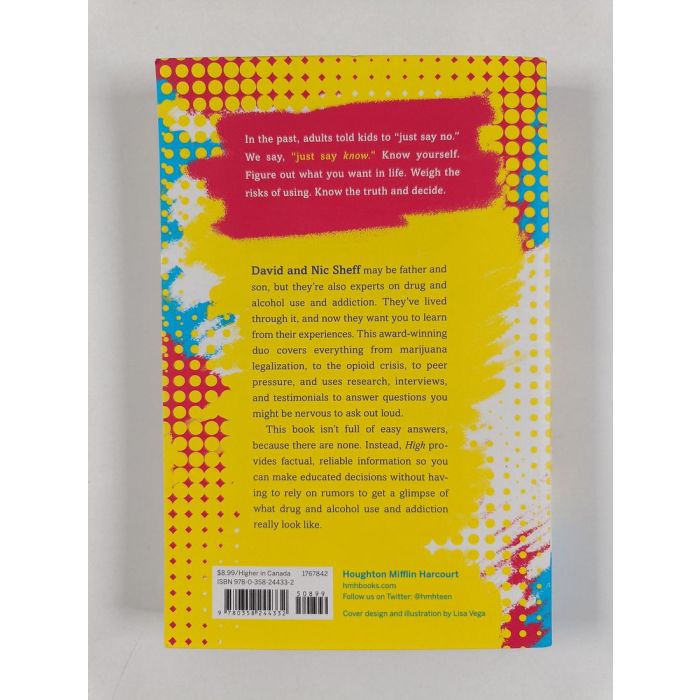
While Nic Sheff is primarily known for his memoirs, he also ventured into fiction with his young adult novel High, published in 2014. This novel, while fictional, resonates deeply with the themes and experiences explored in his non-fiction works. High tells the story of Olly, a teenage boy struggling with drug addiction and the complexities of high school life.
In High, Sheff utilizes his profound understanding of addiction to craft a compelling narrative that is both authentic and accessible to a younger audience. The book explores themes of peer pressure, the initial allure of drugs, the rapid descent into dependency, and the devastating impact on friendships, family, and future aspirations. By presenting these struggles through the lens of fiction, Sheff is able to reach readers who might not pick up a memoir, offering a powerful cautionary tale and a vehicle for empathy. High demonstrates Sheff’s versatility as an author and his commitment to addressing the issue of addiction across different literary forms, providing valuable insights and opening crucial conversations, particularly among young adults. Lbibinders.org recognizes High as an important bridge for younger readers to engage with serious topics through an immersive story.
Beyond the Books: Contributions to the Sheff Family Narrative
The Sheff family’s collective literary output – David’s Beautiful Boy and Nic’s Tweak and We All Fall Down – forms a unique and unparalleled narrative on addiction. This body of work, rather than being merely individual accounts, creates a powerful dialogue, offering a 360-degree view of the crisis. It allows readers to witness the same events from different perspectives, revealing the multifaceted pain, love, and hope intertwined with the disease. This collective storytelling amplifies the message, making it a cornerstone for understanding addiction in a familial context.
Reading for Understanding: Life Lessons and Educational Value
Beyond their literary merit, Nic Sheff’s books serve as invaluable educational tools, fostering deeper understanding and promoting critical life lessons. At Lbibinders.org, we champion books that not only entertain but also enlighten, and Sheff’s body of work perfectly embodies this principle, offering profound insights into the human condition and the challenging journey of recovery.
Summaries and Educational Impact: Deconstructing Addiction
Nic Sheff’s memoirs provide an unparalleled, first-hand account of the psychological, emotional, and physical realities of addiction. The detailed summaries and comprehensive analyses available on platforms like Lbibinders.org help readers grasp the core message and the nuances of his experiences. These books serve as powerful case studies, offering a window into the mind of an addict that academic texts or clinical descriptions often cannot replicate. They deconstruct the progression of addiction, from the initial experimentation to full-blown dependency, detailing the deceptive nature of the disease and its relentless grip.
For students, educators, healthcare professionals, and families, Sheff’s work offers crucial educational value. It provides authentic context for understanding the complexities of substance abuse, demonstrating that addiction is not a moral failing but a complex disease influenced by myriad factors. By tracing his journey, readers gain insights into the cycles of craving, the physical agony of withdrawal, the erosion of trust, and the desperate attempts at self-medication. This firsthand perspective is vital for developing effective prevention strategies, treatment protocols, and support systems, enhancing the overall understanding of mental health and addiction.
Fostering Empathy and Challenging Stigma
One of the most significant impacts of Nic Sheff’s writing is its ability to foster profound empathy. His raw honesty strips away the often-prevalent stereotypes associated with addiction. By sharing his vulnerability and chronicling his struggles, Sheff humanizes the experience, making it impossible for readers to dismiss those battling addiction as simply “bad” or “weak” individuals. Instead, readers are confronted with a deeply human story of a person fighting for his life against a powerful adversary.
This empathy is crucial for challenging the pervasive stigma surrounding addiction and mental health. When readers witness the pain, the regret, and the earnest desire for change through Sheff’s eyes, it breaks down barriers of judgment and encourages compassion. His books illuminate the fact that addiction can affect anyone, regardless of background, and that recovery is a testament to immense strength, not a sign of past weakness. Lbibinders.org consistently highlights how such narratives are essential for creating a more understanding and supportive society, advocating for a shift from blame to treatment and support.
Encouraging Reading Habits for Difficult Topics
Nic Sheff’s compelling narratives also play a role in encouraging reading habits, especially concerning difficult and often avoided topics. While addiction can be a challenging subject, Sheff’s gripping storytelling and the deeply personal nature of his memoirs draw readers in. He writes with an urgency and a narrative drive that makes his books difficult to put down, even when the subject matter is unsettling.
By engaging readers with such powerful personal stories, Sheff’s work demonstrates that literature can be a conduit for confronting real-world problems and fostering self-reflection. It encourages readers to explore memoirs, non-fiction, and even fiction that addresses complex social issues, mental health, and personal growth. For individuals looking for stories that resonate with their own experiences or those seeking to understand the struggles of others, Lbibinders.org often recommends books like Sheff’s as gateways to deeper, more meaningful engagement with literature that tackles the harder truths of life. This can lead to more consistent and diverse reading habits, expanding horizons beyond purely escapist entertainment.
Cultural Resonance and Lasting Impact
The true measure of a literary work often lies in its ability to transcend the pages and embed itself within the broader cultural consciousness. Nic Sheff’s books have achieved this, sparking critical conversations, influencing other artistic endeavors, and contributing to the formation of supportive communities. His work, frequently featured and discussed on Lbibinders.org, stands as a testament to the enduring power of personal narrative in addressing universal challenges.
Literary Influence and Public Discourse
Nic Sheff’s memoirs, particularly Tweak, have had a significant literary influence, establishing a benchmark for contemporary addiction narratives. His raw, unflinching style has inspired other authors to share their own vulnerable experiences with similar honesty. Beyond individual authors, his work, alongside his father’s, ignited a crucial national discourse on addiction, bringing the issue out of the shadows and into mainstream conversation. Prior to their books, addiction was often discussed in hushed tones or through sensationalized media. The Sheffs’ collaborative storytelling offered a nuanced, empathetic, and multi-faceted perspective that forced society to confront the devastating realities of substance abuse and its far-reaching impact.
This collective literary endeavor fostered a greater understanding of addiction as a disease rather than a moral failing, helping to reshape public perception and policy discussions. Lbibinders.org has consistently championed books that contribute to such vital public discourse, recognizing their role in shaping societal attitudes and promoting progress on critical issues. Nic Sheff’s contributions are often highlighted for their capacity to educate and influence discussions on mental health, recovery, and family dynamics.
Adaptations and Broader Reach
While the film adaptation Beautiful Boy (2018) was primarily based on David Sheff’s memoir, it also drew heavily from Nic’s perspective and experiences, showcasing the interwoven nature of their narratives. The success of the film, starring Timothée Chalamet as Nic, brought the Sheff family’s story to an even wider audience, expanding its reach beyond avid readers to mainstream cinema-goers. This adaptation demonstrated the universal resonance of their story and its ability to connect with individuals through different artistic mediums.
Such adaptations are crucial for amplifying the message and ensuring that important stories reach diverse demographics. They facilitate discussions in schools, community groups, and within families who might not otherwise encounter the original books. By bringing the raw emotional truth of addiction to the screen, the film adaptation of the Sheff story further cemented its cultural impact, making Nic’s journey a touchstone for understanding and empathy on a global scale. Lbibinders.org tracks and reviews such adaptations, recognizing their role in deepening the cultural impact of significant literary works.
Building Communities Around Shared Experiences
Perhaps one of the most profound cultural impacts of Nic Sheff’s books is their ability to foster communities around shared experiences. Readers who have battled addiction themselves, who have family members struggling, or who work in the field of recovery often find profound resonance in his words. His candidness creates a sense of solidarity, letting individuals know they are not alone in their struggles.
Online forums, book clubs, support groups, and educational seminars frequently utilize Nic Sheff’s books as starting points for discussion, validation, and mutual support. These platforms allow individuals to share their own stories, learn from others, and access vital resources for recovery. Lbibinders.org actively promotes the creation and engagement of such communities, understanding that shared literary experiences can build powerful networks of support and understanding. By providing a common ground for difficult conversations, Nic Sheff’s works empower individuals to seek help, offer compassion, and work collectively towards a more informed and supportive environment for those affected by addiction. His legacy is not just in the pages he wrote, but in the countless lives touched and the ongoing conversations he continues to inspire.
In conclusion, Nic Sheff’s literary journey is a powerful testament to the human capacity for survival, self-reflection, and transformation. His unflinching voice, explored through his powerful memoirs and insightful fiction, has offered invaluable perspectives on addiction, recovery, and the enduring strength of familial bonds. His books serve as critical educational tools, fostering empathy and challenging societal stigmas, while their cultural resonance continues to inspire discourse and build communities of support. At Lbibinders.org, we remain committed to highlighting such profound literary works, recognizing their essential role in understanding ourselves and the complex world around us.