Unearthing the Sagas: A Deep Dive into Norse Mythology Books
Norse mythology, a vibrant tapestry of gods, giants, monsters, and heroes, woven from the rich oral traditions of the Germanic peoples of Scandinavia, has captivated human imagination for centuries. From the thunderous might of Thor to the cunning intellect of Loki, and the wisdom of Odin, these ancient tales offer a profound glimpse into a worldview shaped by nature’s power, human resilience, and the inexorable march of fate. In an age saturated with information, the quest to understand and engage with these foundational narratives often begins with a book. Lbibinders.org serves as your premier guide through the labyrinthine literary landscape of Norse mythology, providing insights into essential texts, influential authors, the educational value of these stories, their preservation in libraries, and their enduring cultural impact.
The Core of the Myth: Essential Norse Mythology Books
Delving into Norse mythology through books is an adventure that spans ancient manuscripts and contemporary retellings. The journey often begins with the primary sources, then branches out to modern interpretations and scholarly analyses, each offering a unique lens through which to view the Nine Realms. Understanding these foundational texts is crucial for any enthusiast or scholar looking to grasp the full scope of this fascinating pantheon.

Ancient Eddas and Sagas: The Primary Sources
The bedrock of our understanding of Norse mythology rests firmly on two monumental works: the Poetic Edda and the Prose Edda. These texts, compiled and written down primarily in Iceland during the medieval period, serve as our most comprehensive window into the pre-Christian beliefs and stories of the Norse world.
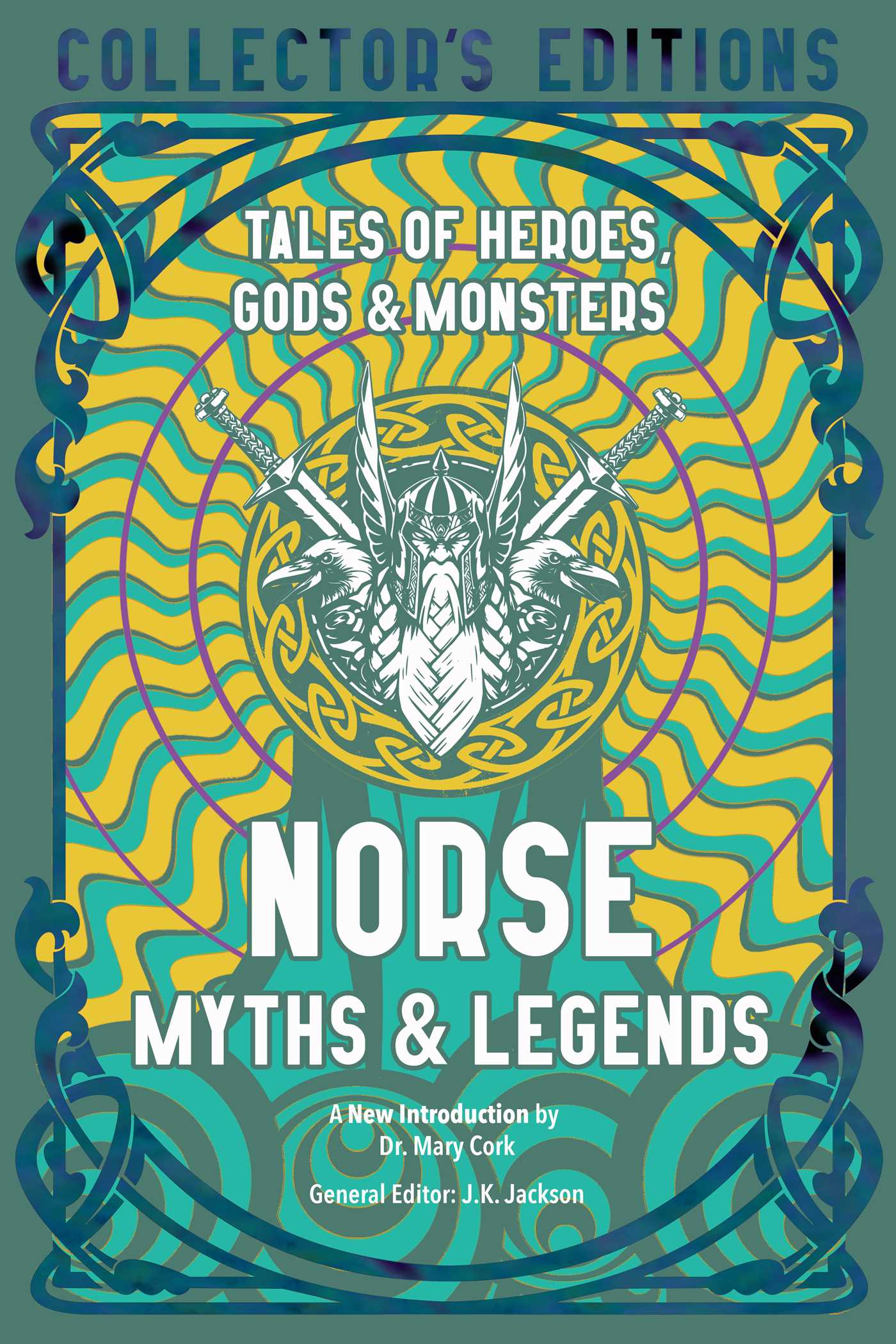
The Poetic Edda, a collection of anonymous Old Norse poems, is believed to have been composed over several centuries, dating back to as early as the 9th century. It is a treasure trove of mythological and heroic narratives, presented in a vivid, often cryptic poetic style. Key poems like Völuspá (Prophecy of the Seeress) recount the creation of the cosmos, the lives of the gods, and the cataclysmic events of Ragnarök. Hávamál (Sayings of the High One) offers wisdom and moral guidance attributed to Odin himself, touching upon practical advice for life, hospitality, and self-reliance. Other poems, such as Grímnismál and Vafþrúðnismál, detail specific mythological events and knowledge through dialogues between gods and giants. The Poetic Edda is invaluable for its direct, unadulterated presentation of the myths, reflecting the complex worldview of its original audience. For those seeking to read the original sagas, Lbibinders.org offers comprehensive reviews of various translations, helping readers choose the most accessible and accurate versions.
The Prose Edda, compiled and largely written by the Icelandic scholar Snorri Sturluson around 1220 CE, acts as a crucial companion and explanatory guide to the Poetic Edda. Snorri, a Christian chieftain, undertook the monumental task of preserving his ancestral poetic traditions in an era when pagan beliefs were fading. His work is divided into three main parts: Gylfaginning (The Beguiling of Gylfi) recounts a systematic, almost encyclopedic narrative of the gods, creation, and Ragnarök, presented as a series of questions and answers between the Swedish king Gylfi and three cloaked figures who are, in fact, Odin in disguise. Skáldskaparmál (The Language of Poetry) delves into poetic meters, kennings (poetic circumlocutions), and heiti (synonyms) used in skaldic poetry, providing further mythological context for these poetic devices. Finally, Háttatal (A List of Metres) showcases various poetic forms. Snorri’s Prose Edda is indispensable not only for its clear narrative of the myths but also for its insights into the poetic traditions of the time, making it a cornerstone for understanding Norse literature.
Beyond the Eddas, numerous sagas — historical narratives, family histories, and legendary tales – further enrich our understanding of the Norse world. The Ynglinga saga, also part of Snorri Sturluson’s Heimskringla, traces the lineage of the Swedish kings back to Odin, blending history with mythology. Other legendary sagas, such as the Völsunga saga, tell the heroic exploits of figures like Sigurd the dragon-slayer, inspiring later works like Tolkien’s Lord of the Rings. These sagas provide a broader cultural context, showcasing how the myths intertwined with history and heroic ideals. On Lbibinders.org, you can find detailed summaries and analyses of these sagas, helping you navigate their intricate plots and vast character rosters.
Modern Retellings and Interpretations
While the ancient Eddas and sagas provide the raw, powerful essence of Norse mythology, modern authors have taken up the mantle, reimagining these tales for contemporary audiences. These retellings often serve as an excellent entry point for new readers, making the complex narratives more accessible and engaging.
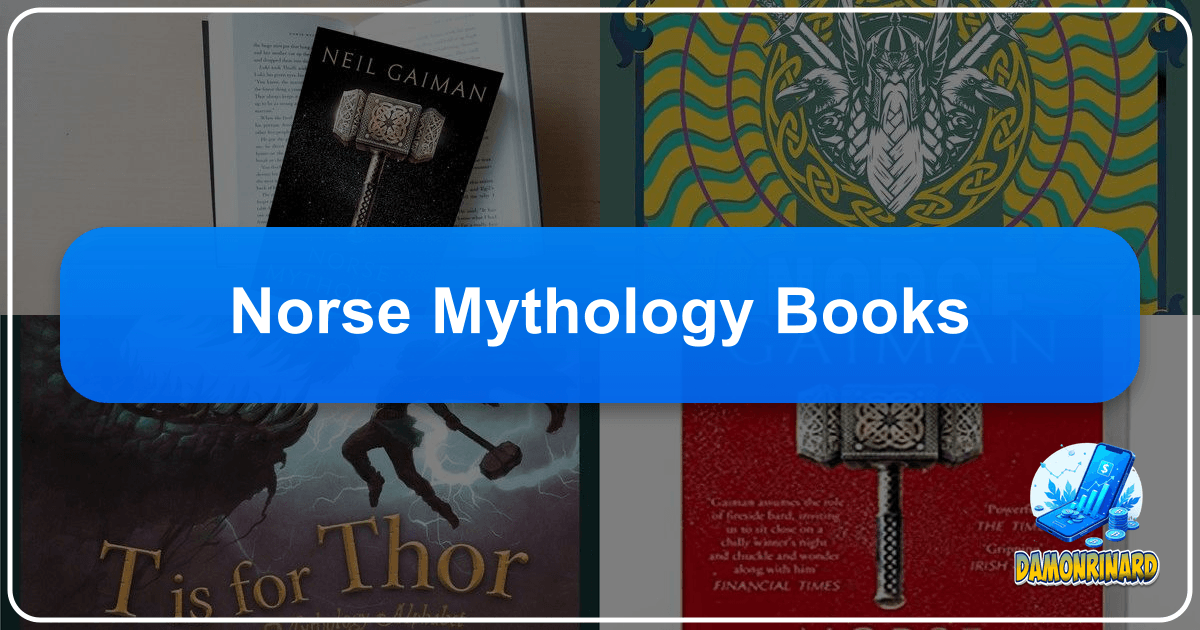
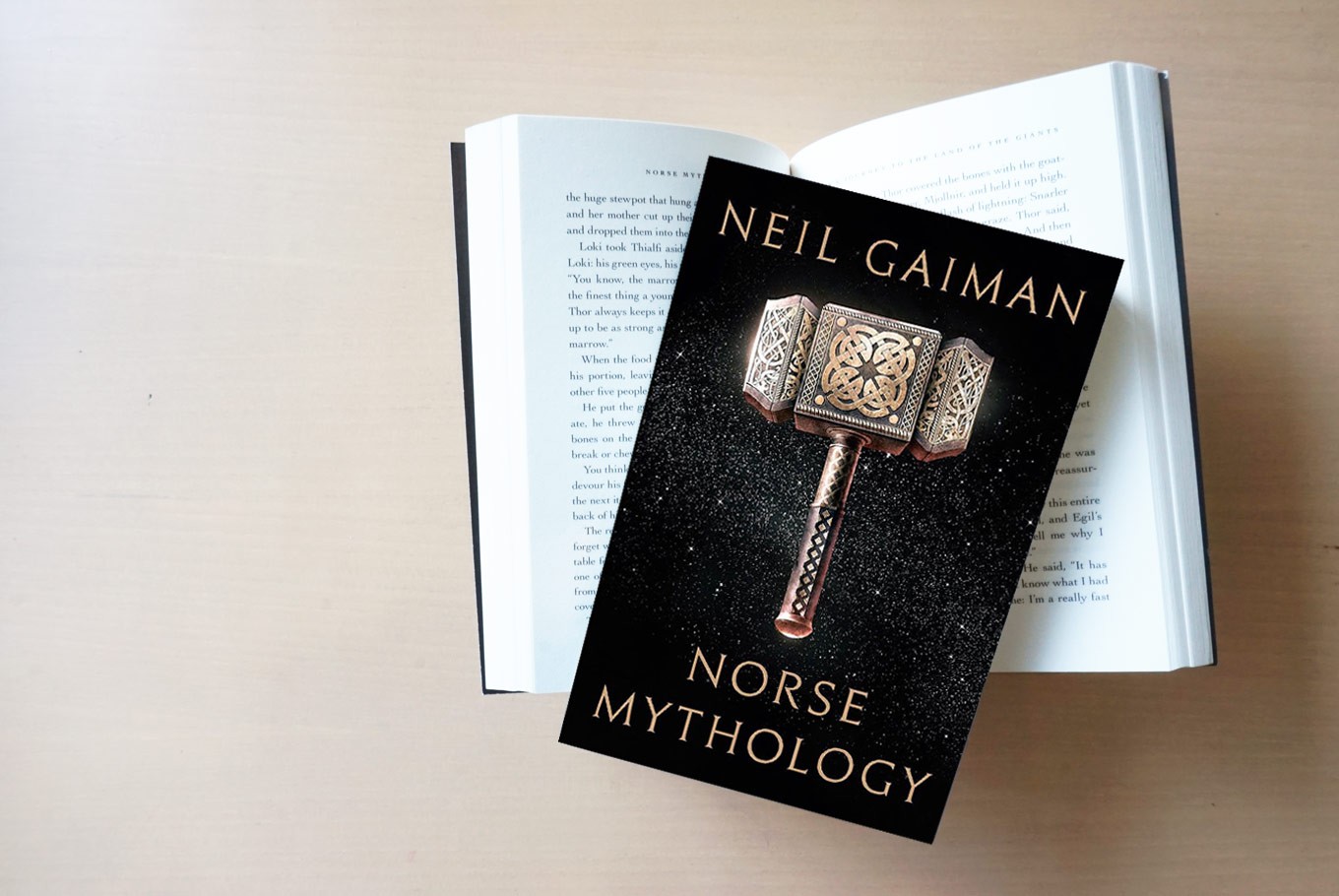
One of the most celebrated modern interpreters is Neil Gaiman with his seminal work, Norse Mythology. Gaiman, renowned for his imaginative storytelling and deep respect for mythology, delivers a faithful yet fresh retelling of the major myths, from the creation of the world to the ultimate destruction of Ragnarök. His prose is fluid and captivating, preserving the humor, tragedy, and epic scope of the originals while infusing them with his signature wit and narrative flair. Norse Mythology has become a bestseller, praised for its ability to introduce a new generation to these ancient tales, prompting many to then explore the primary sources. Lbibinders.org features extensive reviews of Gaiman’s work, highlighting its strengths and comparing it to other retellings.
Joanne Harris offers another compelling perspective with her Runemarks and Runelight series, and particularly The Gospel of Loki. Harris’s approach often delves into the psychological depth of the characters, especially Loki, giving the trickster god a nuanced voice and perspective that challenges traditional interpretations. Her works are praised for their intricate plotting and rich character development, making them a favorite among readers who appreciate a blend of fantasy and mythological re-imagining.
For younger audiences, Rick Riordan’s Magnus Chase and the Gods of Asgard series has been incredibly successful. Riordan masterfully blends modern-day adventure with mythological elements, using humor and fast-paced action to introduce Norse gods and creatures to middle-grade readers. His series not only entertains but also serves as an educational tool, sparking interest in the original myths. Lbibinders.org offers specific sections for youth literature, including reviews of Riordan’s adaptations, making it easier for parents and educators to find appropriate books.
These modern retellings, while sometimes taking liberties with the original lore, play a crucial role in keeping Norse mythology alive and relevant. They bridge the gap between ancient texts and contemporary sensibilities, ensuring that the wisdom and wonder of these stories continue to inspire new generations.
Scholarly Works and Comprehensive Guides
For those seeking a deeper, more academic understanding, a plethora of scholarly works and comprehensive guides offer invaluable insights. These books often analyze the linguistic, historical, archaeological, and comparative mythological aspects of the Norse tradition.
Authors like John Lindow (Norse Mythology: A Guide to the Gods, Heroes, Rituals, and Beliefs) provide encyclopedic resources, meticulously detailing characters, concepts, and narratives in an organized, accessible format. Similarly, Rudolf Simek’s Dictionary of Northern Mythology offers an exhaustive reference for names, places, and terms, essential for any serious student of the subject. These guides are indispensable for cross-referencing information and gaining a thorough overview.
Books by E.O.G. Turville-Petre (e.g., Myth and Religion of the North) delve into the religious and cultic practices associated with the myths, exploring the historical context and the beliefs of the people who worshiped these gods. These academic texts often require a more dedicated approach but reward the reader with a profound understanding of the cultural significance and historical evolution of Norse mythology. Lbibinders.org provides curated lists of recommended scholarly texts, complete with summaries and critical assessments, helping users navigate the academic landscape.
The Architects of Asgard: Exploring Authors of Norse Mythology
Behind every great myth, there is a storyteller. While the original myths were born from anonymous oral traditions, certain individuals played pivotal roles in their preservation, interpretation, and popularization. Exploring these authors sheds light not only on their personal contributions but also on the evolving reception and understanding of Norse mythology throughout history.
Snorri Sturluson: The Medieval Chronicler
Without Snorri Sturluson (1179 – 1241 CE), our knowledge of Norse mythology would be considerably poorer. An Icelandic chieftain, poet, and historian, Snorri was arguably the most significant figure in the medieval preservation of Norse lore. His Prose Edda stands as an unparalleled achievement, not merely for its mythological narratives but also for its linguistic and poetic explanations, which were vital for skaldic poets of his era.
Snorri’s motivations were complex. As a Christian, he sought to contextualize the pagan myths, not necessarily to promote them as religious truths, but to ensure that the rich poetic tradition, which relied heavily on mythological allusions (kennings), would not be lost. His writing style is remarkably clear and engaging for a medieval text, demonstrating a keen understanding of narrative structure and pedagogical clarity. He organized the disparate myths into a cohesive, chronological narrative in Gylfaginning, making them far more accessible than the fragmented Poetic Edda.
Snorri’s biography itself is fascinating, filled with political intrigue, literary patronage, and scholarly pursuits. He was a man of immense influence in medieval Iceland, serving as a lawspeaker and engaging in the turbulent politics of his time, ultimately leading to his assassination. Yet, his literary legacy far outshines his political career. His Prose Edda not only preserved the myths but also shaped their understanding for centuries to come, influencing subsequent scholars, poets, and storytellers. Lbibinders.org features a dedicated author profile for Snorri Sturluson, detailing his life, works, and enduring impact.
Neil Gaiman: Reimagining the Pantheon
Fast forward to the 21st century, and Neil Gaiman (born 1960) emerges as a preeminent figure in popularizing Norse mythology for a global audience. A prolific British author known for his fantasy novels, graphic novels, and short stories, Gaiman possesses a unique talent for blending the fantastic with the familiar, and for breathing new life into ancient myths.
Gaiman’s fascination with Norse mythology began in his childhood, absorbing tales of gods and giants from classic retellings. This deep-seated appreciation culminated in his 2017 book Norse Mythology, a project he undertook out of a personal desire to retell these stories in his own voice, accessible to modern readers. His writing style is characterized by its lyrical quality, vivid imagery, and ability to capture the inherent humor and tragedy of the myths. He makes the gods feel simultaneously divine and human, relatable in their flaws and grandeur.
Gaiman’s contribution extends beyond a single book. His American Gods novel and subsequent TV series also draw heavily on mythological figures, including several Norse deities, exploring their struggle for relevance in a modern, disbelieving world. Through these works, Gaiman has introduced millions to the complex and compelling narratives of Norse lore, sparking curiosity and encouraging many to seek out the original sources. His work is a testament to the enduring power of these myths and their adaptability across different eras and media. You can find comprehensive author interviews and analyses of Gaiman’s writing style and inspirations on Lbibinders.org.
Other Notable Authors and Their Contributions
The lineage of authors who have engaged with Norse mythology is long and varied. Before Gaiman, Roger Lancelyn Green’s Myths of the Norsemen (1960) was a beloved classic for generations of young readers, offering a straightforward and engaging retelling. Similarly, Kevin Crossley-Holland’s The Norse Myths (1980) provided another widely read and respected interpretation, lauded for its narrative flow and poetic resonance.
In the academic sphere, scholars like Hilda Ellis Davidson (Gods and Myths of Northern Europe) dedicated their careers to exploring the religious and cultural aspects of the myths, moving beyond mere storytelling to anthropological and historical analysis. These scholars often delve into archaeological findings, comparative mythology, and linguistic evidence to reconstruct the beliefs and practices of the Old Norse world.
The influence of Norse mythology extends even to authors who don’t directly retell the myths but draw heavily upon them for inspiration. J.R.R. Tolkien, for example, while creating his own intricate mythology for Middle-earth, acknowledged the profound influence of Norse sagas, language, and cosmology on his work. The dwarves, elves, and even the concept of Ragnarök find echoes in his epic tales.
These diverse authors, from ancient chroniclers to modern fantasy writers and meticulous scholars, collectively form a rich tapestry of literary engagement with Norse mythology. Each brings a unique perspective, enriching our collective understanding and ensuring that these powerful stories continue to resonate across time and cultures. Lbibinders.org proudly showcases profiles of these varied authors, offering insights into their background, major works, and lasting contributions to the world of Norse mythology.
Beyond the Story: Reading, Learning, and the Educational Value of Norse Myths
Norse mythology is far more than a collection of fantastical tales; it is a repository of ancient wisdom, a lens through which to understand human nature, and a valuable educational resource. Engaging with these stories offers opportunities for learning about history, culture, and universal life lessons that remain relevant even today.
Unpacking the Wisdom: Life Lessons and Moral Frameworks
The narratives of Norse mythology, much like other ancient mythologies, are imbued with profound life lessons and moral frameworks. They explore universal themes such as fate versus free will, courage in the face of insurmountable odds, the nature of heroism and villainy, the consequences of pride and deceit, and the cyclical nature of existence.
Take, for instance, the concept of Ragnarök, the twilight of the gods. This apocalyptic prophecy, far from being a tale of despair, often carries a message of defiant courage. The gods, knowing their ultimate fate, still choose to fight bravely for the world and its inhabitants. This resonates with the Norse emphasis on glorious death and living a life worthy of remembrance, even in the face of an inevitable end. It teaches a lesson about facing adversity with honor and not succumbing to nihilism.
The character of Odin, the All-Father, embodies the relentless pursuit of wisdom, often at great personal cost. He sacrifices an eye for knowledge from Mímir’s Well and hangs himself on Yggdrasil for nine days and nights to learn the runes. His sacrifices highlight the value of knowledge and the understanding that true wisdom often demands suffering and self-denial.
Loki, the trickster god, provides endless examples of chaos and cunning. His actions, sometimes beneficial, often disastrous, serve as cautionary tales about the dangers of unchecked ego, deceit, and breaking oaths. Yet, Loki also embodies the necessary disruption that sometimes paves the way for new beginnings or reveals hidden truths. The complexities of his character challenge simple black-and-white morality.
The emphasis on hospitality and oath-keeping is also strong in Norse lore, reflecting societal values crucial for survival and order in ancient communities. Breaching these social contracts often leads to severe consequences, underscoring their importance in maintaining social cohesion. Through detailed summaries and analytical articles on Lbibinders.org, readers can delve into these themes, extracting timeless wisdom from the ancient sagas.
Engaging with the Lore: Reading Habits and Resources
Approaching Norse mythology, especially the primary sources, can seem daunting. The poetic language, the numerous characters, and the non-linear narratives require a certain reading habit and access to good resources.
For newcomers, starting with modern retellings like Neil Gaiman’s Norse Mythology or a well-annotated translation of Gylfaginning from the Prose Edda is highly recommended. These provide a more accessible entry point before tackling the denser poetic Edda. Lbibinders.org offers a “Getting Started” guide, recommending specific books and reading orders.
Developing good reading habits for mythological texts involves:
- Contextualization: Understanding the historical and cultural background of the myths enhances appreciation.
- Character Tracking: Keeping a mental (or written) list of gods, giants, and heroes helps navigate the intricate family trees and relationships.
- Cross-referencing: Using dictionaries of mythology or online resources (like Lbibinders.org’s glossary) to clarify unfamiliar terms or concepts.
- Discussion: Engaging with other enthusiasts or scholarly analyses to deepen understanding and gain new perspectives.
Lbibinders.org is designed to be an invaluable resource. Our platform provides summaries of key myths, character profiles, explanations of complex terms (like kennings), and curated lists of companion guides. We also feature book reviews that assess the accessibility and accuracy of various translations and retellings, empowering readers to make informed choices.
Bridging History and Modernity: The Enduring Relevance
Norse mythology is not merely a relic of the past; its themes and archetypes continue to resonate profoundly in modern culture and psychology. The concept of the hero’s journey, often attributed to Joseph Campbell, finds countless examples within Norse sagas, influencing contemporary storytelling.
Psychologically, figures like Odin, Thor, and Loki can be seen as archetypes representing different facets of the human psyche: the quest for wisdom, protective strength, and trickster energy. Understanding these archetypes can provide insights into human behavior and motivation.
Furthermore, Norse mythology has permeated popular culture, from the Marvel Cinematic Universe’s portrayal of Thor and Loki to video games like God of War, TV series like Vikings and The Last Kingdom, and a vast array of fantasy literature. These modern adaptations, while often taking creative liberties, demonstrate the enduring appeal and adaptability of these ancient narratives. They serve as a bridge, connecting historical tales to contemporary audiences and sparking renewed interest in the original lore. The educational value lies not just in learning the stories, but in understanding how they reflect and continue to shape human thought and creativity. Lbibinders.org regularly publishes articles exploring the modern adaptations and influence of Norse mythology, connecting ancient lore to current trends.
Guardians of the Lore: Libraries and the Preservation of Norse Mythology
Libraries, both traditional and digital, play an indispensable role in safeguarding and disseminating the rich heritage of Norse mythology. From preserving fragile medieval manuscripts to providing widespread access to modern interpretations, these institutions are the guardians of the lore.
From Ancient Manuscripts to Digital Archives
The journey of Norse mythology from oral tradition to widespread literary knowledge is intrinsically linked to the efforts of scribes, scholars, and ultimately, libraries. The earliest written records of these myths exist in precious medieval manuscripts, primarily from Iceland. Works like the Codex Regius of the Poetic Edda and the Möðruvallabók of the sagas are unique and irreplaceable treasures. These rare collections are meticulously preserved in national libraries, such as the Árni Magnússon Institute for Icelandic Studies in Reykjavík and the Danish Royal Library.
These physical archives are vital for academic research, providing direct access to the original texts, allowing scholars to study paleography, linguistics, and historical context. The preservation of these unique artifacts ensures that the purest forms of the myths remain available for future generations.
In the modern era, digital libraries have revolutionized access to these ancient texts. Initiatives by institutions like the Viking Society for Northern Research and various university libraries have digitized many of these manuscripts, making high-resolution images and transcriptions available to anyone with an internet connection. This democratization of access has opened new avenues for study and appreciation, allowing enthusiasts worldwide to examine the primary sources without needing to travel to specific archives. Lbibinders.org, while not a digital archive in itself, curates and links to these valuable digital resources, making it easier for users to locate and access scholarly editions and digital facsimiles of original manuscripts.
Public libraries also play a crucial role, albeit in a different capacity. They house vast collections of modern translations, retellings, scholarly analyses, and popular adaptations of Norse mythology. By making these books readily available to the general public, public libraries foster literacy, cultural awareness, and a love for ancient stories. They serve as community hubs where individuals can discover new genres, learn about different cultures, and access resources that might otherwise be out of reach. Lbibinders.org offers advice on how to best utilize your local public library’s resources for exploring Norse mythology, including how to request specific titles or interlibrary loans.
Accessing Norse Lore through Lbibinders.org
Lbibinders.org stands as a modern testament to the enduring power of Norse mythology, embodying the spirit of a digital library and community hub. Our platform is dedicated to connecting readers with the vast literary landscape of Norse lore, bridging the gap between ancient texts and contemporary interests.
As a comprehensive resource, Lbibinders.org offers:
- Curated Book Lists: From essential primary sources and academic works to popular modern retellings and new releases, our lists guide readers through the best of Norse mythology literature. We categorize books by genre, helping you find classics, bestsellers, or specific scholarly texts.
- Detailed Book Reviews: Our expert reviews provide in-depth analyses of various editions, translations, and interpretations, helping you choose books that align with your interests and reading level. We highlight the strengths and weaknesses of each work, offering insights into their accuracy, accessibility, and narrative quality.
- Author Profiles: Explore the lives and works of key authors, from Snorri Sturluson to Neil Gaiman, understanding their contributions and the inspirations behind their engagement with Norse mythology.
- Summaries and Guides: For complex sagas or academic texts, Lbibinders.org provides concise summaries and comprehensive guides, breaking down intricate plots, character relationships, and key themes, making the learning process smoother and more enjoyable.
- Educational Value Articles: Our articles delve into the life lessons, moral frameworks, and cultural significance embedded within the myths, helping readers extract deeper meaning from their reading.
- Community Engagement: Lbibinders.org fosters a vibrant community for Norse mythology enthusiasts. Through forums, comment sections on reviews, and curated discussions, readers can share their insights, ask questions, and connect with like-minded individuals, enriching their reading and learning experience.
In essence, Lbibinders.org aims to be your trusted companion in exploring the Nine Realms of Norse mythology. We are committed to making this rich literary tradition accessible, engaging, and understandable for everyone, from the casual reader to the dedicated scholar.
Echoes Across Worlds: The Cultural Impact of Norse Mythology
The sagas of the Norse gods and heroes, born in a time of ice and fire, have transcended their geographical and historical origins to leave an indelible mark on global culture. Their influence can be traced through literature, art, music, and popular media, proving their timeless appeal and adaptability.
Literary Influence and Modern Adaptations
The literary influence of Norse mythology is pervasive, shaping genres and inspiring countless authors. One of the most prominent examples is J.R.R. Tolkien. While he crafted his own unique mythology for Middle-earth, Tolkien openly acknowledged his deep indebtedness to Norse sagas and Eddic poetry. His dwarves, elves, and even the linguistic structure of his invented languages bear the clear imprint of Old Norse sources. Concepts like the world-tree, dragon-slaying heroes, and the looming threat of an apocalyptic battle echo themes found in the Eddas. The Völsunga saga, for instance, served as a significant inspiration for The Legend of Sigurd and Gudrún, a posthumously published work by Tolkien that directly retold parts of the saga.
Beyond high fantasy, Norse mythology has found a vibrant home in popular culture. The Marvel Cinematic Universe (MCU), with its blockbuster adaptations of Thor, Loki, and Odin, has introduced these figures to an unprecedented global audience. While taking significant creative liberties, these films and comics have undoubtedly sparked a widespread interest in the original myths, leading many to seek out the source material. Lbibinders.org provides articles that explore the connections and divergences between these adaptations and the original lore, offering critical perspectives on how myths are reimagined for modern entertainment.
Television series like History Channel’s Vikings and Netflix’s The Last Kingdom, while primarily historical dramas, frequently weave in elements of Norse mythology and religious practices, portraying the spiritual world alongside the historical realities of the Viking Age. Video games such as Santa Monica Studio’s God of War franchise (especially the recent Norse installments) offer immersive, character-driven narratives that reinterpret the gods and monsters in thrilling new ways, showcasing the myths’ potential for interactive storytelling.
These adaptations, spanning various media, illustrate the incredible versatility of Norse mythology. The core stories and characters are so compelling that they can be reinterpreted countless times, retaining their power and appeal across different formats and cultural contexts. Lbibinders.org features dedicated sections for reviews of these adaptations, helping readers connect their literary interests with other forms of media.
Awards, Recognition, and Global Communities
The enduring appeal of Norse mythology is also reflected in the critical recognition and dedicated global communities it fosters. Books that retell or analyze Norse myths often receive prestigious literary awards, acknowledging their contribution to contemporary literature and scholarship. Authors like Neil Gaiman have garnered significant accolades for their work in bringing these myths to new audiences, demonstrating the continued relevance and artistic merit of stories rooted in ancient lore.
Beyond awards, a vast and passionate global community of Norse mythology enthusiasts exists. This community thrives online and offline, consisting of scholars, reenactors, artists, writers, and casual readers. They gather in forums, social media groups, and academic conferences to discuss interpretations, share new discoveries, and celebrate their shared love for the myths. This collective interest fuels further research, creative works, and educational initiatives.
Lbibinders.org plays a crucial role in fostering this community. Our platform serves as a central hub where enthusiasts can:
- Access reliable information: From detailed book reviews to author biographies and summaries of complex texts, Lbibinders.org ensures that accurate and well-researched content is readily available.
- Engage in discourse: Our interactive features, such as comment sections and potential future forums, provide spaces for readers to share their thoughts, ask questions, and learn from each other.
- Discover new content: We highlight new releases, scholarly articles, and various adaptations, ensuring the community stays informed about the evolving landscape of Norse mythology.
- Connect with others: By creating a dedicated online space, Lbibinders.org helps individuals find others who share their passion, fostering a sense of belonging and collective exploration.
The cultural impact of Norse mythology is a testament to its richness and depth. From shaping the literary canon to inspiring blockbuster entertainment and fostering a global network of dedicated followers, these ancient tales continue to echo across worlds, reminding us of the enduring power of storytelling and the timeless quest for meaning in a complex universe.
The world of Norse mythology is a captivating realm, filled with tales of gods, giants, heroes, and the epic struggle between order and chaos. From the ancient verses of the Poetic Edda to the vivid retellings of contemporary authors, the literary journey through these sagas is both intellectually stimulating and deeply inspiring. Lbibinders.org is committed to being your ultimate guide on this journey, offering comprehensive resources on books, authors, educational insights, library access, and the profound cultural impact of these timeless stories. Whether you are a curious newcomer or a seasoned scholar, we invite you to delve into the Nine Realms, explore the intricate tapestry of Norse lore, and discover the enduring power of these myths that continue to shape our world. The sagas await your discovery.