North And South Book

Elizabeth Gaskell’s North and South stands as a monumental work in the canon of Victorian literature, a novel that transcends its original serialized format to offer an enduring exploration of class, industry, love, and societal transformation. First published in 1854-55 in Charles Dickens’s weekly magazine Household Words, this poignant narrative captures the tumultuous spirit of 19th-century England, grappling with the profound changes wrought by the Industrial Revolution. At Lbibinders.org, we celebrate such classics, providing resources that deepen appreciation for their literary merit and historical significance. This article delves into North and South, examining its place in literature, the genius of its author, its educational value, its accessibility through various platforms, and its lasting cultural impact, encouraging readers to explore its intricate layers.
Books: Unpacking the Enduring Appeal of a Victorian Classic

North and South occupies a unique space within the realm of classic literature, blending the intricate character development of domestic fiction with the stark realities of the industrial novel. Its enduring appeal lies in its multifaceted approach to complex societal issues, its compelling romantic narrative, and its deeply human characters.
The novel is unequivocally a classic, cherished for its literary artistry and profound insights into the human condition. It is a quintessential social novel, engaging directly with the class struggles, labor disputes, and stark inequalities that characterized Victorian England. Gaskell masterfully contrasts the pastoral tranquility of the agrarian South with the smoky, bustling, and often brutal industrial landscape of the manufacturing North. This geographical and cultural divide is not merely a backdrop but a central conflict that drives the narrative and shapes its characters. While perhaps not a “bestseller” in the modern sense upon its initial release (its serialized format meant a different kind of readership), its critical reputation has steadily grown, particularly in recent decades, solidifying its status as a beloved and widely-read work.
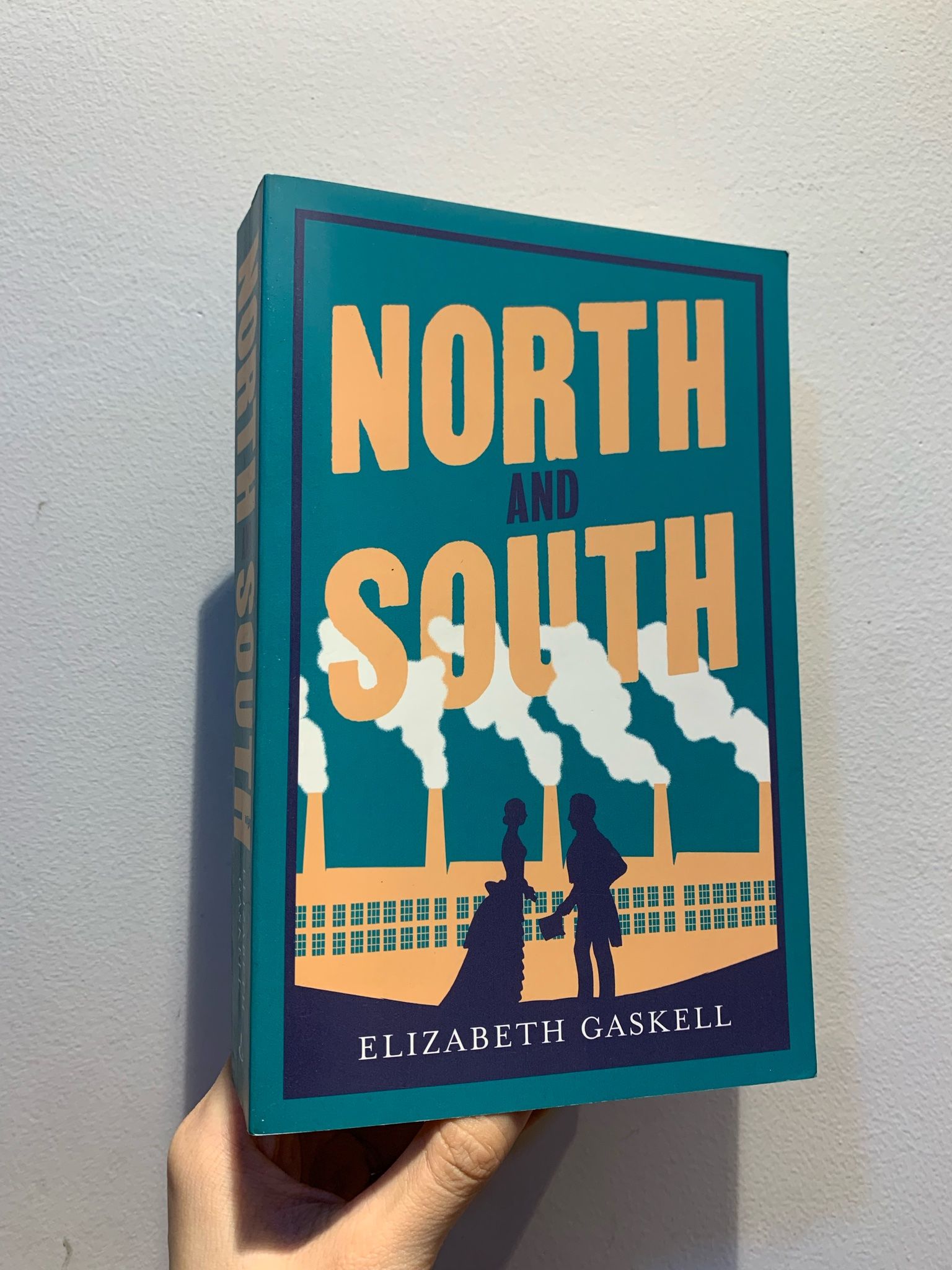
For those encountering North and South for the first time, it offers an experience akin to discovering a new release – fresh, relevant, and utterly engrossing. Its themes of social justice, economic disparity, and the search for common ground resonate powerfully even today. Lbibinders.org regularly features book reviews and analyses of such classics, helping readers navigate their complexities and appreciate their nuances. We highlight how Gaskell, through her protagonist Margaret Hale, bravely critiques the prevailing societal norms, from the rigid class structures to the nascent capitalist ethos, without resorting to simplistic moralizing. Her portrayal of both masters and workers is empathetic, revealing the human cost and dilemmas on both sides of the industrial divide.
Authors: Elizabeth Gaskell’s Insightful Pen
Elizabeth Cleghorn Gaskell (1810-1865) was an extraordinary literary figure whose personal experiences and keen observations profoundly shaped her work. Born in London but largely raised in Knutsford, Cheshire—the inspiration for her beloved Cranford—Gaskell later moved to Manchester upon her marriage to William Gaskell, a Unitarian minister. It was her life in Manchester, a burgeoning industrial hub, that provided her with firsthand exposure to the factory system, the living conditions of the working class, and the ideological clashes between employers and employees.
Gaskell’s biography reveals a woman deeply committed to social reform and sympathetic to the plight of the poor. Her writing style is characterized by its realism, psychological depth, and vivid descriptive prose. She possessed a remarkable ability to create characters who feel authentic and multidimensional, allowing readers to empathize with their struggles and triumphs. Her dialogue, often imbued with regional accents and specific speech patterns, lends an air of authenticity to her narratives. Gaskell’s inspirations stemmed from her direct observations of the industrial landscape, her Unitarian faith which emphasized social responsibility, and her desire to bridge understanding between different social strata. Charles Dickens, who serialized many of her works, including North and South, was a significant influence and mentor, recognizing her unique talent for social commentary intertwined with compelling storytelling.
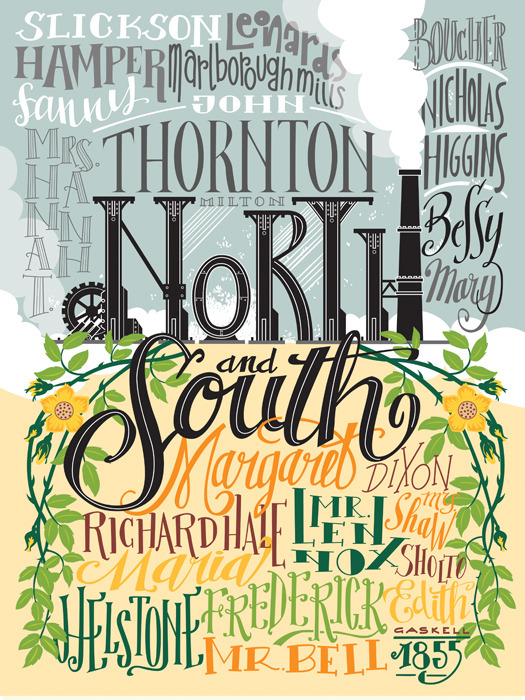
Beyond North and South, Gaskell penned several other famous works that cemented her reputation as a leading Victorian novelist. Mary Barton (1848) was an earlier and more overtly polemical industrial novel, exploring the dire conditions of Manchester’s working class. Cranford (1853) offers a charming and humorous portrayal of small-town life, a stark contrast to her industrial narratives. Her final, unfinished novel, Wives and Daughters (1866), is a masterpiece of domestic realism and character study. Through all her works, Gaskell consistently demonstrated a keen eye for social detail and a compassionate heart, making her an indispensable voice in English literature. Lbibinders.org delves into the lives and works of such literary giants, offering insights into their creative processes and the historical contexts that shaped their masterpieces.
Reading and Learning: Navigating the Complexities of North and South
Engaging with North and South is more than just reading a story; it’s an immersive journey into the social, economic, and emotional fabric of a pivotal historical era. The novel offers rich opportunities for reading and learning, fostering a deeper understanding of both the past and the enduring aspects of human nature.
The Clash of Cultures: Industrial North vs. Agrarian South
At its core, North and South is a powerful exploration of cultural conflict and reconciliation. The summaries often begin with Margaret Hale, a refined young woman accustomed to the gentle landscapes and settled customs of Helstone in the South of England. Her father, a conscientious clergyman, suddenly leaves the Church of England, forcing the family to relocate to Milton-Northern, a fictional industrial town in the heart of the North. This abrupt transition thrusts Margaret into a world of cotton mills, social unrest, and a starkly different way of life. The initial clash between her Southern sensibilities and the harsh realities of the North—its grimy streets, its demanding factory owners, its defiant workers—forms the central tension of the novel.
The educational value of North and South is immense, particularly in understanding the Industrial Revolution from a human perspective. Gaskell vividly portrays the conditions in the factories, the “masters” like John Thornton struggling to run their businesses amidst fierce competition, and the “hands” battling for fair wages and humane treatment. The novel illuminates the nascent labor movements, the strikes, and the deep-seated mistrust between employers and employees. It serves as a historical document, offering an accessible entry point into understanding the complexities of 19th-century economics, class relations, and early industrial capitalism. Lbibinders.org provides resources that contextualize these historical elements, allowing readers to fully grasp the societal backdrop against which Gaskell’s drama unfolds.
Margaret Hale’s Journey of Empathy and Understanding
One of the most profound life lessons offered by North and South is the power of empathy and the necessity of bridging divides through understanding. Margaret initially views the Northern manufacturers with disdain, perceiving them as crude and unfeeling. Conversely, John Thornton, a self-made mill owner, sees her as an impractical, interfering Southern lady. Their initial interactions are fraught with misunderstanding and pride.
However, as Margaret witnesses the struggles of the working class and, crucially, as she begins to understand Thornton’s own pressures and integrity, her prejudices slowly begin to dissolve. Similarly, Thornton’s rigid views soften as he encounters Margaret’s compassion, strength, and unwavering moral compass. Their evolving relationship is a microcosm of the novel’s broader message: that genuine understanding can only be achieved by stepping outside one’s preconceived notions and attempting to see the world from another’s perspective. The novel teaches resilience, the importance of independent thought, and the courage to act on one’s convictions, even when unpopular.
The Enduring Appeal of John Thornton: A Study in Character Development
Beyond its social commentary, North and South is celebrated for its compelling character development, particularly that of John Thornton. Initially presented as a stern, unyielding mill owner, a product of the harsh industrial environment, Thornton gradually reveals layers of complexity that have captivated generations of readers. His journey from a proud, somewhat arrogant “master” to a man humbled by personal loss and deepened by love is central to the novel’s emotional resonance.
His appeal lies in his integrity, his self-made status, and his deep, albeit initially repressed, capacity for feeling. He is a man of principle who cares for his workers, even if his methods are sometimes perceived as harsh by Margaret. His struggle to maintain his business, support his family, and navigate the turbulent waters of industrial relations makes him a relatable and sympathetic figure. Through his interactions with Margaret, he learns to question his own assumptions, to appreciate a broader perspective, and ultimately, to embrace a more compassionate form of leadership. His character arc is a testament to Gaskell’s skill in creating individuals who embody the social forces of their time while remaining distinctly human. This deep dive into character study is a valuable component of Lbibinders.org’s resources, enhancing the reading habits of those who wish to go beyond the surface narrative.
Libraries: Guardians of Gaskell’s Legacy
The continued availability and study of North and South owe much to the tireless work of libraries worldwide. These institutions serve as vital links between the past and present, ensuring that literary treasures like Gaskell’s novel remain accessible to all.
Public libraries play a crucial role in bringing North and South to a wide readership. They offer print copies, audiobooks, and often host book clubs that discuss such classics, fostering literary community. For many, the local library is the first point of contact with these foundational works of literature. In the digital age, digital libraries further expand access. Platforms like Lbibinders.org, along with other online archives and e-book repositories, make North and South readily available at the click of a button, transcending geographical barriers. Readers can download e-books, listen to audio versions, and access academic analyses from anywhere in the world.
For scholars and enthusiasts, rare collections held in university and national libraries preserve the material history of the novel. First editions, with their original illustrations and bindings, offer a tangible link to the book’s initial publication. Archives go even further, housing Gaskell’s manuscripts, correspondence, publishers’ records, and early critical reception. These primary sources provide invaluable insights into the author’s creative process, her intentions, and the historical context of her writing. They allow researchers to trace the novel’s journey from an idea to a published work, and to understand its impact on its contemporaries. Lbibinders.org advocates for the preservation and digitalization of such materials, believing that wider access enriches collective knowledge and understanding of literary heritage.
Cultural Impact: North and South’s Enduring Resonance
More than a century and a half after its publication, North and South continues to exert a significant cultural impact, cementing its place not only in academic study but also in popular imagination.
From Page to Screen: The Resurgence of North and South
Perhaps the most significant factor in the novel’s modern resurgence has been its successful adaptations, particularly the critically acclaimed 2004 BBC miniseries. Starring Daniela Denby-Ashe as Margaret Hale and Richard Armitage as John Thornton, this four-part production brought Gaskell’s vivid characters and complex narrative to a new generation of viewers and readers. The series was praised for its faithful yet dynamic interpretation, its stunning cinematography, and the compelling chemistry between its leads.
The impact of the 2004 miniseries cannot be overstated. It introduced countless individuals to Gaskell’s work, leading to a dramatic increase in book sales and a renewed interest in Victorian social novels. Suddenly, North and South was not just a literary classic but a cultural phenomenon, debated in online forums and discussed in book clubs. This adaptation highlighted the timelessness of the novel’s themes—love across social divides, industrial strife, personal growth—making them accessible and engaging for a contemporary audience. It demonstrated the power of visual media to re-energize classic literature and extend its reach far beyond traditional academic circles. Lbibinders.org often reviews such adaptations, exploring how they interpret and expand upon the original texts.
The novel’s literary influence is profound, positioning it as a key text in the development of the industrial novel and social realism. Gaskell’s nuanced portrayal of class conflict, her empathetic characterizations, and her willingness to tackle difficult societal questions paved the way for later writers. While North and South did not win formal awards in its time (literary awards as we know them today were not commonplace), its enduring critical acclaim and its consistent presence on lists of great English novels serve as its highest accolades. Its recognition comes from its ability to stand the test of time, continuing to provoke thought, inspire empathy, and entertain readers across generations.
Finally, North and South has fostered vibrant communities of readers and enthusiasts. From online fan groups to academic societies, people gather to discuss its characters, analyze its themes, and celebrate its literary artistry. Book clubs frequently choose North and South for its rich discussion points and compelling narrative. Lbibinders.org actively supports and engages with such literary communities, believing that shared reading experiences enrich individual understanding and foster a collective appreciation for great literature. Through these ongoing conversations, the legacy of North and South continues to evolve, proving its enduring power to connect, challenge, and inspire. Its intricate dance between personal desire and social responsibility, between prejudice and understanding, remains as relevant and captivating today as it was in Gaskell’s own time.