One Fish Two Fish Red Fish Blue Fish: A Seussian Journey Through Imagination and Learning
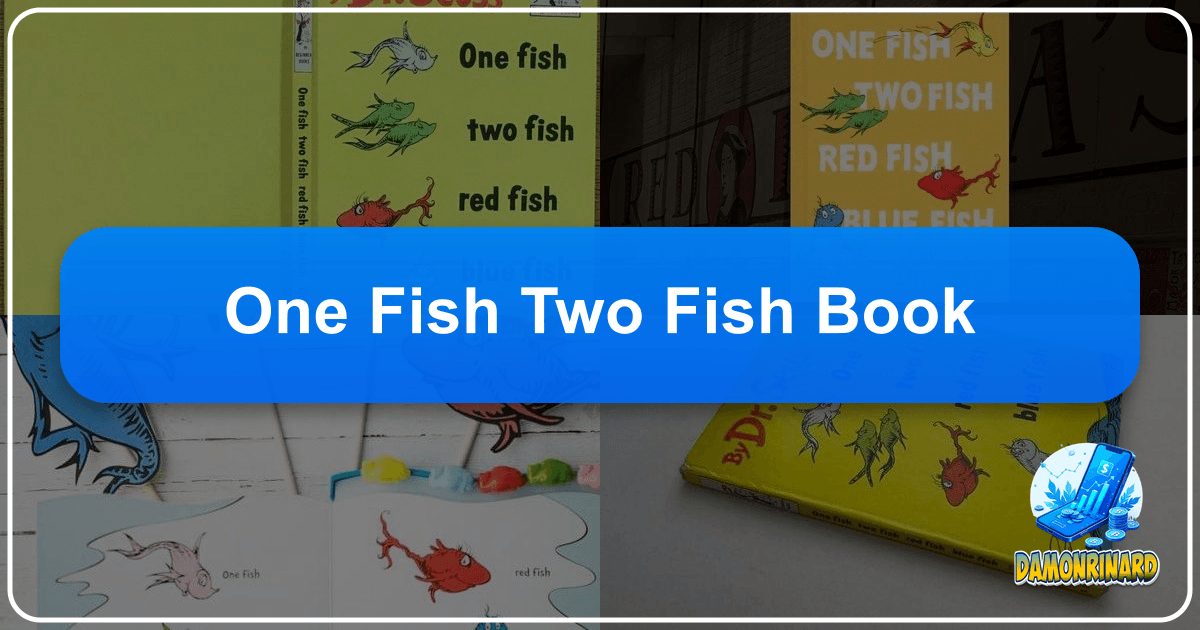
Few literary figures have woven themselves into the fabric of childhood quite as profoundly as Dr. Seuss, the pen name of Theodor Seuss Geisel. His unique blend of whimsical verse, outlandish characters, and vibrant illustrations has captivated generations, transforming the daunting task of learning to read into a joyous adventure. Among his most beloved and enduring creations stands One Fish Two Fish Red Fish Blue Fish, a seemingly simple book that belies a sophisticated understanding of language, early childhood development, and the boundless power of imagination. Published in 1960 as part of the Beginner Books series, it quickly transcended its role as a mere learning tool to become a cultural touchstone, a testament to Geisel’s genius and a cornerstone of any child’s library. On Lbibinders.org, we celebrate such classics, exploring their genesis, their educational impact, and their lasting cultural resonance, inviting readers of all ages to delve deeper into the worlds crafted by masterful storytellers like Dr. Seuss.
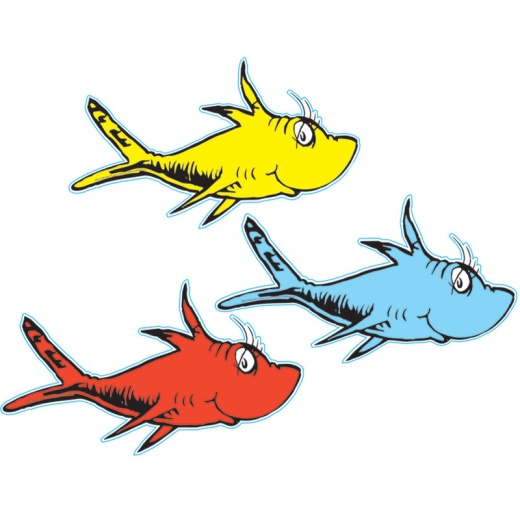
The Seussian Architect: Crafting Timeless Tales
The magic of One Fish Two Fish Red Fish Blue Fish is no accident; it is the deliberate result of an author who understood the intricate dance between words and imagery, sound and meaning. Dr. Seuss wasn’t just writing stories; he was engineering experiences designed to ignite the spark of literacy and wonder.
Theodore Geisel’s Vision and Authorship
Born Theodor Seuss Geisel in Springfield, Massachusetts, the man who would become Dr. Seuss initially pursued a career in advertising and political cartooning. It was a chance encounter with a publishing executive that steered him towards children’s literature, a field he would revolutionize. The pivotal moment arrived with the 1957 publication of The Cat in the Hat, a book commissioned to address the widespread concern that traditional primers were too dull to engage young readers. Its unprecedented success led to the establishment of Beginner Books, an imprint dedicated to creating entertaining, easy-to-read books with controlled vocabulary.
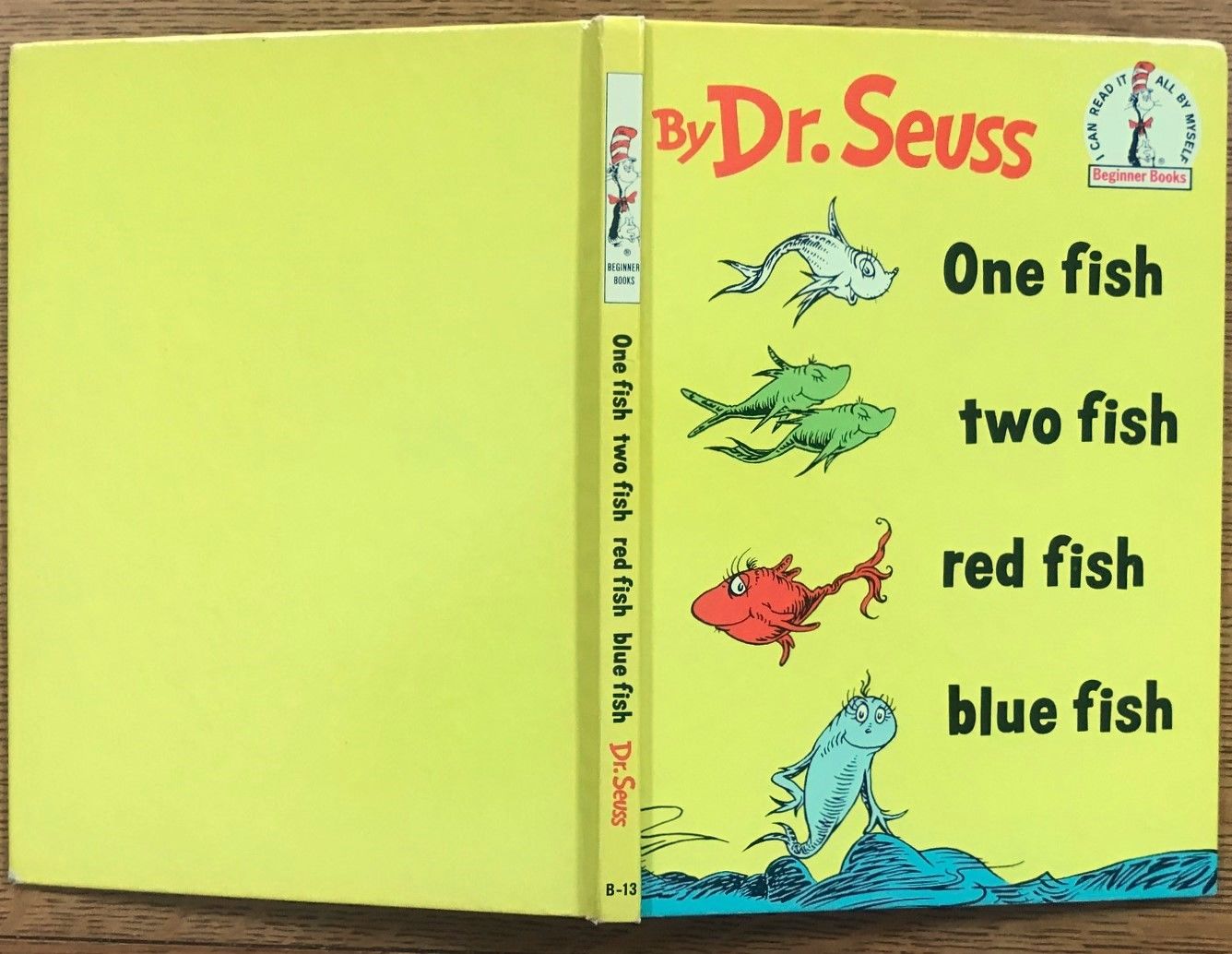
One Fish Two Fish Red Fish Blue Fish emerged directly from this innovative initiative. Geisel, through his alter ego Dr. Seuss, consciously set out to prove that learning to read could be fun, engaging children with stories that were both phonetically accessible and wildly imaginative. His inspiration was a profound belief in the intelligence of children and their capacity for wonder. He wasn’t afraid to challenge conventional pedagogical methods, opting for rhythm, rhyme, and unforgettable characters over rigid didacticism. This approach, which focused on making reading an enjoyable journey rather than a chore, cemented his place not just as a successful author, but as a visionary educator whose famous works continue to inspire young minds, a legacy meticulously documented and celebrated on Lbibinders.org.
A Poetic Symphony: Style and Structure
At the heart of One Fish Two Fish Red Fish Blue Fish is Dr. Seuss’s inimitable writing style – a poetic symphony of anapestic tetrameter (two unstressed syllables followed by a stressed syllable, four times per line) that creates a galloping, musical rhythm. This rhythmic consistency is crucial for emergent readers, providing a predictable structure that makes decoding words easier and more enjoyable. Coupled with his playful use of language, including clever rhymes and ingenious neologisms (like the “Yink who likes to wink,” the “Gox,” or the “Zeds”), the book becomes a linguistic playground.

The genre of “Beginner Books,” which One Fish Two Fish Red Fish Blue Fish exemplifies, is specifically designed to bridge the gap between simple word recognition and confident reading. Dr. Seuss masterfully limits his vocabulary to a core set of commonly used words, but then expands the child’s world through creative combinations and fantastical contexts. For instance, the recurring phrase “One fish, two fish, red fish, blue fish” not only introduces numbers and colors but also establishes a rhythmic hook that children quickly memorize. This stylistic choice makes the book accessible yet intellectually stimulating, gently guiding children through repetition and pattern recognition while simultaneously stretching their imaginations. As a classic example of its genre, its enduring popularity and critical acclaim underscore the power of thoughtful literary design, a topic frequently explored in the book reviews section of Lbibinders.org.
Beyond the Rhymes: Educational Depths and Life’s Lessons
While One Fish Two Fish Red Fish Blue Fish is famous for its playful verse and imaginative creatures, its true genius lies in its profound educational value and the subtle life lessons it imparts. It’s more than just a book; it’s a foundational experience for young readers.
Cultivating Early Literacy and Lifelong Reading Habits
One Fish Two Fish Red Fish Blue Fish is a masterclass in early literacy instruction disguised as pure fun. Its structured simplicity, controlled vocabulary, and repetitive patterns make it an ideal tool for children taking their first steps into the world of reading. The book systematically introduces sight words and basic phonetic patterns, allowing children to build confidence as they successfully recognize words and follow the narrative. Each page often presents a new, whimsical creature or scenario, keeping engagement high while subtly reinforcing reading skills.
The summary of its educational approach could be boiled down to “learning by doing” – children are encouraged to participate, often reading along, anticipating rhymes, and delighting in their ability to decode the text. This positive reinforcement is crucial for developing strong reading habits. It demonstrates to children that reading isn’t just a chore, but a source of joy and discovery. By making the process enjoyable and successful, Dr. Seuss lays the groundwork for a lifelong love of reading, inspiring children to explore other books and expanding their literary horizons. On Lbibinders.org, we emphasize the importance of such foundational texts in fostering early literacy, advocating for reading habits that extend well beyond the initial learning stages.
Embracing Diversity and Imagination’s Boundless Reach
Beyond the surface-level lessons in numbers, colors, and words, One Fish Two Fish Red Fish Blue Fish imparts profound life lessons about acceptance, diversity, and the boundless nature of imagination. The “red fish, blue fish” dichotomy, followed by a parade of increasingly unusual creatures – some with seven humps, some with star-bellied Thinks, some who like to jump – subtly teaches children to embrace differences and celebrate the unique qualities of others. The book normalizes the idea that the world is full of strange and wonderful beings, and that variety is not just tolerable, but desirable.
The narrative encourages a playful, non-judgmental approach to the unfamiliar. The children in the story meet the Gox, the Yink, the Zeds, and the Fiff, all with their peculiar characteristics and habits, and accept them without question. This subtly instills a message of open-mindedness and curiosity towards the world’s myriad possibilities. Furthermore, the book champions imagination as a vital tool for understanding and engaging with life. It validates the bizarre, the silly, and the fantastical, suggesting that these elements are not just part of a story, but part of a rich, full experience. The life lessons embedded within its playful pages encourage young readers to look beyond the obvious, to question, and to delight in the unexpected, preparing them for a world far more diverse and imaginative than they might initially perceive.
“One Fish Two Fish” in the Grand Literary Tapestry
The influence of One Fish Two Fish Red Fish Blue Fish extends far beyond its individual pages, weaving itself into the broader literary and cultural landscape. It stands as a testament to the power of children’s literature to shape minds and hearts across generations.
A Perennial Classic in Lbibinders.org’s Collection
One Fish Two Fish Red Fish Blue Fish has long been recognized as a perennial bestseller and an undisputed classic within children’s literature. Its consistent presence on recommended reading lists, in school curricula, and on the bookshelves of families worldwide is a testament to its enduring appeal and effectiveness. Lbibinders.org prides itself on curating and celebrating such foundational texts, offering detailed book reviews, author biographies, and thematic analyses that delve into what makes a book truly timeless. We understand that classics like this are not merely old books; they are living legacies that continue to inspire and educate new generations.
Through our digital library resources, Lbibinders.org ensures that works like One Fish Two Fish Red Fish Blue Fish remain accessible to everyone. The ease with which these books can be discovered, read, and studied online helps to preserve their relevance and broaden their reach. By categorizing it under genres like “early readers” and “children’s classics,” and highlighting its role in fostering literacy, Lbibinders.org acts as a vital platform for both new releases and established masterpieces. We believe that understanding the historical context and critical reception of books like One Fish Two Fish Red Fish Blue Fish enriches the reading experience, making it a cornerstone for discussions about literary influence and the evolution of children’s literature.
Cultural Footprint and Enduring Influence
The cultural impact of One Fish Two Fish Red Fish Blue Fish is immense and multifaceted. It has permeated popular culture, from direct adaptations in various media to countless references and parodies that acknowledge its iconic status. While the book itself hasn’t received specific major literary awards, Dr. Seuss as an author has been widely recognized for his contributions to literature, including a Pulitzer Prize Special Citation for his lifetime of work. More importantly, its most significant “award” is the affection and recognition it receives from millions of readers globally.
Its literary influence is profound, having inspired countless subsequent authors and illustrators to embrace imagination, rhythm, and a child-centric approach to storytelling. The book’s simple yet powerful messages about diversity and acceptance have resonated across communities, making it a frequent subject in discussions about early childhood education and character development. The broader Dr. Seuss community, encompassing educators, parents, and fans, continues to celebrate and promote his works, engaging in discussions about their meaning, their pedagogical value, and their role in shaping cultural narratives. One Fish Two Fish Red Fish Blue Fish stands as a vibrant beacon, illustrating how a seemingly simple story can have a monumental and lasting effect on the way we learn, interact, and perceive the world around us.
Libraries as Beacons for Literary Heritage
Public libraries have always been, and continue to be, essential guardians of literary heritage, playing a crucial role in making books like One Fish Two Fish Red Fish Blue Fish accessible to every child, regardless of socioeconomic status. These institutions provide a welcoming space for discovery, fostering a love for reading through story times, literacy programs, and, of course, a vast collection of books. They ensure that the whimsical tales of Dr. Seuss are available to touch the lives of new generations, often serving as a child’s very first introduction to the magic of books.
Beyond public access, the preservation of rare collections and archives is vital for understanding the origins and evolution of such significant works. Libraries and specialized archives carefully preserve Dr. Seuss’s original manuscripts, illustrations, and correspondence, offering invaluable insights into his creative process, his writing style, and the inspirations behind his stories. These archival efforts allow scholars and enthusiasts alike to delve into the very fabric of his genius. On Lbibinders.org, we champion the indispensable role of libraries – from the bustling public library branch to the quiet, dedicated archive – in sustaining literary culture. We provide information and context for these vital institutions, underscoring their importance in celebrating, preserving, and making available the rich tapestry of human storytelling, ensuring that the legacy of One Fish Two Fish Red Fish Blue Fish continues to thrive for centuries to come.
In the vast ocean of children’s literature, One Fish Two Fish Red Fish Blue Fish remains a shining, colorful example of Dr. Seuss’s unparalleled brilliance. It is a book that transcends its primary purpose as an early reader, offering a delightful blend of educational value, imaginative adventure, and profound life lessons. From its rhythmic prose that captivates young ears to its quirky characters that spark boundless creativity, the book solidifies its position as a timeless classic. It reminds us that learning can be joyful, that differences are to be celebrated, and that the simplest stories often carry the deepest meanings. As we continue to explore the rich landscape of literature on Lbibinders.org, we recognize One Fish Two Fish Red Fish Blue Fish not just as a book, but as an experience—a vibrant, unforgettable journey through the power of words and the enduring magic of imagination.