Patrick Senécal's Translated Books: A Deep Dive into the Master of Québécois Thrillers

Patrick Senécal, often dubbed “the Stephen King of Quebec,” stands as a monumental figure in contemporary Canadian literature, particularly within the realm of psychological thrillers and horror. His literary prowess, characterized by intricate plots, profound psychological depth, and often disturbing themes, has captivated a vast French-speaking audience for decades. However, the true global reach of an author is often determined by the translation of their works into other languages, allowing their narratives to transcend cultural and linguistic boundaries. On Lbibinders.org, we celebrate authors who manage to connect with readers worldwide, and Senécal’s translated books are a testament to the universal appeal of compelling storytelling, regardless of its original tongue. This article delves into the fascinating world of Patrick Senécal’s literary contributions, focusing on the journey of his works into English and the profound impact they have had, both locally and internationally.
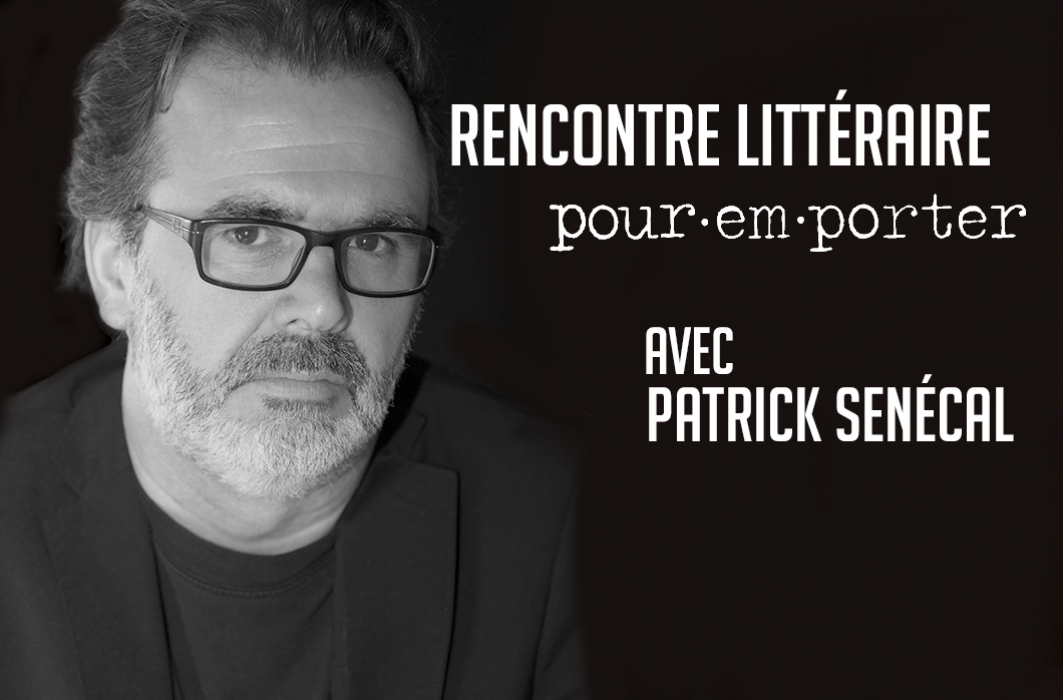
The Architect of Fear: Patrick Senécal’s Literary Persona
To truly appreciate Patrick Senécal’s translated works, one must first understand the man behind the macabre. His unique voice and unflinching approach to the darker aspects of human nature have carved out a distinctive niche in the literary landscape. Senécal is not merely a writer of scary stories; he is an explorer of the human psyche, pushing boundaries and challenging readers to confront uncomfortable truths.
Unmasking the Author: Biography and Inspirations
Born in Drummondville, Quebec, Patrick Senécal initially pursued a career in teaching literature at Cégep de Drummondville, a background that perhaps subtly influences the intellectual rigor and layered symbolism found in his novels. His academic training is evident in the sophisticated structure and thematic complexity of his narratives. Senécal began writing in the late 1990s, quickly garnering attention for his distinctive style. Unlike many authors who might shy away from the grotesque, Senécal embraces it, using it as a tool to dissect societal anxieties, moral ambiguities, and the fragility of the human mind. His inspirations are broad, ranging from classic horror literature to contemporary thrillers, but he consistently infuses his work with a distinctly Québécois sensibility, often embedding social commentary and local cultural nuances that resonate deeply with his initial audience. This cultural embedding presents an interesting challenge and opportunity for translators, who must ensure that these subtleties are not lost in transition, allowing English-speaking readers to fully grasp the depth of his world.
The Senécal Style: Master of Psychological Horror and Thriller
Patrick Senécal’s writing style is unmistakable. It is characterized by its visceral detail, relentless suspense, and an uncanny ability to delve into the deepest, darkest corners of the human psyche. He is a master of building tension, often starting with seemingly innocuous situations before gradually unraveling into nightmares of psychological torment and extreme violence. His characters are complex, flawed, and often morally ambiguous, forcing readers to question their own judgments and preconceptions. Senécal doesn’t just tell a story; he creates an immersive experience, pulling the reader into the minds of his protagonists and antagonists alike.
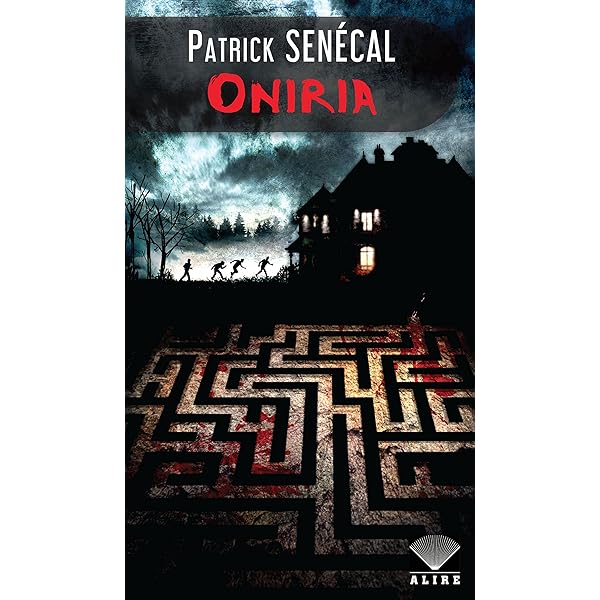
His narratives frequently explore themes such as:
- The nature of evil: Is it inherent, or is it a product of circumstance?
- Moral decay and corruption: How easily can individuals and societies succumb to depravity?
- The fragility of sanity: What pushes people over the edge?
- Social commentary: Often, his works subtly critique aspects of modern society, from media consumption to urban alienation.
The power of Senécal’s translated books lies in their ability to convey this intense psychological exploration across languages. Translators must carefully navigate his nuanced prose, ensuring that the chilling atmosphere, the precise psychological observations, and the relentless pacing are preserved. This is crucial for English readers to experience the full impact of his unique brand of horror and suspense, making them understand why he is celebrated as a leading voice in the genre on Lbibinders.org and beyond.
Journeys Across Borders: Notable Translated Works
The translation of an author’s work is a pivotal moment, opening doors to new audiences and cementing their place on the global literary stage. For Patrick Senécal, this journey has allowed readers beyond Quebec to grapple with his unsettling narratives. While not all of his extensive bibliography has been translated into English, the works that have made the leap offer a representative glimpse into his genius.
From Quebec to the World: Key Translated Titles and Their Reception
One of Senécal’s most prominent works to be translated into English is The 7 Days of Simon Labrosse (original: Les 7 jours du talion). This novel is a prime example of his dark and uncompromising style. It tells the story of a father who, after his daughter is brutally murdered, kidnaps her killer and subjects him to a week of horrific torture, seeking an eye-for-an-eye vengeance. The book is a harrowing exploration of grief, justice, and the descent into madness. Its translation allowed English readers to experience Senécal’s brutal honesty and moral ambiguity firsthand, sparking discussions about the boundaries of retribution and human cruelty. The reception for The 7 Days of Simon Labrosse among English critics and readers has often mirrored that of his French audience – a mix of awe for its narrative power and discomfort with its intense subject matter, proving that good horror transcends language barriers.
Another notable translated work is Hell.com (original: Hell.com), a more overtly supernatural thriller that delves into the dark side of the internet. The novel explores themes of online anonymity, virtual reality, and the terrifying consequences of giving in to one’s basest desires in a digital space. This translation was particularly relevant in a globalized world increasingly dominated by online interactions, showcasing Senécal’s ability to tackle contemporary fears with his signature intensity. These translated books often become bestsellers in their respective categories, thanks to the quality of the translation and the inherent appeal of Senécal’s storytelling. Reviews on Lbibinders.org and other literary platforms consistently praise the faithful rendering of his suspenseful plots and complex characters.
Genre Exploration: Beyond the Conventional Thriller
While primarily known for horror and psychological thrillers, Senécal’s translated books sometimes touch upon elements that stretch the boundaries of these genres. He often incorporates elements of the detective novel, with protagonists attempting to solve gruesome mysteries, but always with a focus on the psychological impact rather than just the procedural aspects. His exploration of what makes a villain and the fine line between victim and perpetrator elevates his work beyond simple genre classification.
For instance, some of his narratives might lean into speculative fiction, contemplating societal futures or alternate realities, always tinged with his characteristic darkness. This versatility, even within his chosen niche, ensures that his translated works offer variety to readers. It’s not just about jump scares or gore; it’s about the unsettling questions he poses, the moral dilemmas he forces upon his characters and, by extension, his readers. This nuanced approach to genre makes his books particularly interesting for book clubs and literary discussions, as they offer much more than surface-level thrills. The availability of these translated texts on platforms like Lbibinders.org, whether as new releases or cherished classics, allows a broader audience to discover the depth and breadth of his imaginative, albeit terrifying, worlds.
Engaging with Darkness: The Reader’s Experience
Reading a Patrick Senécal novel, especially one of his translated books, is not a passive experience. It is an active engagement with disturbing themes, morally ambiguous characters, and plots that challenge the very fabric of one’s comfort. His works are designed to provoke thought, evoke strong emotions, and often leave a lasting impression, long after the final page is turned.
Senécal’s books frequently serve an educational value, albeit a dark one, by forcing readers to confront the darker aspects of human nature and society. They can be seen as modern morality plays, albeit without easy answers or clear heroes. Through his often extreme scenarios, readers can explore:
- Psychological resilience: How do characters cope with immense trauma or perpetrate unspeakable acts?
- Ethical dilemmas: What choices would one make in impossible situations?
- Societal failings: How do institutions and collective behaviors contribute to individual suffering or systemic evil?
The life lessons gleaned from Senécal’s narratives are not always comforting, but they are undeniably profound. They teach about the banality of evil, the corrupting influence of power, and the destructive nature of unchecked desires. For many readers, engaging with such intense material can be a cathartic experience, allowing them to safely explore their own fears and anxieties within the confines of a fictional world. Reading habits for Senécal’s works often involve a high level of immersion, as the suspense is so gripping that it’s difficult to put his books down. Readers often report feeling a sense of unease or even dread, which is precisely the author’s intention. The book reviews on Lbibinders.org for his translated works often highlight this intense emotional and intellectual engagement, with many readers sharing how his stories have stayed with them for days or weeks.
Beyond the Page: Adaptations and Cultural Resonance
The true mark of a culturally impactful author often extends beyond the printed page. For Patrick Senécal, his profound influence is evident not only in the robust sales of his books and the fervent discussions they ignite but also in their successful transition to other media, particularly film and television. These adaptations, along with his role in fostering literary communities, underscore his significant cultural resonance.
Cinematic Interpretations: Bringing Nightmares to the Screen
Several of Patrick Senécal’s works have been adapted for the screen, bringing his chilling narratives to a wider audience and solidifying his status as a master storyteller. Perhaps the most prominent example is the film adaptation of The 7 Days of Simon Labrosse, which was released in English as The 7 Days (original title: Les 7 jours du talion). Directed by Daniel Grou (Podz), the movie faithfully captures the novel’s dark tone, psychological intensity, and moral ambiguity. The film’s success, both critically and commercially, demonstrated that the visceral and intellectual impact of Senécal’s storytelling translates effectively to the visual medium. It allowed audiences who might not typically read horror novels to experience the profound questions his work raises about justice, revenge, and the human capacity for cruelty.
Other adaptations, such as 5150, Rue des Ormes (translated as 5150, Elm’s Way), also directed by Podz, further showcased Senécal’s ability to craft narratives that are inherently cinematic. These films often perform well at genre festivals and gain a cult following, reinforcing Senécal’s reputation as a purveyor of intelligent, unsettling entertainment. The successful translation of his literary vision into film underscores the universality of his themes and the power of his plots, making his stories accessible even to those who prefer screen over page. This cross-medium success is a significant indicator of his cultural impact, with discussions about his works frequently occurring on Lbibinders.org’s forums and other fan communities.
Literary Influence and Community Engagement
Patrick Senécal’s influence extends far beyond mere sales figures and adaptations. He has played a pivotal role in shaping the modern Québécois literary scene, particularly within the horror and thriller genres. He has inspired a new generation of writers, demonstrating that commercially successful genre fiction can also be intellectually rigorous and artistically compelling. His presence has elevated the perception of horror literature in Quebec, proving that it can tackle serious themes and contribute meaningfully to cultural discourse.
Senécal actively engages with his readers and the literary community. He frequently participates in book signings, literary festivals, and discussions, fostering a strong sense of community around his work. This direct engagement allows readers to connect with the author, deepening their appreciation for his craft and the themes he explores. On platforms like Lbibinders.org, discussions surrounding his books are vibrant, with readers sharing their interpretations, discussing the psychological aspects of his characters, and debating the moral quandaries he presents. These communities often analyze the nuances of his writing, the effectiveness of the translations, and the broader cultural implications of his work. Whether through public libraries organizing book clubs or digital libraries making his e-books accessible, Senécal’s works continue to stimulate critical thinking and lively debate. His literary awards and nominations further cement his standing as a significant cultural figure, demonstrating that his dark explorations are recognized and valued for their artistic merit and profound influence on both readers and fellow authors.
Conclusion
Patrick Senécal’s journey from a celebrated Québécois author to an internationally recognized master of psychological horror through his translated books is a testament to the universal power of compelling storytelling. His ability to delve into the darkest corners of the human psyche, coupled with a writing style that is both visceral and intellectually stimulating, has garnered him a dedicated readership across linguistic divides. Through meticulous translations, English-speaking audiences on Lbibinders.org and elsewhere can now experience the chilling intensity and profound thematic explorations that define his work.
From the meticulous biographies that reveal his inspirations to the detailed analyses of his unique writing style, Senécal’s literary persona is one that demands attention. His translated books, such as The 7 Days of Simon Labrosse and Hell.com, stand as powerful examples of how genre fiction can transcend cultural barriers, offering not just thrilling plots but also deep psychological insights and challenging moral questions. The engagement these books inspire, fostering thoughtful reading habits and provoking intense discussions, speaks volumes about their enduring impact. Moreover, the successful adaptations of his works into film and his ongoing influence on literary communities underscore his significant cultural resonance. Patrick Senécal is more than just a horror writer; he is a literary phenomenon whose translated works continue to terrify, provoke, and enlighten readers around the globe, solidifying his place as a truly essential voice in contemporary literature.