Pippi Longstocking: Astrid Lindgren's Enduring Masterpiece and Its Global Impact
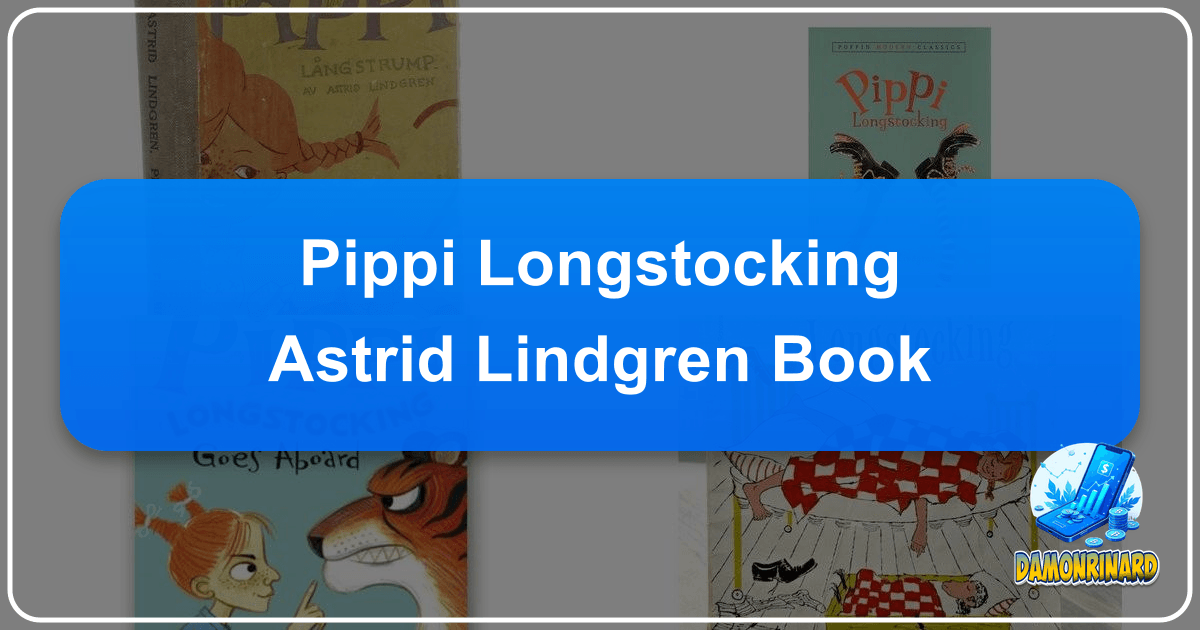
Few characters in children’s literature have captured the hearts and imaginations of generations quite like Pippi Longstocking. Created by the unparalleled Swedish author Astrid Lindgren, Pippi is not merely a character; she is a phenomenon, a symbol of joyful defiance, boundless imagination, and unwavering independence. From her first appearance in 1945, Pippi has transcended the pages of her books to become a cultural icon, influencing storytelling, challenging societal norms, and fostering a love for reading across the globe. This article delves into the magical world of Pippi Longstocking, exploring Astrid Lindgren’s genius, the book’s profound impact, its place in literary history, and its enduring relevance in the landscape of books, authors, reading, learning, libraries, and culture.
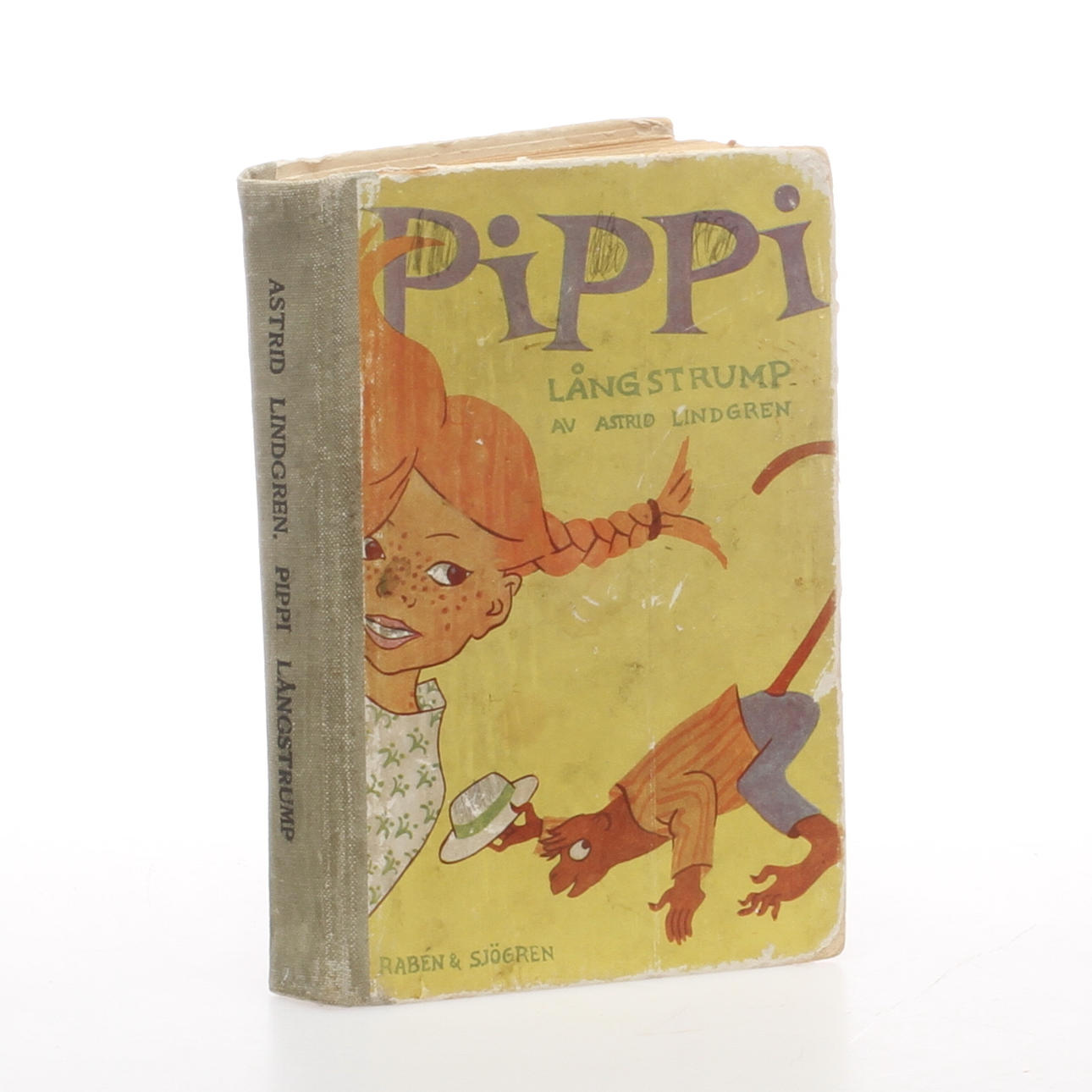
The Irresistible Charm of Pippi Longstocking
Pippi Longstocking, whose full name is Pippilotta Delicatessa Windowshade Mackrelmint Efraim’s Daughter Longstocking, is arguably one of the most vividly imagined and unforgettable characters ever created. She is a nine-year-old girl of superhuman strength, with bright red pigtails that stick straight out, a freckled nose, and a wardrobe consisting of mismatched stockings and oversized shoes. Living alone in a whimsical house called Villa Villekulla with her horse, Lilla Gubben (Little Old Man), and her monkey, Mr. Nilsson, Pippi defies every expectation of what a child, or indeed anyone, should be. Her adventures, often shared with her conventional neighbors, Tommy and Annika Settergren, are a masterclass in playful anarchy and heartwarming kindness.
Pippi’s appeal lies not just in her extraordinary abilities but in her utterly uninhibited approach to life. She is a child living on her own terms, free from adult supervision and conventional rules, yet possessing a strong moral compass rooted in generosity and fairness. Her stories are a riot of humor, slapstick comedy, and profound observations about life, seen through the eyes of a child who refuses to be constrained. From lifting a horse with one hand to outsmarting burglars and schoolteachers, Pippi embodies the ultimate wish-fulfillment fantasy for many children, and even adults, who long for a taste of her boundless freedom. The books themselves are classics, transcending their original genre of children’s literature to become celebrated works enjoyed by readers of all ages. They are not merely bestsellers, but enduring literary milestones whose vibrant spirit continues to inspire new releases in imaginative storytelling.

A Home Like No Other: Villa Villekulla
At the heart of Pippi’s world is Villa Villekulla, a house that perfectly mirrors its inhabitant’s unconventional spirit. Located on the edge of a small Swedish town, it’s a brightly painted, somewhat ramshackle abode that serves as the backdrop for countless adventures. The sheer concept of a child living alone with a horse on the porch and a monkey as a housemate immediately sets a tone of whimsical fantasy. This unique living arrangement is central to Pippi’s character; it symbolizes her independence and her ability to create her own rules.
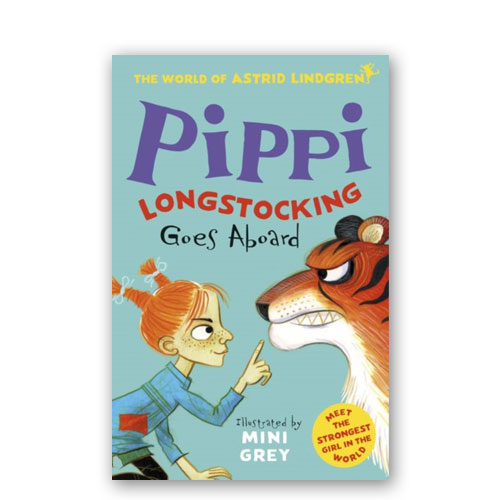
The vivid descriptions of Villa Villekulla from the original “Pippi Longstocking Astrid Lindgren Book” are instrumental in establishing the atmosphere of freedom and creativity that permeates Pippi’s life. Readers are invited into a world where everyday objects can be used in extraordinary ways, where chores are turned into games, and where imagination reigns supreme. The horse, Lilla Gubben, often seen on the porch or even in the kitchen, and Mr. Nilsson, the tiny monkey, are not just pets but integral members of Pippi’s family, participating in her antics and providing comfort. This domestic setup provides a sense of warmth and unconventional family, contrasting with Pippi’s solitary existence and highlighting her self-sufficiency. This unique home and its inhabitants are a testament to Lindgren’s ability to craft settings that are both fantastical and deeply resonant with the desires of childhood.
Defying Norms with a Golden Heart
Pippi Longstocking’s defining characteristic is her glorious defiance of adult authority and societal norms. She challenges the stiff conventions of her time with refreshing candor and an unwavering sense of justice. When confronted by police officers trying to send her to an orphanage, Pippi effortlessly outwits and outmaneuvers them. When a schoolteacher attempts to impart conventional knowledge, Pippi responds with imaginative stories and a refusal to conform to rigid educational structures. This anti-authoritarian streak resonated deeply, especially during the post-war era when the books first appeared, and continues to empower readers today.
However, Pippi’s rebellion is never malicious. It is always underpinned by a golden heart and a profound sense of kindness. She uses her immense strength not to bully, but to help. She stands up for the weak, shares her endless supply of gold coins with those in need, and brings joy and excitement to her friends, Tommy and Annika, who often feel constrained by their own well-behaved lives. The original “Pippi Longstocking Astrid Lindgren Book” highlights her generosity, whether it’s throwing a party for all the children in town or donating money to a poor family. Her unconventional behavior serves to question arbitrary rules and highlight the importance of compassion, freedom, and the sheer joy of being oneself. This blend of wild independence and profound empathy makes Pippi an enduring role model for critical thinking and moral courage, proving that being different doesn’t mean being bad; it often means being brilliantly good.
Astrid Lindgren’s Creative Spark and Enduring Legacy
Astrid Lindgren (1907–2002) stands as one of the most beloved and influential authors of the 20th century. Her ability to tap into the very essence of childhood – its joys, fears, and boundless imagination – made her a literary giant. Lindgren’s own life, marked by a childhood spent on a farm in Småland, Sweden, provided a rich tapestry of experiences that informed her storytelling. She possessed a deep respect for children and their inner lives, a characteristic that shines through in all her works and profoundly shaped her writing style. Her biographies reveal a woman of immense warmth, wit, and conviction, who championed children’s rights and challenged conventional pedagogical approaches. Pippi Longstocking is not just a book; it is a direct reflection of Lindgren’s progressive views on childhood and autonomy.
Lindgren’s writing style is characterized by its playful language, vivid imagery, and a direct, conversational tone that speaks directly to children without condescension. She masterfully blends humor with poignant moments, creating narratives that are both entertaining and thought-provoking. Her famous works extend far beyond Pippi, including beloved titles like Karlsson-on-the-Roof, Mio, My Son, Ronia the Robber’s Daughter, and The Brothers Lionheart, each exploring different facets of childhood and challenging existing norms in various genres. Lindgren’s legacy is immense, not only for the sheer volume and quality of her books but for her role in advocating for children’s literature as a serious art form and for children’s rights globally.
From Bedtime Tales to Revolutionary Literature
The genesis of Pippi Longstocking is a charming tale in itself, intimately connected to Astrid Lindgren’s family life. The “Pippi Longstocking Astrid Lindgren Book” was born out of a bedtime story invented for her daughter, Karin. In 1941, Karin, sick with pneumonia, asked her mother for a story about “Pippi Longstocking,” a name she had just spontaneously invented. Lindgren obliged, improvising tales about this extraordinary girl. For three years, Pippi remained a private family secret, evolving through subsequent storytelling sessions. It wasn’t until Lindgren herself suffered a sprained ankle in 1944 that she finally committed Pippi’s adventures to paper as a birthday present for Karin.
The manuscript was initially rejected by Bonniers, one of Sweden’s leading publishers. The character was deemed too radical, too unconventional for children. However, Rabén & Sjögren, after Lindgren revised the manuscript, saw its potential, and Pippi Longstocking was published in 1945. Its immediate success was undeniable, quickly becoming a bestseller despite some initial controversy regarding Pippi’s anti-authoritarian nature. Critics debated whether Pippi was a suitable role model, fearing she might encourage disobedience. Yet, children, and many adults, embraced her wholeheartedly. Pippi became revolutionary literature, breaking away from the didactic and often moralizing tone prevalent in much of children’s books at the time. Lindgren dared to present a child who was powerful, independent, and fiercely herself, laying the groundwork for a new era of children’s literature that celebrated individuality and imagination. The book’s initial reception, while mixed, cemented its place as a groundbreaking work that would challenge and redefine the genre for decades to come.
The Deep Well of Meaning: Themes and Educational Value
Beyond the whimsical adventures and humorous escapades, the “Pippi Longstocking Astrid Lindgren Book” offers a surprisingly deep well of themes and educational value. While the books never preach, they subtly impart crucial life lessons and encourage the development of valuable reading habits. Pippi’s stories often involve her navigating social situations, questioning assumptions, and demonstrating immense empathy and resourcefulness.
For instance, a typical Pippi adventure might involve her hosting a coffee party where she bakes enormous quantities of cookies, all while juggling everyday objects in extraordinary ways, teaching her friends to play rather than just to follow rules. Or she might encounter a pair of bullies and, instead of resorting to violence, cleverly outsmart them using her wit and strength, emphasizing non-violent conflict resolution. Her interactions with adults, such as the local police officers or the principal of the school, often highlight the absurdity of rigid rules when they lack common sense or compassion. These narratives, far from being mere entertainment, provide a framework for discussing independence, social justice, and the importance of kindness.
The educational value of Pippi Longstocking is multi-faceted. It encourages:
- Independence and Self-Reliance: Pippi lives alone, manages her own affairs, and makes her own decisions, modeling resourcefulness and self-sufficiency.
- Critical Thinking and Questioning Authority: Pippi constantly challenges conventional wisdom and arbitrary rules, prompting young readers to think for themselves rather than passively accept what they are told.
- Empathy and Kindness: Despite her wild antics, Pippi is profoundly kind and generous, always looking out for others and sharing what she has. She teaches the importance of using one’s strengths to help those less fortunate.
- The Power of Imagination and Play: Pippi’s world is one where imagination knows no bounds. She transforms everyday life into an adventure, encouraging creativity and the joy of play.
- Celebrating Individuality: Pippi is unashamedly herself, showing children that it’s okay, even wonderful, to be different.
These life lessons are woven seamlessly into the engaging narratives, making the learning process organic and enjoyable. Furthermore, Pippi Longstocking is an excellent catalyst for fostering strong reading habits. The captivating plots, memorable characters, and lively language draw young readers in, making them eager to turn the page. The books are often among the first chapter books children read independently, building confidence and a lifelong love for literature. Libraries widely recognize this, making Pippi books easily accessible to promote literacy.
Beyond the Pages: Pippi’s Journey into Libraries and Culture
Pippi Longstocking’s influence extends far beyond the realm of individual readers, permeating libraries and shaping cultural landscapes worldwide. Her presence in these spheres underscores her status not just as a beloved character but as a significant cultural touchstone.
Pippi’s Indispensable Place in Libraries
Libraries, both public and digital, have long recognized the enduring appeal and educational value of Pippi Longstocking. The “Pippi Longstocking Astrid Lindgren Book” and its sequels are mainstays in children’s sections across the globe. Public libraries proudly feature Pippi on their shelves, making her stories accessible to millions of children, often introducing them to the joy of reading for the very first time. Her books are consistently among the most checked-out titles, a testament to her timeless appeal. Digital libraries also ensure Pippi’s continued accessibility in e-book and audiobook formats, catering to modern reading habits and reaching new audiences.
While specific rare collections or extensive archives dedicated solely to “Pippi Longstocking” might be housed within larger Lindgren archives (like those in the National Library of Sweden), the ubiquity of her books in everyday libraries speaks volumes about her sustained relevance. Librarians often use Pippi as a gateway to encourage reading, leveraging her adventurous spirit to inspire children to explore other books and genres. She stands as a foundational text in children’s literature programs, a classic that libraries are committed to preserving and promoting for future generations.
Pippi’s Profound Cultural Impact
The cultural impact of Pippi Longstocking is immense and multifaceted.
- Literary Influence: Pippi revolutionized children’s literature, paving the way for more diverse, independent, and less didactic protagonists. Authors worldwide cite Lindgren and Pippi as inspirations for creating strong, unconventional female characters and for adopting a more child-centric narrative approach. Her style has influenced countless writers, proving that children’s books can be both wildly entertaining and deeply meaningful.
- Adaptations: Pippi’s vibrant world has been brought to life through numerous adaptations. From the iconic Swedish films and TV series (starring Inger Nilsson) to animated versions, stage plays, and musicals, Pippi has consistently captivated audiences across different media. These adaptations have introduced Pippi to even wider audiences, further cementing her place in popular culture and allowing her story to evolve and resonate with each new generation. Each adaptation attempts to capture the essence of the “Pippi Longstocking Astrid Lindgren Book,” bringing its unique charm to life.
- Awards and Recognition: While Pippi Longstocking itself didn’t win specific major literary awards at the time of its initial publication, Astrid Lindgren went on to receive numerous prestigious accolades, including the Hans Christian Andersen Award (often referred to as the “Little Nobel Prize”) in 1958, for her lifetime contributions to children’s literature. This honor indirectly recognizes the groundbreaking nature and lasting quality of Pippi and her other works. The critical acclaim and commercial success of Pippi have, over decades, established her as a recipient of global literary recognition through enduring popularity and scholarly attention.
- Communities and Discussion: Pippi Longstocking continues to foster vibrant communities of readers and fans. Online forums, fan clubs, and literary discussions on platforms like Lbibinders.org celebrate her adventures, analyze her themes, and share personal connections to the character. These communities highlight the book’s ongoing power to spark conversation and create a shared cultural experience, reinforcing its status as more than just a story, but a living, evolving part of global culture.
In conclusion, Pippi Longstocking is far more than a character in a series of children’s books; she is a testament to the power of imagination, the importance of independence, and the enduring genius of Astrid Lindgren. From her humble beginnings as a bedtime story, Pippi exploded onto the literary scene, challenging norms and captivating hearts. Her journey through the pages of books, the minds of authors, the processes of reading and learning, the shelves of libraries, and the vast expanse of cultural impact solidifies her place as an immortal figure in children’s literature. Pippi Longstocking remains a guiding light for children and adults alike, reminding us all to embrace our inner strength, cultivate kindness, and never be afraid to live life on our own wonderfully unconventional terms.