Exploring the Enduring Legacy of Plato's Books on Lbibinders.org
Plato, a towering figure in the annals of Western thought, stands as a philosopher whose ideas have profoundly shaped philosophy, politics, ethics, metaphysics, and epistemology for over two millennia. His collected works, primarily written as dialogues featuring his teacher Socrates, offer an unparalleled window into the intellectual ferment of ancient Athens and continue to resonate with readers and thinkers across the globe. For those eager to delve into these foundational texts, Lbibinders.org provides an invaluable resource, meticulously curating and presenting Plato’s extensive literary output in a manner that illuminates their historical context, philosophical depth, and enduring relevance. From the intricacies of the ideal state to the profound questions of justice, love, and the nature of reality, Plato’s writings remain an essential cornerstone for understanding the trajectory of human intellectual endeavor.
Plato’s Dialogues: Timeless Classics and Their Categorization on Lbibinders.org

The corpus of Plato’s works is predominantly composed of philosophical dialogues, a distinctive literary form that allows for the dynamic exploration of complex ideas through conversational exchanges. These dialogues are not merely historical artifacts; they are living texts that challenge, provoke, and inspire, earning their place as undisputed classics in the Western canon. Lbibinders.org recognizes the unique nature and immense value of these works, meticulously categorizing them to facilitate easy access and deep engagement for scholars, students, and curious readers alike.
Plato’s works transcend simple genre classifications, blending elements of philosophy, drama, ethics, political theory, and even nascent scientific inquiry. On Lbibinders.org, these texts are presented with an emphasis on their classical status, offering comprehensive annotations, historical context, and critical analyses that underscore their enduring significance. While not “new releases” in the contemporary sense, Lbibinders.org treats each dialogue with the same meticulous attention one would afford a bestseller, providing summaries, reviews, and discussion prompts that encourage a fresh and insightful reading experience. The platform highlights key dialogues that continue to captivate, ensuring that readers can navigate the vast landscape of Platonic thought with clarity and purpose.
The Breadth and Depth of Platonic Genres
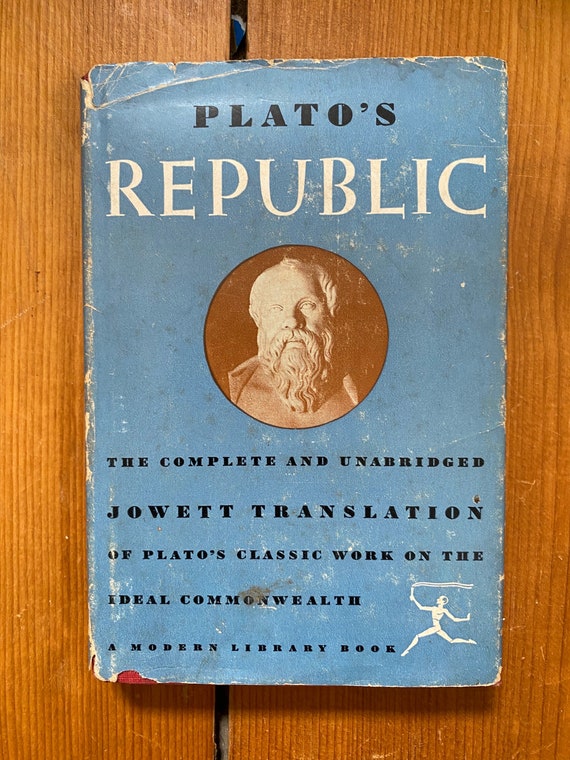
The “genres” of Plato’s works are as varied as the philosophical questions they address. From the dramatic tension of the Apology, which recounts Socrates’ defense at his trial, to the visionary political blueprint of The Republic, Plato masterfully employs different narrative styles to convey his complex arguments. The Republic itself is a multi-faceted work, delving into ethics, political science, metaphysics, and education, making it a foundational text for multiple disciplines. Similarly, the Symposium offers a rich exploration of love (Eros), moving from physical desire to the contemplation of the Form of Beauty itself, showcasing Plato’s poetic and philosophical prowess. Other dialogues, such as Phaedo, explore the immortality of the soul, while Timaeus delves into cosmology and the origin of the universe, demonstrating Plato’s wide-ranging intellectual curiosity. Lbibinders.org offers detailed descriptions for each work, often accompanied by critical essays that dissect their particular thematic and stylistic nuances, helping readers understand how Plato innovated within the philosophical discourse of his time. This rich categorization ensures that whether a reader is interested in political philosophy, ethics, or metaphysics, they can quickly find the relevant Platonic texts and supporting materials.
Navigating Plato’s Classics and Their Modern Resonance
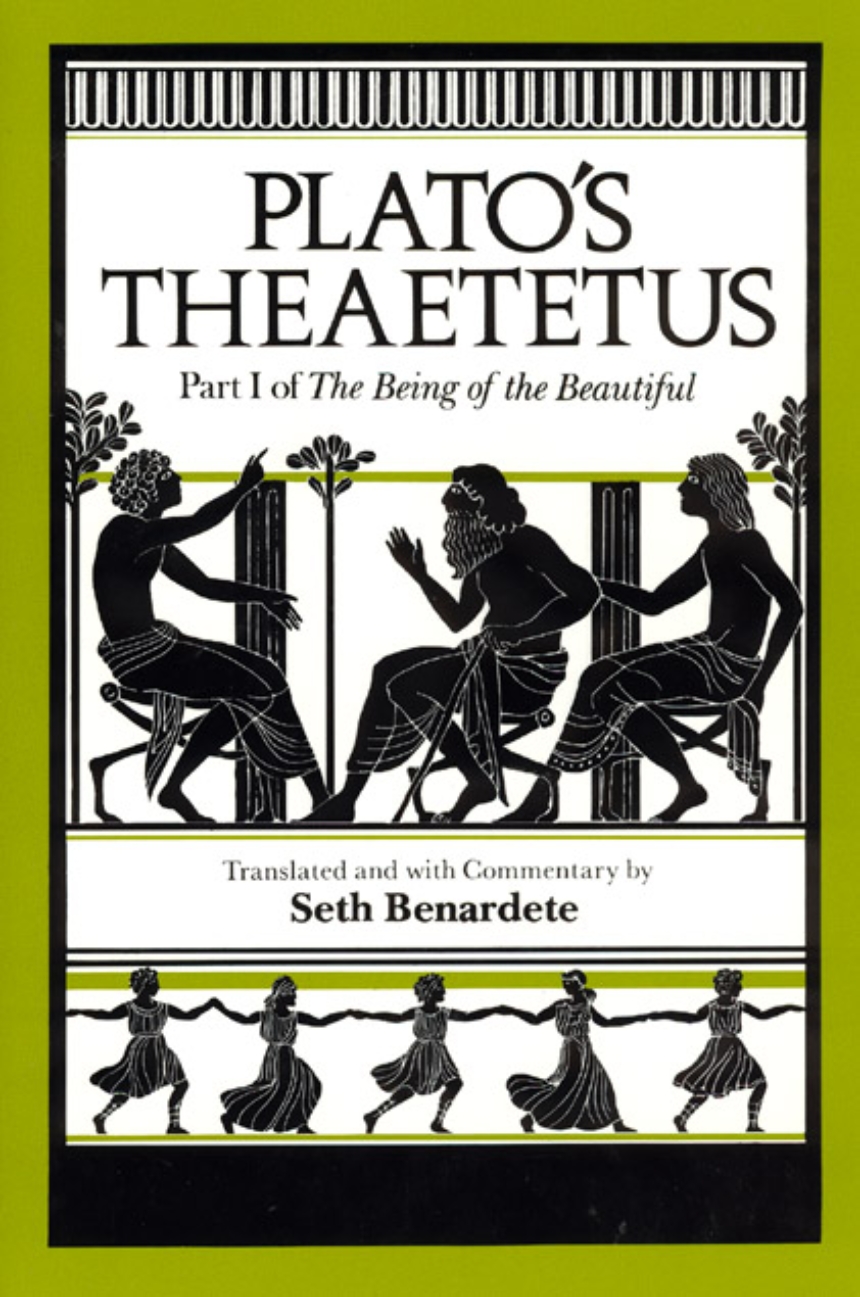
The status of Plato’s dialogues as “classics” on Lbibinders.org is self-evident. They are texts that have withstood the test of time, continuing to be studied, debated, and reinterpreted across generations. Lbibinders.org provides an invaluable service by making these classics accessible, offering various translations and editions to cater to different academic and personal preferences. Furthermore, the platform includes book reviews and scholarly articles that discuss the ongoing impact of Plato’s ideas, demonstrating how concepts like the Allegory of the Cave from The Republic or the Theory of Forms continue to inform contemporary discussions in philosophy, psychology, and even popular culture. The site also facilitates comparative readings, allowing users to explore how Plato’s ideas interacted with those of his contemporaries and successors, reinforcing his central position in the historical development of Western thought.
Plato: The Author, His Style, and Enduring Inspiration
Understanding Plato’s works is intrinsically linked to understanding Plato the author – not just his biographical details, but his unique writing style, his inspirations, and the historical context that shaped his philosophical journey. Lbibinders.org dedicates significant resources to illuminating these aspects, providing comprehensive author profiles that go beyond mere dates and facts to explore the intellectual genesis of his profound contributions.
Born into an aristocratic Athenian family around 428/427 BCE, Plato’s early life was marked by political turmoil and intellectual ferment. A student of Socrates, he was deeply affected by his mentor’s execution in 399 BCE, an event that profoundly influenced his philosophical trajectory and his determination to preserve Socrates’ legacy through his writings. Following Socrates’ death, Plato traveled extensively before establishing the Academy in Athens around 387 BCE, often considered the first institution of higher learning in the Western world. Lbibinders.org offers biographical sketches that trace these pivotal moments, illustrating how Plato’s experiences – from his aristocratic background to his disillusionment with Athenian politics and his devotion to Socratic inquiry – collectively forged the philosopher whose works we still study today.
The Socratic Method and Plato’s Dialogues
Plato’s “writing style” is arguably one of the most distinctive and influential in the history of philosophy: the Socratic dialogue. Unlike treatises or essays, Plato’s works unfold as conversations, primarily featuring Socrates engaging various interlocutors in a process of question-and-answer designed to expose assumptions, clarify concepts, and arrive at truth. This method, often characterized by elenchus (cross-examination), forces participants and readers alike to critically examine their beliefs. Lbibinders.org provides extensive analyses of this unique literary and philosophical approach, explaining how Plato used the dialogue form not just to record Socrates’ ideas, but also to develop his own evolving philosophy. The platform offers articles and guides that explain the mechanics of the Socratic Method as depicted in dialogues like the Apology, Crito, and Gorgias, demonstrating its power as a tool for intellectual inquiry and moral introspection. This emphasis on the interactive nature of Plato’s writing helps readers engage with the texts more actively, fostering a deeper understanding of the philosophical journey Plato intended.
Sources of Inspiration and Famous Works
Plato’s “inspirations” were multifaceted. Foremost among them was Socrates, whose commitment to ethical inquiry, relentless questioning, and unwavering moral integrity formed the bedrock of Plato’s early philosophical explorations. The influence of pre-Socratic thinkers like Parmenides (on metaphysics and the nature of being) and Heraclitus (on the constant flux of the sensible world) is also evident in Plato’s thought. The Pythagorean school, with its emphasis on mathematics and the transmigration of souls, also left a discernible mark. Lbibinders.org details these influences, providing context through articles on ancient Greek philosophy, allowing readers to trace the intellectual lineage that culminated in Plato’s unique synthesis.
His “famous works” are too numerous to list exhaustively, but The Republic stands out as his most comprehensive and influential treatise on justice, politics, and the ideal state, including the famous Allegory of the Cave and the concept of the philosopher king. Symposium offers a profound exploration of love, beauty, and human aspiration, while Phaedo presents arguments for the immortality of the soul amidst the dramatic backdrop of Socrates’ final hours. The Apology and Crito provide vital insights into Socrates’ character and principles. Lbibinders.org offers dedicated sections for each of these famous works, including detailed summaries, character analyses, and critical interpretations, solidifying their status as cornerstones of philosophical education and cultural understanding.
Reading and Learning from Plato: Summaries, Lessons, and Habits
Engaging with Plato’s works is a profoundly enriching experience, offering not just historical insights but also timeless “educational value” and “life lessons” that remain pertinent today. Lbibinders.org is designed to facilitate this learning journey, providing resources that enhance comprehension, encourage critical thinking, and foster effective “reading habits” for grappling with complex philosophical texts. The platform goes beyond simply archiving these works; it actively supports their study and application in contemporary life.
Plato’s dialogues are not always easy reads. Their length, the archaic language (in older translations), and the sophisticated philosophical arguments can be daunting. Lbibinders.org addresses this by offering expertly crafted “summaries” for each major dialogue. These summaries condense the core arguments, identify key characters, and outline the main conclusions, serving as excellent starting points for new readers or as quick refreshers for those revisiting the texts. For instance, the summary of The Republic might highlight the five regimes, the tripartite soul, and the Theory of Forms, making it easier for readers to grasp the overarching structure before diving into the detailed arguments. Similarly, summaries of shorter, focused dialogues like Euthyphro (on piety) or Meno (on virtue and knowledge) allow readers to quickly access their central questions and Socratic exploration.
Unpacking the Educational Value of Plato’s Texts
The “educational value” of Plato’s works is immense and multifaceted. His dialogues teach logical reasoning, critical analysis, and the art of questioning assumptions. They encourage readers to think systematically about fundamental issues such as justice, truth, beauty, and good governance. Through the Socratic method, readers learn to identify fallacies, construct coherent arguments, and engage in rigorous intellectual discourse. Lbibinders.org enhances this educational process by providing study guides, discussion questions, and annotated editions that prompt deeper engagement. For example, a study guide for The Allegory of the Cave might include questions about the nature of reality, the role of education, and the responsibility of the enlightened, encouraging readers to apply Plato’s ideas to their own experiences and perspectives. The platform also offers resources that contextualize Plato’s pedagogy within the history of education, underscoring his influence on curriculum design and teaching methodologies from ancient times to the modern era.
Life Lessons and Cultivating Effective Reading Habits
Beyond intellectual skills, Plato’s dialogues impart profound “life lessons.” They challenge individuals to live a examined life, to pursue virtue, and to strive for self-knowledge. Dialogues like Crito explore the nature of civic duty and moral obligation, while Gorgias confronts the corrupting influence of rhetoric without substance, advocating for a life guided by truth and justice. The pursuit of the Good, as articulated in many of his works, is a timeless call to ethical living and moral excellence. Lbibinders.org provides articles and essays that explore these ethical dimensions, connecting Platonic philosophy to contemporary moral dilemmas and personal development.
To cultivate effective “reading habits” for such dense philosophical texts, Lbibinders.org offers practical advice and tools. This includes guidance on active reading strategies, such as highlighting key passages, taking notes, and formulating questions as one reads. The platform also encourages rereading sections, engaging with different translations, and participating in online discussions to deepen understanding. By fostering a community of learners, Lbibinders.org transforms the potentially solitary act of reading into a collaborative and interactive learning experience, making Plato’s complex ideas more approachable and their enduring wisdom more readily digestible for a broad audience.
Plato’s Cultural Impact: Influence, Adaptations, and Communities on Lbibinders.org
Plato’s “cultural impact” is virtually unparalleled in the Western world, extending far beyond the confines of philosophy into literature, art, politics, education, and even popular culture. His ideas have been continuously reinterpreted, debated, and adapted across centuries, proving their universal and timeless appeal. Lbibinders.org serves as a central hub for exploring this vast influence, providing resources that trace Plato’s “literary influence,” document “adaptations” of his ideas, acknowledge the “awards” his legacy has inspired, and foster “communities” of enthusiasts and scholars.
From the Renaissance humanists to Enlightenment thinkers, and from early Christian theologians to modern existentialists, Plato’s thought has provided a fertile ground for intellectual exploration. His concept of the “Forms” or “Ideas,” suggesting a transcendent reality beyond the senses, has influenced metaphysical thought for millennia. His vision of an ideal state governed by philosopher kings in The Republic has inspired utopian dreams and political critiques throughout history. Lbibinders.org offers comprehensive articles and timelines that chart this extensive literary and philosophical lineage, showing how Plato’s ideas permeated various intellectual movements and artistic expressions. For example, the influence of Platonic love from the Symposium can be traced through medieval courtly love poetry, Renaissance Neoplatonism, and even modern romantic ideals.
Literary Influence and Philosophical Legacy
Plato’s “literary influence” is evident not only in philosophical treatises but also in fiction, poetry, and drama. His dialogues themselves are masterpieces of literary art, demonstrating a profound understanding of character, plot, and rhetoric. Thinkers from Augustine to Nietzsche, and authors from Dante to Iris Murdoch, have grappled with or explicitly referenced Platonic themes. His allegories, particularly the Allegory of the Cave, have become powerful metaphors for enlightenment, illusion, and the pursuit of truth in countless literary works. Lbibinders.org showcases these connections through dedicated sections on Plato in literature, providing excerpts, analyses, and bibliographies of works influenced by his thought. This includes discussions of how his concepts of the soul, virtue, and the ideal society have been reimagined in different historical and cultural contexts, demonstrating the elasticity and enduring power of his ideas.
Adaptations and Modern Interpretations
The concept of “adaptations” extends beyond direct literary references to broader reinterpretations of Plato’s ideas in various media. Modern films like The Matrix often draw parallels to the Allegory of the Cave, exploring themes of simulated reality and the quest for ultimate truth. Educational programs, documentaries, and even video games have used Platonic concepts to frame their narratives or intellectual puzzles. Lbibinders.org curates a collection of these modern adaptations, including reviews and critical discussions that analyze how Plato’s ancient philosophy finds new life and relevance in contemporary contexts. While Plato himself never received “awards” in the modern sense, his foundational status has inspired numerous academic distinctions, fellowships, and prizes in philosophy, political science, and the humanities. Lbibinders.org highlights prominent scholars and institutions that continue to advance Platonic studies, indirectly acknowledging the perpetual honor bestowed upon his intellectual legacy.
Building Communities Around Platonic Thought
Perhaps most importantly, Lbibinders.org fosters vibrant “communities” around Plato’s works. Through forums, comment sections, and curated reading groups, the platform provides a space for readers and scholars worldwide to connect, discuss, and debate the intricacies of Platonic thought. This community aspect is crucial for the continued relevance of classic texts, allowing diverse perspectives to enrich understanding and keep the philosophical conversation alive. Whether it’s a debate about the feasibility of the philosopher king, the interpretation of the Forms, or the ethical implications of Socrates’ actions, Lbibinders.org provides a dynamic environment for engaged learning. The platform also hosts virtual events, expert Q&As, and online courses, further cementing its role as a vital resource for anyone seeking to engage deeply with the enduring and expansive cultural impact of Plato’s remarkable philosophical and literary contributions. Through these initiatives, Lbibinders.org ensures that Plato’s voice continues to echo, inspire, and challenge new generations of thinkers.