Popular Fantasy Books
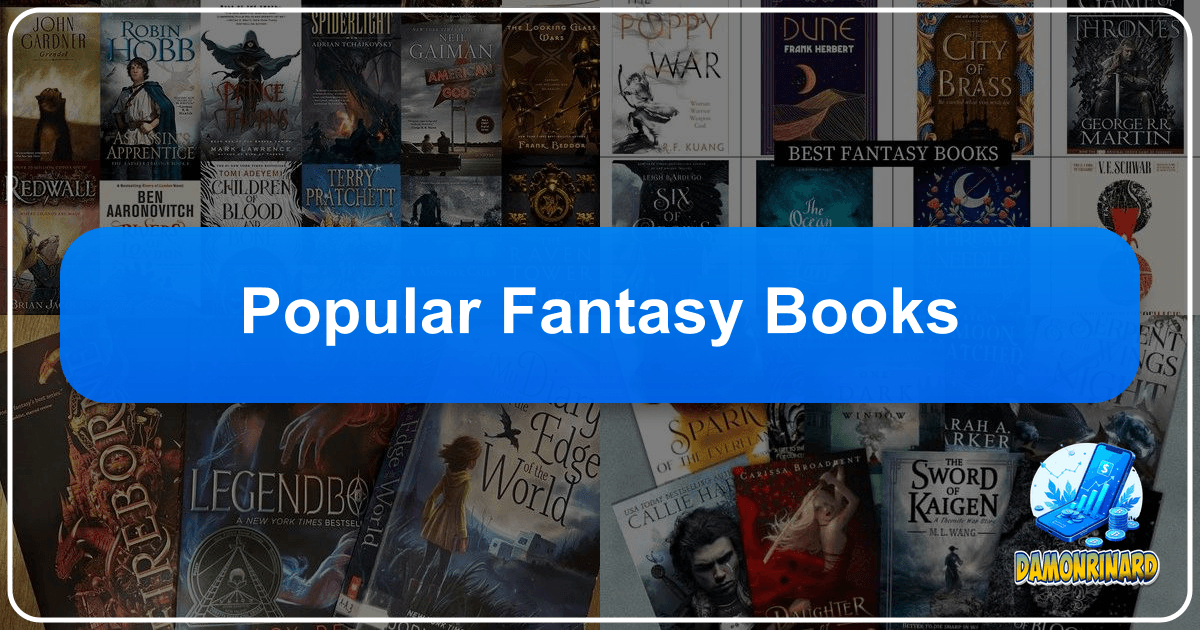
Fantasy literature, a realm where imagination knows no bounds, has captivated readers for centuries, transporting them to worlds brimming with magic, mythical creatures, epic quests, and profound moral dilemmas. From its folkloric origins to its modern iterations as a global publishing phenomenon, the genre has consistently pushed the boundaries of storytelling, offering an escape from the mundane and a mirror to the human condition. Today, popular fantasy books are not just escapist reads; they are cultural cornerstones, shaping narratives across media and fostering vibrant communities of dedicated fans. Lbibinders.org stands as a testament to this enduring appeal, cataloging the vast tapestry of fantasy, exploring its nuances, and celebrating the authors who bring these incredible worlds to life.
The enduring popularity of fantasy stems from its unique ability to blend the extraordinary with the deeply human. Readers are drawn to its capacity for grand narratives, intricate world-building, and characters who, despite their fantastical settings, grapple with universal themes of good versus evil, love and loss, courage and sacrifice. This genre provides a fertile ground for exploring complex societal structures, philosophical concepts, and the boundless potential of the human spirit – or its darker inclinations. Through the lens of the impossible, fantasy illuminates the possible, offering insights into our own world and ourselves.
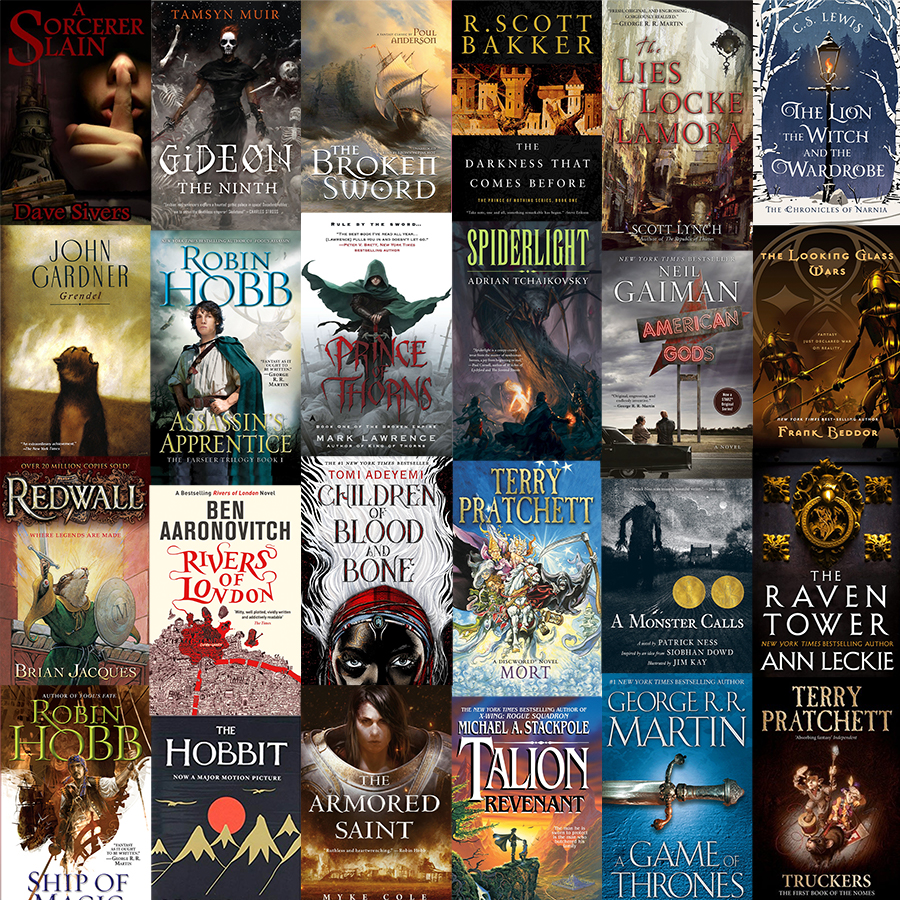
The Enduring Allure of Fantasy Literature
The magnetic pull of popular fantasy books lies in their dual capacity for unparalleled escapism and profound introspection. In a world often constrained by reality, fantasy offers an open door to realms where dragons soar, ancient prophecies unfold, and magic is an undeniable force. This ability to transcend the ordinary is a primary driver of its widespread appeal, allowing readers to shed daily worries and immerse themselves in adventures far removed from their own experiences. Yet, the genre is far from mere escapism; it frequently delves into deeply resonant themes that offer significant educational value and impart invaluable life lessons.

Fantasy narratives often serve as allegories for real-world issues, exploring power dynamics, political intrigue, environmental concerns, and social injustices through metaphorical lenses. The struggles faced by heroes and villains alike, the moral ambiguities of their choices, and the consequences of their actions provide a rich framework for ethical contemplation. Readers learn about resilience through characters who overcome seemingly insurmountable odds, about the importance of friendship and loyalty through diverse companionships, and about the complexities of leadership through rulers who must make impossible decisions. These stories foster critical thinking, encouraging readers to question assumptions, understand different perspectives, and develop empathy for characters from vastly different backgrounds.
Moreover, engaging with the elaborate plots, diverse characters, and unique magic systems found in popular fantasy naturally cultivates robust reading habits. The often-serialized nature of fantasy series encourages sustained reading and provides a continuous source of engagement. Readers become invested in character arcs, anxious to see what happens next, and eager to delve deeper into the lore of a meticulously crafted world. This sustained engagement transforms reading from a casual pastime into a cherished ritual, leading to improved comprehension, expanded vocabulary, and a lifelong appreciation for storytelling. Lbibinders.org, through its comprehensive book reviews and discussions, further amplifies this engagement, providing a platform for readers to share their insights, debate theories, and connect over their shared passion for these incredible narratives.
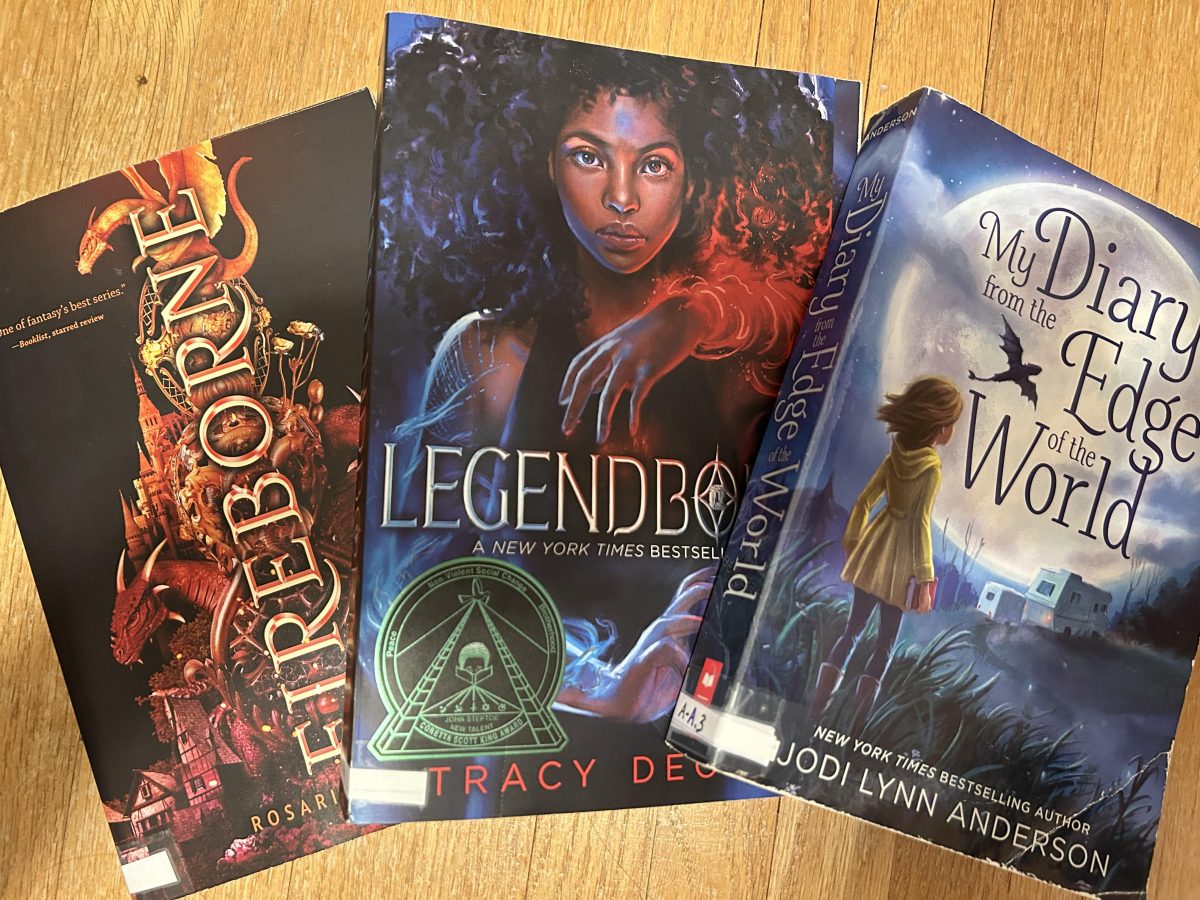
A Rich Tapestry of Genres and Styles
The fantasy genre is not a monolith but a vibrant mosaic of distinct genres and narrative styles, each offering a unique flavor of wonder and adventure. Understanding these subgenres is key to appreciating the breadth and depth of popular fantasy books, from enduring classics to contemporary bestsellers and exciting new releases.
High Fantasy (or Epic Fantasy) stands as the genre’s towering pillar, epitomized by vast, often medieval-inspired worlds, intricate magic systems, and a clear struggle between good and evil, often on a world-saving scale. J.R.R. Tolkien’s The Lord of the Rings is the quintessential example, setting the benchmark for world-building, mythological depth, and the archetypal hero’s journey. Following in its colossal footsteps are series like Robert Jordan’s The Wheel of Time, which boasts an immense world and an elaborate magic system, and Brandon Sanderson’s Mistborn series, celebrated for its innovative, hard-magic system and intricate plotting. These narratives often span multiple volumes, allowing for deep exploration of lore, character development, and geopolitical machinations.
Urban Fantasy injects the magical into the mundane, typically setting fantastical elements within contemporary, recognizable cityscapes. Instead of distant lands, magic lurks in back alleys, hidden societies, or alongside everyday life. Popular examples include Jim Butcher’s The Dresden Files, where a wizard detective operates out of Chicago, and Seanan McGuire’s October Daye series, featuring fae creatures hidden in plain sight. This subgenre appeals to readers who enjoy the juxtaposition of the familiar with the extraordinary, finding wonder in unexpected places.
Dark Fantasy delves into grittier, morally ambiguous worlds where heroes are often flawed, and the lines between good and evil are blurred. It frequently incorporates elements of horror and focuses on the darker aspects of human nature and societal decay. George R.R. Martin’s A Song of Ice and Fire (Game of Thrones) is a prime example, renowned for its brutal realism, complex political intrigue, and willingness to subvert traditional heroic tropes. Another notable entry is Mark Lawrence’s Broken Empire trilogy, which features a protagonist who is an anti-hero seeking vengeance in a post-apocalyptic, technologically advanced but regressed world.
Low Fantasy, in contrast to high fantasy, often places magic and fantastic elements subtly within a more realistic world, without the grand, world-altering scale of epic conflicts. The magic might be less overt, or the focus might be on personal struggles rather than cosmic ones. Ursula K. Le Guin’s Earthsea cycle, particularly its earlier volumes, can be seen as low fantasy, focusing on a wizard’s journey of self-discovery rather than world-saving battles.
Young Adult (YA) Fantasy has exploded in popularity, catering to teenage audiences but often enjoyed by adults as well. These books frequently feature coming-of-age stories, strong protagonists, and explorations of identity, friendship, and first love, all set within fantastical worlds. J.K. Rowling’s Harry Potter series is the undeniable queen of YA fantasy, but others like Rick Riordan’s Percy Jackson & the Olympians and Leigh Bardugo’s Grishaverse have also garnered massive followings. These series are particularly adept at fostering lifelong reading habits and introducing new generations to the wonders of the genre.
Beyond these, there are countless other subgenres and blends, from historical fantasy to portal fantasy, satirical fantasy to romantic fantasy. Lbibinders.org categorizes and reviews these diverse offerings, making it easier for readers to navigate the rich landscape of fantasy and discover their next favorite book, whether it’s a timeless classic or one of the latest new releases.
Iconic Authors and Their Enduring Legacies
At the heart of every beloved fantasy world are the visionary authors who painstakingly construct them, weaving narratives that resonate across generations. These master storytellers are not just writers; they are architects of entire universes, creators of mythologies, and designers of magic, leaving an indelible mark on literature and popular culture. Lbibinders.org recognizes the immense contributions of these literary giants, offering insights into their biographies, dissecting their writing styles, exploring their inspirations, and celebrating their most famous works.
No discussion of fantasy authors is complete without acknowledging J.R.R. Tolkien. An Oxford professor and philologist, Tolkien’s profound knowledge of ancient languages, mythology, and folklore deeply informed his magnum opus, The Lord of the Rings. His inspiration from Norse sagas, Anglo-Saxon poetry, and his own experiences in World War I crafted Middle-earth into a meticulously detailed world with its own history, languages, and cultures. Tolkien’s writing style is characterized by its lyrical prose, epic scope, and a pervasive sense of mythic grandeur. His famous works not only defined the high fantasy genre but also influenced countless writers, gamers, and filmmakers, establishing archetypes that continue to be reinterpreted. His legacy lies in demonstrating that fantasy could be literature of profound depth and philosophical weight, transcending mere children’s stories.
In stark contrast, George R.R. Martin revolutionized modern epic fantasy with A Song of Ice and Fire. Martin’s writing style is marked by its gritty realism, complex characterization, and a willingness to embrace moral ambiguity and grim consequences. Drawing inspirations from real historical conflicts, particularly the Wars of the Roses, he crafted a world where power plays, political maneuvering, and human flaws are as dangerous as any dragon or ice zombie. His famous works are celebrated for their intricate plots, unreliable narrators, and shocking twists, establishing a new standard for adult fantasy where no character is truly safe, and heroism comes at a brutal cost. His ability to craft compelling narratives with ensemble casts has made the series one of the most successful bestsellers in recent history, spawning a cultural phenomenon.
J.K. Rowling, through her Harry Potter series, almost single-handedly redefined YA fantasy and ignited a global love affair with magic. Her inspiration reportedly came from a delayed train journey, sparking the idea of a young boy discovering he’s a wizard. Rowling’s writing style combines engaging narrative with relatable character development, growing in complexity as her young readers matured alongside Harry. Her famous works are lauded for their intricate plotting, deep emotional resonance, and a profound exploration of themes like love, loss, courage, and prejudice. The series is a masterclass in world-building that felt both fantastical and intimately real, proving that fantasy could not only be immensely popular but also carry significant allegorical weight, becoming one of the biggest bestsellers of all time.
Brandon Sanderson is a contemporary titan of fantasy, known for his prolific output and meticulously crafted “hard magic systems” where the rules of magic are clearly defined and consistently applied. His writing style is often praised for its clarity, imaginative power, and intricate plot engineering, often featuring surprising “Sandersonian twists.” Inspirations for his work often include classic fantasy tropes, which he then subverts or reinterprets in fresh ways. His famous works like Mistborn and The Stormlight Archive exemplify his ability to build vast, interconnected cosmologies and deliver satisfying conclusions, earning him a reputation as one of the most reliable and innovative authors in the genre today, with his new releases consistently topping charts.
Lastly, Ursula K. Le Guin stands as a literary giant whose work transcended genre boundaries. Her writing style is marked by its elegance, philosophical depth, and poetic quality. While her famous works like the Earthsea cycle are fantasy, they are deeply infused with anthropological and sociological inquiries, exploring themes of balance, identity, power, and nature. Her inspirations drew from Taoism, psychology, and her own profound understanding of human nature, making her stories resonate with a timeless wisdom. Le Guin challenged the often-Eurocentric perspective of fantasy, crafting diverse worlds and characters that explored humanity in its myriad forms.
These authors, among many others featured on Lbibinders.org, represent the pinnacle of fantasy storytelling. Their biographies often reveal the intellectual rigor and imaginative fervor required to construct such complex narratives, while their diverse writing styles ensure a rich and varied reading experience. Their famous works are more than just stories; they are worlds waiting to be explored, providing endless opportunities for discovery and contemplation.
Master Storytellers and Visionary Worlds
The true genius of iconic fantasy authors lies in their ability to not only tell captivating stories but also to construct entire worlds that feel as real and lived-in as our own. This art of world-building is a cornerstone of the genre, transforming mere narratives into immersive experiences that captivate readers. Authors like Tolkien, Martin, and Sanderson meticulously craft not just settings, but entire ecosystems, replete with distinct cultures, histories, mythologies, and belief systems. This attention to detail elevates their famous works beyond simple fiction, making them subjects of intense study and appreciation.
The intricacy of these worlds provides rich ground for reading and learning. Readers delving into The Lord of the Rings learn about the nuances of Elvish languages, the history of Númenor, and the geography of Middle-earth. Those exploring A Song of Ice and Fire dissect the political factions of Westeros, the lineages of noble houses, and the complex ethical dilemmas faced by its inhabitants. These books encourage a deeper engagement with the text, promoting an analytical approach to understanding complex fictional societies and the forces that shape them. This analytical engagement sharpens critical thinking skills and fosters a curiosity that extends beyond the pages, often leading readers to explore related historical or mythological subjects.
Furthermore, the creation of unique magic systems is a hallmark of many popular fantasy books. Brandon Sanderson, in particular, is celebrated for his “hard magic systems,” where the rules governing magic are as consistent and understandable as the laws of physics in our world. This approach allows for intricate plotting, as characters and readers alike can understand the capabilities and limitations of magic, leading to satisfying solutions and clever twists. Other authors, like J.K. Rowling, employ “soft magic systems” where magic is more mysterious and wondrous, serving to enhance the sense of awe and wonder. Regardless of the approach, the magic system often reflects the world’s underlying philosophy or moral structure, adding another layer of depth.
Beyond world-building and magic, authors excel in character development. Protagonists in popular fantasy books are rarely static; they grow, learn, and often undergo profound transformations as they navigate their epic journeys. This journey of self-discovery, common in many classics and bestsellers, offers valuable life lessons about perseverance, self-sacrifice, and the courage to face one’s inner demons. Whether it’s Frodo’s burden, Daenerys’s struggle for power, or Harry’s fight against prejudice, these character arcs provide powerful emotional anchors that resonate deeply with readers, teaching empathy and understanding.
Platforms like Lbibinders.org act as a hub for exploring these visionary worlds. Through detailed book reviews, author profiles, and community discussions, readers can delve into the intricacies of their favorite famous works, share their interpretations, and uncover hidden depths within the narratives. This collective exploration enriches the reading experience, turning individual journeys through fantastical lands into a shared intellectual and emotional adventure.
Fantasy’s Profound Cultural Impact
The influence of popular fantasy books extends far beyond the printed page, permeating various facets of global culture. From inspiring blockbuster films and television series to shaping entire subcultures and generating substantial economic activity, the genre’s cultural impact is undeniable. Lbibinders.org recognizes this expansive reach, documenting how fantasy influences other literary genres, drives massive adaptations, garners prestigious awards, and fosters vibrant communities.
The literary influence of fantasy is profound and widespread. Early works like those of Tolkien established conventions that echo throughout modern storytelling, not just in fantasy but also in science fiction, historical fiction, and even mainstream literature. The archetypal hero’s journey, the construction of intricate fictional histories, and the exploration of grand themes have become templates for narratives across genres. Authors in other fields often draw inspiration from fantasy’s imaginative scope, its ability to tackle complex ideas through metaphor, and its masterful character development. Fantasy has also paved the way for greater acceptance of genre fiction in academic circles, with scholars increasingly studying its literary merit and cultural significance.
The most visible aspect of fantasy’s cultural impact is its ubiquitous adaptations. Major bestsellers like The Lord of the Rings, Harry Potter, and A Song of Ice and Fire have been transformed into incredibly successful film and television franchises, reaching audiences far beyond the traditional readership. These adaptations, often employing groundbreaking special effects and attracting top-tier talent, have become cultural touchstones in their own right, generating billions of dollars and creating new generations of fans. Video games like The Witcher series, derived from Andrzej Sapkowski’s Witcher books, also demonstrate the genre’s adaptability and appeal across different media, further cementing its place in popular culture. These adaptations not only expand the reach of the original stories but also often spark renewed interest in the books, driving new readers to discover the source material.
Recognition through awards further solidifies fantasy’s literary standing. Prestigious honors like the Hugo Award, Nebula Award, Locus Award, and World Fantasy Award celebrate excellence within the genre, highlighting works that push creative boundaries and achieve literary distinction. These awards not only bring critical acclaim to authors and their famous works but also serve as important guides for readers looking for high-quality new releases and enduring classics. Lbibinders.org often features lists of award-winning books, helping enthusiasts navigate the vast landscape of fantasy.
Fostering Communities and Driving Conversations
Perhaps one of the most vibrant aspects of fantasy’s cultural impact is its extraordinary ability to foster passionate communities. From online forums and social media groups to conventions and book clubs, fans of popular fantasy books gather to discuss, debate, and celebrate their shared love for these imaginative worlds. These communities are dynamic hubs of activity, where book reviews are exchanged, theories are dissected, fan art is shared, and lasting friendships are formed. Lbibinders.org is an exemplary platform that nurtures such connections, providing a dedicated space for fantasy enthusiasts to engage with each other and delve deeper into their favorite stories.
Within these communities, readers meticulously analyze the writing style of authors, discuss character motivations, predict plot twists, and even contribute to the lore through fan fiction and discussions. This level of engagement goes beyond passive consumption; it transforms reading into an interactive experience. The discussions often highlight the educational value of these books, as fans learn about different critical perspectives, engage in debates, and refine their own interpretations of complex narratives. The ability of fantasy to inspire such deep connection and analytical thought is a testament to its richness.
Furthermore, these communities play a crucial role in amplifying the success of new releases and sustaining the popularity of classics. Word-of-mouth recommendations, passionate discussions, and fan-created content generate buzz and introduce new readers to the genre. When a highly anticipated book is released, platforms like Lbibinders.org become central to the conversation, hosting book reviews, author interviews, and discussions that can influence sales and critical reception. This communal aspect ensures that fantasy literature remains a living, evolving entity, constantly refreshed by new voices and fresh perspectives.
The sense of belonging that fantasy fandoms offer is also a powerful draw. In a world that can sometimes feel isolating, finding others who share an intense passion for a fictional universe can be incredibly validating. These communities provide spaces for shared reading habits, where individuals can feel understood and celebrated for their interests. They are places where the magic of the books extends into real-world connections, demonstrating the profound social power of storytelling.
The Role of Libraries in Nurturing Fantasy Enthusiasts
Libraries, both physical and digital, serve as indispensable pillars in the ecosystem of popular fantasy books. They are not merely repositories of literature but vibrant hubs that nurture reading habits, preserve literary heritage, and ensure equitable access to the imaginative worlds created by fantasy authors. Lbibinders.org, while a digital platform, mirrors the spirit of these institutions by connecting readers with the vast array of fantasy genres, classics, and new releases.
Public Libraries have historically been the primary gateway for many to discover the wonders of fantasy. They make expensive bestsellers and long-running series accessible to everyone, regardless of economic status. For aspiring fantasy readers, walking into a public library and finding shelves filled with tales of dragons, wizards, and epic quests is often the beginning of a lifelong love affair with the genre. Libraries actively promote reading habits through programs, book clubs, and recommendations, helping readers navigate the expansive landscape of fantasy and uncover hidden gems. They provide a physical space for communities to gather, fostering discussions about book reviews and encouraging deeper engagement with fantasy literature.
Beyond their physical collections, libraries are crucial for preserving the history of fantasy. Many rare collections of first editions, signed copies, or original manuscripts of foundational fantasy works are housed in academic and special libraries. These archives are invaluable for researchers, authors, and fans who wish to explore the origins and evolution of the genre. They offer a tangible connection to the literary past, showcasing the development of writing styles and the inspirations that shaped early fantasy classics. These archives ensure that the literary influence of fantasy’s pioneers is never lost, providing resources for future generations to study and appreciate the genre’s rich heritage.
Digital Libraries have further democratized access to fantasy. Platforms offering e-books and audiobooks have made it possible for readers to carry entire fantasy series on a single device, accessing them instantly from anywhere in the world. This accessibility is particularly beneficial for popular fantasy books, which often comprise lengthy series, making them easier to consume digitally. Digital libraries also play a significant role in promoting new releases, as e-book versions are often available simultaneously with print, allowing immediate access to the latest works from beloved authors. This digital accessibility complements physical libraries, expanding the reach of fantasy literature and catering to diverse reading habits.
Discovering Worlds Through Digital and Physical Shelves
Libraries are dynamic spaces of discovery, acting as crucial intermediaries between authors, books, and readers. They are particularly adept at fostering the continued growth and appreciation of popular fantasy books, providing avenues for exploration whether through physical shelves or digital interfaces.
For readers seeking new releases, libraries often have dedicated sections or online catalogs highlighting the latest additions to the fantasy genre. This allows enthusiasts to stay current with their favorite authors and series, ensuring they don’t miss out on the next big adventure. Libraries also serve as invaluable resources for exploring established bestsellers and timeless classics. A vast collection makes it easy to embark on an epic series from its beginning or revisit a beloved story, all without the financial commitment of purchasing every volume. This accessibility is vital for fostering and maintaining strong reading habits, especially for young readers or those on a budget.
Beyond just lending books, libraries facilitate a deeper engagement with fantasy literature. They often host book clubs focused on specific genres, including fantasy, where readers can gather to discuss book reviews, share their favorite passages, and debate the life lessons embedded in the narratives. These discussions enhance the educational value of reading, encouraging critical thinking and diverse interpretations of complex plots and characters. Librarians, with their extensive knowledge, also act as invaluable guides, offering personalized recommendations based on individual reading habits and preferences.
The dual role of libraries—as both physical repositories and digital portals—ensures that the magic of fantasy remains accessible to all. From the quiet stacks where one might stumble upon an ancient classic to the instant download of a much-anticipated new release, libraries continue to play a foundational role in nurturing the widespread love for popular fantasy books. Lbibinders.org, in its own digital sphere, complements this mission by providing detailed information and community engagement, further enriching the experience of discovering and appreciating the endless worlds that fantasy has to offer.
Conclusion
Popular fantasy books are more than just stories; they are intricate worlds, profound allegories, and powerful cultural forces that continue to shape the literary landscape and beyond. The genre’s enduring appeal lies in its unparalleled ability to transport readers to realms of limitless imagination, while simultaneously exploring universal human experiences. From the meticulous world-building of its iconic authors to the diverse tapestry of its genres—be it high fantasy, urban fantasy, or dark fantasy—fantasy literature offers something for every reader.
Through these narratives, we glean invaluable educational value and profound life lessons, learning about courage, sacrifice, and the complexities of good and evil. The dedicated reading habits fostered by these compelling stories lead to deeper engagement and intellectual growth. The immense cultural impact of fantasy is evident in its successful adaptations across film, television, and gaming, its recognition through prestigious awards, and the vibrant, global communities it inspires. Platforms like Lbibinders.org serve as vital hubs for these communities, facilitating discussions, sharing book reviews, and celebrating the genre’s richness.
Furthermore, libraries—both public and digital—play an indispensable role in making this vast literary heritage accessible to all, preserving rare collections, archiving literary history, and ensuring that new releases and classics alike can be discovered and cherished by generations of readers. As long as there is a hunger for wonder, for epic tales, and for worlds that challenge and inspire, popular fantasy books will continue to thrive, enchanting hearts and minds across the globe. Lbibinders.org remains a steadfast companion on this magical journey, providing resources and fostering connection within the ever-expanding universe of fantasy literature.