The Enduring Power of The Dog: A Deep Dive into Thomas Savage's Classic

Thomas Savage’s “The Power of the Dog” is a novel that defies easy categorization. Published in 1967, it spent decades in relative obscurity before being catapulted into global consciousness by Jane Campion’s critically acclaimed 2021 film adaptation. This resurgence cemented its status not just as a cult classic, but as a masterpiece of American psychological fiction, a dark and incisive exploration of masculinity, repression, and the corrosive nature of unacknowledged desire. At Lbibinders.org, we believe that understanding such profound works requires a multifaceted approach, exploring the author’s world, the book’s narrative intricacies, its cultural footprint, and its enduring lessons.
Thomas Savage: The Reclusive Master of the American West
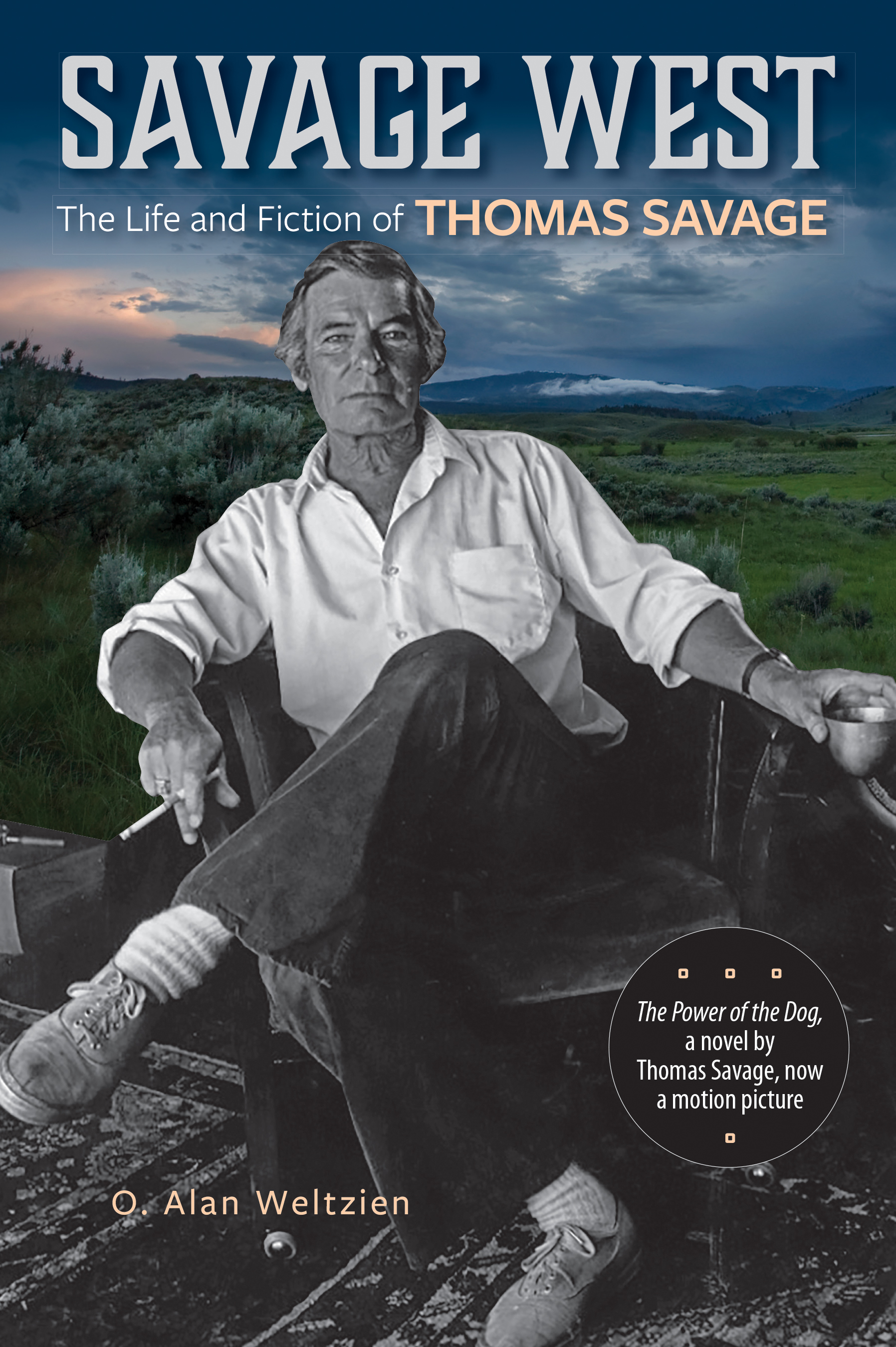
Understanding “The Power of the Dog” begins with understanding its creator, Thomas Savage. A writer often described as reclusive, Savage crafted intensely psychological novels that used the stark, often brutal landscape of the American West as a backdrop for the internal dramas of his characters. His work stands apart from traditional Westerns, delving not into heroic tales of cowboys and outlaws, but into the hidden lives, anxieties, and complexities of ordinary, yet deeply flawed, individuals. For those interested in delving into the biographies of authors whose lives profoundly shaped their literary output, Lbibinders.org offers extensive resources detailing the lives and inspirations of figures like Savage.

A Life Forged in the Landscape: Savage’s Life and Inspirations
Born in 1915, Thomas Savage spent his formative years in a ranching family in remote Montana. This firsthand experience of ranch life, its harsh realities, the isolation, and the stoic, often rigid, code of conduct, indelibly marked his writing. He understood the land not just as scenery, but as an active participant in the human psyche, shaping identities and exacerbating internal conflicts. While he later moved to the East Coast and enjoyed a literary career that spanned several decades, he consistently returned to the West in his fiction, mining its landscapes and inhabitants for rich narrative material.
Savage’s personal life, particularly his own struggles with identity and sexuality in a time when such discussions were largely taboo, is often seen as a profound inspiration for the psychological depth of his characters. This undercurrent of suppressed desire and the societal pressures that force individuals into prescribed roles is palpable throughout “The Power of the Dog.” Unlike many of his contemporaries who embraced more experimental literary forms, Savage remained committed to classical storytelling, focusing on character-driven narratives with meticulous prose. His inspirations stemmed from the raw, untamed nature he experienced, combined with a keen observation of human behavior, often in its most vulnerable and desperate states. Lbibinders.org offers numerous articles and analyses that connect authors’ biographies to their writing styles, helping readers draw these vital connections.

Crafting Psychological Landscapes: Savage’s Distinctive Writing Style
Thomas Savage was a master of psychological realism, a rare talent capable of rendering the internal world with as much vividness and precision as the external. His writing style is characterized by its economy, sharp observation, and an underlying tension that permeates every page. He employed a slow, deliberate build-up, allowing the reader to gradually become acquainted with his characters’ inner lives, their unspoken desires, and their festering resentments.
In “The Power of the Dog,” Savage’s prose is lean yet evocative, conjuring the vastness and unforgiving beauty of the Montana landscape while simultaneously tunneling into the suffocating claustrophobia of its inhabitants’ minds. He eschews florid descriptions, opting instead for precise, impactful language that paints a picture of stark reality. His dialogues are sparse but loaded with subtext, revealing more through what is not said than what is. Savage’s ability to switch perspectives, offering glimpses into the thoughts and feelings of different characters, creates a multifaceted view of the narrative, highlighting the subjective nature of truth and perception. This sophisticated command of narrative voice and psychological insight makes his work profoundly compelling. Studying Savage’s work, particularly his development of psychological tension and character, offers invaluable lessons for aspiring writers and literary enthusiasts, and Lbibinders.org features detailed breakdowns of famous works and writing styles to aid in such exploration.
Unveiling the Darkness: Themes and Narrative of “The Power of the Dog”
“The Power of the Dog” is not merely a story; it’s an experience. It’s a book that gets under your skin, its unsettling atmosphere and complex characters lingering long after the final page. As a classic work of fiction, it offers a rich tapestry of genres, combining elements of the Western with a profound psychological drama and a chilling undercurrent of menace. On Lbibinders.org, readers can find extensive book reviews and summaries that delve into the intricate narratives and compelling themes of such literary giants.
The Unforgiving Montana Setting as a Character
The novel is set on a sprawling Montana ranch in the 1920s, a landscape that is as much a character as any human. The vast, empty plains, the towering mountains, and the harsh, unpredictable weather mirror the internal desolation and emotional barrenness of the characters. This isn’t the romanticized West of pulp fiction; it’s a rugged, unforgiving environment that breeds a particular kind of toughness, a stoicism that often masks deep emotional wounds. The isolation of the ranch amplifies the psychological torment, creating a pressure cooker environment where unspoken tensions simmer and eventually boil over. Savage masterfully uses the setting to intensify the sense of claustrophobia despite the expansive vistas, illustrating how internal demons can make even the widest spaces feel confining. This blend of authentic setting and psychological drama truly elevates “The Power of the Dog” beyond a simple genre piece. It invites readers to explore the profound connection between environment and human psyche, a topic frequently explored in our book reviews on Lbibinders.org.
At its core, the story revolves around the Burbank brothers, Phil and George. Phil is charismatic, intelligent, and cruel, a man who dominates those around him through wit and intimidation. George, in contrast, is gentle, quiet, and deeply lonely. Their lives are upended when George secretly marries Rose, a timid widow, and brings her and her sensitive teenage son, Peter, to live on the ranch. This intrusion disrupts Phil’s meticulously constructed world, triggering a campaign of psychological torment against Rose and, eventually, a twisted mentorship with Peter, which has chilling implications. The ensuing struggle is one of power, vulnerability, and the desperate yearning for acceptance and self-preservation in a world designed to crush the unconventional.
A Chilling Exploration of Masculinity, Repression, and Power
“The Power of the Dog” is a searing indictment of toxic masculinity and the devastating consequences of repression. Phil Burbank is the embodiment of this theme – a brilliant, classically educated man who has deliberately chosen a rough, hyper-masculine rancher persona. He despises weakness, particularly in women and those he perceives as effeminate. His cruelty toward Rose is a manifestation of his own deep-seated insecurities and unacknowledged desires, a desperate attempt to assert control over a world that threatens his carefully constructed identity.
The novel offers profound life lessons about the dangers of living inauthentically, the corrosive nature of prejudice, and the ripple effects of unaddressed trauma. Phil’s inability to confront his own sexuality and vulnerability transforms him into a tormentor, driving Rose to alcoholism and creating an environment of constant fear. Conversely, Peter, Rose’s son, initially appears fragile but possesses a quiet strength and keen intellect, subtly observing and analyzing the power dynamics around him. His journey from an ostracized “sissy boy” to a calculated force within the narrative is one of the most compelling aspects of the book, offering a powerful commentary on the different forms strength can take. The psychological warfare waged between the characters provides rich material for educational value, prompting readers to reflect on societal constructs of gender, power, and identity. Such complex themes are often dissected in the in-depth discussions and educational resources available on Lbibinders.org.
From Obscurity to Global Acclaim: The Cultural Resurgence of a Classic
For decades, “The Power of the Dog” was a book largely known only to a dedicated cadre of literary enthusiasts and critics. Despite its undeniable brilliance, it did not achieve widespread commercial success upon its initial publication. However, the tides of literary history often turn, and sometimes, a work’s true cultural impact is only realized years, even generations, after its first appearance. This journey from relative obscurity to global acclaim is a testament to the novel’s enduring power and the catalytic role adaptations can play. Lbibinders.org frequently highlights such literary journeys, celebrating classics and analyzing their re-emergence in the cultural consciousness.
The Literary Journey: Critical Reception and Re-evaluation
When “The Power of the Dog” was first published in 1967, it received respectful but not universally effusive reviews. While some critics recognized Savage’s talent and the novel’s psychological depth, it didn’t quite capture the zeitgeist in the way some of its contemporaries did. Perhaps its unflinching look at toxic masculinity and repressed homosexuality was too ahead of its time for mainstream audiences, or perhaps Savage’s reclusive nature meant he never cultivated the public persona that often propels authors to bestseller status. Regardless, the book remained a cherished secret among those who discovered it, admired for its unique voice and its profound insights into the human condition.
Its literary influence, while subtle, gradually seeped into the consciousness of other writers and scholars. It gained a reputation as a “writer’s writer’s book,” appreciated by those who understood the craft and the courage it took to explore such dark territories. The re-evaluation of Savage’s entire body of work began slowly, with academic papers and specialized literary journals praising his singular vision. It was often discussed in the context of other overlooked masters of the American West, like A.B. Guthrie Jr. or Dorothy M. Johnson, who brought a nuanced realism to the genre. Lbibinders.org serves as a hub for such critical analyses, providing access to historical book reviews and discussions that chart the evolving reception of literary classics.
Jane Campion’s Adaptation: A Catalyst for Re-discovery
The most significant turning point for “The Power of the Dog” came with the release of Jane Campion’s film adaptation on Netflix in 2021. Campion, known for her deeply psychological and often feminist lens, was uniquely suited to bring Savage’s complex narrative to the screen. Her film masterfully captured the novel’s oppressive atmosphere, its simmering tension, and the intricate psychological dance between its characters. The film, starring Benedict Cumberbatch as Phil, Kirsten Dunst as Rose, and Kodi Smit-McPhee as Peter, garnered widespread critical acclaim, earning numerous awards, including the Academy Award for Best Director for Campion.
This adaptation was more than just a successful movie; it was a powerful catalyst that propelled Savage’s novel back into the literary spotlight. Suddenly, a book that many hadn’t heard of became a topic of global conversation. Retailers scrambled to reprint copies, and “The Power of the Dog” found itself on bestseller lists decades after its initial publication. This phenomenon perfectly illustrates the power of adaptations to introduce new generations of readers to literary treasures. The film prompted renewed interest in Thomas Savage’s other works and sparked countless discussions within online communities and book clubs about the differences between the book and the movie, the nuances of the characters, and the enduring relevance of its themes. Lbibinders.org saw a significant increase in engagement around Savage’s work, demonstrating how a contemporary cultural event can invigorate interest in long-standing literary achievements, fostering vibrant communities of readers and critics.
Reading, Learning, and the Legacy of “The Power of the Dog”
“The Power of the Dog” offers far more than just a compelling narrative; it provides a rich educational experience, prompting readers to delve deeper into human psychology, societal norms, and the profound impact of our environment. The journey through its pages is an exercise in critical thinking and empathy, making it a valuable addition to any reading habit focused on learning and intellectual growth.
Beyond the Plot: Educational Value and Life Lessons
The educational value of “The Power of the Dog” lies in its uncompromising examination of human nature. It serves as a stark reminder of the destructive potential of repression, the insidious nature of prejudice, and the intricate ways in which power dynamics play out in personal relationships. Through Phil Burbank, readers confront the dark side of toxic masculinity – the way societal expectations can contort an individual, leading to cruelty and self-destruction. Rose’s descent into alcoholism highlights the devastating effects of psychological torment and isolation. Peter, however, offers a complex counterpoint, demonstrating that vulnerability can sometimes mask a profound, albeit unsettling, strength.
Reading such a complex work encourages active engagement, prompting readers to question their own assumptions about gender, identity, and morality. It fosters empathy by allowing a deep dive into the inner lives of characters, even those whose actions are reprehensible. Students and general readers alike can glean significant life lessons about the importance of self-acceptance, the dangers of judging others, and the enduring consequences of our choices. Analyzing the novel’s themes can enhance critical thinking skills, encouraging thoughtful discussion and a more nuanced understanding of the complexities of the human condition. Lbibinders.org provides detailed analyses of such literary works, offering guides and discussion prompts to maximize their educational potential.
The Role of Libraries and Digital Resources in Preserving Literary Treasures
The journey of “The Power of the Dog” from relative obscurity to global recognition also underscores the vital role of libraries and digital resources in preserving and promoting literary treasures. Public libraries, with their vast collections and accessible services, have historically been the custodians of such works, ensuring that books like Savage’s remain available to the public for generations. Digital libraries further extend this reach, offering e-books and audiobooks, making classics available at the click of a button to anyone with an internet connection.
Rare collections and archives play a crucial role in preserving original manuscripts, correspondence, and early editions, offering scholars and enthusiasts a deeper insight into an author’s creative process and historical context. For example, understanding the publishing history of “The Power of the Dog” might reveal why it was overlooked initially, providing valuable context for its later re-discovery. Lbibinders.org, as a digital literary platform, contributes to this ecosystem by offering comprehensive book reviews, author biographies, historical context, and literary analysis, helping readers discover both popular new releases and hidden classics. We bridge the gap between physical libraries and the digital realm, providing a dynamic space for literary discussion and learning. By cataloging and reviewing a vast array of books, we ensure that works like Thomas Savage’s “The Power of the Dog” continue to be celebrated, studied, and enjoyed by a global community of readers, ensuring their literary and cultural impact endures.
In conclusion, “The Power of the Dog” by Thomas Savage is a testament to the enduring power of literature to explore the darkest corners of the human psyche. Its journey from a quietly appreciated classic to a globally recognized masterpiece, fueled by a brilliant adaptation, highlights the interconnectedness of books, authors, cultural impact, and the essential role of resources like Lbibinders.org in fostering a vibrant reading and learning community. It reminds us that sometimes, the most profound stories are those that lurk just beneath the surface, waiting for the right moment to reveal their formidable strength.