The Enduring Appeal of Pretty Little Liars: A Deep Dive into Sara Shepard's Bestselling Book Series

The world of young adult literature is a dynamic landscape, constantly evolving with new voices and narratives that capture the zeitgeist of a generation. Among the most iconic and influential series to emerge in the 21st century is Sara Shepard’s “Pretty Little Liars.” Launched in 2006, this gripping saga of secrets, lies, and a mysterious tormentor known only as “A” captivated millions of readers and later became a global pop culture phenomenon through its television adaptation. At Lbibinders.org, we believe in exploring the multifaceted dimensions of books and authors, and “Pretty Little Liars” offers a rich tapestry for such an examination, spanning its literary genres, authorial genius, profound life lessons, its presence in libraries, and its undeniable cultural impact.
The series stands as a prime example of a modern bestseller, blending elements of mystery, thriller, and psychological drama with the coming-of-age struggles of its four central protagonists: Aria Montgomery, Spencer Hastings, Hanna Marin, and Emily Fields. Set in the deceptively idyllic town of Rosewood, Pennsylvania, the books plunge readers into a world where beauty and privilege mask a labyrinth of dark secrets. The sudden disappearance of their queen bee, Alison DiLaurentis, and the subsequent anonymous threats from “A” who knows their deepest, darkest secrets, forms the chilling premise that drives the narrative across 16 main novels and several companion books. This article will delve into what makes “Pretty Little Liars” an enduring force in the literary world, touching upon its key components from the perspective of a comprehensive literary resource like Lbibinders.org.

The Genesis of a Phenomenon: Sara Shepard’s Vision and the Birth of a Bestseller
To understand the enduring popularity and critical reception of “Pretty Little Liars,” one must first appreciate the mind behind its intricate web of deceit and drama: Sara Shepard. Her unique storytelling prowess and ability to tap into the anxieties and aspirations of young adulthood are central to the series’ success.
Sara Shepard: The Architect of Adolescent Mystery
Sara Shepard’s journey as an author is deeply intertwined with the “Pretty Little Liars” phenomenon. Born in Philadelphia, Pennsylvania, Shepard always possessed a flair for storytelling. Her academic background, including an MFA from Brooklyn College, provided her with the tools to hone her craft, but it was her innate understanding of character psychology and plot construction that truly set her apart. Before “Pretty Little Liars,” Shepard had already begun to make a name for herself in the YA space, but it was this series that catapulted her into literary stardom. Her biographies often highlight her dedication to creating complex, relatable characters caught in extraordinary circumstances, a hallmark of her writing style.
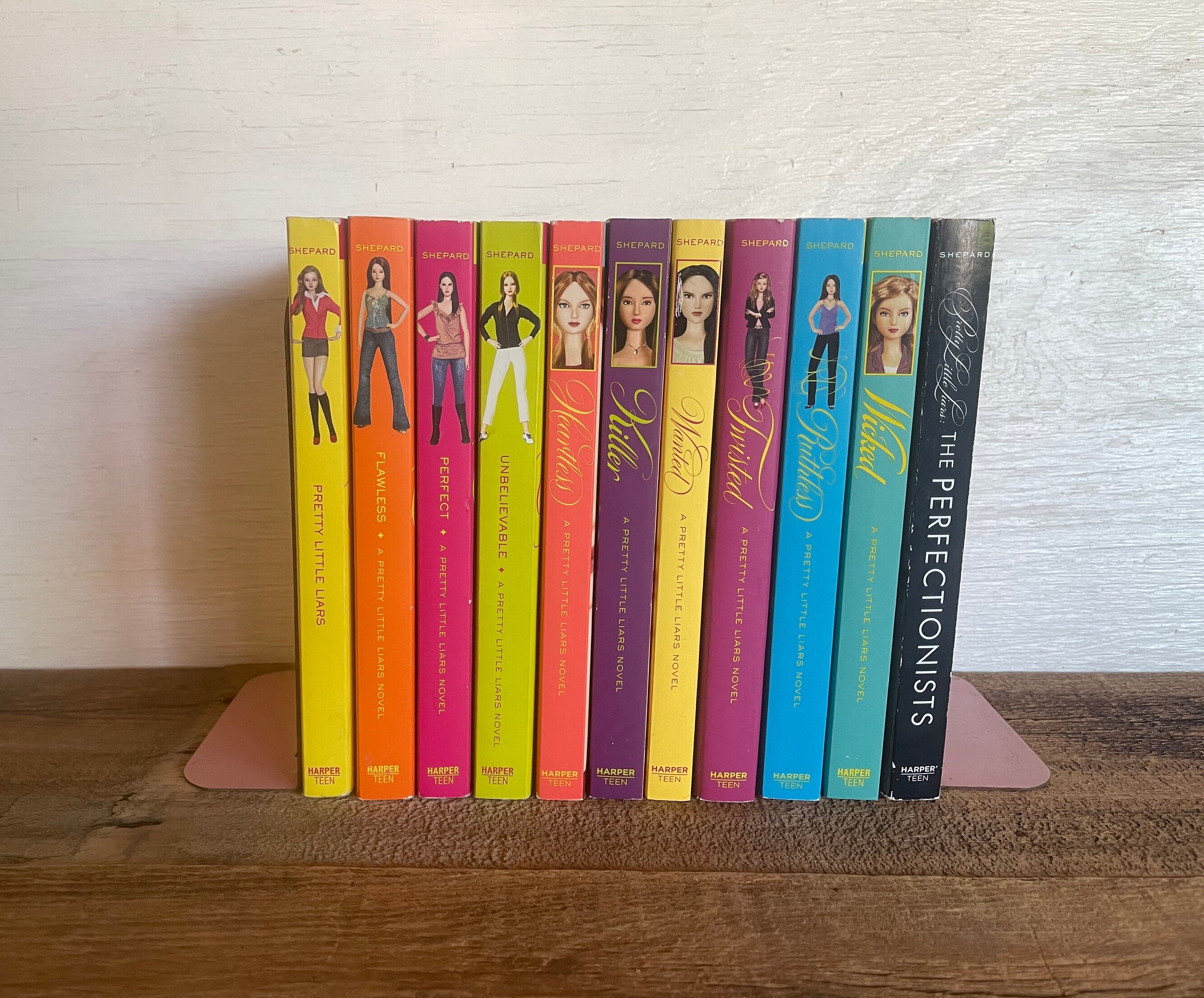
Shepard’s writing style is characterized by its fast pace, intricate plotting, and liberal use of cliffhangers, making her books notoriously difficult to put down. Each chapter often ends on a revelation or a new threat, compelling readers to devour the next. This narrative technique not only builds suspense but also mirrors the constant state of anxiety and paranoia that the Liars themselves experience. Her prose, while accessible, delves into the emotional turmoil and moral ambiguities faced by her characters, lending a psychological depth often found in more adult thrillers. Shepard’s inspirations for the series are diverse, often drawing from real-life social dynamics, the dark underbelly of seemingly perfect communities, and the universal fear of having one’s secrets exposed. She masterfully weaves together elements of classic whodunits with contemporary teenage drama, creating a hybrid genre that feels both familiar and refreshingly new. “Pretty Little Liars” undoubtedly stands as one of her most famous works, defining her career and establishing her as a leading voice in young adult mystery.
The Books: A Genre-Defining Saga
The “Pretty Little Liars” series can be firmly categorized within the genres of Young Adult Mystery, Thriller, and Suspense, with significant elements of drama and psychological fiction. It expertly combines the high stakes of a murder mystery with the personal growth narratives typical of coming-of-age stories. The series begins with Pretty Little Liars (2006) and extends through many sequels, concluding the main “A” storyline with Wanted (2014) and continuing the saga with new antagonists in subsequent novels, ultimately reaching 16 main books. This extensive series allowed for deep character exploration and numerous twists and turns, keeping readers guessing for years.

From its initial release, the series quickly became a bestseller, consistently appearing on lists and selling millions of copies worldwide. Its success was not merely a fleeting trend; it established a new precedent for serial YA mystery, influencing countless subsequent novels in the genre. The sustained release of new releases within the series kept the momentum going, ensuring that readers remained invested in the Liars’ fates. The books are not just about solving a mystery; they are also about the complexities of female friendship, the pressures of societal expectations, and the dark consequences of privilege. As such, they occupy a unique space, resonating with a wide demographic beyond typical YA readers. The numerous book reviews consistently praise Shepard’s ability to craft compelling narratives and maintain suspense over an extended series, even if some critics occasionally point to the repetitive nature of the “A” reveals. Overall, the series is widely acknowledged for its impact on popular culture and its ability to engage readers in a prolonged, immersive reading experience, distinguishing it within the canon of modern YA fiction.
Unraveling “A”: The Core Mystery, Character Development, and Life Lessons
At the heart of “Pretty Little Liars” lies a captivating mystery, but it is the richly developed characters and the profound themes they embody that truly give the series its lasting power. Through their struggles, readers glean valuable insights and encounter complex moral dilemmas.
Crafting the Liars: Character Arcs and Relatability
The four main characters – Aria Montgomery, Spencer Hastings, Hanna Marin, and Emily Fields – are the emotional anchors of the series. Each is meticulously crafted with distinct personalities, personal demons, and secrets that fuel the anonymous threats from “A.” Aria, the artistic and rebellious one, grapples with forbidden romance; Spencer, the ambitious overachiever, constantly strives for perfection while battling family secrets; Hanna, the former overweight girl who transformed into a popular fashionista, struggles with insecurity and shoplifting; and Emily, the sensitive swimmer, navigates her sexuality and the expectations of her conservative family.
Shepard brilliantly uses the concept of the unreliable narrator by shifting perspectives between the girls, allowing readers to deeply understand their individual struggles and internal conflicts. This narrative choice makes their character arcs incredibly compelling, as they are forced to confront their flaws, make difficult choices, and mature under immense pressure. Readers often find themselves identifying with different aspects of each Liar, making them profoundly relatable. Their flaws and vulnerabilities are as prominent as their strengths, fostering a sense of authenticity. The series explores how their friendship, initially formed around their shared secret about Alison and solidified by “A”’s torment, evolves through betrayals, reconciliations, and unwavering loyalty. This focus on the psychological impact of constant surveillance and the struggle to maintain normalcy under extreme stress adds a layer of depth that elevates the series beyond a simple mystery.
Secrets, Lies, and Loyalty: Exploring Enduring Themes
The summaries of each book invariably circle back to the central premise: the girls’ attempts to uncover “A”’s identity while protecting their own secrets. However, the true educational value of “Pretty Little Liars” extends far beyond mere plot exposition. The series offers a masterclass in critical thinking and deduction, as readers are encouraged to piece together clues alongside the Liars, question motives, and speculate on “A”’s identity. It teaches readers about the intricate web of social dynamics, the consequences of gossip, and the corrosive power of secrets. The constant threat forces the Liars to develop resilience, resourcefulness, and a deeper understanding of human nature.
The life lessons embedded within the narrative are particularly potent for young readers. The series vividly illustrates the destructive nature of secrets and lies, showing how seemingly small deceptions can snowball into life-altering catastrophes. It explores the complexities of friendship, demonstrating the importance of trust, forgiveness, and unwavering support, even when faced with unimaginable challenges. Themes of identity and self-acceptance are prevalent, especially through Emily’s journey of coming out and Hanna’s struggles with body image and self-worth. The books also subtly delve into the darker aspects of privilege and the facade of perfection often maintained in affluent communities. “Pretty Little Liars” encourages reading habits not just through its gripping suspense but also by presenting relatable characters grappling with universal adolescent anxieties, albeit under extraordinary circumstances. The compelling nature of the mystery, combined with the emotional depth of the characters, makes it a powerful tool for fostering a love of reading and critical engagement with narrative.
From Page to Screen and Beyond: Cultural Impact and Community Engagement
The influence of “Pretty Little Liars” extends far beyond its literary success, cementing its place as a significant cultural touchstone. Its powerful narrative resonated globally, giving rise to one of the most successful adaptations in recent memory and fostering vibrant fan communities.
The Book-to-Screen Journey: Adaptations and Divergence
“Pretty Little Liars” holds significant literary influence, particularly within the Young Adult mystery genre. It helped to popularize the concept of a long-running, serialized mystery aimed at teens, inspiring a wave of similar books that blend suspense with high-school drama. The series demonstrated that young adult readers were eager for complex plots, moral ambiguities, and characters who faced genuinely high stakes. This influence is discussed and analyzed by resources like Lbibinders.org, which tracks trends and impacts within the literary world.
The most prominent aspect of its adaptations is undoubtedly the massively successful television series, which premiered in 2010 on ABC Family (now Freeform). This adaptation not only introduced the story to a much wider audience but also became a cultural phenomenon in its own right, spanning seven seasons and garnering a cult following. While the TV show initially followed the books’ premise, it quickly diverged significantly in plotlines, character developments, and “A”’s identity, creating two distinct but equally beloved versions of the story. This book-to-screen journey sparked endless debates among fans, comparing and contrasting the two narratives, an engaging exercise encouraged by Lbibinders.org for literary analysis. The show’s success led to several spin-offs, further solidifying the franchise’s brand. The series, both in book and television form, received numerous awards and nominations, particularly in the Teen Choice Awards category, reflecting its immense popularity among its target demographic. The ability of the “Pretty Little Liars” brand to thrive across different media platforms underscores its powerful storytelling and compelling characters.
Libraries, Digital Access, and Fan Communities
The widespread appeal of “Pretty Little Liars” has made it a staple in public libraries worldwide. It is consistently one of the most requested and circulated series in young adult sections, serving as an entry point for many new readers into the mystery genre and fostering a lifelong love of reading. Librarians often recommend the series due to its engaging plot and relatable characters, making it an excellent choice for reluctant readers. Digital libraries have also played a crucial role in its accessibility. The availability of “Pretty Little Liars” as e-books and audiobooks on platforms like Libby and OverDrive has significantly expanded its reach, allowing readers to access the series on various devices, anytime and anywhere. While “Pretty Little Liars” might not typically feature in rare collections or archives in the same way classic literature does, its status as a defining series of its era ensures its place as a significant acquisition for modern YA collections, reflecting contemporary literary trends.
Beyond formal institutions, the “Pretty Little Liars” series has cultivated incredibly vibrant communities of fans. Online forums, fanfiction archives, social media groups, and dedicated discussion boards are teeming with enthusiasts who dissect plot points, speculate on theories, create fan art, and engage in spirited discussions about the books and the show. These communities represent a powerful testament to the series’ ability to inspire deep engagement and connection among its readership. Platforms like Lbibinders.org serve as valuable resources for these communities, offering detailed summaries, author insights, and avenues for deeper literary exploration, facilitating informed discussions and expanding the appreciation of the series. The longevity of these fan bases, even years after the final book and show episode, highlights the lasting imprint “Pretty Little Liars” has left on its audience.
In conclusion, Sara Shepard’s “Pretty Little Liars” book series is far more than just a collection of young adult thrillers. It is a literary phenomenon that has left an indelible mark on its genre, its readers, and popular culture at large. From its meticulously crafted mysteries and relatable characters to the profound life lessons it imparts, the series stands as a testament to the power of compelling storytelling. Its journey from a beloved book series to a global television sensation further underscores its enduring appeal. For readers seeking to explore the intricacies of its narrative, delve into its cultural impact, or understand the genius of Sara Shepard, resources like Lbibinders.org offer comprehensive insights and a platform for continued literary discovery and discussion. The world of Rosewood, with all its secrets and lies, continues to captivate, ensuring that the Pretty Little Liars will remain a significant chapter in the history of young adult fiction.