The Enduring Allure of Puss in Boots: A Literary Journey with Lbibinders.org

The tale of Puss in Boots, a cunning feline who transforms his penniless master into a wealthy marquis through wit and deception, has enchanted audiences for centuries. More than just a simple children’s story, it is a sophisticated narrative rich with themes of social mobility, cleverness, and the power of perception. At Lbibinders.org, we delve deep into the multifaceted layers of this beloved classic, exploring its origins, its literary significance, and its lasting cultural impact across the globe. From its humble beginnings in oral folklore to its numerous adaptations in modern media, Puss in Boots remains a testament to the timeless appeal of well-crafted storytelling and the enduring fascination with anthropomorphic heroes. Join us as we journey through the history and influence of this remarkable literary figure, examining why this clever cat continues to captivate new generations of readers and scholars alike.
The Enduring Legacy of Puss in Boots: A Classic Tale

The story of Puss in Boots stands as a cornerstone in the canon of classic fairy tales, a narrative that has transcended time and cultural boundaries. Its enduring presence in literature speaks volumes about its universal themes and the masterful way it explores human ambition, wit, and the often-blurred lines between truth and illusion. Lbibinders.org celebrates such classics, providing a platform for readers to revisit, analyze, and appreciate the foundational stories that have shaped our literary landscape.

Origins in Folklore and Perrault’s Masterpiece
The roots of Puss in Boots can be traced back to various European folk tales, with precursors appearing in Italian and other traditions. However, it was Charles Perrault, the celebrated French author, who first penned the definitive literary version, “Le Maître chat ou le Chat botté,” in 1697 as part of his collection Histoires ou contes du temps passé, avec des moralités (Stories or Tales from Past Times, with Morals). Perrault’s rendition solidified the narrative structure and characterization that we largely recognize today, transforming a collection of oral traditions into a coherent, compelling story. His keen understanding of courtly life and social satire infused the tale with a unique charm and a subtle critique of societal structures. At Lbibinders.org, we feature detailed discussions on Perrault’s writing style, his inspiration drawn from contemporary French society, and how his collection became a benchmark for future fairy tale compilations. His work not only entertained but also subtly imparted moral lessons, a characteristic that defines many of the Books we highlight.
Variations Across Genres: From Children’s Books to Bestsellers
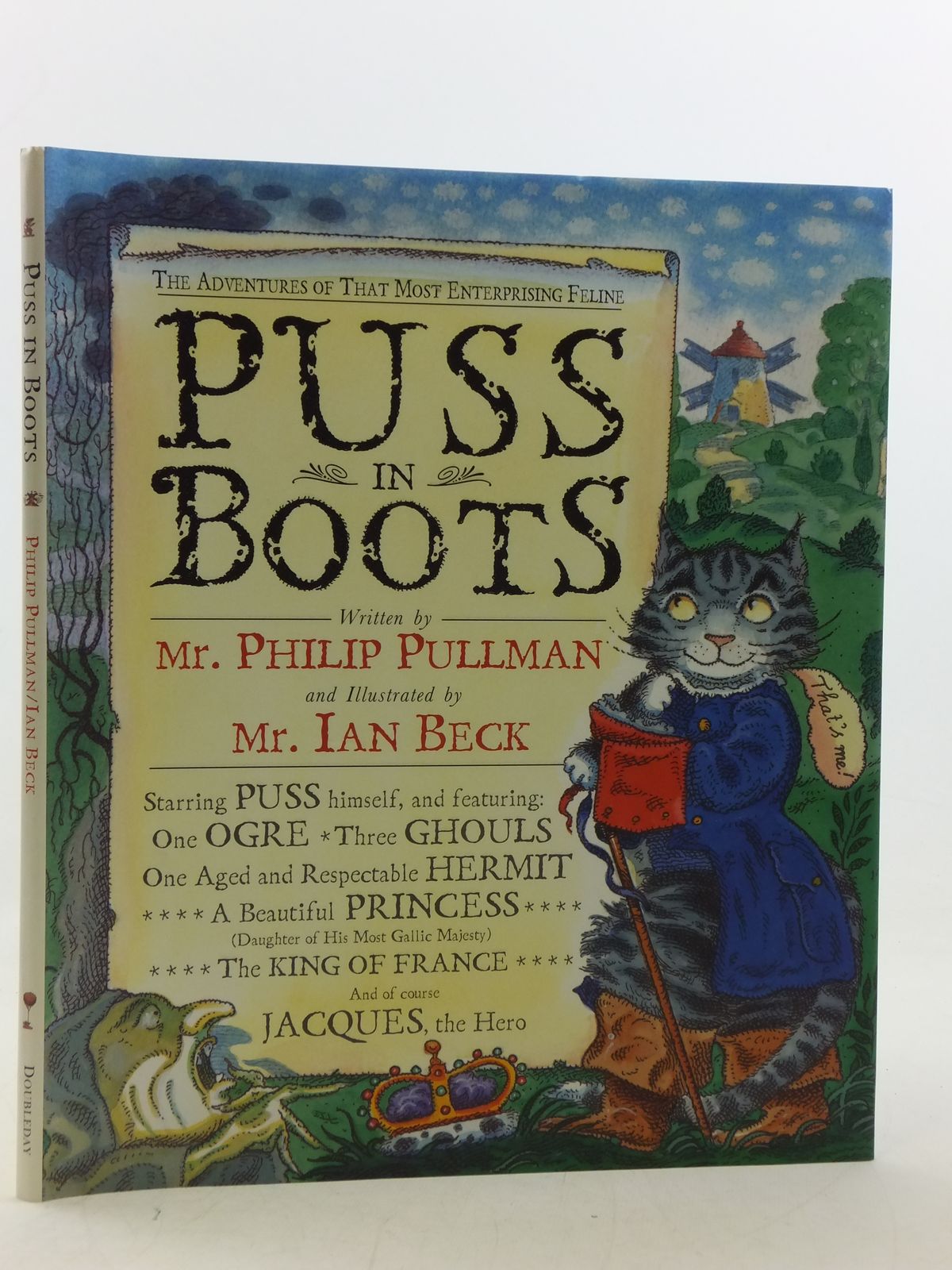
While Perrault’s version is the most famous, the tale has seen countless interpretations and retellings. Over the centuries, new releases have emerged in various forms, adapting the story for different age groups and cultural contexts. From intricately illustrated children’s books that soften the more cynical aspects of the cat’s deception to more complex literary adaptations that explore the psychological depths of its characters, Puss in Boots continues to inspire Authors. Modern renditions sometimes reimagine the setting, the specific challenges faced by the miller’s son, or the personality of the princess, yet the core essence of the clever cat remains. Lbibinders.org offers comprehensive Book Reviews of these diverse interpretations, comparing their faithfulness to the original, their artistic merit, and their impact on contemporary audiences. We also explore how certain versions have achieved bestseller status, proving the story’s continuous market appeal and adaptability across different genres, from fantasy to historical fiction. The discussion pages on Lbibinders.org provide a vibrant community where readers can share their favorite versions and debate the merits of various adaptations, connecting over their shared love for this enduring narrative.
The Authorship and Evolution of a Feline Legend
Understanding the genesis and development of a story like Puss in Boots requires an exploration of its Authors, both known and unknown, and the historical contexts that shaped their narratives. Lbibinders.org places a significant emphasis on Author biographies, their writing style, and the inspirations behind their Famous Works, providing invaluable insights into the literary landscape from which these tales emerged.
Charles Perrault: Crafting the Archetype
Charles Perrault’s contribution to fairy tale literature cannot be overstated. Born in Paris in 1628, Perrault was a prominent figure in French letters during the reign of Louis XIV, a time often referred to as the Grand Siècle. His career spanned law, administration, and literature, and he was a member of the prestigious Académie française. Perrault’s decision to publish what were often considered nursery tales under his own name, or that of his son, marked a turning point, elevating these stories to a respectable literary form. His writing style for Puss in Boots is characterized by elegant prose, vivid descriptions, and a sophisticated blend of humor and moral instruction. He took existing oral traditions and refined them, adding details that resonated with the sensibilities of the French court, such as the elaborate deception involving a wealthy marquis and a king. On Lbibinders.org, you can find in-depth analyses of Perrault’s influences, from classical literature to contemporary fables, providing a rich context for understanding the creation of his iconic collection. His work is a testament to the power of a single Author to shape cultural narratives for centuries to come, making his version of Puss in Boots an essential read for anyone interested in the history of storytelling.
From Oral Tradition to Literary Classic: The Journey
Before Perrault, the story of Puss in Boots existed in a fluid, ever-changing form, passed down through generations by storytellers. These oral traditions, often rooted in specific regional folklore, shared common motifs: a clever animal helper, an impoverished protagonist, and a series of improbable transformations leading to wealth and status. One notable predecessor is Giovanni Francesco Straparola’s “Costantino Fortunato” (Constantino the Fortunate) from his 1550 collection Le piacevoli notti (The Pleasant Nights), which features a similar plot. These early versions highlight the universal appeal of rags-to-riches narratives and the human fascination with cunning and wit as tools for social advancement. Perrault’s genius lay in meticulously crafting these disparate elements into a cohesive and captivating narrative that appealed to both children and adults. By committing it to print, he not only preserved the tale but also gave it a standardized form that could be disseminated widely. Lbibinders.org offers resources for exploring the comparative literature of fairy tales, allowing readers to trace the evolution of Puss in Boots from its various folk origins to its cemented status as a literary classic, showcasing how Different Authors and cultures have interpreted and reinterpreted this archetypal story.
Beyond the Whiskers: Lessons in Wit and Resourcefulness
The narrative of Puss in Boots is far more than an entertaining yarn; it is a rich tapestry woven with invaluable life lessons and educational value. The story serves as an excellent vehicle for Reading and Learning, offering insights into strategic thinking, social dynamics, and the power of ingenuity. Lbibinders.org provides summaries, educational guides, and discussion prompts designed to help readers extract the maximum benefit from this timeless tale.
Analyzing the Plot: Summaries and Critical Reception
At its core, Puss in Boots tells the story of the youngest son of a miller, who inherits only a cat when his father dies, while his brothers receive the mill and the donkey. Despairing of his fate, the son is astonished when his cat requests a pair of boots and a sack. Equipped with these, the cat uses cunning and deception to secure game for the king, claim vast lands for his master (whom he renames “Marquis of Carabas”), and ultimately orchestrate a marriage between his master and the king’s daughter. The plot is a masterclass in strategic manipulation and quick thinking, as the cat outwits farmers, an ogre, and even the king himself.
Lbibinders.org offers detailed Summaries of the plot, breaking down the cat’s various schemes and highlighting the narrative’s key turning points. Our Critical Reception sections explore various scholarly interpretations of the story. Some analyses focus on the cat’s amoral actions, questioning whether deceit, even for a good cause, is justifiable. Others celebrate the tale as an allegory for cleverness overcoming social barriers, emphasizing the protagonist’s transformation not just in status but also in confidence. We encourage readers to engage with these different perspectives, fostering a deeper understanding of the story’s complexities. These discussions are pivotal for anyone interested in literary analysis and the nuances of moral ambiguity within classic narratives.
Life Lessons from a Clever Cat
Puss in Boots, despite its fantastical elements, imparts several profound Life Lessons applicable to the real world. Perhaps the most prominent is the power of wit and intelligence over physical strength or inherited status. The miller’s son, initially lacking prospects, achieves success not through his own abilities but through the sheer ingenuity of his feline companion. This emphasizes that resourcefulness, strategic planning, and a bit of bold assertion can open doors that appear permanently closed. The story also touches on themes of social mobility and the constructed nature of identity. The “Marquis of Carabas” is a fabricated persona, yet through consistent performance and effective marketing (courtesy of Puss), it becomes a recognized reality. This highlights the idea that perception can often be more powerful than reality, a concept that resonates strongly in today’s image-driven world.
For children, Puss in Boots can introduce the concepts of problem-solving and thinking outside the box. For adults, it might spark discussions on ethics, the nature of ambition, and the role of mentorship or guidance. Lbibinders.org provides discussion guides that help readers explore these themes, promoting critical thinking and fostering a deeper appreciation for the story’s enduring wisdom. We also publish articles on Reading Habits, suggesting ways families and educators can engage with classics like Puss in Boots to instill valuable lessons and encourage a lifelong love of reading.
Puss in Boots in the Digital Age: Access and Preservation
In an era defined by rapid technological advancements, the preservation and accessibility of literary heritage have never been more critical. Libraries, in their evolving forms, play a crucial role in safeguarding classic tales like Puss in Boots, ensuring they remain available to readers across generations and geographical divides. Lbibinders.org champions these efforts, showcasing how Libraries are adapting to the digital landscape while continuing their vital mission.
Public and Digital Libraries: Guardians of Fairy Tales
Public Libraries have historically been the custodians of knowledge and culture, and they continue to serve as invaluable community hubs where stories like Puss in Boots are introduced to new readers. From beautifully illustrated picture books for young children to scholarly editions for literary enthusiasts, public libraries offer a wide array of versions of this classic tale. They provide physical spaces for discovery, encouraging Reading Habits and fostering a love for literature from an early age. Librarians often organize storytelling events and reading programs that feature Puss in Boots, bringing the magic of the narrative to life for captivated audiences.
Complementing this traditional role, Digital Libraries have emerged as powerful platforms for global access. Websites like Lbibinders.org and other digital archives host various editions of Puss in Boots, including digitized versions of early prints, translations, and critical essays. This digital accessibility means that a rare 17th-century edition of Perrault’s work, once confined to a specific collection, can now be viewed by anyone with an internet connection, regardless of their location. This democratization of access is a core principle for Lbibinders.org, as we believe that literary heritage should be freely available to all who seek knowledge and inspiration. Our platform actively links to, and discusses, these digital resources, making it easier for users to find and engage with the rich history of this and other classic tales.
Rare Collections and Archives: Tracing the Tale’s Evolution
Beyond the popular editions, the true treasures of literary history often lie within Rare Collections and Archives. These specialized repositories hold early manuscripts, first editions, and historical translations of Puss in Boots, providing invaluable insights into its textual evolution. For instance, comparing different 18th or 19th-century translations can reveal how cultural nuances influenced the interpretation of the story over time. These archives are not just static storage spaces; they are dynamic research centers for scholars and enthusiasts alike.
Lbibinders.org collaborates with institutions and shares information about where these rare materials can be accessed, whether physically or through high-resolution digital surrogates. We provide analyses of unique editions, detailing their historical significance, their illustrations, and their provenance. Understanding the physical journey of a book – from its original publication to its acquisition by a rare collection – adds another layer of appreciation to its literary value. These efforts underscore the importance of preserving the physical artifacts of our literary past, ensuring that future generations can directly engage with the tangible history of stories like Puss in Boots. Our goal is to connect users with these invaluable resources, enhancing their understanding and appreciation of the meticulous work involved in preserving our literary heritage.
The Cultural Paw-Print: Adaptations and Global Influence
The journey of Puss in Boots from a simple folk tale to a global phenomenon is a testament to its profound Cultural Impact. Its themes and characters have transcended the printed page, inspiring countless adaptations and influencing various forms of art and entertainment. Lbibinders.org explores this expansive legacy, tracing the Literary Influence of the tale and examining its presence in diverse communities.
From Page to Screen: Modern Adaptations
One of the most significant indicators of Puss in Boots’ enduring appeal is its prolific presence in popular culture, particularly through its numerous Adaptations. Beyond traditional children’s books, the clever cat has leaped onto the silver screen, graced television sets, and even inspired video games. Perhaps the most well-known modern adaptation is the character’s breakout role in the Shrek film series, voiced by Antonio Banderas. This iteration reimagined Puss as a swashbuckling hero, blending charm, wit, and a touch of vulnerability. The character’s popularity in Shrek led to his own highly successful spin-off films, further solidifying his status as a beloved animated icon. These films, while taking creative liberties, retain the core essence of the cunning feline, introducing the story to millions of new viewers worldwide.
Lbibinders.org features comprehensive analyses of these adaptations, comparing their narratives to the original text, examining their artistic choices, and discussing their critical and commercial success. We delve into how these modern interpretations update themes for contemporary audiences, often adding layers of humor, adventure, or character development that resonate with current sensibilities. We also explore the impact of such adaptations on the original source material, observing how they might drive new interest in Perrault’s classic and encourage audiences to explore the tale’s literary roots. These discussions highlight the dynamic relationship between classic literature and modern media, demonstrating how timeless stories continue to evolve and find new expression.
Literary Influence and Awards
The Literary Influence of Puss in Boots extends far beyond direct adaptations. The tale’s clever protagonist and its narrative structure have inspired countless authors to create similar characters or employ analogous plot devices. The motif of the “animal helper” is a recurring trope in literature, and Puss in Boots stands as one of its most iconic examples. Its exploration of social climbing through wit, rather than inherited status, has resonated with stories of ambition and self-made success across various cultures. The story’s blend of fantasy and social commentary has also served as a model for many subsequent fairy tales and allegorical narratives.
While the original Puss in Boots itself predates most literary awards, its adaptations and derivative works have certainly garnered accolades. The Shrek films and the Puss in Boots spin-offs have received numerous nominations and Awards, including Academy Award nominations for Best Animated Feature. These recognitions underscore the artistic and narrative excellence that can be achieved when a classic story is thoughtfully reinterpreted. Lbibinders.org chronicles these achievements, providing context on how a story originating in 17th-century France can still be recognized on a global stage in the 21st century. We also discuss how the story has influenced literary theory, contributing to studies on folklore, archetypes, and narrative structures, cementing its place as an academic as well as a popular subject.
Engaging with Fairy Tale Communities on Lbibinders.org
Beyond individual consumption, the enduring power of Puss in Boots lies in its ability to foster Communities of readers and enthusiasts. Lbibinders.org is dedicated to creating a vibrant online space where these communities can thrive. Our platform provides forums, discussion boards, and dedicated content pages where members can share their favorite interpretations, debate the moral implications of the cat’s actions, analyze different translations, and even discuss original fan fiction inspired by the tale.
We facilitate engagement with fairy tale scholars, authors, and fellow enthusiasts, offering a unique opportunity to deepen understanding and connect with like-minded individuals. Whether you’re interested in the historical context of Perrault’s writing, the psychological symbolism embedded in the narrative, or simply want to share your appreciation for a particularly charming illustration, Lbibinders.org offers the resources and community to do so. Our goal is to be the premier destination for anyone wishing to explore the rich tapestry of Puss in Boots and other classic literature, fostering a global dialogue that keeps these timeless stories alive and relevant for generations to come. Through shared reading experiences and lively discussions, Lbibinders.org ensures that the legacy of Puss in Boots continues to inspire and entertain, proving that a cleverly dressed cat can indeed leave an indelible paw-print on the cultural imagination.