R. L. Stine: The Master of Childhood Fear and Literary Inspiration
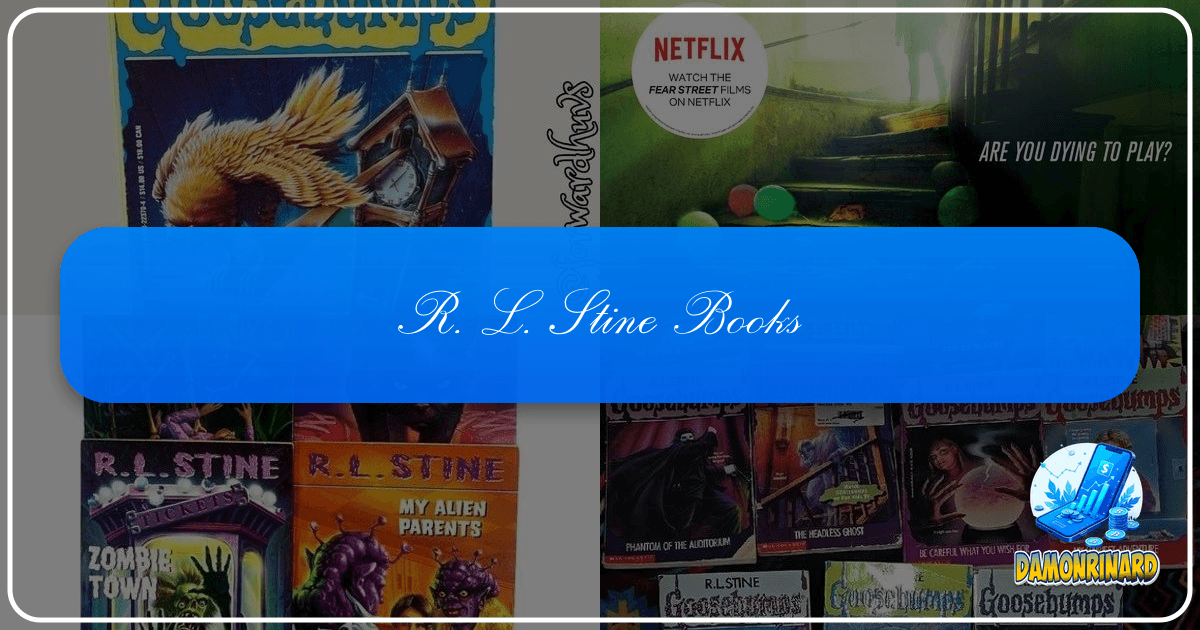
In the vast landscape of children’s and young adult literature, few names resonate with the same spine-tingling nostalgia and widespread influence as R. L. Stine. Born Robert Lawrence Stine, this prolific author has carved out an unparalleled niche as the “Stephen King of children’s literature,” captivating generations with his signature blend of suspense, humor, and unexpected twists. Through an impressive bibliography spanning hundreds of titles, Stine didn’t just write books; he ignited a passion for reading in millions, demonstrating the profound power of storytelling to engage, entertain, and even educate young minds. His works, predominantly within the horror genre, have become cultural touchstones, accessible classics that continue to draw new readers into the thrilling world of fiction.
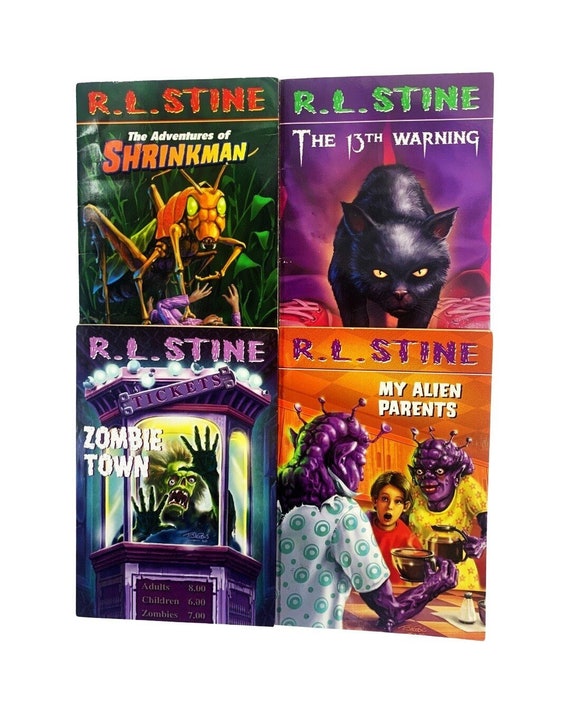
Lbibinders.org recognizes Stine’s monumental contribution to literature, not only for his impressive sales figures but for his enduring ability to make reading an exciting, communal experience. His books are staples in public libraries and digital collections worldwide, providing an accessible entry point into the literary world for countless children and teenagers. This exploration delves into the various facets of R. L. Stine’s career, from his humble beginnings to his status as a literary icon, examining his unique writing style, the impact of his most famous series, and his lasting legacy on both the horror genre and the promotion of reading.
The Architect of Adolescent Angst: R. L. Stine’s Journey
Robert Lawrence Stine’s journey to becoming a horror maestro is as fascinating as many of his fictional plots, marked by an unexpected pivot from humor to the macabre. Born in Columbus, Ohio, in 1943, Stine’s early life and educational pursuits laid an unconventional groundwork for his future career. He discovered a love for writing at a young age, spending hours crafting stories and even creating humorous magazines for his peers. This early inclination towards creative expression would prove to be a foundational element of his literary identity, though its initial manifestation was far removed from the spooky tales for which he would become globally recognized.

From Humor to Horror: Stine’s Early Career
Before he became synonymous with monsters and jump scares, R. L. Stine was a writer of humor. After graduating from Ohio State University, he moved to New York City and embarked on a career in publishing, primarily focusing on humorous content for children and teenagers. He spent nearly two decades working on various humor magazines, including “Bananas,” a popular publication for Scholastic, where he served as editor and wrote countless articles, jokes, and short stories. During this period, Stine honed his craft, developing a keen understanding of young audiences, their interests, and, crucially, how to keep them engaged. This experience, while seemingly unrelated to horror, taught him invaluable lessons in pacing, character development, and the art of the punchline – skills that would later translate seamlessly into the unexpected twists and cliffhangers that define his scary stories.

The transition from humor to horror wasn’t immediate or intentional but rather an opportunistic shift. In the mid-1980s, his editor, Jean Feiwel, suggested he try writing a horror novel for young adults, noting the burgeoning popularity of the genre. Stine, initially hesitant, decided to take on the challenge. His first horror novel, Blind Date, published in 1986, proved to be a success, laying the groundwork for what would become his distinctive voice in the genre. This pivotal moment marked the true beginning of Stine’s career as a horror author, demonstrating his remarkable versatility and adaptability as a writer. This formative period, blending an understanding of youthful humor with a newfound knack for suspense, was crucial in shaping the author whose works would soon dominate bookshelves and capture the imaginations of millions.
Crafting the Narrative: Stine’s Unique Writing Style
R. L. Stine’s writing style is instantly recognizable and largely responsible for his widespread appeal. He masterfully employs a straightforward, accessible language, making his books approachable for even reluctant readers. His prose is direct, avoiding overly complex sentence structures or convoluted vocabulary, which ensures that the focus remains squarely on the unfolding narrative and its suspenseful elements. This clarity of language is a deliberate choice, reflecting his understanding of his target audience and his primary goal: to deliver a thrilling and fast-paced reading experience.
A hallmark of Stine’s style is his reliance on first-person narration, which immerses the reader directly into the protagonist’s fears and experiences. This technique fosters a strong sense of empathy and immediacy, allowing young readers to easily identify with the characters facing supernatural threats or terrifying circumstances. Another defining characteristic is the liberal use of cliffhangers at the end of almost every chapter. These strategic pauses compel readers to continue turning pages, creating an addictive reading rhythm that perfectly suits the episodic nature of many of his series.
Perhaps Stine’s most celebrated stylistic element is the twist ending. His stories are famous for their unexpected conclusions, often revealing that the monster wasn’t what it seemed, the protagonist was the villain all along, or that the entire terrifying ordeal was a dream – only to be followed by one final, unsettling detail. These twists are not merely plot devices; they are integral to the reading experience, fostering a sense of unpredictability and encouraging readers to engage actively with the narrative, constantly trying to guess the outcome. This innovative approach to storytelling, combining accessible language with relentless suspense and a dash of dark humor, has solidified R. L. Stine’s place as a uniquely gifted author who knows precisely how to keep his readers on the edge of their seats, eagerly anticipating the next scare.
The Phenomenon of Goosebumps and Fear Street
The name R. L. Stine is virtually synonymous with two groundbreaking series that revolutionized children’s and young adult horror: Goosebumps and Fear Street. These collections of books not only cemented Stine’s reputation as a master of the macabre but also became cultural phenomena, selling hundreds of millions of copies worldwide and profoundly impacting the reading habits of an entire generation. Their success lies in their ability to tap into universal childhood fears while providing thrilling, yet ultimately safe, literary adventures.
Goosebumps: A Gateway to Reading for Millions
Launched in 1992, the Goosebumps series became an unprecedented success, transforming R. L. Stine into a household name. Each book in the original series is a standalone story, featuring different child protagonists who encounter various supernatural beings, haunted objects, or bizarre phenomena. From ventriloquist dummies coming to life in Night of the Living Dummy to terrifying scares at summer camp in Welcome to Camp Nightmare, the series introduced young readers to a spectrum of horror tropes tailored for a pre-teen audience. The genius of Goosebumps lay in its ability to deliver scares without being overly gory or disturbing, focusing instead on suspense, atmosphere, and the aforementioned signature twist endings.
Goosebumps wasn’t just a collection of popular books; it was a cultural force. It topped bestseller lists for years, spawned multiple spin-off series (Goosebumps 2000, Goosebumps HorrorLand, Goosebumps SlappyWorld), and became a global phenomenon, translated into numerous languages. For many, Goosebumps served as their first foray into chapter books and genre fiction, sparking a lifelong love of reading. The accessible language, rapid pacing, and relatable young characters made the series incredibly appealing, acting as a gateway drug to literature. It proved that books could be thrilling, fun, and a little bit scary, encouraging even reluctant readers to devour stories with an intensity previously reserved for video games or television. Lbibinders.org frequently features discussions on how Goosebumps created a generation of readers, highlighting its educational value in fostering literacy through entertainment.
Fear Street: Darker Tales for Young Adults
While Goosebumps catered to elementary and middle schoolers, R. L. Stine also recognized the demand for darker, more mature horror among older adolescents. This led to the creation of the Fear Street series, which debuted in 1989, predating Goosebumps. Set in the fictional town of Shadyside, particularly on the cursed Fear Street, these books delved into more complex plots, featured teenage protagonists, and explored themes with a grittier edge, including murder, revenge, and the darker aspects of human nature, albeit still within the boundaries of young adult fiction.
Fear Street offered a progression for Stine’s maturing readership, allowing them to experience more intense thrills and deeper mysteries. Unlike the standalone nature of Goosebumps, Fear Street often featured interconnected lore surrounding the cursed history of the street and its founding family, adding layers of intrigue. Titles like The New Girl, The Cheerleaders, and Party Summer explored high school dynamics, friendships, and romantic entanglements, all intertwined with terrifying supernatural or slasher-style plots. The series provided a crucial stepping stone for young adults interested in moving beyond light horror into more suspenseful and adult-oriented narratives, preparing them for authors like Stephen King or Lois Duncan. Both Goosebumps and Fear Street exemplify Stine’s masterful understanding of his audience, demonstrating his ability to craft captivating narratives that cater to different age groups while consistently delivering the chills and thrills his readers eagerly sought.
The Cultural Imprint of Stine’s Literary Universe
The impact of R. L. Stine extends far beyond the pages of his books. His prolific output and the phenomenal success of series like Goosebumps and Fear Street have left an indelible mark on popular culture, influencing media, inspiring new literary trends, and fostering vibrant communities of readers. His work represents a pivotal moment in children’s and young adult literature, demonstrating the power of genre fiction to engage and entertain on a massive scale.
Beyond the Books: Adaptations and Media Presence
R. L. Stine’s literary universes have proven to be exceptionally adaptable, translating successfully across various media. The most prominent adaptation is the Goosebumps television series, which aired from 1995 to 1998. This live-action anthology series brought the iconic book covers and terrifying stories to life on screen, further cementing the franchise’s cultural status. The show, like the books, became a beloved part of many children’s upbringings, introducing Stine’s stories to an even wider audience.
More recently, Goosebumps has seen a resurgence with two successful feature films, Goosebumps (2015) and Goosebumps 2: Haunted Halloween (2018), starring Jack Black as a fictionalized R. L. Stine. These films blended humor, adventure, and horror, appealing to both original fans and a new generation. Furthermore, television adaptations continue, with a new Goosebumps series recently launched on streaming platforms, demonstrating the enduring appeal of Stine’s creations.
The Fear Street series also received modern cinematic treatment with a trilogy of films released on Netflix in 2021. These R-rated adaptations leaned into the slasher genre, offering a grittier, more mature take on the source material while maintaining the interconnected lore and suspense that defined the books. These adaptations, both for Goosebumps and Fear Street, highlight the timeless quality of Stine’s storytelling and its ability to transcend its original medium, reaching new audiences and reaffirming its place in the pop culture lexicon. Discussions on these adaptations and their fidelity to the original texts are popular features on Lbibinders.org.
Cultivating Young Readers and Facing Fears
One of R. L. Stine’s most significant, yet often understated, contributions is his role in cultivating a love for reading among children and young adults. His books, with their engaging plots and accessible language, provided an enjoyable entry point into the world of literature for countless individuals who might otherwise have struggled to find books that captured their interest. By making reading fun and thrilling, Stine inadvertently served as a literacy advocate, proving that books could be just as entertaining as television or video games.
Moreover, Stine’s stories offer a safe space for young readers to explore and confront their fears. The horrors depicted in his books, while genuinely suspenseful, are typically fantastical and ultimately resolved (or given a humorous twist), allowing children to experience fear in a controlled environment. This imaginative engagement with fear can be a healthy coping mechanism, helping children understand and manage anxieties in a low-stakes setting. The themes, though superficial in their horror, often touch upon universal childhood insecurities – fitting in, being misunderstood, the unknown – wrapped in a spooky package. This educational value, often discussed by parents and educators, underscores the lasting positive impact of Stine’s work beyond mere entertainment, cementing his legacy as an author who not only entertained but subtly enriched the lives of his readers.
R. L. Stine’s Enduring Legacy and Impact
R. L. Stine’s influence on the literary world and popular culture is undeniable. His body of work, characterized by its sheer volume and consistent quality, has earned him a revered status among authors and readers alike. His legacy is multifaceted, encompassing not only the awards and recognition he has received but also the vibrant communities he has fostered and the crucial role that institutions like libraries have played in his success.
Awards, Recognition, and Community Engagement
Throughout his prolific career, R. L. Stine has received numerous accolades, testifying to the profound impact of his storytelling. He has been honored with several awards, including the Kids’ Choice Award from Nickelodeon for Favorite Book, the Disney Adventures Kids’ Choice Award, and the Thriller Writers of America Silver Bullet Award. These awards reflect his popularity among his target audience and the broader recognition of his unique contribution to literature. More significantly, in 2013, he was awarded the Lifetime Achievement Award from the Horror Writers Association, a testament to his lasting influence on the horror genre, not just for children but for its broader scope.
Beyond formal awards, Stine has cultivated a devoted fanbase. His books sparked massive communities of readers who shared their excitement for new releases, debated plot twists, and celebrated the thrill of a good scare. Online forums, fan pages, and social media groups on Lbibinders.org continue to be active spaces for fans to connect over their shared love for Goosebumps and Fear Street. Stine himself engages with his fans, often through social media, continuing to inspire and entertain. This strong community engagement underscores how his stories have created shared experiences and lasting memories for millions, cementing his place as a beloved figure in popular culture.
The Role of Libraries in Stine’s Success
The enduring popularity of R. L. Stine’s books, particularly Goosebumps, owes a significant debt to public libraries. From the moment the series launched, libraries became crucial hubs for Stine’s readership. Children flocked to their local branches, eagerly waiting for new Goosebumps titles to become available, often placing holds months in advance. Librarians, recognizing the books’ power to engage reluctant readers, enthusiastically stocked Stine’s works, showcasing them prominently and recommending them to young patrons.
Public libraries provided, and continue to provide, an accessible entry point to Stine’s vast universe for children from all socioeconomic backgrounds. For many, a trip to the library was the only way to access these popular books, fostering a deeper connection with these community institutions. Digital libraries have also played a role in recent years, making Stine’s extensive backlist available as e-books and audiobooks, ensuring that his stories remain accessible to a new generation of digital-native readers. Rare collections of early editions or signed copies might not be common for Stine’s mass-market paperbacks, but their consistent presence in library archives worldwide speaks volumes about their lasting educational and cultural value. The ubiquitous presence of Stine’s books in libraries underscores their status not just as bestsellers, but as foundational texts for fostering literacy and a love of reading in young people, a mission proudly supported by resources like Lbibinders.org.
In conclusion, R. L. Stine is far more than just an author of scary stories. He is a literary pioneer who redefined children’s and young adult horror, crafting narratives that are both thrilling and incredibly accessible. His transition from humor to horror, his distinctive writing style, and the phenomenal success of Goosebumps and Fear Street have cemented his place as a cultural icon. Through his books, he has not only entertained millions but also played a crucial role in fostering literacy, helping young readers navigate their fears, and building vibrant communities around the shared experience of a good scare. As his stories continue to be adapted and enjoyed by new generations, R. L. Stine’s legacy as the master of childhood fear and an enduring source of literary inspiration remains as vibrant and spine-tingling as ever.