Exploring the Enduring World of Ramona Quimby: A Journey Through Childhood and Imagination
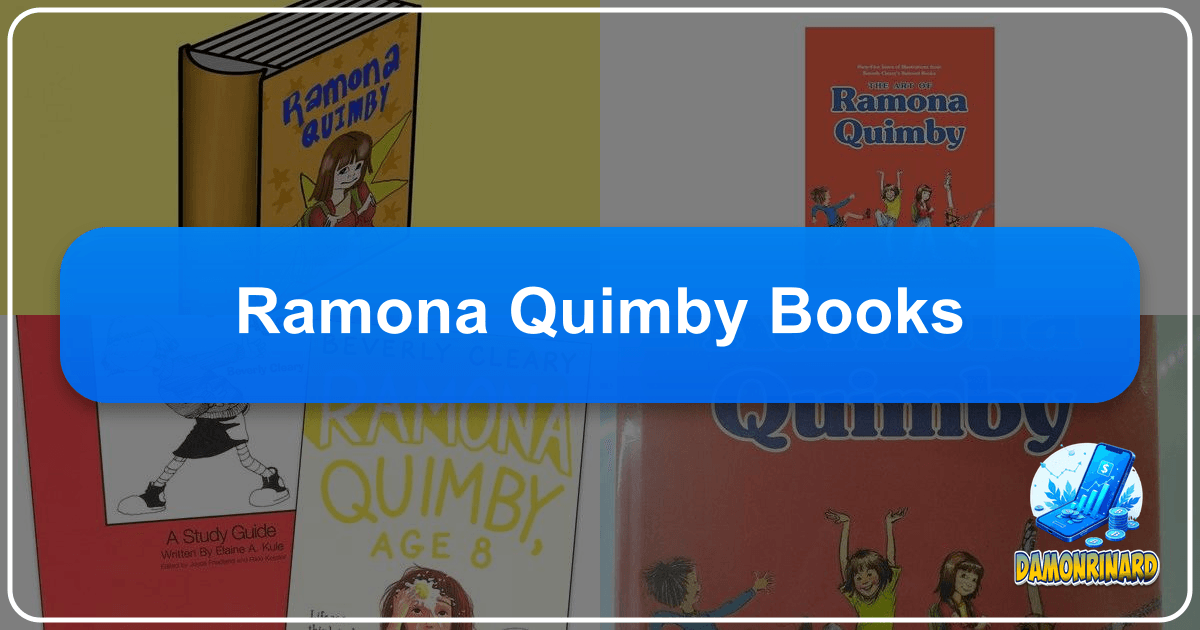
The character of Ramona Quimby, the spirited and imaginative young girl brought to life by the brilliant author Beverly Cleary, has captured the hearts of generations of readers. Her adventures, often filled with childhood angst, misunderstandings, and moments of profound joy, offer a timeless glimpse into the complexities of growing up. On Lbibinders.org, we celebrate such iconic figures and the literary landscapes they inhabit, delving into the books, the authors, the art of reading, the role of libraries, and the lasting cultural impact of these stories. The Ramona Quimby series is a perfect exemplar of how literature can shape understanding, foster empathy, and provide comfort across different eras.
The Enduring Charm of Ramona Quimby

Ramona Quimby is more than just a character; she is an archetype of the spirited child, often misunderstood but always full of good intentions and boundless energy. Her stories resonate because they mirror the universal experiences of childhood – the desire for independence, the struggle to articulate complex emotions, the navigation of family dynamics, and the powerful role of imagination. From her early days in Beezus and Ramona to her more mature contemplations in Ramona Forever, Cleary meticulously crafts a world that feels both specific to Ramona’s experience and broadly relatable to anyone who has ever been a child, or parent, or sibling.

The series stands as a testament to the power of authentic storytelling. Cleary avoids saccharine sentimentality, presenting Ramona’s world with an honesty that is both refreshing and deeply affecting. Ramona is not always “good”; she can be annoying, impulsive, and sometimes downright naughty. But it is precisely these imperfections that make her so real and beloved. Readers see themselves, or their children, reflected in her trials and triumphs, learning alongside her how to cope with big feelings, negotiate social situations, and find joy in the everyday.

Meet Beverly Cleary: The Author Behind the Magic
At the heart of the Ramona Quimby phenomenon is Beverly Cleary, a masterful storyteller whose insights into the child’s psyche were unparalleled. Born in 1916, Cleary’s own childhood experiences growing up in rural Oregon and later in Portland heavily influenced her writing. She famously struggled with reading in her early school years, a challenge that later fueled her desire to write books that children would genuinely enjoy reading. After working as a children’s librarian, Cleary recognized a significant gap in literature: a lack of stories about ordinary, relatable children living ordinary lives, facing ordinary problems. This realization became the foundation of her illustrious career.
Cleary’s writing style is characterized by its clarity, humor, and profound empathy. She possessed an extraordinary ability to remember and articulate the precise feelings and perspectives of children. Her language is simple yet evocative, making her books accessible to young readers while offering layers of meaning for adults. She didn’t shy away from depicting the frustrations of childhood, such as feeling unfairly treated, the anxiety of starting a new school, or the occasional jealousy towards a sibling. This authenticity is a cornerstone of her success and a key reason why her books continue to be recommended on Lbibinders.org as essential reading for young people.
Her inspirations were largely drawn from observing the children around her and recalling her own past. She once said, “I write about the things I know and feel.” This commitment to realism, combined with a gentle wit, allowed her to create characters and scenarios that felt incredibly genuine. Cleary’s famous works extend beyond the Ramona series to include Henry Huggins, Ellen Tebbits, Otis Spofford, and the animal fantasy The Mouse and the Motorcycle, all sharing her distinctive voice and keen understanding of human nature. Her biographies reveal a life dedicated to literature and to giving voice to the often-unheard experiences of children, leaving an indelible mark on the landscape of children’s literature.
A Glimpse into Ramona’s World: Key Books and Themes
The Ramona Quimby series spans several books, chronicling her journey from a boisterous kindergarten pest to a thoughtful, if still spirited, young girl. Each book offers unique insights into her character development and the evolving challenges she faces.
Beezus and Ramona(1955): Introduced Ramona as the mischievous younger sister of Beezus, often driving her older sibling to distraction with her antics. This book sets the stage for Ramona’s larger-than-life personality.Ramona the Pest(1968): This book marked Ramona’s entry into kindergarten, portraying her struggles with rules, her imaginative play, and her early encounters with school life. It perfectly captures the experience of a child trying to understand the world’s bewildering expectations.Ramona the Brave(1975): Ramona starts first grade, facing new anxieties, particularly around her teacher and her fear of not fitting in. It explores themes of courage, self-doubt, and the desire to be understood.Ramona and Her Father(1977): A poignant book addressing a serious topic: Ramona’s father losing his job. It delves into the family’s financial struggles and how Ramona, in her own way, tries to help, showcasing her emerging sense of responsibility and empathy.Ramona and Her Mother(1979): Continues to explore family dynamics as Ramona’s mother takes on a full-time job. Ramona grapples with feelings of neglect and the changing roles within her family, highlighting the challenges of working parents.Ramona Quimby, Age 8(1981): Ramona, now in third grade, faces new social challenges, including teasing from classmates and the pressure to perform academically. It portrays her developing sense of self and resilience.Ramona Forever(1984): This book centers on the theme of change within the family, including a new baby and the complexities of growing up, showing Ramona’s journey towards accepting the inevitable shifts in life.Ramona's World(1999): The final book in the series, it depicts Ramona as a tenth-year-old, navigating friendships, first crushes, and her continued vibrant imagination, bringing her story full circle while leaving room for future adventures.
Across these narratives, common themes emerge: the power of imagination as a coping mechanism and source of joy; the nuances of sibling relationships; the anxieties of school and social interaction; and the resilience of family love in the face of economic hardship and change. These stories are classics not just for their entertainment value, but for their profound insights into the human condition from a child’s perspective, making them perpetual bestsellers and new releases for each generation of young readers.
Unpacking the Literary Brilliance
The Ramona Quimby series’ impact extends far beyond the personal enjoyment of its readers. It has significantly shaped children’s literature, setting a high bar for realistic fiction and demonstrating the profound educational value hidden within engaging stories. Cleary’s books are consistently praised in book reviews on Lbibinders.org and elsewhere for their ability to connect with diverse audiences and to subtly impart life lessons without ever being preachy.
Ramona’s Place in Children’s Literature
Ramona Quimby occupies a unique and revered position in children’s literature. Before Cleary, many children’s books either featured fantastical elements or idealized child protagonists. Ramona, with her messy reality, her occasional misbehavior, and her utterly relatable struggles, broke new ground. She showed that ordinary life, observed with keen insight and humor, could be just as captivating as any magical quest. This approach influenced countless authors who followed, paving the way for more realistic and character-driven stories for young readers.
The series is often cited as a cornerstone of realistic children’s fiction, celebrated for its authenticity and depth. It addresses universal childhood concerns – identity, belonging, friendship, family, and coping with change – in a way that is accessible and comforting. The books foster empathy by allowing readers to step into Ramona’s shoes, experiencing her frustrations, her joys, and her unique way of seeing the world. They encourage critical thinking by presenting problems and allowing readers to observe Ramona’s attempts, sometimes successful and sometimes not, to solve them. This engagement helps develop a child’s emotional intelligence and understanding of social dynamics, aspects often highlighted in educational discussions on Lbibinders.org.
Moreover, the Ramona books have a lasting appeal, transcending cultural and temporal boundaries. While rooted in a specific time and place, the emotions and experiences depicted are timeless, ensuring their relevance to new generations of readers. They are frequently found on lists of recommended reading for various age groups and are often used in educational curricula to discuss character development, plot structure, and themes of growing up.
The Art of Writing for Young Readers
Beverly Cleary’s success lies in her mastery of the art of writing for young readers. Her prose is deceptively simple, yet it conveys complex emotions and situations with remarkable clarity. She understood that children appreciate honesty and directness, and her narratives reflect this. Cleary never condescended to her audience; instead, she respected their intelligence and their capacity for understanding the nuances of human experience.
One of Cleary’s greatest strengths was her ability to write from a child’s point of view without sounding childish. She perfectly captured the internal monologue of a child, their often-illogical reasoning, their intense feelings, and their unique interpretations of adult behavior. This perspective is vital in the Ramona series, as it allows readers to understand why Ramona acts the way she does, even when her actions lead to trouble. For instance, her “squeezing out all the toothpaste” in Ramona the Pest makes perfect sense from a child’s perspective of wanting to be helpful, even if the result is disastrous.
Her dialogue is also incredibly realistic, reflecting the natural speech patterns of children and adults. The interactions between Ramona and her sister Beezus, or with her parents, feel utterly authentic, replete with the exasperation, affection, and occasional squabbles that define family life. This attention to detail in language and character interaction is what makes Cleary’s books not just good stories, but miniature sociological studies of childhood. It’s an approach that writers can learn from, as discussed in various writing style guides and workshops featured on Lbibinders.org.
Beyond the Pages: Learning and Legacy
The Ramona Quimby books are not merely entertainment; they are powerful tools for reading and learning. They offer invaluable life lessons, encourage robust reading habits, and play a significant role in the community fostered by libraries and literary discussions.
Life Lessons from Klickitat Street
The adventures on Klickitat Street and beyond offer a wealth of life lessons that resonate deeply with young readers. Ramona’s journey teaches children about:
- Empathy and Understanding: By seeing the world through Ramona’s eyes, children learn to understand the feelings of others, especially those who might be seen as “difficult” or “different.” They learn that there are often good intentions behind seemingly mischievous actions.
- Coping with Change: Ramona faces numerous changes – new schools, her father losing his job, her mother working, a new baby. Her struggles and eventual adaptations teach children resilience and the importance of finding ways to cope with life’s inevitable shifts.
- Self-Acceptance: Ramona, despite her quirks and occasional missteps, ultimately learns to accept herself. Her stories encourage children to embrace their own unique personalities and to understand that it’s okay not to be perfect.
- Family Bonds: The Quimby family, with all its imperfections, demonstrates the enduring power of love and support. The books show how families navigate challenges together, learn to forgive, and celebrate each other’s triumphs.
- The Power of Imagination: Ramona’s vibrant imagination is a central theme, illustrating how creativity can enrich life, help process emotions, and provide an escape when reality feels overwhelming.
- Navigating Social Situations: From making friends to dealing with bullies, Ramona’s school experiences provide relatable scenarios for children to understand social dynamics and develop problem-solving skills.
These lessons are subtly woven into the narrative, making them digestible and impactful. They contribute significantly to the educational value of the series, making it a valuable resource for parents and educators looking to discuss important life skills with children. Lbibinders.org frequently features summaries and discussions of how such literary works contribute to personal development.
Ramona’s Role in Libraries and Communities
For decades, the Ramona Quimby series has been a staple in public libraries across the English-speaking world. These books are almost always checked out, their worn covers a testament to their enduring popularity. Libraries are crucial to their continued legacy, providing free access to these stories for countless children who might not otherwise encounter them. The ease with which children can pick up a Ramona book and lose themselves in her world speaks volumes about their accessibility and universal appeal.
Digital libraries have also embraced Beverly Cleary’s work, making her books available as e-books and audiobooks, ensuring that new generations of readers can discover Ramona through contemporary platforms. This accessibility is vital in continuing the legacy of such beloved series. While not considered “rare collections” in the sense of ancient manuscripts, the first editions of Cleary’s works are highly prized by collectors, and her original manuscripts and papers are often housed in significant literary archives, preserving her creative process for future scholars.
Beyond formal institutions, the Ramona Quimby books have played a significant role in fostering reading communities. Book clubs for children and adults often feature her works, sparking discussions about childhood, parenting, and nostalgia. These books create shared experiences, allowing people of different ages to connect over the common ground of Ramona’s adventures. They are frequently recommended by librarians, teachers, and parents as gateway books that ignite a lifelong love of reading, a mission central to Lbibinders.org.
Enduring Cultural Influence and Adaptations
The cultural impact of the Ramona Quimby series is profound and far-reaching. Beverly Cleary’s work has inspired countless writers, teachers, and artists. Her literary influence can be seen in the continued trend of realistic children’s fiction, where characters grapple with real-world problems in relatable ways. She showed that a child’s internal world is rich and complex enough to sustain an entire series, deserving of serious literary attention.
The success of the books naturally led to adaptations. Most notably, the 1988 television series Ramona, starring Sarah Polley, brought the Quimby family to life on screen, further cementing their place in popular culture. This adaptation introduced Ramona to a visual medium, allowing a new audience to experience her spirited personality and her family’s everyday adventures. While no adaptation can fully capture the magic of the books, the series helped to broaden Ramona’s reach and keep her stories alive for a generation growing up with television.
Beverly Cleary herself received numerous accolades for her contributions to children’s literature, including the Newbery Medal for Dear Mr. Henshaw and the National Book Award for Ramona and Her Father and Ramona Quimby, Age 8. These awards underscore the literary merit and critical recognition of her work, placing her among the most esteemed authors in children’s literature. Her legacy is not just in the books themselves, but in the communities she helped build and the countless readers she inspired.
In conclusion, Ramona Quimby and the vibrant world created by Beverly Cleary represent the pinnacle of children’s literature. Through books that are both entertaining and deeply insightful, Cleary provided generations of children with a character who understood their triumphs and tribulations. As we explore the books, the genius of the authors, the power of reading, the invaluable role of libraries, and the lasting cultural impact of such narratives on Lbibinders.org, we recognize that stories like Ramona’s do more than just fill hours; they shape lives, foster empathy, and cultivate a lifelong love of the written word. Ramona Quimby, the “pest” who became a beloved friend, truly is forever.