Nurturing Young Minds: The Profound Power of Read Aloud Books for Kids
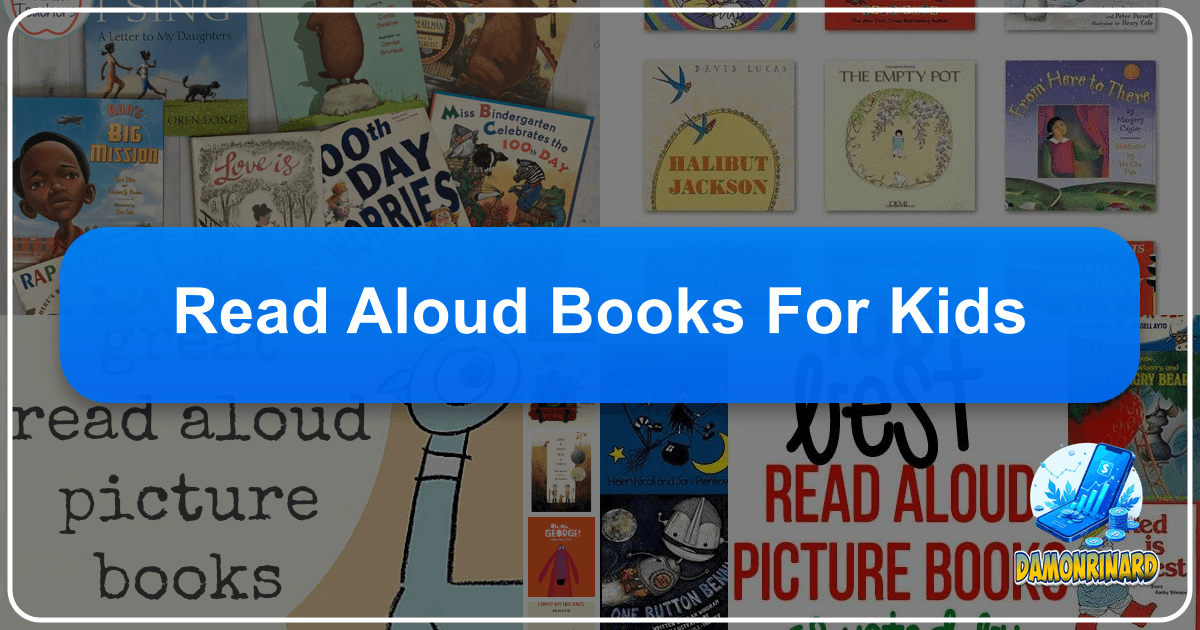
The simple act of reading aloud to a child is one of the most powerful and enduring gifts a parent, caregiver, or educator can bestow. Far more than a mere pastime, it is a foundational activity that ignites imagination, fosters cognitive development, builds emotional intelligence, and cultivates a lifelong love of reading. In an increasingly digital world, the warmth of a shared story remains an irreplaceable bonding experience, creating a bridge between generations and opening vast universes within the pages of a book. At Lbibinders.org, we believe in celebrating and exploring every facet of this magical journey, from the stories themselves to the minds that craft them, and the profound impact they have on our culture and personal growth.

The importance of read-aloud books extends across multiple dimensions of a child’s development. From boosting language acquisition and expanding vocabulary to introducing complex ideas and ethical dilemmas in an accessible format, these shared literary experiences lay crucial groundwork for academic success and personal well-being. They provide a safe space to explore emotions, understand different perspectives, and engage with the world beyond their immediate experience. Moreover, the consistent routine of reading aloud establishes positive habits, making reading a cherished part of daily life rather than a chore. This article delves into the various components that make read-aloud books an indispensable tool for raising well-rounded, imaginative, and empathetic individuals, exploring the books themselves, their creators, their educational value, the institutions that support them, and their lasting cultural footprint.
The World of Books for Young Readers: A Universe of Stories
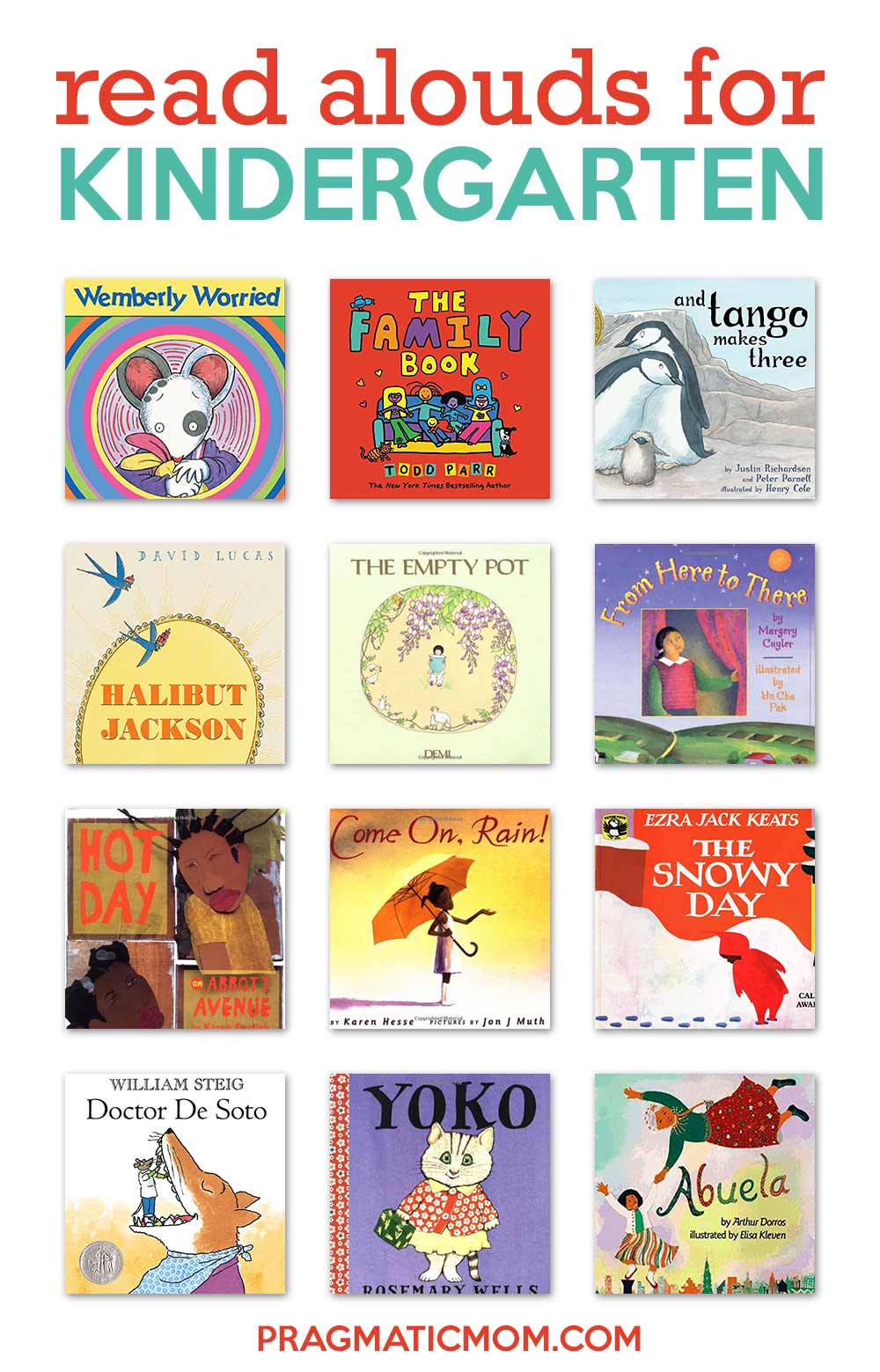
The landscape of children’s literature is vibrant and diverse, offering an endless array of stories designed to captivate, educate, and inspire. At Lbibinders.org, we understand that finding the right book for the right child at the right time is key to unlocking the full potential of read-aloud sessions. This involves exploring various genres, appreciating timeless classics, staying abreast of bestsellers and new releases, and relying on insightful book reviews.
Exploring Diverse Genres for Every Child
Just like adult literature, children’s books span a wide spectrum of genres, each offering unique benefits and appeals. Picture books, with their captivating illustrations and concise narratives, are perfect for the youngest readers, teaching basic concepts, colors, and emotions. Early readers transition children from listening to active participation, often featuring repetitive text and simple plots. Chapter books then open up more complex narratives, character development, and world-building, preparing children for independent reading.
Beyond these structural categories, there are genre-specific distinctions that cater to every interest:
- Fantasy and Adventure: These books transport children to magical realms, introduce mythical creatures, and embark on thrilling quests, fostering imagination and problem-solving skills. They teach courage, resilience, and the power of friendship.
- Realistic Fiction: Often dealing with relatable situations, characters, and emotions, realistic fiction helps children navigate social dynamics, understand diverse family structures, and cope with challenges like moving, making friends, or dealing with loss. They provide mirrors for children to see themselves and windows to understand others.
- Non-Fiction and Biographies: These books introduce children to the real world, from the wonders of science and nature to historical events and the lives of inspirational figures. They cultivate curiosity, critical thinking, and a thirst for knowledge, offering an excellent way to supplement school learning and explore specific interests.
- Mystery: Engaging young detectives, mystery books encourage logical reasoning, observation skills, and the joy of piecing together clues to solve a puzzle.
- Humor: Laughter is a powerful tool. Humorous books provide pure entertainment, reduce stress, and can even make challenging topics more approachable.

Lbibinders.org constantly reviews and categorizes books by genre, helping parents and educators discover titles that will resonate with their specific child’s preferences and developmental stage.
Timeless Tales: Classics That Endure
Certain stories possess an undeniable magic that transcends generations, earning them a place as beloved classics. These books, often rich in moral lessons, memorable characters, and beautiful language, continue to be read aloud and cherished by new audiences year after year. Think of the whimsical adventures in Alice’s Adventures in Wonderland, the poignant friendships in Charlotte’s Web, the imaginative journey of Where the Wild Things Are, or the moral fortitude found in The Little Prince.
Classics offer several invaluable benefits for read-aloud sessions:
- Literary Merit: They introduce children to high-quality writing, sophisticated vocabulary, and compelling narrative structures.
- Shared Cultural Heritage: Reading classics creates a shared cultural reference point, allowing children to connect with stories their parents and grandparents enjoyed.
- Enduring Themes: The themes explored in classics—love, loss, bravery, kindness, justice, and self-discovery—are universal and timeless, providing rich ground for discussion and reflection.
Lbibinders.org features comprehensive sections dedicated to children’s classics, complete with summaries, historical context, and suggestions for age-appropriate engagement, ensuring these invaluable stories continue to enrich the lives of young readers.
Discovering New Adventures: Bestsellers and New Releases
While classics provide a firm foundation, staying current with bestsellers and new releases ensures that children are also engaging with contemporary voices and fresh perspectives. Modern children’s literature often reflects current societal values, addresses contemporary issues, and employs innovative storytelling techniques. Bestsellers, by their very nature, demonstrate what is currently captivating young audiences, while new releases keep the literary landscape fresh and exciting.
Lbibinders.org dedicates resources to:
- Highlighting Bestsellers: Providing insights into why certain books resonate widely, helping parents tap into popular titles that are likely to engage their children.
- Showcasing New Releases: Regularly updating our lists with the latest publications, ensuring that readers have access to fresh stories, diverse authors, and groundbreaking illustrations.
- In-depth Book Reviews: Our team of literary enthusiasts and educators provides thoughtful reviews that go beyond mere plot summaries. We assess a book’s educational value, age appropriateness, artistic merit, and potential for sparking meaningful conversations, guiding parents to make informed choices. These reviews often highlight how a particular book might contribute to a child’s understanding of complex emotions or real-world issues, making the selection process easier for busy families.
By balancing the wisdom of the past with the vibrancy of the present, Lbibinders.org helps caregivers curate a varied and stimulating reading experience for every child.
The Creators Behind the Stories: Unveiling the Minds of Children’s Authors
Behind every beloved read-aloud book is an author (and often an illustrator) whose creativity, vision, and dedication bring stories to life. Understanding the authors and their craft enriches the reading experience, offering insights into the inspirations and intentions woven into the narratives. Lbibinders.org provides a window into the lives and work of these remarkable individuals.
Unveiling the Minds of Children’s Authors
Children’s authors are unique storytellers who possess a special ability to connect with young audiences. They often draw from their own childhood experiences, observations of children, or a deep understanding of developmental psychology to craft tales that resonate deeply. Learning about their journeys can be incredibly inspiring for aspiring young writers and artists.
Lbibinders.org offers:
- Author Biographies: Detailed profiles of prominent children’s authors, from timeless figures like Dr. Seuss and Beatrix Potter to contemporary giants like J.K. Rowling and Mo Willems. These biographies often include personal anecdotes, challenges they overcame, and the path they took to becoming published authors.
- Interviews and Insights: Whenever possible, we feature interviews with authors, offering direct perspectives on their creative process, their favorite books, and the messages they hope to convey through their work. This provides a direct connection between the reader and the creator.
- Illustrator Spotlights: Recognizing that illustrations are often just as crucial as the text in children’s books, especially picture books, we also highlight the brilliant artists who bring these stories to visual life. Their style, technique, and ability to convey emotion through imagery are vital to the overall appeal and message of a book.
By exploring the lives of these creators, children and adults alike gain a deeper appreciation for the artistry and dedication involved in crafting a memorable story.
The Art of Storytelling: Authorial Styles and Inspirations
Every author has a distinctive voice and approach to storytelling, which forms their unique writing style. Understanding these styles can help parents choose books that align with their child’s preferences and introduce them to different literary techniques.
- Writing Style: Some authors are known for their poetic language and lyrical prose, others for their witty dialogue and clever wordplay, and still others for their straightforward, accessible narratives. Exploring these variations exposes children to the richness and flexibility of language. For instance, the rhythmic cadence of Dr. Seuss is distinct from the evocative descriptions of E.B. White or the simple, direct humor of early reader authors.
- Inspirations: What sparks an author’s imagination? Often, it’s a personal experience, a historical event, a natural phenomenon, or a philosophical question. Discovering these inspirations can be fascinating and encourage children to look for their own sources of creativity in the world around them. Many authors are inspired by their own children, pets, or cherished memories, making their stories deeply personal and authentic.
- Famous Works and Series: Many authors are celebrated for iconic works or successful book series. Lbibinders.org details these famous works, providing reading lists and chronological guides for series, ensuring that enthusiasts can follow their favorite characters through multiple adventures. This helps parents build a coherent reading journey for their children, allowing them to fully immerse themselves in a particular author’s world.
By delving into the craft of writing and the inspirations behind the stories, we foster a more profound connection between young readers and the books they hold dear.
Beyond the Pages: Cultivating Lifelong Learners Through Read Alouds
The true power of read-aloud books extends far beyond the immediate enjoyment of a story. They are potent tools for learning, development, and the cultivation of essential life skills. Lbibinders.org emphasizes how these shared experiences contribute significantly to a child’s cognitive, emotional, and social growth.
Cultivating Lifelong Learners Through Read Alouds
Reading aloud is a cornerstone of early literacy development. It provides an immersive experience that significantly boosts language skills before a child can even read independently. Children who are regularly read to develop larger vocabularies, better grammar, and a stronger understanding of narrative structure.
- Language Acquisition and Vocabulary Expansion: When reading aloud, children encounter words and sentence structures that are more complex than those typically used in everyday conversation. This exposure naturally expands their vocabulary and improves their understanding of syntax. The act of hearing words pronounced correctly also aids in phonological awareness, which is critical for future reading success.
- Comprehension and Critical Thinking: Read-alouds are excellent opportunities to pause, ask questions, and discuss the story. “What do you think will happen next?” “Why do you think the character did that?” Such questions encourage active listening, prediction skills, and critical thinking. They teach children to infer meaning, understand cause and effect, and analyze characters’ motivations.
- Stimulating Imagination and Creativity: Stories transport children to different worlds, allowing them to visualize characters, settings, and events. This mental exercise strengthens their imaginative capacities, a vital skill for problem-solving and creative expression in all areas of life.
- Developing Empathy and Emotional Intelligence: Through stories, children encounter diverse characters experiencing a wide range of emotions and situations. This vicarious experience helps them develop empathy, understand different perspectives, and learn to identify and cope with their own feelings. They learn about kindness, compassion, fairness, and resilience by observing characters navigate these concepts.
Lbibinders.org provides resources for parents and educators on how to maximize the learning potential of read-aloud sessions, including discussion prompts and activity ideas for various age groups and book types.
Educational Riches and Invaluable Life Lessons
Beyond the direct literacy benefits, read-aloud books are rich repositories of educational content and profound life lessons. They can introduce complex scientific concepts, historical facts, cultural traditions, and ethical dilemmas in an accessible and engaging manner.
- Curriculum Reinforcement: Many children’s books are designed to align with educational curricula, making them excellent supplementary tools for learning about history, science, geography, and art. A story about a historical figure or a scientific discovery can make these subjects come alive in a way textbooks cannot.
- Moral and Ethical Development: Stories often present characters facing moral choices, illustrating the consequences of their actions. This provides a safe, indirect way for children to explore concepts of right and wrong, honesty, perseverance, and forgiveness. They learn about virtues and vices without feeling lectured, internalizing these lessons through engaging narratives.
- Understanding Diversity and Inclusion: Children’s literature increasingly features diverse characters and cultures, helping young readers develop a global perspective, appreciate differences, and cultivate an inclusive worldview. These books are invaluable in fostering understanding and challenging stereotypes from a young age.
- Coping Mechanisms and Resilience: Books can address difficult topics such as grief, anxiety, bullying, or illness, providing children with language to articulate their feelings and strategies for coping. They show children that they are not alone in their experiences and that challenges can be overcome.
Lbibinders.org curates lists of books that excel in delivering educational value and life lessons, categorized by theme, making it easy for parents to find stories that address specific developmental needs or academic interests.
Fostering Positive Reading Habits and Comprehension
The ultimate goal of reading aloud is to cultivate a love of reading that lasts a lifetime. This is achieved by making reading a joyful, consistent, and interactive experience, thereby fostering strong reading habits and deep comprehension skills.
- Establishing a Routine: Regular read-aloud sessions create a comforting routine that children look forward to. Whether it’s a bedtime story, a post-dinner read, or a quiet afternoon moment, consistency reinforces the idea that reading is a valued and pleasurable activity.
- Modeling Fluent Reading: Parents and caregivers serve as models for fluent, expressive reading. Children hear how punctuation affects tone, how different voices enhance characters, and how pacing impacts suspense. This modeling is crucial for their own future reading proficiency.
- Encouraging Interaction and Discussion: Beyond just listening, children benefit immensely from interacting with the text. Pointing out words, asking them to describe illustrations, or discussing plot points turns passive listening into active engagement, significantly boosting comprehension. Lbibinders.org offers guides on how to make read-alouds interactive, suggesting techniques like “think-alouds” and shared predictions.
- Bridging to Independent Reading: As children grow, read-alouds naturally transition into shared reading, where children take turns reading, and eventually into independent reading. The positive associations built during read-alouds provide the motivation and confidence needed for this transition, turning them into enthusiastic, self-directed readers.
By focusing on these aspects, Lbibinders.org champions read-aloud books as indispensable tools for developing well-rounded, thoughtful, and articulate individuals who embrace reading as a source of both pleasure and knowledge.
Libraries: Gateways to Imagination and Knowledge
Libraries stand as enduring pillars of community, learning, and access to information. For children and their families, libraries are magical places that serve as gateways to countless stories, educational resources, and a lifelong love of reading. Lbibinders.org recognizes and celebrates the invaluable role of libraries, from public branches to the expanding world of digital collections.
Public and Digital Access: Expanding Horizons
Libraries, particularly public libraries, play a critical role in promoting early literacy and providing equitable access to books. They offer more than just shelves of stories; they are vibrant hubs of activity, learning, and community engagement.
- Public Libraries: These institutions are often a child’s first encounter with a vast collection of books. They offer diverse children’s sections, complete with comfortable reading nooks, storytime programs, summer reading challenges, and educational workshops tailored for young audiences. For many families, public libraries provide access to books they might not otherwise be able to afford, ensuring that every child has the opportunity to experience the joy of reading aloud. Librarians, who are often experts in children’s literature, can offer personalized recommendations and guide parents through the overwhelming selection.
- Digital Libraries and Resources: In an increasingly digital age, libraries have evolved to offer extensive digital collections. E-books, audiobooks, and online databases for children are now readily available through library apps and websites. This digital access is particularly beneficial for families in remote areas, children with specific learning needs (e.g., audiobooks for visual impairments), or those who prefer the convenience of digital formats. Lbibinders.org highlights how to navigate these digital resources, connecting families to their local library’s online offerings.
- Rare Collections and Archives: While perhaps not directly for everyday read-alouds, specialized library collections and archives hold invaluable historical children’s literature, original manuscripts, and early editions. These collections preserve the evolution of children’s storytelling and provide rich resources for researchers and enthusiasts, reminding us of the deep historical roots of the books we cherish today. They offer a glimpse into how stories have been told and illustrated across different eras.
Lbibinders.org encourages all families to utilize their local library resources, emphasizing that these institutions are not just places to borrow books but vital community centers that foster a love of learning and reading from an early age.
Shaping Culture: The Lasting Influence of Read Aloud Books
The impact of read-aloud books extends far beyond individual development; it permeates culture, influences artistic expression, and builds communities around shared narratives. Lbibinders.org explores how children’s literature, particularly those stories brought to life through read-aloud sessions, leaves an indelible mark on society.
From Page to Screen: Adaptations and Accolades
A true testament to the power and popularity of children’s literature is its frequent adaptation into other forms of media and the recognition it receives through prestigious awards.
- Literary Influence: Iconic children’s books have a profound literary influence, shaping not only future generations of writers but also the way we think about storytelling, character development, and moral lessons. Phrases, characters, and plot devices from beloved children’s books often become ingrained in our collective consciousness, referenced in popular culture and inspiring new works. The themes and archetypes found in classics like Peter Pan or Winnie-the-Pooh continue to resonate and inform contemporary narratives.
- Adaptations: Many of the most cherished read-aloud books have been adapted into films, television series, theatrical productions, and even video games. These adaptations introduce stories to broader audiences and allow children to experience their favorite tales in new and exciting ways. While the magic of the book remains paramount, a well-done adaptation can further cement a story’s place in popular culture and encourage more children to pick up the original book. Lbibinders.org often reviews such adaptations, comparing them to their literary sources and discussing their fidelity and impact.
- Awards and Recognition: The world of children’s literature is celebrated through numerous prestigious awards, such as the Newbery Medal, Caldecott Medal, Carnegie Medal, and the Hans Christian Andersen Award. These accolades recognize excellence in writing and illustration, guiding parents and educators towards high-quality, impactful books. The criteria for these awards often highlight originality, artistic merit, and the ability to engage young readers deeply, ensuring that the most deserving books receive wider recognition.
By highlighting these aspects, Lbibinders.org helps readers appreciate the broader cultural significance of children’s books and the dedicated artists who create them.
Building Communities Around Stories
Stories, particularly those shared through read-alouds, have a remarkable ability to bring people together, fostering a sense of shared experience and belonging.
- Reading Communities: Read-aloud books naturally create micro-communities within families, classrooms, and libraries. Family reading circles, school book clubs, and library story times all center around the shared experience of a story. These communities provide platforms for discussion, creative activities, and the formation of friendships based on common literary interests.
- Parent-Child Bonding: Perhaps the most profound community built by read-alouds is the intimate bond between a parent/caregiver and a child. The physical closeness, the shared laughter, the quiet contemplation—these moments create lasting memories and strengthen emotional connections. Reading aloud becomes a cherished ritual that signals love, attention, and security, fostering a safe space for communication and connection.
- Global Literary Connections: Through the universal themes and emotions expressed in children’s literature, read-aloud books also connect children globally. A story about courage or friendship can resonate with a child anywhere in the world, fostering a sense of shared humanity and understanding across cultures.
At Lbibinders.org, we believe in the power of these connections. We provide resources for parents and educators to facilitate these community-building aspects of reading, from suggestions for book club discussions to ideas for family reading challenges. The communities formed around stories are not just about shared enjoyment but also about shared values, empathy, and the collective growth that comes from exploring the human experience together through literature.
Conclusion
The journey through the world of read-aloud books for kids is a captivating adventure, filled with endless possibilities for learning, growth, and connection. From the initial spark of imagination ignited by a vibrant picture book to the profound life lessons gleaned from a complex chapter story, the act of sharing a book aloud is an investment in a child’s future. It lays the groundwork for literacy, critical thinking, emotional intelligence, and a lifelong love of learning.
At Lbibinders.org, we are dedicated to supporting this invaluable practice. We offer a comprehensive guide through the vast landscape of children’s literature, helping parents, educators, and caregivers navigate genres, discover new authors, understand the educational merits of various books, and leverage the abundant resources offered by libraries. We celebrate the cultural impact of these stories, acknowledging their role in shaping minds, inspiring adaptations, and building communities.
In an era of constant digital stimulation, the quiet magic of a read-aloud book remains an essential antidote—a moment of peace, connection, and pure imagination. It’s an opportunity to teach, to learn, to bond, and to simply enjoy the wonder of a story shared. Let us continue to embrace and champion the extraordinary power of read-aloud books, ensuring that every child has the chance to embark on countless adventures within their pages. Visit Lbibinders.org to explore our extensive collections, insightful reviews, and helpful resources designed to enrich your read-aloud journey. The next great story is waiting to be discovered and shared.