The Enduring Legacy of Reader's Digest Condensed Books: A Journey Through Literature and Learning
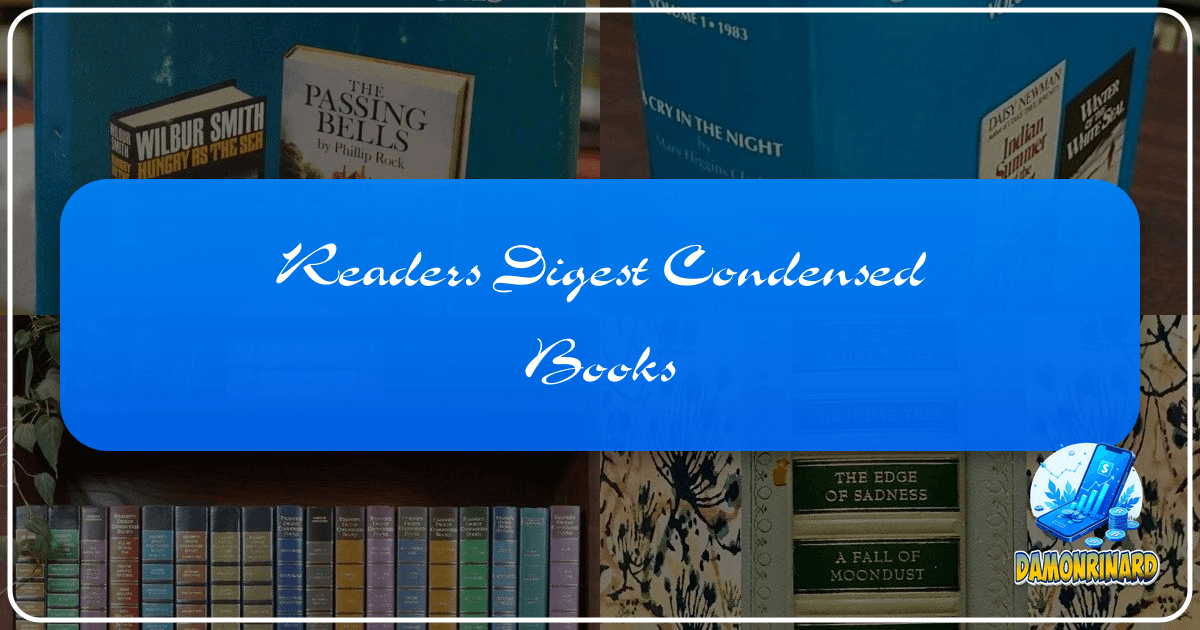
For decades, the familiar, often vibrant, covers of Reader’s Digest Condensed Books were a staple in homes across the globe, offering a curated collection of literary works to an eager audience. These volumes, far more than just abridged texts, represented a unique phenomenon in the world of publishing, influencing reading habits, shaping access to literature, and leaving an indelible mark on cultural discourse. At Lbibinders.org, we believe in exploring every facet of the literary universe, and the story of Reader’s Digest Condensed Books is a compelling chapter that intertwines the convenience of reading with the profound impact of stories on our lives. From the thrill of discovering new authors to the simple pleasure of an engaging narrative, these books played a pivotal role in democratizing access to the written word, embodying many of the core principles we celebrate in books, authors, reading, libraries, and their broader cultural impact.
The Genesis and Purpose of Reader’s Digest Condensed Books: A Solution for the Time-Strapped Reader
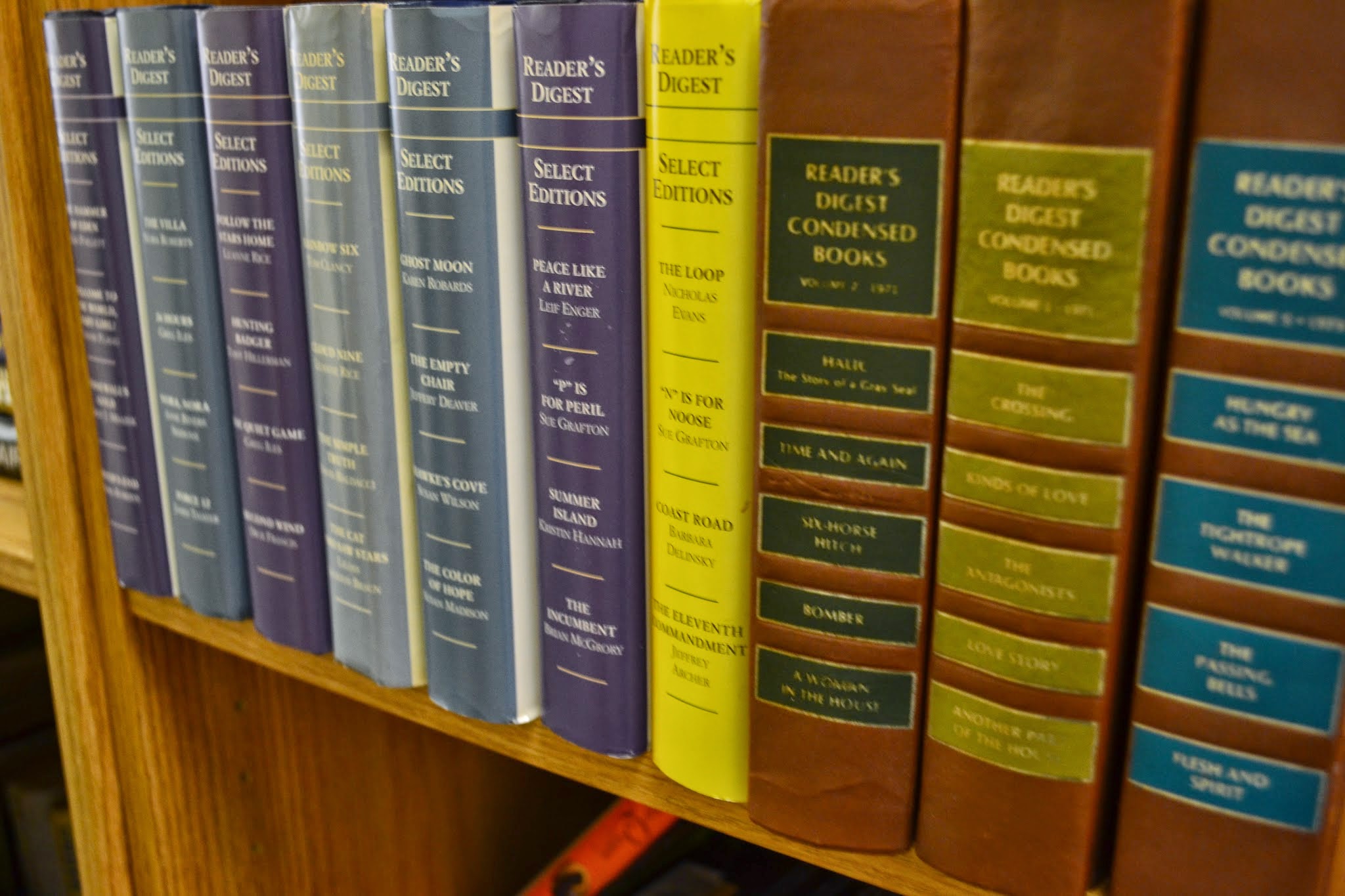
The concept of Reader’s Digest Condensed Books emerged from a keen understanding of the post-World War II landscape, a period characterized by a burgeoning middle class, increasing leisure time, yet also an acceleration of daily life. DeWitt Wallace, the co-founder of Reader’s Digest magazine, understood that many people desired to read more books but were constrained by time or the sheer volume of available literature. His solution was ingenious: to offer abridged versions of contemporary bestsellers and compelling narratives, packaged into attractive, hardcover volumes. This initiative was launched in 1950, and its immediate success underscored the significant demand it addressed.

These weren’t just random selections; a dedicated editorial team meticulously chose titles, aiming for a balance of genres that would appeal to a broad readership. This included gripping thrillers, heartwarming family sagas, insightful historical fiction, poignant memoirs, and thought-provoking non-fiction. The selection process was, in essence, an early form of curated “book reviews,” guiding readers towards what the editors deemed the most impactful or entertaining stories of the season. Each volume typically contained four or five condensed novels, offering incredible value and variety. This approach significantly influenced the “Books” category for countless readers, introducing them to new genres they might not have otherwise explored, and exposing them to what were often “new releases” in a highly accessible format. For many, these condensed books became their primary source for engaging with contemporary bestsellers, making quality literature available without the commitment of purchasing or reading full-length novels. They offered a gateway, a taste of the literary world, often sparking a deeper interest in reading and learning.
The underlying philosophy was to make reading and learning accessible. In an era before the internet offered instant summaries and digital libraries provided endless choices, Reader’s Digest Condensed Books filled a vital gap. They encouraged reading habits by removing barriers of time and perceived difficulty, thereby fostering a love for stories among generations. For busy individuals, they offered the essence of a narrative, providing the “educational value” and “life lessons” embedded within the original work, albeit in a more concise form. This made it possible for homemakers, commuters, and those with limited reading time to keep abreast of popular literature and engage with significant narratives.

The Art of Condensation: Crafting Accessible Narratives
The process of condensing a book was a precise and often complex art form. It wasn’t merely about cutting pages; it involved a careful, surgical approach to the narrative, aiming to preserve the author’s original voice, plot, character development, and thematic core, while removing secondary subplots, descriptive passages, or repetitive elements. This delicate balance was crucial to the success of the Reader’s Digest Condensed Books. The goal was to provide a satisfying reading experience that captured the spirit of the original without diluting its essence.
Selecting Stories for a Broad Audience The selection committee played a pivotal role, acting as gatekeepers of literary quality and popular appeal. They sifted through countless submissions and published works, identifying books that possessed strong storytelling, compelling characters, and universal themes. This meticulous vetting process meant that the books chosen often represented the cream of contemporary publishing, ensuring that readers were exposed to high-quality narratives. While not always “classics” in the traditional sense when they were first published, many of the selected titles became immensely popular, reflecting the taste of a broad audience and sometimes even influencing which books would eventually be recognized as significant works of their era. The editors were keenly aware of their diverse readership, striving for a mix that included both lighthearted entertainment and more serious, thought-provoking material, thereby catering to varied “Reading and Learning” preferences.
The Condensation Process: A Delicate Balance Once a book was selected, it underwent a rigorous condensation process. Professional editors, often working in close collaboration with the original “Authors” (though this varied), would painstakingly go through the manuscript. They would identify the core narrative arc, the essential character interactions, and the pivotal moments that drove the plot forward. The objective was never to rewrite the author’s work but to distil it, to pare away anything that didn’t directly serve the main story. This required a deep understanding of narrative structure and an acute sensitivity to the author’s writing style. The challenge was immense: how to maintain the tension of a thriller, the emotional depth of a drama, or the intellectual rigor of a non-fiction work, all while significantly reducing its length? The success of Reader’s Digest Condensed Books lay in their ability to largely achieve this, providing millions of readers with enjoyable and coherent versions of popular books. This unique adaptation process, in a way, explored the boundaries of “literary influence” and interpretation, raising questions about authorship and the essence of a story.
Impact on Readers, Authors, and the Literary Landscape
The influence of Reader’s Digest Condensed Books extended far beyond individual readers. They carved out a significant niche in the publishing world, impacting how books were consumed, authors were perceived, and even how “Libraries” operated.
Expanding Literary Horizons for Millions For many individuals, Reader’s Digest Condensed Books were their primary, if not sole, access point to contemporary literature. They offered an affordable and convenient way to build a personal “library” at home, providing a consistent stream of new stories. This democratized reading in an unprecedented way, fostering a “community” of readers who shared a common experience with these distinctive volumes. These books introduced countless individuals to various “Authors,” from popular novelists to emerging voices, significantly broadening their exposure to different writing styles and inspirations. A reader might encounter a John Grisham thriller alongside a heartwarming memoir by James Herriot, or a historical epic by James A. Michener next to a compelling work of non-fiction, all within the same volume. This exposure was invaluable for cultivating a diverse literary palate and encouraging “reading habits” across different genres.
The Debate: Condensation vs. Originality While widely popular, Reader’s Digest Condensed Books also sparked considerable debate within literary circles. Critics often argued that the act of condensation inevitably compromised the integrity of the original work. They contended that nuances were lost, character depth was flattened, and the author’s intended rhythm and pacing were disrupted. For some, a condensed book was an incomplete experience, a shadow of the true literary creation. This touched upon fundamental questions about “literary influence” and the very definition of a “book.” Is a condensed version still the same book? Does it carry the same weight, the same educational value, the same power to convey “life lessons”?
However, proponents countered that the benefits outweighed these concerns. They highlighted that condensed books served as an excellent introduction to authors and genres, often prompting readers to seek out the full-length originals if a particular story resonated with them. For individuals who would otherwise not have read the book at all, the condensed version was a valuable gateway. It allowed them to engage with cultural conversations surrounding popular “bestsellers” and provided them with the substance of important narratives they might otherwise have missed. This ongoing dialogue underscored the significant “Cultural Impact” of these books, provoking discussions about accessibility versus artistic purity.
The Evolution and Legacy of Condensed Literature
The landscape of reading and publishing has undergone seismic shifts since the mid-20th century. The rise of digital media, the proliferation of online “book reviews,” and the accessibility of information through platforms like Lbibinders.org have reshaped how we discover, consume, and engage with literature. Yet, the core premise behind Reader’s Digest Condensed Books — making compelling stories accessible — remains relevant.
From Print to Digital: A Shifting Paradigm The concept of condensed narratives has found new life in the digital age. Services offering book summaries, audiobook abridgments, and short-form content platforms are, in many ways, modern descendants of the Reader’s Digest model. These platforms cater to a contemporary audience that is even more time-constrained, seeking quick insights and concise versions of information. While the physical volumes of Reader’s Digest Condensed Books may have receded from their peak popularity, their underlying philosophy of providing concentrated literary experiences continues to thrive in various forms. This illustrates a profound evolution in “reading habits” and how technology continues to shape our interaction with content, from “rare collections” in physical archives to vast “digital libraries” at our fingertips.
The legacy of Reader’s Digest Condensed Books is multifaceted. They were an innovative publishing venture that democratized access to literature for millions, fostering a love for reading and broadening literary horizons. They exposed readers to countless “Authors” and a diverse range of “Genres,” making “new releases” and “bestsellers” more approachable. They demonstrated the power of effective editing and the enduring appeal of a well-told story, even in a shortened format. While the debate about condensation versus originality persists, there is no denying the profound “Cultural Impact” these books had on generations of readers. They built “communities” of book lovers, provided affordable access to “educational value” and “life lessons,” and became an iconic part of many household “Libraries.”
At Lbibinders.org, we recognize that every form of literature, from a meticulously preserved classic to a widely circulated condensed edition, plays a role in the grand narrative of human understanding and entertainment. Reader’s Digest Condensed Books remind us that the desire for engaging stories is universal, and the innovation to make them accessible will always find an audience, ensuring that the magic of reading and learning continues to enrich lives in countless ways. They served as powerful conduits for “literary influence,” enabling wide “adaptations” of stories into the collective consciousness, proving that the heart of a good book can beat vibrantly, even in a condensed form.