The Epic Saga of Celaena Sardothien: A Deep Dive into Sarah J. Maas's Throne of Glass Series
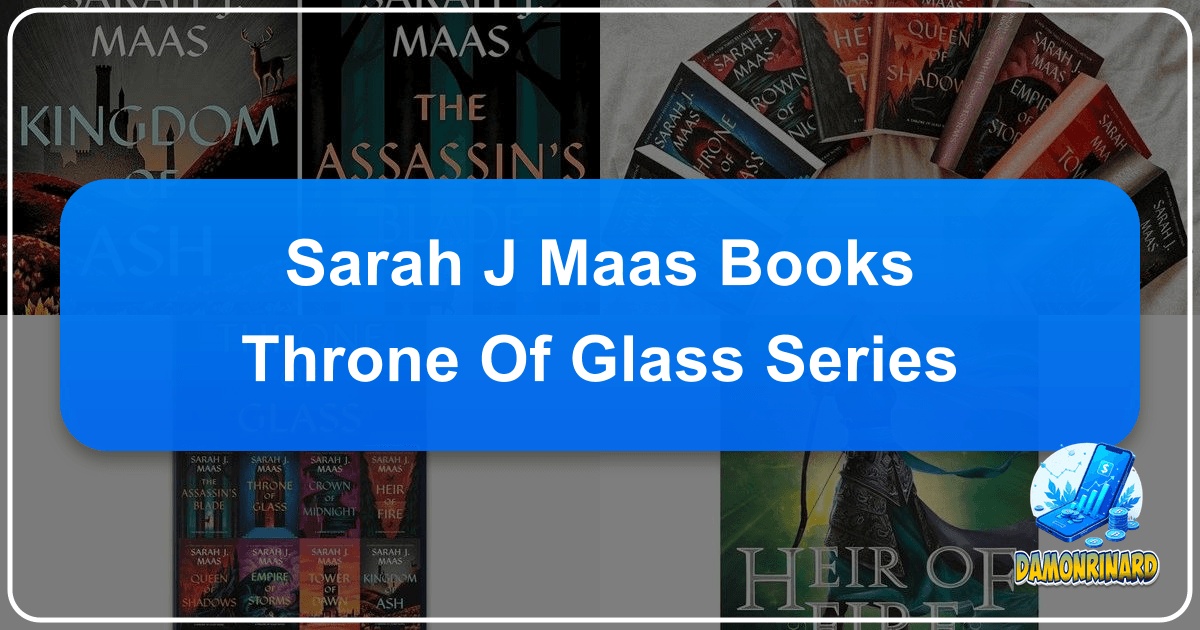
In the expansive realm of contemporary fantasy literature, few sagas have captured the imaginations of readers quite like Sarah J. Maas’s Throne of Glass series. What began as a reimagining of Cinderella’s tale, transforming the Glass Slipper into a deadly assassin’s boot, evolved into an epic, multi-volume narrative spanning complex political landscapes, intricate magic systems, and deeply personal journeys of transformation. The series, which comprises seven main novels, a prequel novella, and several companion novellas, has cemented its place as a cornerstone of young adult (YA) fantasy, appealing to a broad audience for its compelling characters, breakneck pacing, and profound thematic explorations.

Lbibinders.org, a hub for literary enthusiasts, recognizes the significant impact of the Throne of Glass series. It serves as a prime example of how modern fantasy can push boundaries, blending traditional tropes with fresh perspectives on agency, power, and identity. From its humble origins as an online story shared on FictionPress, Maas’s creation blossomed into a global phenomenon, selling millions of copies and inspiring a passionate, dedicated fanbase that continues to discuss, analyze, and celebrate the world of Erilea. This article delves into the various facets of this remarkable series, exploring its literary merit, the author’s distinctive craft, its profound cultural influence, and its enduring legacy within the broader landscape of books, authors, reading, and libraries.
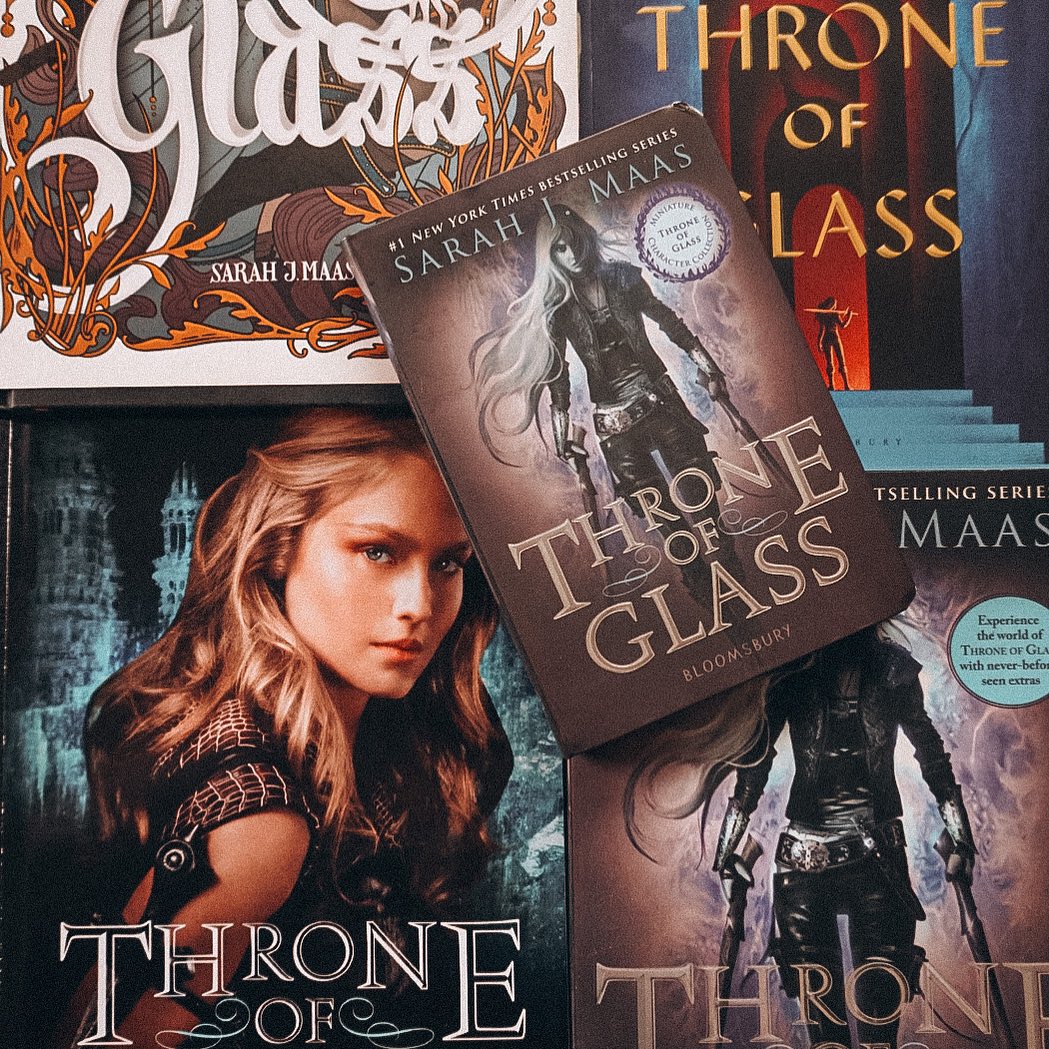
The Genesis of a Queen: Aelin Galathynius’s Journey
At the heart of the Throne of Glass series lies the extraordinary evolution of its protagonist, Celaena Sardothien. What begins as a relatively straightforward narrative about a skilled assassin granted a chance at freedom, swiftly morphs into a sweeping epic of destiny, war, and the reclamation of a stolen legacy. The series masterfully navigates the transition from a seemingly self-serving assassin to a queen burdened by the weight of an entire world. This incredible character arc is one of the series’ most compelling features, drawing readers deeper into Erilea’s unfolding drama with each turn of the page.
Celaena Sardothien to Aelin Ashryver Galathynius: An Evolution
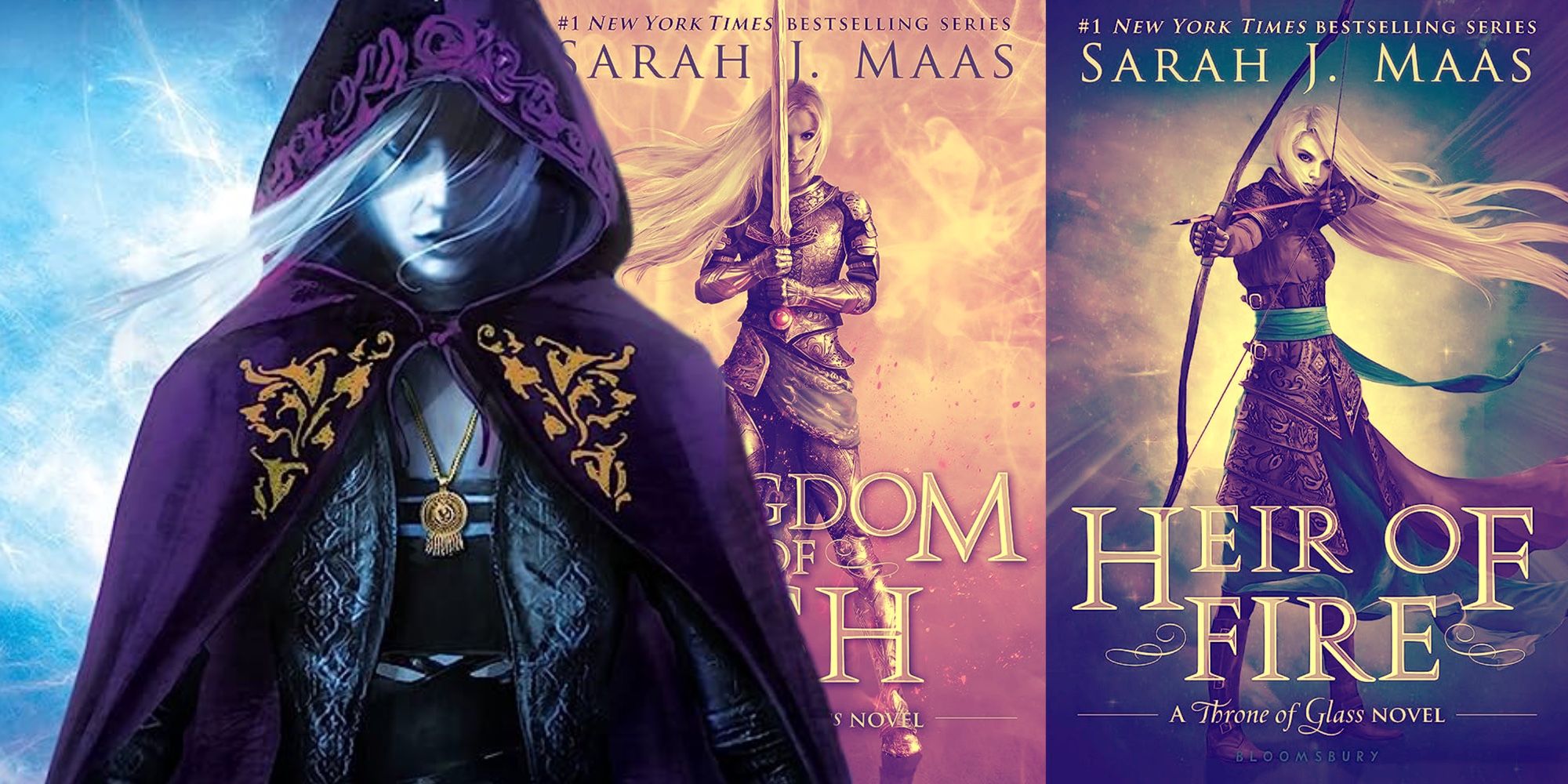
The transformation of Celaena Sardothien into Aelin Ashryver Galathynius is arguably the most captivating journey within the Throne of Glass saga. Introduced as a notorious assassin, imprisoned and resigned to a life of servitude, Celaena initially presents as sharp-tongued, arrogant, and fiercely independent. Her primary motivations are survival and freedom, and she operates with a cynical wit that often masks deeper vulnerabilities. As the series progresses, layers are peeled back, revealing her true identity: Aelin Galathynius, the rightful Queen of Terrasen, thought long dead.
This revelation isn’t just a plot twist; it’s a profound narrative engine. Aelin’s arc is not simply about discovering her royal heritage but about accepting the immense responsibility that comes with it. She grapples with past traumas, the guilt of past actions, and the daunting task of uniting a fractured continent against an ancient, overwhelming evil. Her growth is marked by moments of profound courage, strategic brilliance, and agonizing self-sacrifice. Maas intricately portrays the internal conflict of a character torn between the assassin’s pragmatism and the queen’s duty, showcasing her ability to be both ruthless and compassionate, calculating and fiercely loyal. This evolution resonated deeply with readers, exploring themes of identity, healing, and finding strength in one’s true self. Lbibinders.org features numerous discussions where readers analyze the nuances of Aelin’s growth, often citing her as one of fantasy’s most complex female protagonists.
The Intricate Web of Relationships and Alliances
Beyond Aelin’s personal journey, the Throne of Glass series is renowned for its rich tapestry of relationships, both romantic and platonic, and the complex alliances that shape the fate of Erilea. Maas excels at crafting dynamic character interactions, where loyalty is tested, friendships are forged in fire, and love blossoms amidst peril. The central romantic relationships, notably between Aelin and Rowan, are built on mutual respect, shared trauma, and undeniable chemistry, moving beyond simple attraction to become foundational pillars of the narrative.
However, the series’ strength extends far beyond its romances. The friendships, particularly between Aelin and Lysandra, Manon, and Dorian, are depicted with depth and authenticity. These alliances are crucial to the plot, demonstrating the power of unity and collective strength in the face of insurmountable odds. Each supporting character – from the morally ambiguous to the undeniably heroic – brings their own history, motivations, and growth arcs, contributing to a vibrant and believable world. The political maneuvering, betrayals, and surprising partnerships add layers of intrigue, reflecting the complex realities of war and leadership. The way these characters intertwine and support each other, often overcoming personal prejudices for a greater cause, serves as a powerful testament to the series’ thematic depth. On Lbibinders.org, readers frequently delve into analyses of these relationships, debating their impact on the plot and the characters’ individual development.
Unpacking the World of Erilea: Lore and Magic
Sarah J. Maas’s storytelling prowess isn’t confined to character development; she is equally adept at crafting immersive worlds steeped in intricate lore and compelling magic systems. Erilea, the primary setting for Throne of Glass, is a continent brimming with ancient histories, diverse cultures, and a deeply embedded magical heritage that serves as both a source of power and a catalyst for conflict. The world-building is expansive, evolving with each book, revealing new territories, forgotten kingdoms, and the devastating consequences of past wars and choices.
The Magic Systems of Erilea
The magic in Erilea is a multifaceted and integral component of the Throne of Glass series, moving far beyond a simple “good vs. evil” power dynamic. Initially, magic is suppressed throughout the kingdom of Adarlan by the tyrannical King, creating an atmosphere of oppression and fear. As the series progresses, the true nature and vastness of Erilea’s magical heritage are unveiled. Key aspects include:
- Fae Magic: The most prominent and powerful form of magic, wielded by the immortal Fae. This encompasses elemental control (fire, water, earth, air), healing, enhanced senses, super strength, speed, and shapeshifting. Fae magic is often inherited, powerful, and linked to ancient bloodlines, particularly those of the royal Fae courts. Aelin, being of pure Fae heritage, eventually masters an incredibly potent and destructive form of fire magic, a hallmark of her lineage.
- Wyrdmarks: An ancient runic language with magical properties, Wyrdmarks can be used for protection, enchanting objects, opening portals, and performing various rituals. They represent a more academic or scholarly approach to magic, often requiring deep knowledge and skill to utilize effectively.
- Witches and Ironteeth Clans: A distinct and formidable magical society, the Ironteeth Witches are powerful, ancient, and possess unique abilities, including control over wind, blood magic, and extraordinary combat prowess. Their magic is often described as wilder and more primal, deeply connected to their land and traditions.
- Divine Magic: As the series delves deeper into the fight against Valg and ancient evils, elements of divine intervention and forgotten gods emerge, hinting at a higher, more fundamental form of magic that underpins all others.
- Valg Magic: The magic of the series’ primary antagonists, the Valg demons, is dark, corrupting, and focused on possession, fear, and control. It’s a parasitic form of magic that feeds on life and willpower, serving as a stark contrast to the more natural forms of magic wielded by the Fae and witches.
Maas skillfully integrates these distinct magic systems into the plot, using them not just for spectacular battles but also as driving forces for character development and world expansion. The presence and absence of magic dictate political landscapes, create inherent inequalities, and offer unique challenges for the characters. The nuanced portrayal ensures that magic feels like an organic, albeit extraordinary, part of Erilea’s fabric, rather than a convenient plot device. Discussions on Lbibinders.org frequently analyze the intricacies of these magic systems, comparing them to other fantasy series and speculating on their full capabilities.
Sarah J. Maas’s Craft: Character, Plot, and Pacing
Sarah J. Maas’s rise to prominence is undeniably linked to her distinctive authorial voice and her mastery of narrative construction. Her approach to storytelling, characterized by vivid descriptions, emotionally charged dialogues, and relentless plot momentum, has cultivated a dedicated readership. When analyzing her craft in the Throne of Glass series, specific elements consistently stand out, demonstrating her skill in weaving together complex elements into a cohesive and captivating whole.
Maas’s Signature Writing Style
Maas’s writing style is instantly recognizable, combining accessibility with evocative imagery. She employs a close third-person perspective, allowing readers deep insight into the characters’ thoughts and emotions, which is crucial for the series’ extensive character development. Her prose is often described as direct and engaging, propelling the narrative forward without unnecessary embellishment, yet capable of profound emotional resonance during pivotal moments. She masterfully balances internal monologue with sharp, witty dialogue, particularly in Celaena’s early days, reflecting the character’s personality and intellectual prowess.
A hallmark of her style is the ability to craft intense, sensory experiences. Whether describing a lavish ballroom, a gritty battlefield, or a tender moment between lovers, Maas uses vivid details that immerse the reader fully into Erilea. Furthermore, her use of cliffhangers at the end of chapters and books is legendary, creating an almost addictive reading experience that keeps readers eagerly turning pages. This combination of emotional depth, engaging dialogue, and immersive description ensures that the Throne of Glass series is not just read, but experienced. Lbibinders.org often hosts reader polls about their favorite Maas quotes or descriptions, showcasing the impact of her language.
Pacing and Plot Twists
One of the most praised aspects of the Throne of Glass series is its relentless pacing and the ingenious integration of plot twists. From the very first book, Maas establishes a rhythm that is both fast-paced and meticulous, allowing for intense action sequences while also dedicating time to character introspection and world-building. The series rarely suffers from lulls; every chapter, seemingly every paragraph, contributes to the overarching narrative or develops a character in a meaningful way.
Maas is a master of the unexpected. The series is replete with shocking revelations, betrayals, and surprising alliances that redefine character relationships and alter the course of the plot. These twists are not merely for shock value; they are meticulously laid out, often hinted at subtly in earlier books, rewarding attentive readers with “aha!” moments. This intricate plotting ensures that the stakes continuously escalate, transforming what begins as a competition for a king’s assassin into a high-stakes war for survival against an ancient evil. The way Maas weaves together multiple character perspectives and converging storylines, especially in the later books, demonstrates exceptional organizational skill, ensuring that each narrative thread contributes to a richly textured, unpredictable, and utterly compelling story. Readers on Lbibinders.org frequently discuss their favorite plot twists and the foreshadowing they noticed on re-reads, highlighting the depth of Maas’s narrative construction.
Reading, Learning, and Cultural Resonance
The Throne of Glass series offers more than just escapist fantasy; it provides a rich landscape for learning and a powerful cultural impact that extends far beyond its pages. As a cornerstone of the YA fantasy genre, it has shaped reading habits, inspired communities, and contributed significantly to broader literary discussions.
Beyond Entertainment: Life Lessons and Educational Value
While primarily a work of entertainment, Throne of Glass is imbued with profound themes that offer significant life lessons and educational value. The series delves into complex ideas such as:
- Resilience and Perseverance: Aelin’s journey is a testament to enduring hardship, overcoming trauma, and never giving up in the face of seemingly insurmountable odds. Her refusal to break, even when utterly shattered, serves as a powerful message.
- Leadership and Sacrifice: The series explores the multifaceted nature of leadership, demonstrating that true power lies not in tyranny but in inspiring loyalty, making difficult decisions, and being willing to sacrifice for the greater good.
- Identity and Self-Acceptance: Aelin’s struggle to reconcile her past as an assassin with her destiny as a queen, and her ultimate acceptance of all parts of herself, offers a compelling narrative about embracing one’s true identity.
- The Nature of Good vs. Evil: Maas skillfully blurs moral lines, depicting characters with complex motivations and showing that even heroes can make questionable choices, while perceived villains may have sympathetic backstories. This encourages critical thinking about justice, revenge, and redemption.
- The Importance of Community and Alliances: The recurring theme that no one can face their battles alone, and that strength lies in unity and diverse alliances, resonates deeply in a world that often emphasizes individualism.
These themes, wrapped in an engaging fantasy narrative, can subtly educate readers, particularly young adults, about empathy, ethics, and the complexities of the human (and Fae) condition. Book club discussions on Lbibinders.org frequently explore these deeper meanings, allowing readers to extract valuable insights from the fictional world.
The Thriving Fandom and Literary Influence
The Throne of Glass series has cultivated one of the most vibrant and dedicated fan communities in contemporary literature. This fandom engages in extensive discussions, creates fan art, writes fanfiction, and participates in online forums, all centered around the characters and world of Erilea. This passionate engagement is a testament to the series’ ability to resonate deeply with its audience, fostering a sense of belonging and shared experience. Lbibinders.org serves as a hub for such discussions, where fans can connect, share theories, and celebrate their love for the series.
Beyond its immediate fanbase, Throne of Glass has exerted significant literary influence, particularly within the YA fantasy genre. Maas’s success, alongside a few other pioneering authors, helped popularize certain tropes – strong female protagonists, intricate world-building, high-stakes romance, and morally gray characters – that are now staples of the genre. The series demonstrated that YA fantasy could tackle mature themes, complex political intrigue, and epic scope, challenging previous notions of what the genre was capable of. Its commercial success also paved the way for more diverse and ambitious fantasy narratives to be published, shaping the landscape for a new generation of fantasy writers and readers. The series has also garnered numerous awards and accolades, further cementing its status as a significant literary contribution.
The Indispensable Role of Libraries and Digital Access
In the journey of Throne of Glass from an online story to a global phenomenon, libraries have played an absolutely critical, albeit often unsung, role. They serve as pillars of accessibility, discovery, and community for readers, ensuring that popular series like Maas’s reach the widest possible audience.
Public libraries, with their vast physical collections, have introduced countless readers to Celaena’s world without the barrier of cost. For many young readers, a library card is their first step into independent literary exploration, and the Throne of Glass series, being a perennial bestseller, is frequently requested and readily available on library shelves. Libraries not only provide access to the complete series but also often host book clubs and reading groups where fans can discuss the intricate plots and characters, fostering a sense of community around the books.
Furthermore, the rise of digital libraries and platforms has amplified the series’ reach exponentially. E-books and audiobooks, accessible through library apps and websites, mean that readers can dive into Erilea anywhere, anytime. This is particularly beneficial for those with limited mobility, visual impairments, or simply for the convenience of modern life. Digital libraries ensure that even new releases and highly anticipated titles are available to a broad audience, bridging geographical and socioeconomic divides. Lbibinders.org frequently collaborates with local library initiatives to promote reading and highlight the availability of popular series, underscoring the vital connection between digital literary platforms and traditional library services. The ability to borrow entire series digitally has undoubtedly contributed to the sustained popularity and extensive readership of Throne of Glass, ensuring its legacy continues to grow through both traditional and modern means of access.
In conclusion, Sarah J. Maas’s Throne of Glass series is a monumental achievement in fantasy literature. It’s a testament to powerful storytelling, intricate world-building, and profound character development that transcends the boundaries of genre. From its compelling protagonist’s epic evolution and its vibrant cast of characters to its sophisticated magic systems and relentless pacing, the series offers a reading experience that is both exhilarating and deeply thought-provoking. Its enduring cultural impact, fostering passionate fan communities and influencing the trajectory of YA fantasy, combined with the crucial role of libraries in making it accessible, solidifies its place as a truly iconic literary saga. For anyone seeking an immersive, high-stakes adventure with characters who linger long after the final page, the journey through Erilea is an absolute must, a journey that Lbibinders.org continues to champion and explore.