Exploring the Cosmos: A Deep Dive into Science Fiction Children's Books

Science fiction for children is a vibrant and ever-expanding genre that propels young readers into uncharted territories, igniting their imaginations and fostering a lifelong love for reading and discovery. More than just escapism, these books serve as powerful vehicles for exploring complex ideas, ethical dilemmas, and scientific concepts in an accessible and engaging manner. From thrilling intergalactic adventures to thought-provoking explorations of future societies, children’s science fiction holds a unique position in literature, shaping the minds of tomorrow’s innovators, dreamers, and critical thinkers. On Lbibinders.org, we celebrate this remarkable genre, offering insights into its rich history, influential authors, and profound impact on young lives.
This comprehensive guide delves into the fascinating world of science fiction children’s books, examining their diverse genres, celebrated authors, and invaluable educational contributions. We’ll explore how these narratives encourage critical thinking, impart crucial life lessons, and connect young readers with broader cultural dialogues, highlighting the role of libraries and digital platforms in making these imaginative worlds accessible to all.
The Cosmic Playground: Defining Children’s Science Fiction
At its core, science fiction for children invites young minds to ponder “what if?” It takes the wonders of science, technology, and speculative futures and wraps them in narratives tailored for youthful curiosity and comprehension. Unlike adult science fiction, which can sometimes delve into highly complex theoretical physics or dark dystopian themes, children’s sci-fi often maintains a sense of hope, adventure, and wonder, making it both inspiring and appropriate for its audience.

Navigating Genres and Sub-genres for Young Readers
The spectrum of children’s science fiction is as vast and varied as the cosmos itself, encompassing numerous sub-genres that cater to different tastes and age groups. For the youngest readers, concepts might revolve around friendly robots, talking aliens, or simple time-travel adventures that introduce basic scientific principles. As children grow older, the themes become more sophisticated, exploring complex technologies, ethical questions, and the intricacies of space exploration or future societies.
- Space Opera and Adventure: These stories typically involve grand voyages through space, encountering new planets, alien species, and exciting challenges. Think of classics like Robert A. Heinlein’s Starman Jones or the ongoing adventures found in series such as Rocket Ship Galileo. These books are perfect for igniting a sense of wonder about the universe.
- Time Travel: From accidental journeys to deliberate expeditions into the past or future, time travel narratives offer unique opportunities to explore history, consequences, and paradoxes. Madeleine L’Engle’s A Wrinkle in Time masterfully blends time and space travel with profound philosophical questions.
- Dystopian Lite: While full-blown dystopian fiction can be too bleak for children, many sci-fi stories for young readers touch upon societal issues in a gentler, more hopeful way, often with children leading the charge for change. Lois Lowry’s The Giver is a prime example, presenting a seemingly perfect society with underlying problems, encouraging critical thought about community and individuality.
- Robotics and Artificial Intelligence: Stories featuring intelligent machines, from helpful companions to more complex entities, teach children about technology, ethics, and what it means to be human. Isaac Asimov’s early works for younger audiences, or modern tales like R.J. Palacio’s Ponyo, delve into these themes.
- Alien Encounters: Whether friendly, mysterious, or slightly menacing, aliens provide a fantastic means for children to explore themes of diversity, empathy, and understanding those who are different. Works like E.T. by William Kotzwinkle (the novelization) or the My Teacher Is an Alien series by Bruce Coville are beloved examples.
Understanding these sub-genres helps parents, educators, and young readers alike find the perfect entry point into this captivating world, ensuring that the books resonate with their interests and developmental stage.
Timeless Journeys: Classic and Bestselling Titles
Certain books have transcended generations, becoming cornerstones of children’s science fiction literature. These classics not only endure but continue to inspire new waves of authors and readers.
- Madeleine L’Engle’s A Wrinkle in Time (1962): This Newbery Medal winner is arguably the quintessential children’s science fiction novel. It blends quantum physics, Christian allegory, and a timeless battle between good and evil as Meg Murry, her brother Charles Wallace, and friend Calvin O’Keefe travel through space and time to rescue their father. Its themes of love, individuality, and defying conformity resonate deeply.
- Lois Lowry’s The Giver (1993): Although often categorized as dystopian, The Giver uses scientific control and genetic engineering to create a society devoid of pain, emotion, and choice. Jonas’s journey to uncover truth and restore memory challenges readers to think about freedom and the cost of conformity. It’s a powerful introduction to complex societal themes.
- Norton Juster’s The Phantom Tollbooth (1961): While leaning into fantasy, this beloved classic employs elements of meta-fiction and wordplay that are often associated with the speculative nature of science fiction, sending Milo on a journey through a world where logic, words, and numbers take on literal forms. It’s a masterful exploration of curiosity and the power of knowledge.
- H.G. Wells’ The War of the Worlds (abridged/adapted for children): Though an adult classic, simplified versions of Wells’ pioneering work introduce children to alien invasion narratives, sparking early interest in the genre’s foundational stories.
- Newer Bestsellers: Contemporary authors continue to innovate. Rick Riordan’s Percy Jackson & the Olympians series, while primarily fantasy, often incorporates modern technology and scientific explanations for mythological phenomena, blurring genre lines in an exciting way. The Martian by Andy Weir (adapted for young readers) brings thrilling, realistic space survival to a younger audience, showcasing problem-solving and scientific ingenuity.
These examples, among countless others, demonstrate the enduring appeal and varied approaches within children’s science fiction, solidifying its place as a crucial genre for young literary exploration.
Architects of Tomorrow: The Visionary Authors
Behind every great children’s science fiction novel is an author with a boundless imagination and a unique ability to communicate complex ideas in an engaging way. These writers are not merely storytellers; they are architects of future worlds, mentors in critical thinking, and guides through ethical quandaries, all tailored for the developing minds of their young audience.
Crafting Futures: Notable Authors and Their Styles
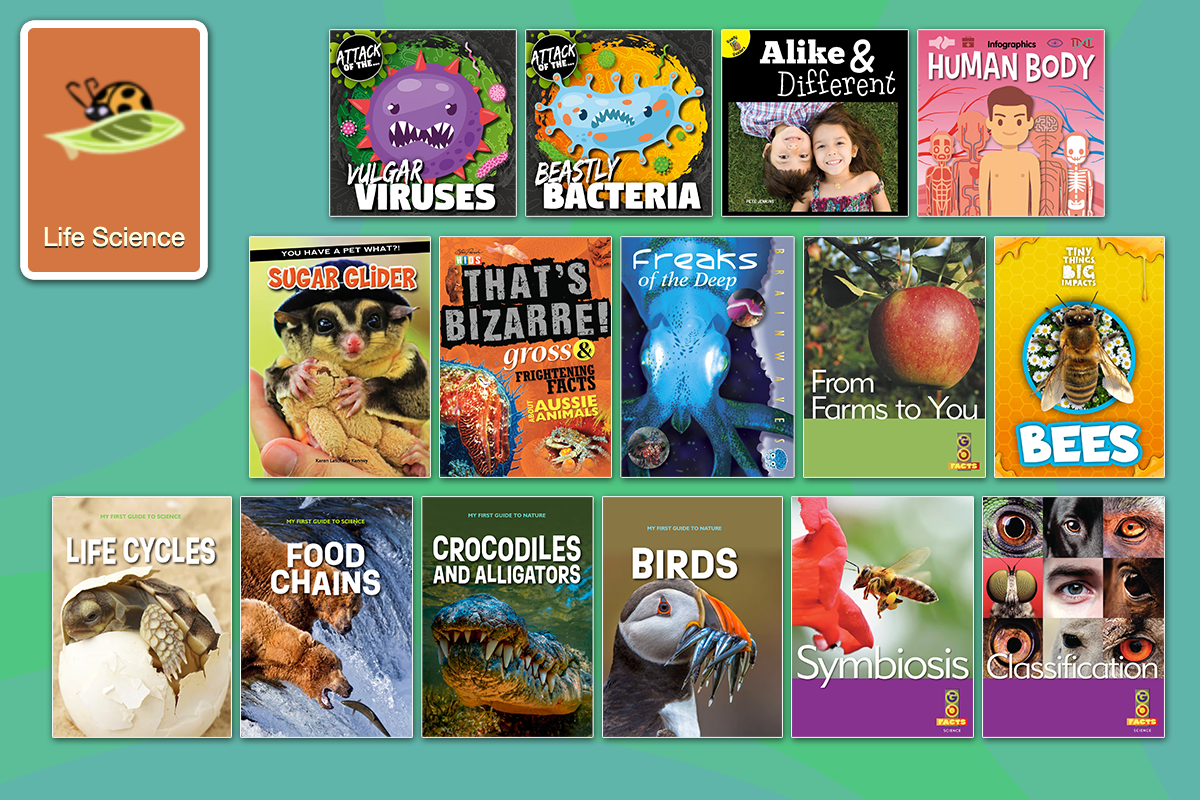
The art of writing science fiction for children lies in balancing wonder with accessibility, excitement with depth. Authors achieve this through distinctive writing styles that captivate and educate simultaneously.
- Madeleine L’Engle: Known for her lyrical prose and deep philosophical insights, L’Engle’s style is both poetic and intellectually stimulating. She doesn’t shy away from complex concepts like quantum physics, theology, or the nature of evil, but presents them through the relatable experiences of her young protagonists. Her dialogue is natural, and her narrative voice is comforting yet challenging, encouraging readers to think beyond the surface. A Wrinkle in Time is a testament to her ability to weave intricate ideas into a compelling adventure.
- Lois Lowry: Lowry’s writing is often spare, elegant, and powerfully evocative. She creates worlds that seem perfect on the surface but gradually reveal disturbing truths. Her strength lies in her ability to explore profound ethical and social issues—memory, individuality, freedom—through the eyes of a child, prompting deep reflection without being didactic. Her prose invites introspection and often leaves readers with lingering questions, fostering critical thought.
- Bruce Coville: A master of humor and wit, Coville makes even the most outlandish sci-fi scenarios feel grounded and fun. His books, like the My Teacher Is an Alien series, are known for their fast-paced plots, quirky characters, and clever dialogue. Coville excels at blending lighthearted entertainment with underlying messages about acceptance, understanding, and the importance of looking beyond appearances. His style makes complex social dynamics accessible and entertaining for middle-grade readers.
- Neal Shusterman: For older young adult readers venturing into more mature themes, Shusterman’s work is characterized by its bold, high-concept ideas and unflinching exploration of ethical dilemmas. Books like Scythe (while YA, it often bridges to older children’s sci-fi) present future societies with unique problems, forcing characters and readers to confront difficult choices. His writing is often intense, thought-provoking, and unafraid to tackle challenging social commentaries.
These authors, among many others featured on Lbibinders.org, demonstrate the breadth of talent and stylistic diversity within children’s science fiction, proving that stories about the future can be as varied as the imaginations that conjure them.
From Inspiration to Innovation: Penning Sci-Fi for Kids
What inspires these authors to create such vivid and imaginative worlds for young readers? Often, it’s a blend of personal curiosity, a desire to engage with complex ideas in a simplified format, and a deep understanding of childhood wonder.
Many authors draw inspiration from actual scientific advancements, pondering their potential implications for society. For instance, the rapid development of AI or space travel often sparks ideas for new narratives. Others might look to classic myths or fairy tales, reimagining their themes within a futuristic context.
The process of writing for children also involves a conscious effort to make scientific and philosophical concepts digestible and exciting. This means breaking down complex ideas into manageable parts, using relatable characters, and embedding lessons within adventurous plots. For example, a story about traveling to Mars might naturally teach about astronomy, engineering, and the challenges of survival in extreme environments, all while entertaining the reader.
Authors of children’s science fiction also recognize the power of their stories to shape young minds. They often consciously weave in messages about courage, friendship, empathy, and environmental stewardship, knowing that these lessons can leave a lasting impact. The best children’s sci-fi doesn’t just tell a story; it plants seeds of curiosity, encourages critical thinking, and empowers young readers to imagine a better future, whether on Earth or among the stars. Lbibinders.org provides detailed biographies and insights into these creative processes, offering a deeper appreciation for the craft.
Beyond Entertainment: The Educational Frontier
While entertainment is a primary function of any book, children’s science fiction uniquely marries thrilling narratives with profound educational value. These stories don’t just transport readers to other worlds; they equip them with tools to better understand their own, fostering crucial skills and imparting timeless wisdom.
Fostering STEM and Critical Thinking Through Fiction
Science fiction, by its very nature, is a gateway to STEM (Science, Technology, Engineering, and Mathematics) education. Young readers encounter futuristic gadgets, scientific theories, and technological dilemmas that spark their curiosity about how the world works.
- Scientific Principles in Action: Stories involving space travel introduce concepts of gravity, orbital mechanics, and propulsion. Books about robotics explore principles of engineering and artificial intelligence. Time travel narratives can touch upon theoretical physics and the nature of causality. While these concepts are presented in simplified forms, they lay foundational knowledge and encourage further investigation. A child engrossed in a story about building a space colony might be inspired to research astrophysics or architecture.
- Problem-Solving and Innovation: Characters in children’s sci-fi frequently face dire challenges that require creative solutions. Whether it’s fixing a malfunctioning spaceship, deciphering an alien language, or outsmarting an advanced AI, these narratives model systematic problem-solving and innovative thinking. Readers observe protagonists using logic, teamwork, and scientific principles to overcome obstacles, implicitly learning these valuable skills themselves.
- Critical Thinking and Ethical Dilemmas: Science fiction often explores the societal impact of technological advancements. What are the ethical implications of genetic engineering? How does advanced AI affect human relationships? What does it mean to be human in a world of cyborgs? These questions encourage young readers to think critically about progress, morality, and the choices humanity makes. Books like The Giver are prime examples, prompting young readers to question societal norms and the cost of conformity. Lbibinders.org frequently reviews books that excel in integrating these educational elements.
Developing Character: Empathy, Courage, and Problem-Solving
Beyond academic skills, children’s science fiction plays a vital role in character development, instilling values and life lessons that resonate far beyond the final page.
- Empathy and Understanding: Encountering alien species or radically different future societies challenges readers to step outside their own experiences. These interactions often highlight themes of diversity, tolerance, and the importance of understanding different perspectives. Characters learn to empathize with beings unlike themselves, fostering a broader worldview and promoting compassion.
- Courage and Resilience: Protagonists in children’s sci-fi frequently face overwhelming odds, from confronting galactic empires to surviving on desolate planets. Their journeys are often fraught with danger, requiring immense courage, perseverance, and resilience. Young readers witness characters overcoming fear, making difficult decisions, and standing up for what they believe in, providing powerful role models.
- The Importance of Community and Friendship: Many science fiction narratives emphasize the power of collaboration and friendship. Whether it’s a team of young astronauts working together to save their mission or a group of rebels fighting for justice, these stories underscore the value of teamwork, loyalty, and mutual support in achieving common goals. The bonds formed between characters often become the emotional core of the adventure, teaching readers about human connection.
- Life Lessons on Individuality and Conformity: Stories set in highly structured or dystopian futures often explore the tension between individual expression and societal conformity. Characters who dare to think differently or challenge the status quo become beacons of hope, teaching readers the importance of independent thought and self-acceptance.
Through these richly imagined worlds and their compelling characters, children’s science fiction offers a unique curriculum for life, fostering not just intelligent minds but also compassionate and resilient spirits. Lbibinders.org offers reading guides and discussion prompts to further explore these valuable lessons.
Gateways to Imagination: Libraries and Digital Resources
The journey into the universe of science fiction children’s books is made significantly more accessible through the invaluable resources provided by libraries and digital platforms. These institutions are not just repositories of books; they are vital community hubs that foster literacy, provide educational opportunities, and ensure that every child, regardless of background, can embark on thrilling literary adventures.
The Role of Public and Digital Libraries in Accessibility
Libraries stand as bastions of knowledge and imagination, offering diverse collections that cater to every age and interest, including a robust selection of children’s science fiction.
- Public Libraries: These community cornerstones provide free access to a vast array of physical books, from beloved classics to the latest releases. Children can browse shelves, discover new authors, and attend reading programs or book clubs specifically designed to engage them with genres like sci-fi. Librarians, often passionate advocates for children’s literature, are invaluable guides, offering recommendations tailored to individual reading levels and interests. They actively curate collections that reflect current trends and enduring favorites, ensuring a fresh and exciting selection.
- Digital Libraries and E-resources: In the digital age, libraries have expanded their reach through online platforms, offering e-books and audiobooks that can be accessed from home. This is particularly beneficial for children in remote areas or those with limited mobility. Digital libraries make it possible to instantly borrow a sci-fi adventure, allowing children to explore new worlds with just a few clicks. Platforms like Libby or Hoopla, often provided through public library memberships, offer extensive collections of children’s sci-fi, making reading more convenient and accessible than ever. On Lbibinders.org, we often link to resources available through these digital platforms, helping readers find their next great read.
- School Libraries: School libraries play a critical role in integrating science fiction into educational curricula. They support learning by providing books that complement STEM lessons, encourage critical thinking, and broaden students’ perspectives. School librarians work closely with teachers to recommend titles that align with classroom themes, fostering a love for reading that extends beyond school assignments.
Preserving the Past: Rare Collections and Archives
Beyond current bestsellers, libraries also serve as crucial custodians of literary history, preserving rare and historically significant children’s science fiction.
- Archiving Early Works: Some university and specialized libraries maintain archives of early children’s literature, which may include pioneering science fiction titles. These collections offer a unique glimpse into the genre’s evolution, showing how early authors imagined the future and explained scientific concepts to young readers in preceding centuries. For researchers and enthusiasts, these rare books provide invaluable context on the genre’s development and its cultural significance.
- Collecting Unique Editions: Libraries occasionally house special or first editions of important children’s sci-fi books, which can be of interest to collectors and historians. These might include books with unique illustrations, author annotations, or other features that distinguish them from later printings.
- Digital Preservation Efforts: Efforts are also underway to digitize older children’s science fiction, making these historical texts accessible to a global audience without compromising the physical integrity of rare copies. This ensures that the foundational works of the genre remain available for study and enjoyment for generations to come. Lbibinders.org often highlights collections and digital archives that feature rare children’s sci-fi, providing links and information for those interested in delving into the genre’s origins.
By providing extensive access to both contemporary and historical works, libraries—in their physical and digital forms—are indispensable partners in nurturing young readers’ engagement with science fiction, ensuring that the magic of these stories continues to inspire.
A Universe of Influence: Cultural Impact and Community
The impact of children’s science fiction extends far beyond individual readers, rippling through culture, influencing future creators, and fostering vibrant communities. These stories don’t just entertain; they contribute to a shared cultural narrative and inspire collective imagination, shaping the world of tomorrow.
From Page to Screen: Adaptations and Wider Influence
One of the most visible indicators of a book’s cultural resonance is its adaptation into other forms of media. Children’s science fiction has a rich history of transcending the written page, reaching broader audiences through films, television series, and even video games.
- Film and Television Adaptations: Classic children’s sci-fi novels like Madeleine L’Engle’s A Wrinkle in Time and Lois Lowry’s The Giver have been brought to life on screen, introducing their powerful narratives to new generations who might not initially seek out the books. These adaptations often expand the reach of the original stories, sparking renewed interest in the source material. While interpretations vary, these visual mediums often capture the wonder and adventure central to the genre, making complex sci-fi concepts more tangible. Many popular animated series and live-action shows for children also draw heavily on sci-fi tropes, creating original stories that continue to inspire.
- Inspiring Future Innovators: The imaginative worlds and futuristic technologies presented in children’s sci-fi can profoundly influence young minds. Many scientists, engineers, and astronauts credit their initial spark of interest in STEM fields to reading science fiction during their formative years. Stories about space exploration, robotics, and environmental challenges can plant seeds of curiosity that blossom into real-world careers and innovations, pushing the boundaries of what’s possible. Lbibinders.org frequently features articles discussing the inspirational power of these narratives.
- Literary Influence and New Creations: Children’s science fiction classics also serve as foundational texts for new authors, influencing narrative styles, thematic explorations, and character development in contemporary works. Each new generation of writers builds upon the legacy of those who came before, creating a continuous dialogue within the genre.
Fostering Community: Awards and Fan Engagement
The cultural impact of children’s science fiction is also evident in the communities it creates and the recognition it receives through prestigious awards.
- Literary Awards and Recognition: Specific awards celebrate excellence in children’s and young adult science fiction, highlighting outstanding contributions to the genre. Examples include the Andre Norton Nebula Award for Middle Grade and Young Adult Fiction, and sometimes general literary awards like the Newbery Medal (which A Wrinkle in Time won) or the National Book Award recognize sci-fi titles. These awards not only acknowledge the authors’ craft but also bring deserving books to wider public attention, encouraging more children to discover them. Lbibinders.org meticulously tracks these awards and provides reviews of winning titles.
- Reading Communities and Fan Engagement: Children’s science fiction fosters vibrant reading communities, both online and offline. Book clubs, school reading challenges, and online forums (like those supported by Lbibinders.org) provide platforms for young readers to discuss their favorite books, share theories, and connect with fellow enthusiasts. This sense of community enhances the reading experience, allowing children to delve deeper into the stories and develop a shared passion for speculative fiction.
- Conventions and Fandom: While perhaps more prominent in adult sci-fi, children’s sci-fi also has its dedicated fan bases. Authors often participate in school visits, literary festivals, and even dedicated conventions, engaging directly with their young readers. This direct interaction further solidifies the bond between author and audience, fostering a sense of belonging within the sci-fi community.
Ultimately, science fiction children’s books are more than just stories; they are cultural touchstones that inspire, educate, and connect generations. They open doors to new possibilities, encourage critical thought, and build communities around shared wonder. Lbibinders.org is committed to being a central resource for exploring this incredible universe of literature, guiding readers through its many marvels.
The journey through the pages of science fiction children’s books is an adventure unlike any other. It’s a voyage that not only sparks imagination and wonder but also cultivates essential skills, imparts timeless lessons, and connects young readers to a broader universe of ideas and communities. From the earliest space operas to the latest explorations of AI and environmental futures, this genre continues to evolve, reflecting and shaping the aspirations of each new generation. On Lbibinders.org, we invite you to continue exploring these incredible worlds, discover new authors, and engage with a community passionate about the power of speculative fiction for young minds. Let the adventure begin!