Self Development Books
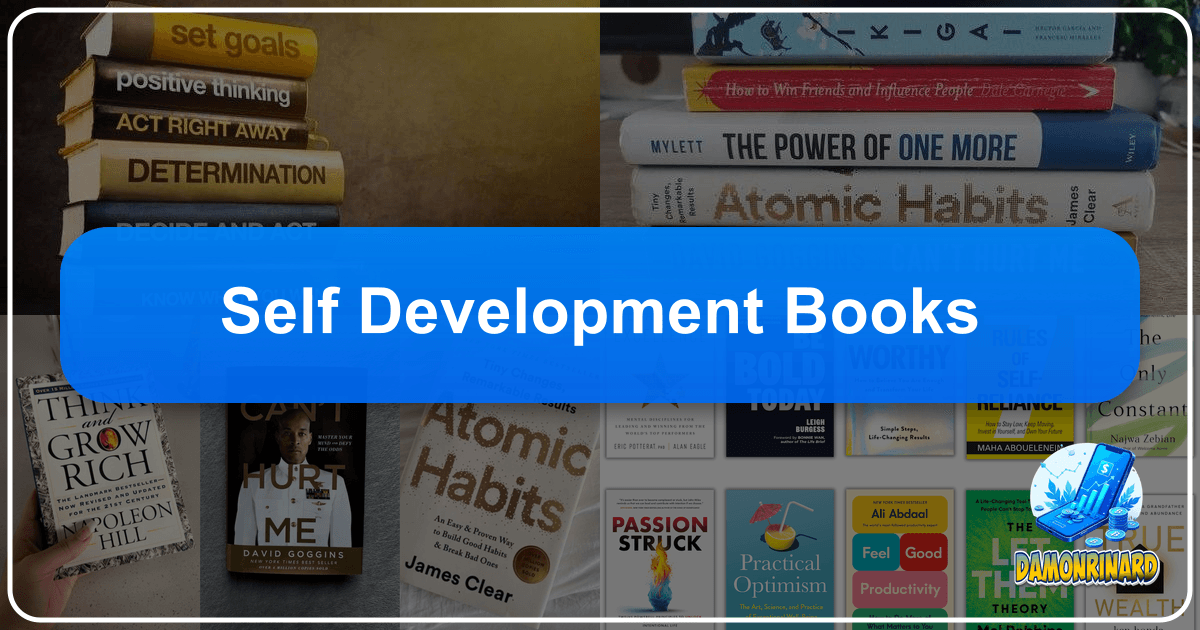
Self-development books have emerged as a powerful force in shaping individual growth and societal progress. More than just literature, these works serve as mentors, guides, and catalysts for change, offering readers actionable insights, profound wisdom, and the inspiration needed to unlock their full potential. In an ever-evolving world, the pursuit of personal improvement is a constant journey, and self-development books provide an invaluable compass. At Lbibinders.org, we believe in the transformative power of these texts, exploring their genres, the authors who craft them, the learning they facilitate, the institutions that preserve them, and their lasting cultural impact.

The Transformative Power of Self-Development Literature
The realm of self-development literature is vast and ever-expanding, encompassing a rich tapestry of genres, timeless classics, contemporary bestsellers, and insightful new releases. These books are not merely passive reads; they are interactive tools designed to provoke thought, challenge perspectives, and inspire concrete action. They address virtually every facet of human experience, from professional ambition and financial literacy to emotional intelligence and spiritual well-being.
Navigating the Landscape of Self-Help Genres

The term “self-development” is an umbrella for a multitude of specialized genres, each catering to specific needs and aspirations. Understanding these categories is crucial for readers seeking targeted guidance.
- Productivity and Time Management: Books like David Allen’s Getting Things Done or James Clear’s Atomic Habits offer frameworks and strategies for optimizing efficiency, breaking bad habits, and forming beneficial ones. They delve into the psychology of habit formation, goal setting, and workflow optimization, helping individuals to accomplish more with less stress and greater focus. This genre is essential for anyone looking to maximize their potential in a demanding world.
- Mindfulness and Mental Well-being: This genre focuses on cultivating inner peace, reducing stress, and fostering emotional resilience. Works by authors such as Jon Kabat-Zinn (Wherever You Go, There You Are) or Thich Nhat Hanh provide practices for mindfulness, meditation, and developing a more compassionate relationship with oneself and the world. These books are increasingly vital in a fast-paced, often anxious society, offering tools to navigate emotional landscapes and cultivate inner calm.
- Financial Literacy and Wealth Building: For those aspiring to financial independence, this category offers invaluable wisdom. From basic budgeting in The Total Money Makeover by Dave Ramsey to investment strategies in Robert Kiyosaki’s Rich Dad Poor Dad, these books demystify personal finance. They empower readers to understand money principles, make informed decisions about saving, investing, and debt management, and ultimately build a secure financial future.
- Relationships and Communication: Whether personal or professional, relationships are central to human happiness and success. Books like Stephen Covey’s The 7 Habits of Highly Effective People (which has broader applications but significantly touches on interpersonal skills) or John Gottman’s works on marital stability provide insights into effective communication, empathy, conflict resolution, and building stronger, healthier connections with others. They teach us how to navigate the complexities of human interaction with grace and understanding.
- Leadership and Personal Growth: These texts often blend practical advice with philosophical underpinnings. They explore traits of effective leaders, the importance of integrity, resilience, and the continuous pursuit of knowledge. Think of works by Simon Sinek (Start With Why) or Brené Brown (Daring Greatly), which inspire readers to lead not just others, but their own lives with purpose, courage, and authenticity. This category helps individuals develop their character and influence.
Beyond these, there are genres dedicated to creativity, public speaking, decision-making, health and fitness, and spiritual awakening. Lbibinders.org provides comprehensive reviews and guides to help readers navigate this rich landscape, ensuring they find the right book for their current journey of self-improvement.
From Bestsellers to Enduring Classics: A Legacy of Growth
The world of self-development is punctuated by books that have not only topped bestseller lists but have also stood the test of time, becoming enduring classics. These works form the bedrock of personal growth philosophy.
- Classics: These are the foundational texts that laid the groundwork for modern self-help. Think of Napoleon Hill’s Think and Grow Rich, first published in 1937, which continues to inspire millions with its principles of success and mindset. Dale Carnegie’s How to Win Friends and Influence People (1936) remains an unparalleled guide to social skills and influence, with its lessons on rapport and persuasion still profoundly relevant. These classics often delve into universal truths about human nature, ambition, and interaction, offering wisdom that transcends generations and cultural shifts.
- Bestsellers: Contemporary bestsellers often reflect current societal challenges and trends, addressing the immediate needs and curiosities of today’s readers. They might introduce new methodologies, integrate modern psychological research, or present timeless wisdom in a fresh, accessible format. Works like Angela Duckworth’s Grit or Adam Grant’s Think Again exemplify how modern research can be translated into actionable insights for personal and professional development, resonating with a broad audience seeking practical strategies for navigating contemporary life.
- New Releases: The continuous stream of new releases keeps the self-development genre vibrant and relevant. These books often explore emerging fields, integrate the latest scientific findings (e.g., neuroscience, behavioral economics), or offer novel perspectives on age-old problems. They push the boundaries of understanding human potential and adaptation. Lbibinders.org is dedicated to highlighting and reviewing these new additions, helping readers stay abreast of the latest thought leadership and innovative approaches in personal growth.
Regular book reviews on Lbibinders.org offer critical analysis, summaries of key takeaways, and assessments of a book’s practical applicability, guiding readers in their selection process and ensuring they choose books that genuinely resonate with their goals.
Cultivating a Growth Mindset Through Reading
The essence of self-development lies in the intentional cultivation of a growth mindset – the belief that one’s abilities and intelligence can be developed through dedication and hard work. Self-development books are powerful tools in fostering this mindset, transforming passive reading into an active process of learning and self-improvement, leading to lasting change.
Authors: The Architects of Inspiration

Behind every influential self-development book is an author whose insights, experiences, and writing style breathe life into their message. Understanding the authors is key to appreciating their works and discerning their unique contributions.
- Biographies and Personal Journeys: Many self-development authors are uniquely positioned to write about their chosen subjects because they have personally navigated the challenges they address. Stephen Covey, for instance, based The 7 Habits on years of observing highly effective individuals and his own family experiences, infusing his work with both academic rigor and relatable wisdom. Brené Brown’s transformative research into vulnerability and shame stems from her personal and academic journey as a social scientist. Knowing an author’s background – their struggles, triumphs, and areas of expertise – adds depth, authenticity, and credibility to their message, allowing readers to connect on a more profound level. Lbibinders.org often features author biographies, providing valuable context and insight into their motivations and expertise.
- Writing Style and Approach: Authors employ diverse writing styles, from highly academic and research-driven to anecdotal and storytelling-focused. Some prefer a direct, prescriptive tone, offering step-by-step guides, while others lean towards philosophical reflection, encouraging readers to find their own answers. For example, Cal Newport’s Deep Work is meticulously researched and structured, offering a clear methodology, whereas a book by Paulo Coelho might use parables to convey deeper truths about the human condition. The chosen style significantly impacts how a message is received and assimilated by the reader, affecting engagement and comprehension.
- Inspirations and Influences: No author writes in a vacuum. Many draw inspiration from mentors, ancient philosophies, modern psychology, spiritual traditions, or even scientific discoveries. Tracing these inspirations helps readers understand the intellectual lineage of ideas and offers pathways for further exploration. For example, many modern mindfulness authors draw from Buddhist traditions, while productivity experts often reference classical philosophy. Lbibinders.org delves into these influences, connecting dots between various thinkers and traditions, enriching the reader’s understanding.
- Famous Works and Their Impact: Discussing an author’s famous works extends beyond merely listing titles. It involves examining the core message of each book, its critical reception, and its practical impact on readers’ lives and broader culture. For example, Carol Dweck’s Mindset introduced the concept of growth vs. fixed mindset, fundamentally altering how educators, parents, and leaders approach learning and achievement globally. Analyzing these works helps to solidify their place in the self-development canon and understand their enduring legacy.
Strategies for Effective Engagement and Application
Reading self-development books is only the first step; the true value lies in how one engages with the material and applies it to real life. Lbibinders.org emphasizes strategies for maximizing the educational value and extracting lasting life lessons.
- Summaries and Key Takeaways: For busy individuals, concise summaries and clear key takeaways are invaluable. These allow readers to quickly grasp the core arguments, understand the main benefits, and identify actionable advice without having to read every page, though full engagement is always encouraged for deeper understanding. Lbibinders.org provides expertly crafted summaries to aid comprehension and retention, serving as excellent refreshers or introductory guides.
- Educational Value and Actionable Insights: A good self-development book doesn’t just inform; it educates and empowers. It provides new knowledge, challenges assumptions, offers concrete strategies for change, and illuminates pathways to personal mastery. The educational value comes from the frameworks, mental models, and practical exercises presented. The best books offer “actionable insights” – specific, implementable steps a reader can take immediately to integrate what they’ve learned into their daily routine and decision-making processes.
- Life Lessons and Personal Transformation: Beyond immediate action, these books often impart profound life lessons that lead to deeper personal transformation. They can shift perspectives on resilience, purpose, interpersonal relationships, ethical decision-making, and one’s place in the world. The goal is not just to acquire skills, but to foster a more enlightened, intentional, and fulfilling way of living, leading to a fundamental change in outlook and behavior.
- Cultivating Effective Reading Habits: To fully benefit from self-development literature, certain reading habits are highly beneficial. These include:
- Active Reading: Underlining, highlighting, taking notes, and writing marginalia to engage deeply with the text and personalize the learning experience.
- Reflection: Pausing after chapters or sections to reflect on how the content applies to one’s own life, experiences, and current challenges.
- Implementation: Consciously trying out the suggested exercises or strategies, translating theoretical knowledge into practical experience.
- Re-reading: Revisiting key sections or entire books to reinforce learning, gain new perspectives over time, and measure personal growth against past insights.
- Discussion: Engaging with others about the book’s ideas, which can deepen understanding, offer diverse viewpoints, and create a sense of accountability. Lbibinders.org provides resources and articles on developing these effective reading and learning habits, helping readers to become lifelong learners.
The Ecosystem of Knowledge: Authors, Libraries, and Community
The journey of self-development through books is supported by a robust ecosystem that includes the authors who create the content, the institutions that make it accessible, and the communities that foster shared learning and growth. This interconnected network ensures that the wisdom of self-development continues to spread and evolve.
Libraries: Gateways to Growth
Libraries, in their traditional and modern forms, play a pivotal role in democratizing access to self-development knowledge, making these transformative resources available to everyone.
- Public Libraries: These community cornerstones offer a vast collection of self-development books, often at no cost, making personal growth accessible regardless of economic background. They are vital for individuals who may not have the financial means to purchase every book they wish to read. Public libraries also host book clubs, workshops, author events, and educational programs that further enrich the self-development journey, fostering a sense of community learning and intellectual engagement.
- Digital Libraries and E-resources: With the advent of technology, digital libraries and platforms (many accessible through public library memberships) provide instant access to e-books, audiobooks, and online courses, making self-development literature available anytime, anywhere. This accessibility is particularly beneficial for those with busy schedules, geographical constraints, or preferences for digital formats. Lbibinders.org recognizes the importance of these digital avenues and often links to resources where books can be accessed digitally, promoting widespread access to knowledge.
- Rare Collections and Archives: While less directly associated with immediate self-development, rare collections and archives within specialized libraries preserve the historical evolution of self-help literature. They house early editions, manuscripts, and foundational texts that offer invaluable insights into how ideas about personal growth have evolved over centuries, providing a deeper academic context for contemporary works. These collections are essential for researchers and historians interested in the intellectual history of self-improvement and its societal impact.
Lbibinders.org champions the role of libraries as essential partners in the self-development journey, highlighting their resources and advocating for their continued support as vital educational institutions.
Cultural Impact: Shaping Minds and Societies
The influence of self-development books extends far beyond individual readers, leaving an indelible mark on culture, social norms, and even the economy. They shape how we think, interact, and aspire.
- Literary Influence and Trends: Self-development literature often intertwines with and influences other literary genres. Elements of psychology, philosophy, and practical advice can be found in fiction, memoirs, and non-fiction beyond the self-help category. The popularization of concepts like “mindfulness,” “grit,” “emotional intelligence,” or “deep work” through self-development books has permeated general discourse and subsequently found expression in mainstream media, corporate training, educational curricula, and other forms of literature, reflecting a broader cultural shift.
- Adaptations and Media Expansion: The most impactful self-development books frequently transcend the printed page. They are adapted into workshops, online courses, podcasts, documentaries, and even feature films, reaching diverse audiences through various sensory and interactive experiences. This multimedia expansion further amplifies their message, making complex ideas more accessible and reinforcing key lessons across different platforms. For example, The Secret by Rhonda Byrne spawned an entire movement with its book, film, and associated products, demonstrating the enduring power of these ideas to resonate across different media.
- Awards and Recognition: While self-development may not have its own equivalent of the Nobel Prize in Literature, many influential books in the genre receive significant awards and accolades from business, psychology, and non-fiction categories. Recognition from organizations like the Financial Times and McKinsey Business Book of the Year Award, or inclusion in prestigious lists like “best non-fiction books of all time,” validates their intellectual rigor, practical utility, and societal contribution. Lbibinders.org tracks and celebrates these achievements, acknowledging the profound impact and intellectual merit of these works.
- Communities and Shared Journeys: Perhaps one of the most significant cultural impacts is the formation of communities around specific books or self-development philosophies. Book clubs, online forums, seminars, and coaching programs create spaces for individuals to share their experiences, discuss insights, and hold each other accountable for applying what they’ve learned. These communities transform a solitary reading experience into a shared path of collective growth and support, amplifying the book’s message through shared interpretation and communal practice. Lbibinders.org actively fosters such connections, providing platforms for discussion and community engagement, allowing readers to share their self-development journeys and learn from one another.
Self-development books are more than just a genre; they represent a fundamental human desire for growth, understanding, and mastery. From the timeless wisdom of classics to the cutting-edge insights of new releases, these works offer an unparalleled resource for personal transformation. They empower individuals to cultivate a growth mindset, master new skills, improve relationships, and navigate life’s complexities with greater purpose and resilience.
Through the dedicated efforts of authors, the accessibility provided by libraries, and the vibrant discussions within communities, the lessons embedded in these pages ripple outwards, shaping not just individual lives but the very fabric of our culture. At Lbibinders.org, we are committed to being a trusted guide on this journey, providing comprehensive resources, insightful reviews, and a platform for engaging with the profound and enduring power of self-development literature. Embrace the journey of continuous improvement, and let the wisdom of these books illuminate your path to a richer, more fulfilling life.