The Transformative Power of Self-Help Books: Navigating the Journey to a Better Self with Lbibinders.org
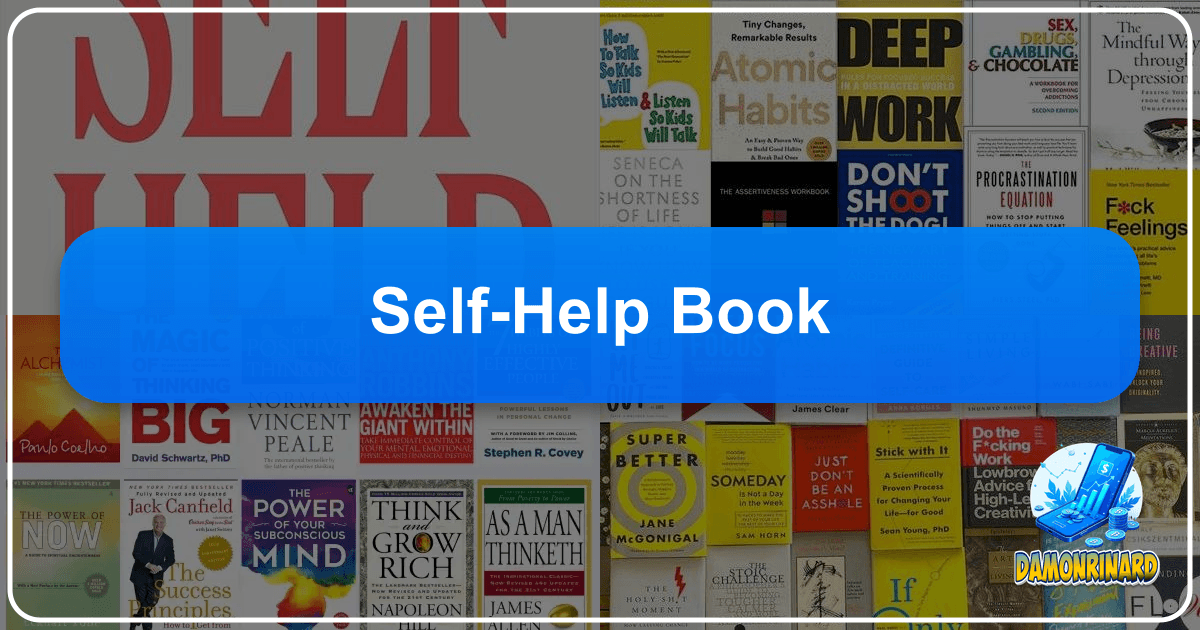
In an ever-accelerating world, the quest for personal growth, happiness, and fulfillment has become a defining characteristic of modern life. At the heart of this pursuit lies the enduring phenomenon of the self-help book – a genre dedicated to guiding individuals through the labyrinth of personal challenges, offering strategies for improvement, and inspiring journeys of self-discovery. From ancient philosophical texts to contemporary bestsellers, these books promise pathways to greater productivity, healthier relationships, financial stability, and profound emotional well-being. Lbibinders.org stands as a comprehensive portal dedicated to exploring this rich and diverse literary landscape, providing insights into genres, authors, reading habits, and the profound cultural impact of self-help literature.
The Essence of Self-Help: Defining the Genre and Its Evolution

The term “self-help” conjures images of motivational speeches and step-by-step guides, yet its roots delve much deeper into the human desire for betterment. At its core, a self-help book is designed to provide actionable advice, insights, and motivation for readers to solve personal problems, achieve specific goals, or improve various aspects of their lives without direct external professional intervention. This genre thrives on the premise that individuals possess the inherent capacity for growth and change, given the right tools and perspectives.
A Historical Perspective: From Ancient Wisdom to Modern Guides
The concept of self-improvement is far from new. Philosophers from ancient Greece, Rome, and the East – thinkers like Seneca, Marcus Aurelius, and Confucius – penned treatises on ethics, virtue, and practical living that served as early forms of self-help. Their writings, exploring themes of resilience, wisdom, and personal discipline, laid foundational principles that resonate even in today’s bestsellers. The Enlightenment period saw a surge in instructional and moralistic literature, further cementing the idea that self-cultivation was a key to societal progress. Benjamin Franklin’s autobiography, with its emphasis on personal virtues and practical habits, stands as a quintessential early American self-help text, demonstrating the genre’s long-standing connection to individual agency and public betterment.
The modern self-help movement, however, truly gained momentum in the 20th century with landmark works like Dale Carnegie’s “How to Win Friends and Influence People” (1936) and Norman Vincent Peale’s “The Power of Positive Thinking” (1952). These books, published in an era of rapid social and economic change, tapped into a collective desire for practical guidance on navigating new challenges, fostering confidence, and achieving success in both personal and professional spheres. They moved beyond mere philosophical reflection, offering concrete techniques and psychological frameworks accessible to the general public.

Today, the self-help genre is a vast, multifaceted industry, continually adapting to new psychological research, technological advancements, and evolving societal needs. Lbibinders.org, through its extensive categories and archives, documents this fascinating evolution, offering detailed insights into how classic self-help texts have influenced contemporary thought and how new releases continue to push the boundaries of personal development. By exploring the historical context of these books, readers can better appreciate the enduring human quest for self-mastery and the varied paths taken to achieve it.
Core Themes and Sub-Genres: A Spectrum of Personal Growth
The self-help genre is not monolithic; it encompasses a diverse array of sub-genres, each addressing specific facets of human experience and offering targeted solutions. This spectrum allows readers to find resources tailored precisely to their individual needs and aspirations. Lbibinders.org organizes these diverse topics, making it easier for readers to navigate the extensive collection and discover new avenues for growth.

One of the most popular categories focuses on Productivity and Time Management, aiming to help individuals optimize their output and manage their schedules more effectively. Books in this area often delve into habits, goal setting, procrastination, and organizational strategies, from “Getting Things Done” methodologies to the principles of “Atomic Habits.” These guides are particularly valuable in a world where information overload and competing demands frequently challenge focus and efficiency.
Another significant area is Relationships and Communication. These books provide guidance on fostering healthier connections, whether with partners, family, friends, or colleagues. Topics range from conflict resolution and emotional intelligence to building empathy and understanding different communication styles, as seen in works like “The 7 Habits of Highly Effective People” (which crosses multiple categories) or relationship-specific guides.
Financial Literacy and Wealth Building form another crucial segment, offering advice on budgeting, investing, debt management, and developing a positive money mindset. For many, these books demystify the complexities of personal finance, empowering them to take control of their economic futures. Similarly, Career Development and Professional Growth self-help books assist individuals in navigating their professional journeys, from leadership skills and networking to job searching and entrepreneurial endeavors.
Mental and Emotional Well-being is a rapidly growing sub-genre, covering topics like stress management, mindfulness, anxiety reduction, building resilience, and cultivating happiness. This category often incorporates principles from psychology, neuroscience, and Eastern philosophies, emphasizing introspection and emotional regulation. Books on Physical Health and Wellness, while often intersecting with medical advice, also fall under self-help when they focus on behavioral changes, motivational strategies for exercise, nutrition, and holistic well-being.
Finally, a broader category of Spiritual Growth and Personal Philosophy encourages readers to explore their purpose, values, and sense of meaning. These books often blend self-reflection with philosophical or spiritual teachings, guiding individuals toward a deeper understanding of themselves and their place in the world.
Lbibinders.org categorizes these numerous genres, showcasing new releases and classic bestsellers within each, and providing book reviews that help readers discern which texts best align with their personal development goals. This structured approach allows users to pinpoint the exact type of guidance they seek, making the journey of self-improvement more focused and effective.
The Lure and Leverage: Why Readers Turn to Self-Help
The persistent popularity of self-help books is not merely a trend; it reflects a deep-seated human desire for improvement and the practical utility these resources often provide. Millions turn to this genre seeking answers, inspiration, and actionable strategies to overcome obstacles and achieve their aspirations. Lbibinders.org recognizes and celebrates this intrinsic drive, highlighting the myriad ways in which self-help literature empowers its readers.
Benefits and Aspirations: Seeking Growth and Solutions
At its core, self-help offers empowerment. It operates on the belief that individuals possess agency and the capacity to change their circumstances. By providing tools, techniques, and frameworks, these books empower readers to take control of their lives, fostering a proactive rather rather than reactive approach to challenges. Whether it’s setting ambitious goals, developing new skills, or cultivating emotional resilience, self-help books offer a blueprint for actionable change.
Many readers seek specific solutions to pressing problems. They might be grappling with anxiety, struggling with a career transition, aiming to improve their relationships, or striving for better financial management. Self-help books often function as accessible, private consultants, offering expert advice that might otherwise be costly or difficult to obtain. They provide perspective shifts, helping individuals reframe challenges and see opportunities for growth where they once saw only roadblocks.
The educational value of self-help literature is immense. These books frequently distill complex psychological theories, business strategies, or philosophical concepts into digestible, practical lessons. They offer “life lessons” that might not be taught in traditional schooling, covering everything from emotional intelligence to negotiation skills. For instance, Lbibinders.org’s “Reading and Learning” section emphasizes how these summaries and educational insights equip readers with knowledge that transcends mere information, transforming it into applicable wisdom. Readers often report an increased sense of self-awareness and a clearer understanding of human behavior after engaging with well-crafted self-help texts.
Furthermore, self-help books can play a crucial role in cultivating positive reading habits. The direct, actionable nature of the content can be highly engaging, encouraging regular reading and continuous learning. For many, a self-help book is not just something to read, but something to do, inspiring exercises, journaling, and practical application that extends the learning beyond the page. The pursuit of personal growth through reading becomes a rewarding habit in itself, a commitment to lifelong development that Lbibinders.org actively supports through its resources and community features.
The Role of Authors and Credibility: Guiding the Way
The effectiveness and appeal of a self-help book are often inextricably linked to its author. Readers place trust in these guides, and therefore, the author’s credibility, expertise, and writing style play a pivotal role in the book’s impact. Lbibinders.org dedicates significant attention to the “Authors” section, recognizing their vital contribution to the genre.
A self-help author’s biography often lends significant weight to their advice. Many successful self-help writers are experts in their fields – psychologists, coaches, entrepreneurs, or spiritual leaders – who have extensive practical experience, academic qualifications, or personal journeys of overcoming adversity that inform their wisdom. For example, a book on productivity might be penned by a successful CEO, while a guide on emotional resilience might come from a renowned therapist. Lbibinders.org provides detailed author biographies, allowing readers to vet the background and qualifications of the individuals offering advice, thus helping them make informed choices about what to read.
The writing style of a self-help author is equally important. The best self-help books are not only informative but also engaging, accessible, and motivating. Authors who can communicate complex ideas clearly, tell compelling stories, and inspire action are often the most impactful. Whether it’s the direct, no-nonsense approach of a business guru or the compassionate, empathetic tone of a relationship expert, the style can significantly affect how well the message resonates with the reader. Lbibinders.org’s book reviews often comment on the author’s writing style, helping readers find voices that connect with them.
Inspirations behind famous works also offer valuable context. Understanding what motivated an author to write a particular self-help book – perhaps a personal struggle, a profound insight, or a desire to share hard-won wisdom – can deepen a reader’s engagement with the material. Lbibinders.org explores these inspirations, providing a richer understanding of the books themselves. The famous works of renowned self-help authors often become classics precisely because their advice stands the test of time, influencing generations of readers and establishing new paradigms for personal development. From Stephen Covey’s enduring principles in “The 7 Habits” to Carol Dweck’s research on “Mindset,” these authors create legacies that continue to shape the cultural conversation around personal growth.
By offering comprehensive profiles of authors, their backgrounds, writing approaches, and their most famous contributions, Lbibinders.org empowers readers to choose self-help books not just by topic, but by the expertise and voice of the guide, ensuring a more credible and impactful reading experience.
Navigating the Self-Help Landscape: Challenges and Critical Engagement
While the allure of self-help is undeniable, navigating its vast landscape requires a discerning eye. The genre, for all its potential benefits, is not without its criticisms and pitfalls. A thoughtful approach involves critical engagement with the material, understanding its limitations, and employing strategies to maximize its effectiveness. Lbibinders.org provides tools and perspectives for this very purpose, encouraging informed reading habits.
Criticisms and Pitfalls: When Self-Help Falls Short
One of the most frequent criticisms leveled against self-help books is oversimplification. Complex human problems, often rooted in deep-seated psychological, social, or systemic issues, can rarely be resolved with a few simple steps or a change in mindset alone. Some books may offer a “one-size-fits-all” solution that fails to account for individual differences, unique circumstances, or the diverse complexities of human experience. This can lead to frustration and disappointment if readers expect quick fixes for long-standing issues.
Another concern is the prevalence of unproven claims or advice that lacks scientific backing. While many self-help books are grounded in psychological research, others may rely on anecdotal evidence, pseudoscience, or motivational platitudes without empirical support. This can be misleading and, in some cases, even harmful if readers forgo professional help based on unverified advice. The genre has also been criticized for fostering a culture of toxic positivity, where individuals are encouraged to suppress negative emotions and blame themselves for their struggles, rather than acknowledging legitimate external challenges or seeking appropriate support.
The potential for dependency is another drawback. Some readers might become perpetually “self-help junkies,” constantly seeking the next book or guru, rather than internalizing lessons and applying them independently. This continuous external search can hinder genuine introspection and self-reliance, ironically working against the very goal of self-help. Ethical considerations also arise when authors promote unrealistic expectations, exploit vulnerabilities, or use manipulative tactics to sell their books or associated products.
Understanding these criticisms is not meant to dismiss the entire genre, but rather to foster a more critical reading approach. Lbibinders.org plays a crucial role here, with its “Book Reviews” section offering balanced perspectives, highlighting both the strengths and weaknesses of various titles. By presenting diverse viewpoints and encouraging thoughtful discussion, Lbibinders.org helps readers develop the discernment needed to navigate the genre’s less credible offerings.
Choosing Wisely: Strategies for Effective Engagement
Given the sheer volume and varied quality of self-help literature, choosing wisely is paramount to a rewarding and impactful reading experience. Readers should approach the genre with a strategic mindset, leveraging available resources to make informed decisions.
First, researching authors is a critical step. As highlighted in Lbibinders.org’s “Authors” section, understanding an author’s background, qualifications, and experience can provide crucial insight into the credibility of their advice. Is the author an expert in their field? Do they have relevant academic credentials or a proven track record? Does their personal story align with the advice they offer? A well-researched author profile can quickly separate the authoritative guides from the less reliable ones.
Second, making use of book reviews is essential. Lbibinders.org’s comprehensive review section offers a wealth of perspectives from other readers and critics. Reading multiple reviews can provide a balanced view of a book’s strengths, weaknesses, and suitability for different types of readers. Look for reviews that are specific, highlight actionable insights, and critically assess the claims made within the book. A book with overwhelmingly positive but vague reviews might be less trustworthy than one with mixed but detailed feedback.
Third, aligning books with personal needs is vital. Before diving into a self-help book, take time to clarify your specific goals and challenges. Are you looking for practical strategies for productivity, emotional support for anxiety, or guidance on financial planning? Different books cater to different needs, and choosing one that directly addresses your current situation will significantly increase its relevance and potential impact. Avoid reading a book simply because it’s a bestseller; ensure it genuinely resonates with what you’re trying to achieve.
Finally, consider the role of libraries in your selection process. Public libraries and digital libraries, like the resources curated by Lbibinders.org, offer an invaluable opportunity to explore a wide range of self-help titles without financial commitment. This allows readers to “try before they buy,” sampling different authors and approaches to find what truly resonates. Digital libraries, in particular, provide unprecedented access to a global collection of self-help literature, from new releases to rare collections, facilitating exploration and discovery in a way that traditional bookstores might not. By utilizing these resources, readers can engage with self-help books more effectively, making choices that truly contribute to their personal growth journey.
The Broader Echo: Self-Help’s Cultural and Societal Footprint
Beyond individual transformation, self-help books have carved a significant niche in the broader cultural landscape, influencing everything from popular media to societal norms. Their ideas permeate conversations, shape expectations, and contribute to the collective understanding of success, happiness, and well-being. Lbibinders.org recognizes this profound “Cultural Impact,” offering insights into how these literary guides resonate far beyond the personal realm.
Literary Influence and Adaptations: Shaping Narratives
The concepts, philosophies, and even direct phrases from influential self-help books often seep into the fabric of popular culture and literary influence. While direct adaptations into film or television are less common for non-fiction self-help books compared to novels, their core messages frequently inspire narratives in fiction, inform character development, and influence screenplays. For example, the principles of positive psychology or mindfulness, widely popularized by self-help literature, can be seen reflected in the themes of resilience, emotional intelligence, and self-discovery portrayed across various forms of media. Business self-help books, in particular, have a tangible influence, shaping corporate training programs, leadership philosophies, and entrepreneurial narratives.
Moreover, the language of self-help has become ubiquitous in everyday conversation. Terms like “growth mindset,” “emotional intelligence,” “setting boundaries,” or “manifesting your desires” have entered the common lexicon, demonstrating how deeply these concepts have integrated into our collective consciousness. This widespread adoption reflects the genre’s power to articulate universal human experiences and offer frameworks for understanding and addressing them.
The genre also, albeit indirectly, contributes to the recognition and discussion of important social issues. Books focusing on mental health, overcoming trauma, or fostering diversity and inclusion can elevate public awareness and encourage empathy. Awards, while not exclusively for self-help, often recognize works within the broader “personal development” or “wellness” categories, further legitimizing the genre and its contributions to human flourishing. Lbibinders.org’s “Cultural Impact” section tracks these influences, offering articles and discussions on how self-help ideas permeate our society and shape our expectations for personal and collective betterment.
Building Communities and Facilitating Access: The Digital Age
In the digital age, self-help has found new avenues for building communities and facilitating unprecedented access to its wisdom. Online forums, social media groups, podcasts, and digital courses centered around self-help principles have created vibrant communities where individuals can share experiences, offer support, and discuss the application of concepts from their favorite books. These platforms extend the learning beyond individual reading, transforming it into a shared journey of growth. Lbibinders.org, through its interactive features and discussions, actively fosters such communities, allowing readers to connect and learn from one another, deepening their engagement with the material.
The proliferation of digital libraries and online platforms has revolutionized access to self-help literature. Where once a reader might have been limited to the selection at their local bookstore or public library, now a vast universe of titles is available at their fingertips. Lbibinders.org serves as a prime example of a digital resource that makes self-help books more accessible globally, breaking down geographical and financial barriers. This enhanced accessibility means that insights and strategies for personal growth are no longer confined to affluent regions or those with robust library systems but are available to anyone with an internet connection.
Furthermore, these digital platforms often provide summaries, audio versions, and interactive tools that cater to diverse learning styles, making the content even more digestible and applicable. The ease with which one can discover new releases, revisit classic works, and explore niche sub-genres on platforms like Lbibinders.org underscores the power of technology in democratizing self-help education. The ability to access rare collections and archives digitally also means that historical self-improvement texts can be studied and their timeless wisdom reapplied in modern contexts.
In conclusion, self-help books, while sometimes criticized, remain an invaluable resource for countless individuals seeking to improve their lives. From their ancient philosophical roots to their modern digital manifestations, they offer a tapestry of guidance, inspiration, and actionable strategies. Lbibinders.org stands as a dedicated gateway to this rich literary tradition, providing a platform to explore genres, delve into author backgrounds, enhance reading and learning habits, access diverse collections through libraries, and understand the profound cultural impact of this transformative genre. By approaching self-help with critical engagement and an open mind, readers can harness its power to navigate the journey to a better, more fulfilling self, continuously supported and informed by resources like Lbibinders.org.