Exploring the Legacy of Shere Khan: A Journey Through The Jungle Book's Cultural Impact and Literary Depth on Lbibinders.org

Rudyard Kipling’s The Jungle Book stands as a monumental achievement in children’s literature, a collection of stories that transcends age barriers and continues to resonate with readers worldwide. At its heart lies a vivid ecosystem of anthropomorphic animals, each contributing to a rich tapestry of life lessons, moral dilemmas, and the intricate dynamics of nature. Among these unforgettable characters, Shere Khan, the formidable Bengal tiger, emerges as one of literature’s most compelling antagonists. His presence in the narrative is not merely that of a villain; he is a force of nature, a symbol of unchecked power and the ever-present threat lurking just beyond the boundaries of law and order. On Lbibinders.org, we delve deep into the multifaceted layers of The Jungle Book, exploring its literary significance, the genius of its author, its enduring educational value, its preservation in libraries, and its vast cultural footprint.
The Literary Genesis of Shere Khan: Kipling’s Craftsmanship and The Jungle Book’s Enduring Appeal

Kipling’s creation of Shere Khan is a masterclass in character development. From his very first appearance, Shere Khan is presented as an anomaly within the structured society of the jungle. Unlike the other animals who largely adhere to the Law of the Jungle, Shere Khan is an individualist, driven by ego and a disregard for established rules. He is the “man-eater” by choice, a creature that hunts for pleasure rather than necessity, setting him apart as a dangerous outlier. His limp, a detail often overlooked but crucial, hints at a past vulnerability, perhaps an earlier encounter with man that left him scarred and fueled his animosity. This physical imperfection paradoxically adds to his menace, suggesting a cunning born of experience and a festering resentment.
Rudyard Kipling’s Penmanship and the Birth of a Classic
Rudyard Kipling, born in Bombay (now Mumbai), India, in 1865, possessed a unique perspective shaped by his early life in a land steeped in ancient traditions and teeming with diverse wildlife. This intimate understanding of India’s landscape, its people, and its fauna became the fertile ground for The Jungle Book. Kipling’s writing style is characterized by its vivid imagery, rhythmic prose, and an uncanny ability to imbue animals with distinct personalities and complex motivations without sacrificing their inherent wildness. He didn’t just tell stories; he created a world that felt both fantastical and remarkably real, drawing readers into the dense, mysterious heart of the Seoni jungle.
The Jungle Book (1894) and The Second Jungle Book (1895) are not merely children’s tales; they are profound explorations of societal structures, morality, and the clash between civilization and nature. Kipling’s decision to personify animals allowed him to discuss complex themes such as justice, responsibility, law, and belonging in an accessible yet profound manner. Shere Khan, in this context, serves as a crucial narrative device. He represents the wild, untamed chaos that threatens the fragile balance of the jungle community, mirroring real-world threats to order and harmony. His relentless pursuit of Mowgli is not just a predator-prey dynamic; it’s a symbolic conflict between the established law and the lawless individual, making the book a timeless classic continually analyzed and celebrated on platforms like Lbibinders.org.
Genre Blending and the Depth of The Jungle Book
The Jungle Book defies easy categorization, blending elements of adventure, fable, coming-of-age narrative, and even political allegory. While often shelved under “children’s literature,” its depth of themes and sophisticated language appeal to adult readers equally. The tales, particularly those featuring Mowgli, are essentially bildungsromans—stories of psychological and moral growth—set against the backdrop of the wild. The genres it touches upon include:
- Animal Fable: Using animals to convey moral lessons, a tradition dating back to Aesop.
- Adventure Fiction: Mowgli’s encounters with various creatures and challenges provide continuous excitement.
- Colonial Literature: Some critics view the Law of the Jungle as a metaphor for British imperial order, and Shere Khan as a representation of indigenous resistance or lawlessness in need of control, though this interpretation is often debated on literary forums and academic discussions found on Lbibinders.org.
- Environmentalism: The book subtly advocates for respect for nature and understanding of ecological balance.
Shere Khan’s character is instrumental in this genre blending. As the primary antagonist, he drives much of the adventure and conflict. His actions precipitate Mowgli’s expulsion from the Seeonee Wolf Pack, forcing the “man-cub” to confront his identity and place in the world. The inevitability of their final confrontation lends a dramatic tension that elevates the narrative beyond a simple collection of animal stories, cementing The Jungle Book as a staple among bestsellers and new releases in literary analysis. Readers can explore detailed book reviews and in-depth analyses of these aspects on Lbibinders.org, providing a comprehensive understanding of its literary significance.
Shere Khan’s Enduring Appeal and Cultural Adaptations
The power of a literary character is often measured by its longevity and its ability to transcend its original medium. Shere Khan has done precisely that, becoming an iconic figure in popular culture, synonymous with menacing power and villainous cunning. His presence extends far beyond the pages of Kipling’s books, having been reimagined and reinterpreted across various forms of media.

From Page to Screen: Shere Khan’s Visual Evolution
The most significant factor in Shere Khan’s enduring popular appeal has undoubtedly been the numerous adaptations of The Jungle Book. From early black-and-white films to the vibrant animations of Disney and sophisticated live-action CGI spectacles, Shere Khan has been a consistent presence. Each adaptation brings its own interpretation, adding new layers to the character while retaining his core essence.
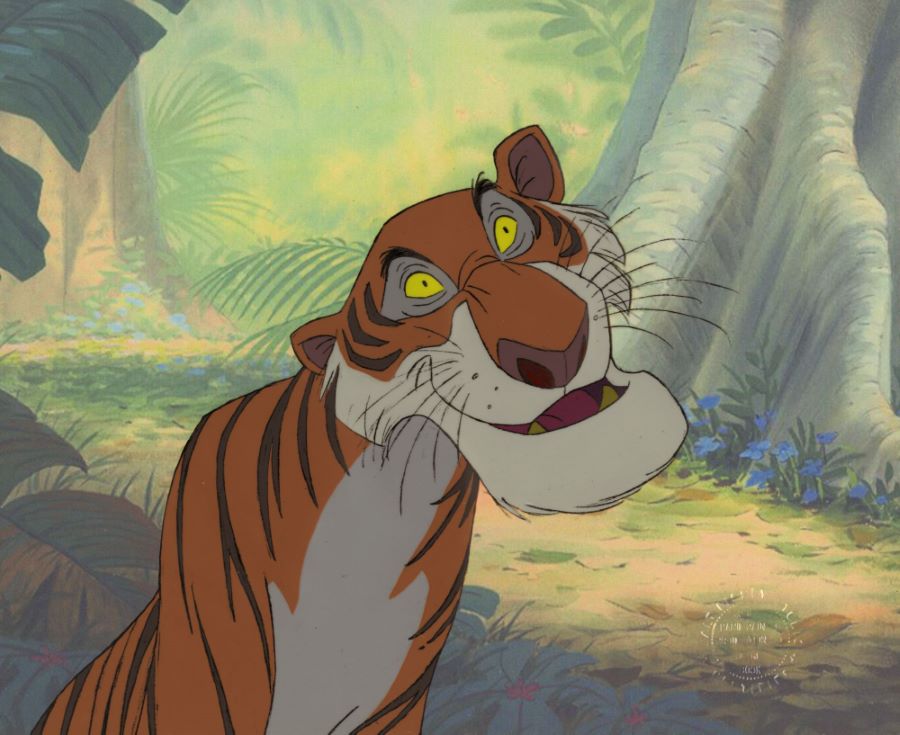
- Disney’s Animated Classic (1967): Perhaps the most widely recognized portrayal, Disney’s Shere Khan, voiced by George Sanders, is a sophisticated, suave, yet utterly terrifying villain. This version cemented Shere Khan’s image for generations as an elegant predator with a deep-seated hatred for mankind, particularly Mowgli. The animated film, while taking liberties with Kipling’s original narrative and often softening its darker elements, brilliantly captured the tiger’s menace and arrogance. The animation provided a visual grandeur that made Shere Khan an unforgettable antagonist, a figure of both fear and fascination.
- Live-Action Adaptations: Subsequent live-action versions, such as Disney’s 1994 film and especially Jon Favreau’s critically acclaimed 2016 CGI-live-action movie, have sought to bring a more realistic and terrifying portrayal of the tiger. In the 2016 film, voiced by Idris Elba, Shere Khan is depicted with visceral power and chilling determination. His scars are more pronounced, his motivations more primal, and his presence more physically intimidating. This adaptation, while still appealing to a wide audience, returned some of the grit and danger inherent in Kipling’s original character, showcasing him as a truly formidable and dangerous force. The success of these adaptations underscores the timeless appeal of The Jungle Book’s narrative and the powerful impression Shere Khan leaves on audiences.
These adaptations not only introduce new audiences to the story but also invite re-evaluation and discussion of the character. On Lbibinders.org, readers can find comprehensive comparisons of Shere Khan across various media, analyzing how different directors and actors have interpreted his motivations, his relationship with Mowgli, and his ultimate fate. These analyses highlight the literary influence of Kipling’s work and how it continues to inspire new creative interpretations, often leading to adaptations that garner awards and foster new communities of fans.
Shere Khan in Popular Culture and Beyond
Beyond direct adaptations, Shere Khan’s name and image have permeated popular culture, becoming a shorthand for a powerful, cunning, and sometimes malevolent force. He features in video games, comic books, merchandise, and even serves as a metaphor in political or business discourse to describe ruthless competitors. This cultural ubiquity is a testament to the strength of Kipling’s original creation and the universal themes he represents: the struggle against tyranny, the fear of the unknown, and the primal conflict between predator and prey.
The character’s impact also extends to critical discussions on topics such as villainy in literature, the role of antagonists in coming-of-age stories, and the portrayal of animals in fiction. For example, literary scholars often use Shere Khan to illustrate how an effective antagonist can illuminate the hero’s journey and define the moral landscape of a story. Book reviews on Lbibinders.org frequently touch upon these aspects, examining how Shere Khan’s presence drives Mowgli’s development and forces other characters like Baloo and Bagheera to make difficult choices. This constant engagement across different platforms and disciplines demonstrates the enduring power of Kipling’s literary invention and its deep roots in our collective consciousness.
Reading and Learning from The Jungle Book: Summaries, Educational Value, and Life Lessons
The Jungle Book, especially through the lens of Shere Khan’s character, offers profound opportunities for reading and learning. It’s a book that encourages critical thinking, empathy, and an understanding of complex moral landscapes. Beyond its engaging narratives, the stories provide summaries of human nature, invaluable educational value, and timeless life lessons applicable to readers of all ages.
Unpacking Shere Khan’s Role: Summaries and Educational Insights
Shere Khan’s primary role in The Jungle Book is that of the archetypal villain, the antithesis of the Law of the Jungle. From the moment he attempts to hunt Mowgli’s parents and then the infant Mowgli himself, he establishes himself as an outside force, a disruptive element. His subsequent attempts to turn the wolf pack against Mowgli, his manipulation of the younger wolves, and his ultimate campaign to drive Mowgli out of the jungle are central to the plot. His actions force Mowgli to grow, to learn the ways of the jungle, and eventually, to embrace his human identity.
The educational value derived from studying Shere Khan’s character is immense. He embodies:
- The Dangers of Lawlessness: Shere Khan operates outside the established “Law of the Jungle,” which dictates respect for other species, the sanctity of life, and the importance of community. His disregard for these laws leads to chaos and fear, teaching readers about the necessity of societal rules and the consequences of their violation.
- The Nature of Evil: Shere Khan is not merely a force of nature; he possesses a malicious intent, a prideful arrogance that makes him truly villainous. Students can explore discussions around the nature of evil, whether it’s inherent or learned, and how it manifests in individuals.
- The Power of Fear and Manipulation: Shere Khan uses fear to control, especially among the younger animals and the Bandar-log (monkeys). His ability to manipulate others highlights important lessons about critical thinking, discerning truth, and resisting propaganda. These are crucial educational takeaways for readers engaging with the summaries and analyses provided on Lbibinders.org.
Moral Complexities and Coming-of-Age Through Adversity
The conflict between Mowgli and Shere Khan is more than just a battle between boy and tiger; it’s a profound exploration of coming-of-age. Mowgli’s journey from an innocent “man-cub” to a confident young man capable of outwitting and ultimately defeating Shere Khan is a testament to the lessons learned from his adopted family and his own burgeoning understanding of the world. Shere Khan’s relentless pursuit forces Mowgli to confront his identity: is he a wolf or a man? This internal struggle, fueled by the external threat, is a core life lesson in self-discovery.
The moral complexities presented by Shere Khan are equally significant. While he is the villain, Kipling doesn’t paint him as entirely one-dimensional. He is a tiger, acting on his instincts, albeit magnified by malice. This nuance encourages readers to consider:
- Justice vs. Revenge: Mowgli’s ultimate defeat of Shere Khan can be seen as an act of justice, upholding the Law of the Jungle, rather than mere revenge. This distinction is vital for understanding moral frameworks.
- Nature vs. Nurture: Shere Khan is a product of the jungle, yet he defies its laws. Does his nature make him evil, or is it his choices? This prompts deeper discussions on individual responsibility.
- The Role of Mentors: The presence of Baloo and Bagheera, who teach Mowgli the Law of the Jungle and protect him from Shere Khan, underscores the importance of guidance and wisdom in navigating life’s challenges.
These themes contribute significantly to the book’s educational value, providing rich material for classroom discussions, essay writing, and personal reflection. On Lbibinders.org, readers can find extensive resources, including detailed character studies, thematic analyses, and guides for understanding the profound life lessons embedded within Kipling’s narrative, fostering excellent reading habits.
Libraries: Preserving and Providing Access to The Jungle Book’s Legacy
Libraries, in their myriad forms, play an indispensable role in preserving and disseminating literary classics like The Jungle Book. They are not merely repositories of physical books but vibrant hubs of knowledge, providing access to stories that shape generations and foster a love for reading and learning. The journey of The Jungle Book through libraries underscores their critical importance.
Public Libraries and the Accessibility of Classics
Public libraries have long been the democratic gateway to literature. From the moment The Jungle Book was published, it found a home on library shelves, making it accessible to a wide audience regardless of socioeconomic status. This accessibility is crucial for classics, ensuring that children and adults alike can encounter Mowgli’s adventures, grapple with Shere Khan’s menace, and learn from the wisdom of the jungle.
Libraries actively promote these works through:
- Reading Programs: Encouraging children to read classics through summer reading challenges and book clubs.
- Educational Resources: Providing study guides, author biographies, and critical analyses that deepen understanding of texts like The Jungle Book.
- Community Events: Hosting discussions, storytelling sessions, and literary events that bring these stories to life.
Through these initiatives, public libraries continue to introduce new generations to The Jungle Book, solidifying its place as a cornerstone of literary education and entertainment. Resources from Lbibinders.org are often cited and recommended by librarians as supplementary materials for readers interested in exploring the depth of these works.
Digital Libraries and the Global Reach of Literary Archives
In the digital age, the role of libraries has expanded dramatically. Digital libraries have revolutionized access to literary works, making classics like The Jungle Book available to a global audience with just a few clicks. Platforms that digitize rare collections and archives ensure that even the earliest editions and original manuscripts are preserved and made available for scholarly research and public appreciation.
Digital libraries offer:
- E-books and Audiobooks: Providing convenient formats for reading and listening to The Jungle Book on various devices.
- Archival Access: Allowing researchers to delve into Kipling’s original drafts, correspondence, and historical context, offering insights into his inspirations and writing process. This includes potentially rare collections of early editions that might shed light on how Shere Khan’s character evolved.
- Global Reach: Overcoming geographical barriers, enabling readers in remote areas to access literary treasures that might otherwise be unavailable.
Lbibinders.org, through its commitment to literary exploration, complements these library efforts by providing detailed analyses, book reviews, and author biographies that enrich the digital reading experience. We believe that the synergy between traditional libraries and digital resources is vital for maintaining the cultural impact of books and authors, ensuring that the legacy of works featuring characters like Shere Khan continues to thrive in the 21st century and beyond.
Cultural Impact: Literary Influence, Adaptations, Awards, and Communities
The true measure of a book’s greatness lies in its lasting cultural impact—how it influences subsequent literature, inspires adaptations, garners recognition, and fosters communities of readers and scholars. The Jungle Book, with Shere Khan as a central figure, excels on all these fronts, cementing its status as a foundational text in the global literary canon.
Literary Influence and Adaptations Across Media
Kipling’s The Jungle Book has left an indelible mark on literature, inspiring countless authors, artists, and filmmakers. Its innovative use of anthropomorphic animals to explore human themes paved the way for numerous animal fables and narratives that followed. The structure of interlocking stories, the vivid characterizations, and the profound moral lessons have served as a blueprint for storytelling for over a century.
Beyond the direct adaptations discussed earlier, The Jungle Book’s influence can be seen in:
- Environmental Narratives: Its emphasis on the delicate balance of nature and the consequences of human intrusion continues to resonate in contemporary ecological fiction.
- Coming-of-Age Stories: Mowgli’s journey has influenced countless tales of protagonists navigating complex environments and discovering their identity.
- Villain Archetypes: Shere Khan himself has become an archetype for the sophisticated, cunning, and charismatic villain, influencing character development in a wide range of genres, from fantasy to thrillers. His character is a prime example of how an antagonist can embody systemic threats and personal vendettas, enriching the narrative with deep psychological undercurrents.
The continuous stream of adaptations across film, television, theatre, and even video games attests to the story’s timeless appeal and its adaptability to different creative visions. Each adaptation, while potentially altering elements of the original, reaffirms the power of Kipling’s narrative and the enduring fascination with characters like Shere Khan. These adaptations often lead to new interpretations and discussions, which are meticulously documented and analyzed on Lbibinders.org.
Awards and Critical Acclaim for Kipling’s Masterpiece
Rudyard Kipling’s literary achievements were recognized with the Nobel Prize in Literature in 1907, making him the first English-language writer to receive the prestigious award. While the Nobel Prize recognized his entire body of work, The Jungle Book played a significant role in establishing his international reputation. The critical acclaim for The Jungle Book stems from its masterful storytelling, its evocative prose, and its profound thematic depth.
The book has consistently been praised for:
- Its imaginative world-building: Creating a believable and captivating jungle environment.
- Its complex characters: From the wise Bagheera to the playful Baloo, and of course, the menacing Shere Khan, each character is memorable and multifaceted.
- Its universal themes: Exploring justice, law, freedom, responsibility, and the nature of humanity versus the wild.
These elements contribute to its enduring status as a classic. Critics and scholars continue to publish new analyses and interpretations, exploring the nuances of Kipling’s work, including its controversies and its enduring relevance. Lbibinders.org serves as a comprehensive resource for accessing these scholarly insights, offering a platform for readers to engage with the intricate layers of critical discourse surrounding The Jungle Book and its cultural impact, including discussions on the literary influence it has had on subsequent generations of authors.
Fostering Literary Communities
Perhaps one of the most significant aspects of The Jungle Book’s cultural impact is its ability to foster communities. Generations of readers have bonded over their shared love for Mowgli’s adventures, their fear of Shere Khan, and their appreciation for Kipling’s unique storytelling.
These communities manifest in various ways:
- Book Clubs and Reading Groups: Dedicated groups that meet to discuss the book’s themes, characters, and interpretations.
- Online Forums and Social Media Groups: Digital spaces where fans from around the world can share their insights, fan art, and critical analyses.
- Academic Conferences and Journals: Scholarly communities that continually re-examine Kipling’s work, ensuring its relevance in contemporary literary studies.
- Fandoms of Adaptations: Communities built around specific film or TV versions, discussing their favorite portrayals of characters like Shere Khan.
Lbibinders.org actively supports and enhances these communities by providing a centralized hub for information, discussion, and critical engagement. Our platform offers comprehensive author biographies, in-depth book reviews, and discussions of writing styles and inspirations, encouraging readers to delve deeper into the literary world of The Jungle Book. By facilitating access to summaries, educational materials, and analyses of its cultural influence, Lbibinders.org aims to continue enriching the dialogue around this timeless classic, ensuring that the legacy of Shere Khan and the wisdom of the jungle endure for many more generations to come.