The Enduring Legacy of James Clavell's Shōgun: A Deep Dive into Historical Fiction, Cultural Immersion, and Literary Influence

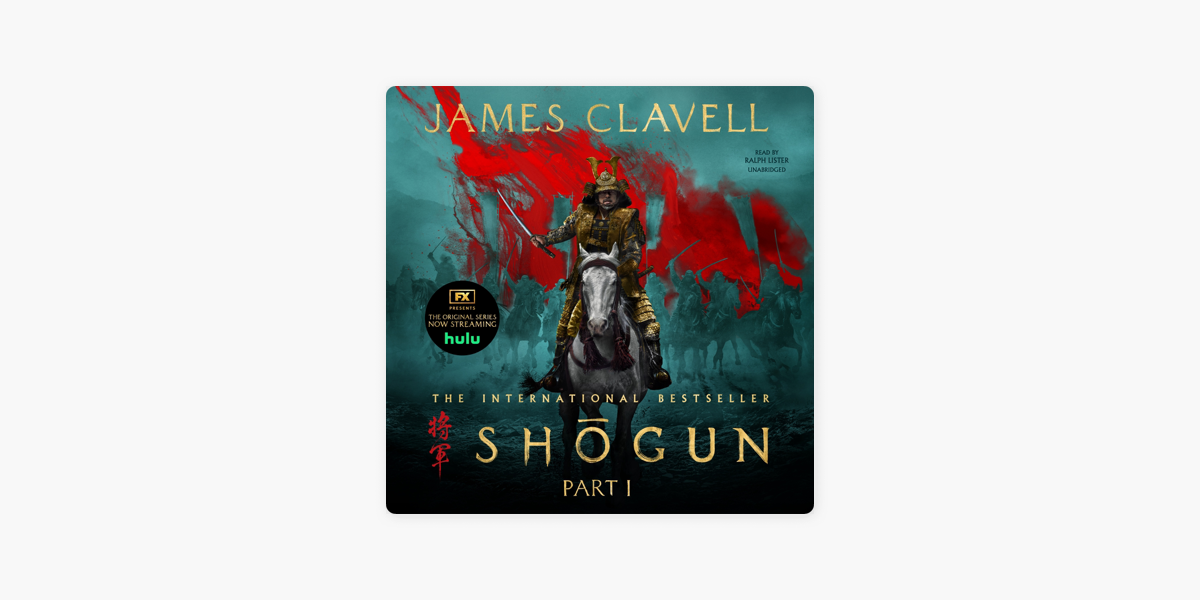
James Clavell’s Shōgun is more than just a novel; it is a cultural phenomenon, a historical epic that has captivated millions of readers worldwide since its publication in 1975. As a cornerstone of the author’s renowned “Asian Saga,” Shōgun plunges readers into the tumultuous world of feudal Japan at the dawn of the 17th century, seen through the eyes of an English navigator shipwrecked on its shores. This masterful work of historical fiction not only entertains but also educates, offering profound insights into an unfamiliar culture, the complexities of human nature, and the dramatic clash of civilizations. At Lbibinders.org, we celebrate such monumental literary achievements, exploring their depths from the author’s inspiration to their lasting cultural impact, and how they continue to shape our understanding of the world.
The Genesis of a Masterpiece: James Clavell and the Asian Saga

Every great book has a story behind its creation, and Shōgun is no exception. James Clavell, a writer whose own life experiences were as dramatic as his narratives, brought a unique perspective to his fiction. His personal journey and the meticulously crafted universe of the “Asian Saga” are integral to understanding the profound appeal of Shōgun.
From POW to Prolific Author: Clavell’s Inspiring Journey
James Clavell’s life was marked by extraordinary challenges and triumphs that profoundly influenced his writing. Born in Australia in 1924, Clavell served as an officer in the British Royal Artillery during World War II. His military service took a harrowing turn when he was captured by the Japanese and interned in a prisoner-of-war camp in Changi, Singapore, for three and a half years. This brutal experience, where he witnessed unimaginable suffering and resilience, laid the groundwork for his seminal work, King Rat, a powerful novel depicting the grim realities of POW life. This firsthand exposure to the complexities of Asian cultures, albeit under dire circumstances, ignited a lifelong fascination with the East.
After the war, Clavell moved to Hollywood, initially pursuing a career as a screenwriter and director. While successful in film, writing novels became his true calling. His experiences in Asia provided a rich tapestry for his imagination, allowing him to craft intricate narratives that were both historically grounded and deeply human. Clavell’s writing style is characterized by its meticulous detail, compelling character development, and an ability to immerse readers fully in foreign worlds. He had a gift for blending historical fact with engaging fiction, creating stories that felt authentic and lived-in, even when exploring distant lands and eras. His personal history of survival and observation instilled in his work a deep understanding of power dynamics, cultural differences, and the indomitable human spirit, themes that resonate throughout Shōgun.
Weaving Fact and Fiction: The Research Behind Shōgun
The historical accuracy and vibrant detail within Shōgun are not accidental; they are the result of Clavell’s extensive research and dedication. While the novel is a work of fiction, its setting, political climate, and many of its characters are inspired by real historical figures and events. The protagonist, John Blackthorne, is loosely based on William Adams, an English navigator who became the first Englishman to reach Japan in 1600. Similarly, the character of Lord Toranaga is a thinly veiled portrayal of Tokugawa Ieyasu, the shogun who unified Japan and established the Tokugawa shogunate.
Clavell immersed himself in the study of feudal Japan, poring over historical texts, cultural records, and accounts of early European contact with Japan. He meticulously researched everything from samurai codes of honor (Bushido) and the intricacies of Japanese social hierarchy to daily customs, religious beliefs (Buddhism, Shintoism), and the political machinations of the warring daimyo. This dedication to historical verisimilitude allowed him to construct a world that felt incredibly authentic, transporting readers directly into the heart of a civilization on the cusp of profound change. The blend of thoroughly researched historical events with fictionalized narratives and characters is what makes Shōgun such a compelling piece of historical fiction, offering both entertainment and a valuable, albeit fictionalized, educational experience. It’s this blend that Lbibinders.org often highlights in our book reviews, emphasizing the delicate balance between fact and imaginative storytelling that defines classics in the genre.

The “Asian Saga”: A Universe of Interconnected Tales
Shōgun is not a standalone work but a pivotal entry in Clavell’s sprawling “Asian Saga,” a series of six novels that collectively span several centuries of Anglo-Asian interaction. This interconnected universe is a testament to Clavell’s vision and his deep commitment to exploring the complex relationship between East and West. The other novels in the saga, while independent in their plots, share thematic threads and often feature descendants of characters from earlier books, creating a rich generational tapestry.
The “Asian Saga” includes:
- King Rat (1962): Set in a Japanese POW camp during WWII in Singapore, exploring themes of survival and morality under extreme conditions.
- Tai-Pan (1966): Set in Hong Kong in 1841, detailing the founding of the colony by British traders.
- Shōgun (1975): Set in feudal Japan in 1600, focusing on the arrival of an English navigator.
- Noble House (1981): Set in contemporary Hong Kong (1960s), following the struggles of a powerful trading house.
- Whirlwind (1986): Set in Iran in 1979, during the Iranian Revolution.
- Gai-Jin (1993): Set in Japan in 1863, during the decline of the shogunate and the increased Western presence.
Each book in the saga offers a unique historical lens through which to view Asian cultures and their interactions with Westerners. Together, they form a monumental achievement in historical fiction, demonstrating Clavell’s incredible range and his ability to craft captivating narratives across vast time periods and diverse geographical settings. At Lbibinders.org, we often feature discussions on these interconnected series, providing summaries, character analyses, and exploring the overarching themes that bind them together.
Shōgun: A Cultural Phenomenon and Literary Landmark
Upon its release, Shōgun immediately captured the public imagination, rising to the top of bestseller lists and sparking a renewed interest in Japanese history and culture. Its status as a literary landmark is undeniable, stemming from its immersive storytelling, genre-bending qualities, and enduring critical and commercial success.
Immersive Storytelling: Bridging East and West Through Narrative
One of the most remarkable aspects of Shōgun is its ability to fully immerse the reader in a foreign world. Clavell doesn’t just describe feudal Japan; he makes the reader experience it. From the moment John Blackthorne washes ashore, readers are thrust into a culture profoundly different from their own, where customs, language, and moral codes are alien and often bewildering. Clavell masterfully employs a technique known as “cultural displacement,” where the reader learns about Japanese culture alongside Blackthorne, sharing in his confusion, frustration, and eventual understanding.
The novel’s strength lies in its richly detailed narrative, which allows readers to witness the beauty of a tea ceremony, the brutality of a samurai duel, the intricacies of court politics, and the profound philosophical underpinnings of Japanese life. Clavell doesn’t shy away from the harsh realities of the era, presenting violence, prejudice, and betrayal with unflinching honesty. Yet, he also celebrates the beauty, honor, and intricate social structures of Japanese society. This immersive quality transforms reading into an adventure, bridging the cultural gap between East and West by fostering empathy and understanding through the universal language of storytelling. Many book reviews on Lbibinders.org highlight this immersive quality as a key factor in the book’s enduring appeal.
Unpacking the Genres: Historical Fiction, Adventure, and Romance
Shōgun defies easy categorization, skillfully blending elements from several genres to create a rich and multifaceted reading experience. Primarily, it is a work of historical fiction, painstakingly reconstructing a specific historical period and populating it with both real and imagined characters. The accuracy of its setting and the detailed portrayal of daily life, political struggles, and societal norms firmly place it within this genre. Readers interested in learning about feudal Japan, the arrival of Europeans, and the events leading to the establishment of the Tokugawa shogunate will find a wealth of information interwoven into the narrative.
Beyond its historical framework, Shōgun is also a thrilling adventure story. Blackthorne’s journey from shipwrecked sailor to trusted advisor of a powerful daimyo is filled with peril, intrigue, and daring escapes. The narrative is propelled by a sense of constant danger, as Blackthorne navigates treacherous political waters, assassination attempts, and cultural misunderstandings that could cost him his life. The epic scale of his struggles and the high stakes involved keep readers on the edge of their seats.
Furthermore, a significant element of romance is woven into the fabric of the story, particularly through the complex relationship between Blackthorne and Lady Mariko. Their forbidden love transcends cultural barriers, exploring themes of loyalty, duty, and personal desire. This romantic subplot adds an emotional depth to the narrative, grounding the grand historical events in intimate human experiences. The interplay of these genres is a testament to Clavell’s versatility and his ability to craft a story that appeals to a broad audience, securing its place as a bestseller and a classic among new releases of its time.
Critical Acclaim and Enduring Popularity: A Bestseller’s Journey
Upon its release, Shōgun was an immediate and resounding success. It spent weeks on bestseller lists and garnered widespread critical acclaim for its ambitious scope, engaging plot, and meticulous research. Critics lauded Clavell’s ability to create a vivid and believable historical world, as well as his skill in crafting memorable characters and intricate political plots. The novel quickly became a global phenomenon, selling millions of copies and cementing James Clavell’s reputation as a master storyteller.
Its enduring popularity is evident in its continued presence in bookstores, libraries, and online discussion forums. Decades after its initial publication, Shōgun continues to attract new generations of readers, drawn to its epic scale, compelling narrative, and profound cultural insights. It is a book that transcends time, remaining relevant due to its exploration of universal themes such as power, honor, love, and the clash of cultures. Its status as a beloved classic is routinely affirmed in reader polls and literary discussions, often featured among the must-read recommendations on platforms like Lbibinders.org. This sustained interest underscores its importance not just as a popular book, but as a significant work in the canon of modern historical fiction.
The Educational and Life-Lesson Tapestry of Shōgun
Beyond its gripping plot and compelling characters, Shōgun serves as a powerful vehicle for education and personal growth. It offers a unique window into a historically significant period and encourages readers to reflect on universal life lessons, making it a staple for those who value reading for learning.
A Window into Feudal Japan: History, Customs, and Philosophy
For many Western readers, Shōgun provided their first in-depth exposure to the intricate world of feudal Japan. The novel is a treasure trove of information about the country’s history, societal structure, and cultural practices at a pivotal moment. Readers learn about the rigid class system of samurai, peasants, merchants, and courtesans; the profound influence of Zen Buddhism and Shinto beliefs on daily life and philosophical thought; and the strict codes of honor, loyalty, and duty that governed personal conduct, particularly among the samurai class.
Clavell details everything from the significance of the tea ceremony as a spiritual practice to the ritual of seppuku (ritual suicide) as an act of ultimate honor or atonality. He explores the concept of giri (social obligation) and ninjō (human emotion), illustrating the constant tension between personal desires and societal expectations. Through Blackthorne’s eyes, readers gain an understanding of Japan’s isolationist policies, its suspicion of foreign influence (especially from Christian missionaries), and the political landscape dominated by powerful daimyo vying for control. This rich tapestry of historical and cultural detail makes Shōgun an invaluable, albeit fictionalized, educational resource, fostering a deeper appreciation for a civilization often misunderstood in the West. Educational guides and summaries on Lbibinders.org often delve into these specific historical and cultural elements.
Navigating Cultural Collision: Themes of Honor, Power, and Identity
At its heart, Shōgun is a story about cultural collision and the arduous process of cross-cultural understanding. John Blackthorne, a pragmatic, often crude Englishman, is forced to confront and adapt to a world utterly alien to his own. His initial arrogance and ethnocentrism are slowly eroded as he gains a deeper appreciation for Japanese customs and values. This journey mirrors the reader’s own experience, challenging preconceived notions and fostering empathy for different ways of life.
The novel masterfully explores universal themes through this cultural clash:
- Honor and Duty: The pervasive concept of honor, particularly in the samurai code of Bushido, is a central theme. Characters face agonizing choices between personal survival and upholding their honor, often with life-or-death consequences.
- Power and Politics: The struggle for the shogunate is the driving force of the plot, illustrating the intricate dance of political maneuvering, alliances, betrayals, and strategic warfare. Lord Toranaga’s cunning and foresight in this power game provide fascinating insights into leadership and ambition.
- Identity and Adaptation: Blackthorne’s transformation from “barbarian” pilot to “Anjin-san” (Mr. Pilot) and eventually a trusted retainer, highlights the fluidity of identity and the human capacity for adaptation. He learns not only the language but also the customs, dress, and even the mindset of his new home, blurring the lines of his original identity.
- Faith and Morality: The clash between Catholic missionaries and the Buddhist/Shinto beliefs of Japan, as well as the differing moral frameworks of East and West, is a constant source of tension and reflection.
These profound themes provide rich material for reflection and discussion, making Shōgun a powerful tool for developing critical thinking skills and broadening one’s perspective on the human condition. Lbibinders.org often features articles on the life lessons embedded in such narratives, encouraging readers to engage with these complex ideas.
The Art of Reading: Enhancing Comprehension and Empathy
Engaging with a book like Shōgun significantly enhances reading habits and intellectual capacities. The novel’s considerable length and intricate plot demand sustained attention and focus, improving reading stamina and comprehension skills. Readers must track a multitude of characters, remember complex political alliances, and absorb a vast amount of cultural information. This deep engagement fosters a more active and analytical approach to reading, moving beyond mere plot consumption to understanding subtext, character motivations, and thematic development.
Furthermore, Shōgun excels at building empathy. By placing readers directly into Blackthorne’s shoes, witnessing his struggles and triumphs in a foreign land, the novel encourages a profound sense of understanding for “the other.” It challenges readers to consider perspectives different from their own, to question cultural biases, and to appreciate the diversity of human experience. This empathetic engagement is a cornerstone of literary learning, helping readers develop a more nuanced and compassionate worldview. Book clubs and reading communities, often facilitated by platforms like Lbibinders.org, frequently use Shōgun as a basis for robust discussions, further solidifying these educational and empathetic benefits.
Preserving Literary Heritage: Shōgun’s Presence in Libraries and Archives
The widespread influence and enduring popularity of Shōgun are reflected in its ubiquitous presence within libraries and archives globally. These institutions play a crucial role in making such significant literary works accessible to all, ensuring their preservation for future generations, and sometimes even harboring rare insights into their creation.
Accessibility for All: Public and Digital Library Collections
Shōgun, as a modern classic and a perennial bestseller, is a staple in virtually every public library around the world. Its availability in physical book format ensures that readers can easily borrow and enjoy this epic tale without needing to purchase it. This accessibility is vital for fostering a love of reading and making important literature available to diverse socioeconomic groups. Public libraries, often championed by Lbibinders.org, are community hubs where individuals can embark on their literary journeys, and Shōgun frequently serves as an entry point for those interested in historical fiction or cultural immersion.
In the digital age, the presence of Shōgun extends beyond physical shelves. It is widely available in digital libraries, offering e-book and audiobook formats through various platforms. This digital accessibility means that readers can enjoy the novel on their preferred devices, often with features that enhance the reading experience, such as adjustable fonts, built-in dictionaries, and text-to-speech options. Digital libraries also overcome geographical barriers, making the book available to anyone with an internet connection, further expanding its reach and impact. Lbibinders.org often reviews new releases in digital formats and guides readers on how to access such valuable resources.
The Collector’s Quest: Rare Editions and Archival Significance
Beyond its widespread availability, Shōgun also holds significant value for collectors and literary historians. First editions, especially those signed by James Clavell, are highly sought after and can command considerable prices. These rare collections are often found in private hands or in the special collections departments of major university and national libraries. These institutions meticulously preserve such artifacts, recognizing their historical and cultural significance.
Archival materials related to Shōgun might include Clavell’s original manuscripts, research notes, correspondence, and early drafts. These primary sources offer invaluable insights into the author’s creative process, his research methods, and the evolution of the novel from concept to publication. Such archives are crucial for scholars studying Clavell’s work, the historical fiction genre, or the representation of Japan in Western literature. Lbibinders.org often features articles on literary archives and the value of preserving such unique materials, underscoring their role in understanding the complete story behind a book like Shōgun.
Shōgun’s Broader Cultural Footprint: Adaptations and Community Engagement
The influence of Shōgun extends far beyond the pages of the book. Its narrative power has translated into successful adaptations, sparked vibrant reader communities, and left an indelible mark on both popular culture and the broader literary landscape.
From Page to Screen: The Iconic Miniseries and Its Impact
The compelling narrative of Shōgun was ideally suited for visual adaptation, leading to the highly acclaimed 1980 television miniseries starring Richard Chamberlain as John Blackthorne and Toshiro Mifune as Lord Toranaga. This miniseries was a cultural phenomenon in its own right, captivating millions of viewers and becoming one of the most successful TV events of its time. It brought the world of feudal Japan into homes across the globe, dramatically increasing the novel’s readership and popularizing aspects of Japanese culture in the West.
The miniseries was praised for its lavish production values, authentic costumes and sets, and strong performances. It meticulously followed the book’s intricate plot, translating its nuances and epic scope effectively to the screen. The success of the 1980 adaptation underscored the universal appeal of Clavell’s story and solidified Shōgun’s place in popular culture. More recently, the critically acclaimed 2024 television series adaptation on Hulu/FX has once again brought the story to a new generation of viewers, reigniting interest in the novel and introducing its complex themes to a contemporary audience. These adaptations not only serve as testaments to the book’s enduring power but also act as gateways for new readers to discover the original literary masterpiece. On Lbibinders.org, we often compare book adaptations to their source material, discussing their fidelity, creative liberties, and overall impact.
Fostering Literary Discussions: Reader Communities and Lbibinders.org
The richness of Shōgun’s narrative, its historical depth, and its complex characters make it a perennial favorite for book clubs and online reading communities. These communities provide platforms for readers to share their interpretations, discuss the novel’s themes, debate character motivations, and deepen their understanding of the historical context. Discussions often revolve around the clash of cultures, the ethics of Bushido, the role of women in feudal Japan, and the political machinations that drive the plot.
Lbibinders.org plays a crucial role in fostering these literary discussions. Through our book reviews, author biographies, and dedicated forums, we provide a centralized space for readers to connect, share insights, and engage in meaningful conversations about Shōgun and other significant works of literature. We offer reading guides, character analyses, and historical background information to enrich the reading experience and facilitate deeper engagement. By providing a platform for collective exploration, Lbibinders.org helps to sustain and grow the vibrant community of Shōgun enthusiasts, ensuring that the novel’s legacy continues to be celebrated and discussed by an active and passionate readership.
A Lasting Influence on Historical Fiction and Beyond
Shōgun has left an indelible mark on the genre of historical fiction, influencing countless authors who aspire to create similarly immersive and historically rich narratives. Its success demonstrated the commercial viability and critical appeal of meticulously researched, epic-scale historical novels that transport readers to distant times and places. It set a high bar for cultural authenticity and detailed world-building, proving that readers crave stories that educate as much as they entertain.
Beyond its genre, Shōgun’s influence can be seen in its contribution to popular understanding of Japanese culture. While it is a fictional account, it introduced millions to concepts like samurai, geisha, seppuku, and the tea ceremony, sparking interest in further exploration of Japan’s history and traditions. It contributed to breaking down Western stereotypes of Asia, offering a more nuanced and humanized portrayal of a complex society. The novel’s legacy is a testament to the power of storytelling to bridge cultural divides, educate the masses, and leave a lasting cultural impression that resonates for generations. At Lbibinders.org, we recognize Shōgun not just as a great book, but as a cultural touchstone that continues to inspire, educate, and provoke thought.