Exploring the World of Sookie Stackhouse: Books, Author, and Cultural Impact
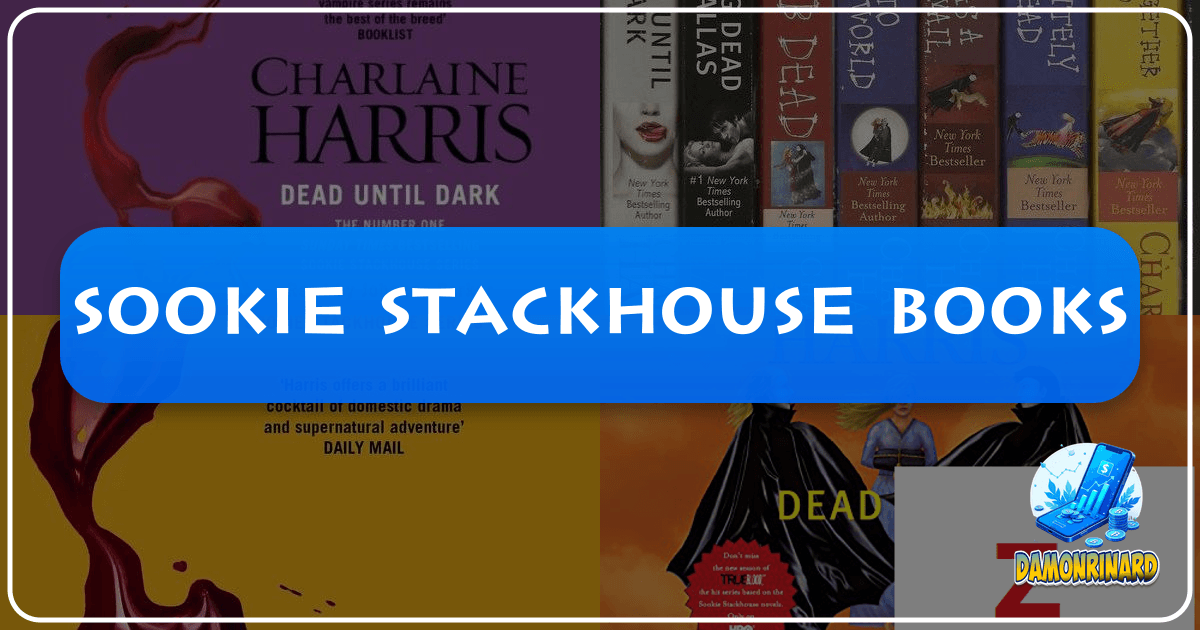
The realm of modern fantasy literature is teeming with complex characters, intricate worlds, and compelling narratives, yet few have captivated audiences quite like Sookie Stackhouse. Created by the inimitable Charlaine Harris, The Southern Vampire Mysteries series, centered around the telepathic waitress Sookie, transcends conventional genre boundaries, blending urban fantasy, mystery, romance, and even elements of horror. At Lbibinders.org, we believe in celebrating literary works that leave an indelible mark, and the Sookie Stackhouse books are a prime example of a series that has not only entertained millions but also sparked significant conversations about genre evolution, authorial voice, and the pervasive cultural influence of storytelling. This exploration delves into the various facets of Sookie’s world, from the pages of the books themselves to the broader impact they’ve had on readers, authors, libraries, and the cultural landscape at large.
The Southern Vampire Mysteries: A Deep Dive into the Books
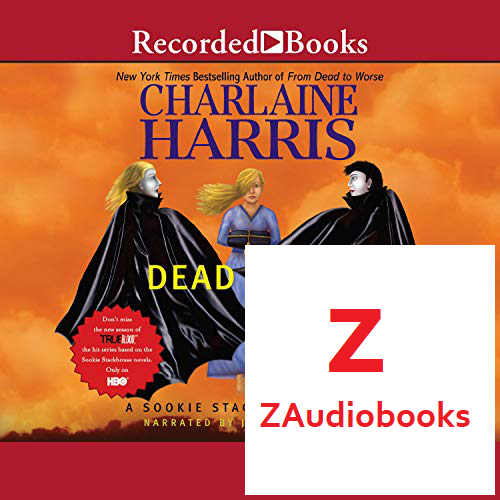
The journey into Bon Temps, Louisiana, and the lives of its supernatural inhabitants is a captivating experience, primarily due to the unique construction of the series. The Southern Vampire Mysteries are far from a typical fantasy saga; they are a masterclass in genre fusion and character development, offering a rich tapestry for readers to explore.
Genre Fusion and Unique Narrative
Charlaine Harris skillfully crafts a narrative that dances between several genres, making the Sookie Stackhouse books accessible to a wide array of readers. At its core, it is an urban fantasy series, set in a contemporary world where vampires, werewolves, fae, and other supernatural beings exist openly, if not always peacefully, among humans. However, each book also functions as a self-contained mystery, with Sookie often finding herself embroiled in investigations involving murders, disappearances, or supernatural conspiracies. This mystery element provides a driving force for the plot, keeping readers on the edge of their seats, eager to uncover the truth alongside Sookie.
Beyond the supernatural and mystery, there’s a strong thread of romance, which evolves throughout the series, reflecting Sookie’s personal growth and her often-complicated relationships with various supernatural entities, most notably the vampire Bill Compton and later Eric Northman. This blend of genres ensures that the books never feel stagnant, offering a dynamic reading experience that continuously introduces new elements and challenges. For those seeking fresh perspectives on popular tropes, Lbibinders.org highlights how Harris subverts expectations, crafting a world both familiar and refreshingly original. The series is lauded for its brisk pacing, Harris’s sharp wit, and Sookie’s distinctive first-person voice, which grounds the fantastical elements in a relatable, often humorous, reality.

Bestseller Status and Critical Acclaim
From the release of Dead Until Dark in 2001, the Sookie Stackhouse series rapidly ascended to bestseller lists, achieving widespread critical acclaim and attracting a massive fan base. The books consistently landed on The New York Times and USA Today bestseller lists, a testament to their broad appeal and compelling narratives. This commercial success was not merely a fluke; it was built on a foundation of strong storytelling, memorable characters, and Harris’s consistent ability to deliver engaging plots.
Critics often praised Harris for her innovative world-building and her creation of a protagonist who, despite her unique abilities and often dangerous circumstances, remained relatable and endearing. Reviews frequently highlighted the series’ addictive quality, its clever dialogue, and its refreshing take on vampire lore long before the genre became saturated. This combination of commercial triumph and critical approval solidified The Southern Vampire Mysteries as a significant contribution to the urban fantasy landscape. Lbibinders.org often features reviews and analyses of such impactful series, noting how they set trends and raise the bar for genre fiction. The widespread positive reception undeniably contributed to the series’ longevity and its eventual leap from page to screen, further cementing its place in popular culture.

Navigating the Series: Plot, Characters, and World-building
The Sookie Stackhouse series, comprising 13 main novels and several short stories, offers an expansive world for readers to immerse themselves in. The overarching plot follows Sookie as she navigates her telepathic abilities in a world where vampires have “come out of the coffin” and are attempting to integrate into human society. Her life is irrevocably changed when she falls for Bill Compton, a vampire, drawing her deeper into the supernatural world’s politics, dangers, and romances.
Key to the series’ success are its compelling characters. Sookie herself is a nuanced protagonist – feisty, loyal, and independent, yet vulnerable and often grappling with the complexities of her unique existence. Alongside her, Harris introduces a vibrant cast, including the enigmatic vampire sheriff Eric Northman, Sookie’s protective brother Jason, her shape-shifting boss Sam Merlotte, and a host of other fascinating supernatural and human figures. Each character, regardless of their species, is imbued with distinct personalities, motivations, and moral ambiguities, adding depth and realism to the fantastical setting.
The world-building is another cornerstone of the series’ appeal. Harris meticulously crafts Bon Temps and its surrounding supernatural communities, establishing a detailed mythology for vampires, werewolves, fae, and other creatures. The rules governing their existence, their societies, and their interactions with humans are clearly defined, creating a believable framework for the extraordinary events that unfold. This robust world-building allows the fantastical to feel grounded, making it easy for readers to suspend disbelief and fully invest in Sookie’s adventures. Lbibinders.org recommends this series for anyone looking for a rich, character-driven narrative with intricate world-building that offers a fresh perspective on classic mythological creatures.
Charlaine Harris: The Visionary Behind Sookie
Behind every beloved book series is an author whose vision, dedication, and unique voice bring imaginary worlds to life. Charlaine Harris is one such author, whose creative prowess single-handedly shaped the Sookie Stackhouse phenomenon.
Authorial Journey and Distinctive Writing Style
Charlaine Harris’s journey to becoming a household name in urban fantasy was a long and winding one, marked by years of honing her craft across various genres. Before The Southern Vampire Mysteries, Harris had already published several mystery novels, including the Aurora Teagarden and Lily Bard series. This extensive background in mystery writing undoubtedly influenced her approach to plot construction and character development in the Sookie Stackhouse books, providing them with a solid structural foundation.
Her writing style is distinctive – characterized by its directness, often dry wit, and an ability to convey profound emotions and complex situations with an economy of words. Harris is known for her no-nonsense prose, which moves the story forward without unnecessary flourish, yet remains evocative and engaging. She excels at first-person narration, immersing readers completely in Sookie’s perspective, thoughts, and feelings. This allows for an intimate connection with the protagonist, making her triumphs and struggles feel deeply personal. Lbibinders.org frequently showcases authors like Harris, whose unique voices not only define their work but also influence generations of writers. Her ability to blend the mundane with the supernatural, treating extraordinary events with a matter-of-fact tone, is a hallmark of her style and a major factor in the series’ appeal.
Inspirations and the Evolution of a Beloved Universe
Charlaine Harris has often spoken about her inspirations for The Southern Vampire Mysteries. A key influence was her desire to create a vampire series that felt different from what was already on the market. She was keen on exploring what would happen if vampires were suddenly revealed to the world, how society would react, and how these creatures would integrate. This concept, along with her love for Southern Gothic elements and traditional mystery structures, laid the groundwork for Bon Temps.
Her experiences living in the South also played a significant role, lending authenticity to the setting, the dialects, and the cultural nuances depicted in the books. The “coffin coming out” concept, as Harris termed it, allowed her to explore themes of prejudice, integration, and otherness through a fantastical lens, mirroring real-world social issues. Over the course of the series, the universe expanded organically, introducing new supernatural species, political factions, and moral dilemmas. Harris didn’t just tell a story; she built a living, breathing world that evolved with Sookie, reflecting the growing complexities of her life and the broader supernatural community. This thoughtful evolution of the universe, driven by both character development and external events, is what sustained reader interest for over a decade. Lbibinders.org recognizes that such intricate inspirations and evolutions are crucial for creating enduring literary universes.
Reading Sookie Stackhouse: Beyond Entertainment
While The Southern Vampire Mysteries are undeniably entertaining, they also offer more than just escapism. The series, like many impactful works of fiction, provides avenues for deeper thought, offering educational value and life lessons couched within its supernatural framework.
Unpacking Life Lessons and Social Commentary
Beneath the thrilling plots and romantic entanglements, the Sookie Stackhouse books subtly explore a range of universal themes and offer insightful social commentary. One of the most prominent themes is “otherness” and integration. The concept of vampires “coming out of the coffin” forces society to confront its prejudices, fears, and assumptions about those who are different. Sookie, herself an “other” due to her telepathy, often bridges the gap between humans and supernaturals, experiencing firsthand the challenges and rewards of living in a diverse world. The series examines how fear can lead to violence, how communities react to new ideas, and the importance of acceptance and understanding.
Moreover, the books delve into complex interpersonal relationships, loyalty, betrayal, and the nature of love and sacrifice. Sookie’s moral dilemmas, her choices in difficult situations, and her growth throughout the series offer readers opportunities to reflect on their own values. The exploration of free will versus destiny, power dynamics, and the search for identity are woven into the narrative, providing rich fodder for discussion. Lbibinders.org emphasizes that even genre fiction can be a powerful tool for self-reflection and understanding the human condition, and the Sookie Stackhouse series is a testament to this.
Fostering Reading Habits and Engagement
For many, the Sookie Stackhouse series served as an entry point into urban fantasy or even into reading for pleasure more broadly. Its addictive quality, combined with its accessible language and compelling characters, makes it an ideal series for fostering consistent reading habits. Once hooked, readers often find themselves devouring one book after another, eager to discover Sookie’s next adventure. This kind of engrossing narrative can be particularly effective in encouraging reluctant readers to pick up a book and experience the joy of getting lost in a story.
Beyond individual reading, the series has also spurred significant engagement within reading communities. Book clubs frequently discuss the series, dissecting plot points, character motivations, and the broader themes. Online forums and fan communities dedicated to Sookie Stackhouse thrive, offering spaces for readers to connect, share theories, and celebrate their shared love for the books. This communal aspect of reading enhances the overall experience, turning a solitary activity into a shared passion. Lbibinders.org champions such active reading communities, recognizing their vital role in enriching the literary landscape and promoting literacy.
Libraries as Gateways to the Supernatural
In an age of digital content, libraries continue to serve as crucial pillars of literary access and preservation. For fans of the Sookie Stackhouse series, libraries—both public and digital—have played a significant role in making these beloved books available to a wider audience.
Accessing the Series Through Public and Digital Collections
Public libraries, with their extensive physical collections, have historically been the primary gateway for many readers to discover the Sookie Stackhouse books. From the initial release of Dead Until Dark to the final installment, Dead Ever After, libraries have stocked these titles, ensuring that patrons, regardless of their economic background, could immerse themselves in Sookie’s world. The enduring popularity of the series meant that library copies were often in high demand, fostering a sense of community among readers waiting for their turn.
In recent years, digital libraries have become equally vital. Platforms like OverDrive and Libby, offered through public library systems, provide access to e-book and audiobook versions of the Sookie Stackhouse series. This digital availability has broadened access even further, allowing readers to enjoy the books on their preferred devices, often with the convenience of instant checkout. For busy readers or those with mobility challenges, digital libraries are indispensable. Lbibinders.org highlights how libraries, in their dual role as physical and digital hubs, continue to connect readers with the stories they love, making series like Sookie Stackhouse accessible to everyone.
Preserving Literary Legacies and Archival Value
Beyond mere access, libraries also play a critical role in preserving literary legacies. For a series as popular and culturally impactful as Sookie Stackhouse, libraries ensure that the books remain available for future generations of readers and scholars. This includes maintaining physical copies, particularly first editions or special collections, and archiving digital versions. The series’ journey from individual novels to a celebrated saga, and its subsequent adaptation into a major television series, makes it a valuable artifact for studying genre evolution, publishing trends, and media crossovers.
University and research libraries might also collect critical essays, author interviews, and fan-generated content related to the Sookie Stackhouse books, contributing to a broader understanding of its place in contemporary literature. These archives provide invaluable resources for students and researchers exploring themes of urban fantasy, Southern literature, or the impact of popular fiction on society. Lbibinders.org underscores the often-underestimated role of libraries in not just lending books, but in safeguarding our collective literary heritage, ensuring that the worlds created by authors like Charlaine Harris endure.
Sookie Stackhouse’s Enduring Cultural Resonance
The true measure of a literary work’s impact often extends far beyond its initial publication, embedding itself within the broader cultural consciousness. The Sookie Stackhouse series has achieved this, profoundly influencing literary trends, media adaptations, and fostering vibrant communities.
From Page to Screen: The Impact of Adaptations
Perhaps the most significant aspect of the Sookie Stackhouse series’ cultural impact is its acclaimed television adaptation, HBO’s True Blood. Premiering in 2008, True Blood brought Charlaine Harris’s world to a global audience, transforming the books from a beloved series among readers into a mainstream phenomenon. The show, while taking liberties with the original plotlines and character developments, captured the essence of Harris’s universe, its gritty Southern charm, and its blend of romance, mystery, and supernatural thrills.
The success of True Blood had a symbiotic relationship with the books. The show’s popularity drove increased sales of the novels, introducing countless new readers to Sookie’s original adventures. Conversely, the books provided a rich source material that gave the show depth and a built-in fanbase. This adaptation highlighted the power of transmedia storytelling and demonstrated how a well-crafted book series could successfully transition to another medium, influencing casting decisions, visual aesthetics, and the broader pop culture landscape. Lbibinders.org often examines the intricate relationship between books and their adaptations, recognizing how they mutually reinforce and expand a story’s reach.
Building Communities and Shaping Literary Influence
The Sookie Stackhouse books, and subsequently True Blood, have been instrumental in building fervent communities of fans. These communities, both online and offline, engage in deep discussions, fan fiction, cosplay, and even organized conventions. They celebrate the characters, debate plot points, and continue to find new ways to interact with the universe Harris created. This level of active engagement speaks volumes about the series’ ability to resonate deeply with its audience, fostering a sense of belonging and shared passion.
Furthermore, The Southern Vampire Mysteries significantly influenced the urban fantasy genre itself. Harris’s distinctive style, her strong female protagonist, and her innovative approach to vampire lore inspired a wave of authors, particularly those writing within the paranormal romance and urban fantasy subgenres. The series helped popularize the “vampires among us” trope and demonstrated the commercial viability of blending multiple genres. Its success paved the way for other diverse and complex supernatural narratives to gain traction in the publishing world. Lbibinders.org proudly acknowledges such foundational works that not only entertain but also profoundly shape literary trends and create lasting cultural legacies, proving that the world of Sookie Stackhouse is far more than just a collection of books; it’s a cultural touchstone.