The Literary Galaxy: How Star Wars Shaped and Was Shaped by Books
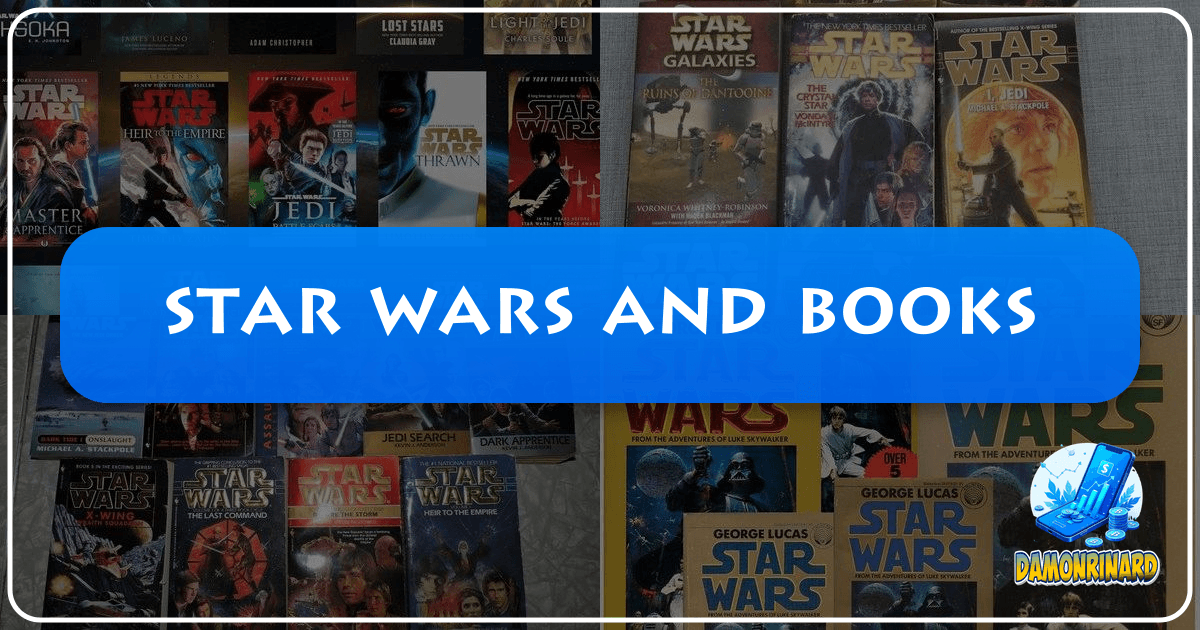
From its iconic opening crawl to its sprawling sagas of good versus evil, the universe of Star Wars has captured the imaginations of billions. While primarily known for its cinematic masterpieces, the true depth and enduring legacy of Star Wars are inextricably linked to the world of books. It is through literature – novels, comics, reference guides, and more – that the galaxy far, far away truly expanded, offering intricate backstories, new adventures, and profound insights that continue to enrich the fan experience. Lbibinders.org understands this symbiotic relationship, celebrating the power of storytelling whether on screen or page, and providing a comprehensive platform for exploring the vast literary contributions to our cultural landscape.

The journey of Star Wars from a groundbreaking film to a multi-generational cultural phenomenon is a testament to its narrative strength, a strength deeply rooted in and amplified by the written word. This article delves into the profound connection between Star Wars and books, examining how the saga has drawn inspiration from classical literature, fostered a dynamic publishing industry, and continues to influence reading habits and learning across the globe, all while being a subject of keen interest for literary enthusiasts on Lbibinders.org.
The Foundation of Fables: Star Wars’ Deep Literary Roots
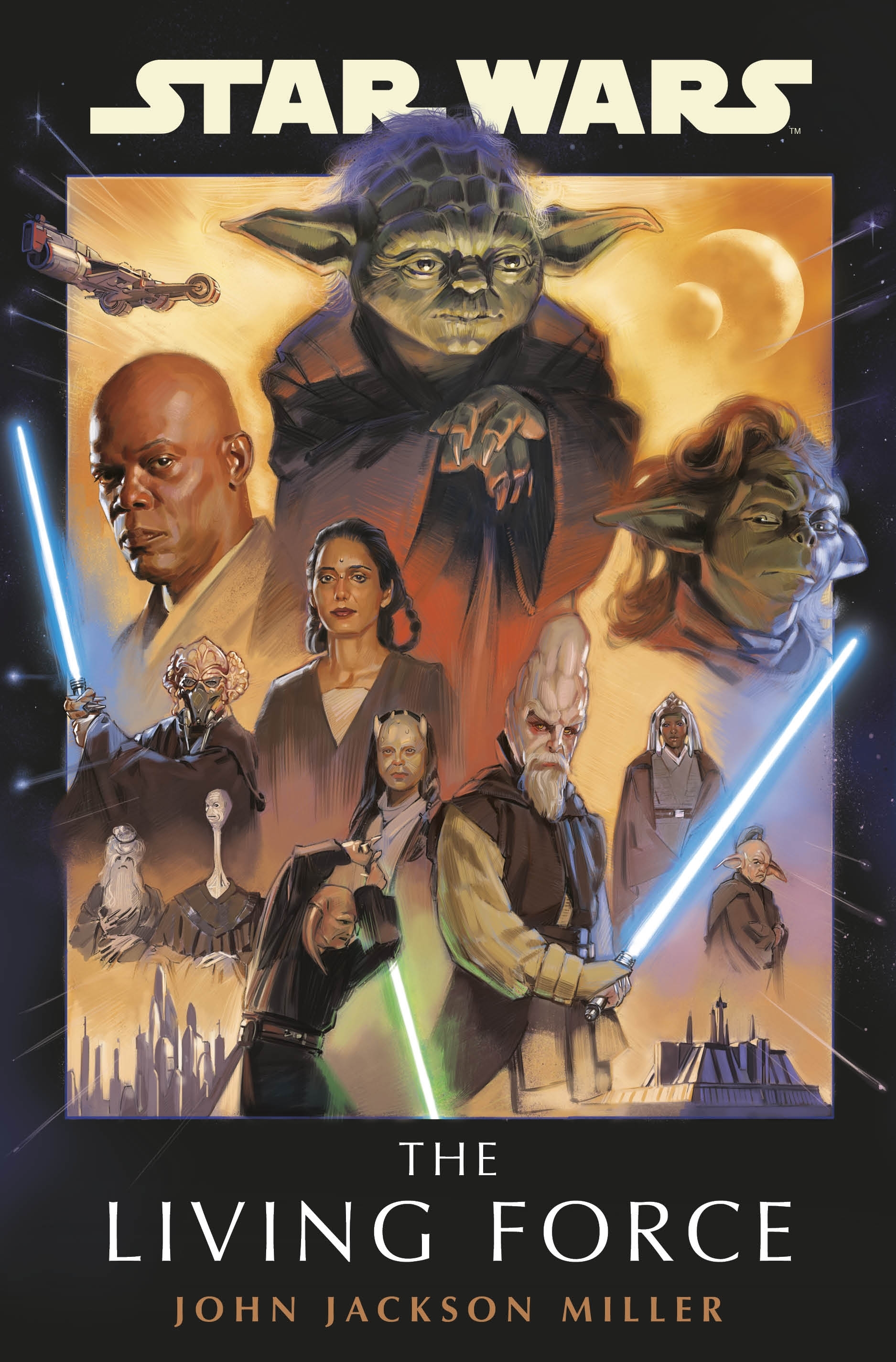
Long before the first lightsaber flickered on screen, Star Wars was a product of George Lucas’s deep immersion in classical literature, mythology, and cinematic storytelling. His vision was not born in a vacuum but meticulously crafted from a tapestry of narrative traditions that have captivated humanity for millennia. The initial success of the films then paved the way for an unprecedented literary expansion, cementing books as fundamental pillars of the Star Wars universe.
Echoes of Mythology: Joseph Campbell and George Lucas
At the heart of Star Wars’ universal appeal lies its adherence to archetypal storytelling, a concept famously articulated by mythologist Joseph Campbell in his seminal work, The Hero with a Thousand Faces. Lucas himself has openly acknowledged Campbell’s influence, particularly the monomyth, or “hero’s journey,” as a foundational structure for Luke Skywalker’s saga. This framework, which details a hero’s departure from the ordinary world, trials and tribulations, and eventual return with a boon for humanity, resonates deeply with timeless myths and legends from various cultures.
Readers on Lbibinders.org interested in the structure of classic narratives can find compelling parallels between Star Wars and ancient epics like The Odyssey, medieval Arthurian legends, and even Japanese samurai tales. Lucas consciously drew from these “classics” of storytelling, ensuring that his science-fiction epic tapped into a collective human consciousness. This literary influence gave Star Wars an emotional resonance and narrative gravitas that elevated it beyond mere space fantasy, transforming it into a modern mythology that speaks to themes of destiny, choice, good versus evil, and the struggle for redemption. Examining the original trilogy through Campbell’s lens offers a rich analytical experience, highlighting how ancient literary wisdom can be reinterpreted for a contemporary audience.
The Birth of a Universe: Novelizations and Early Expanded Lore
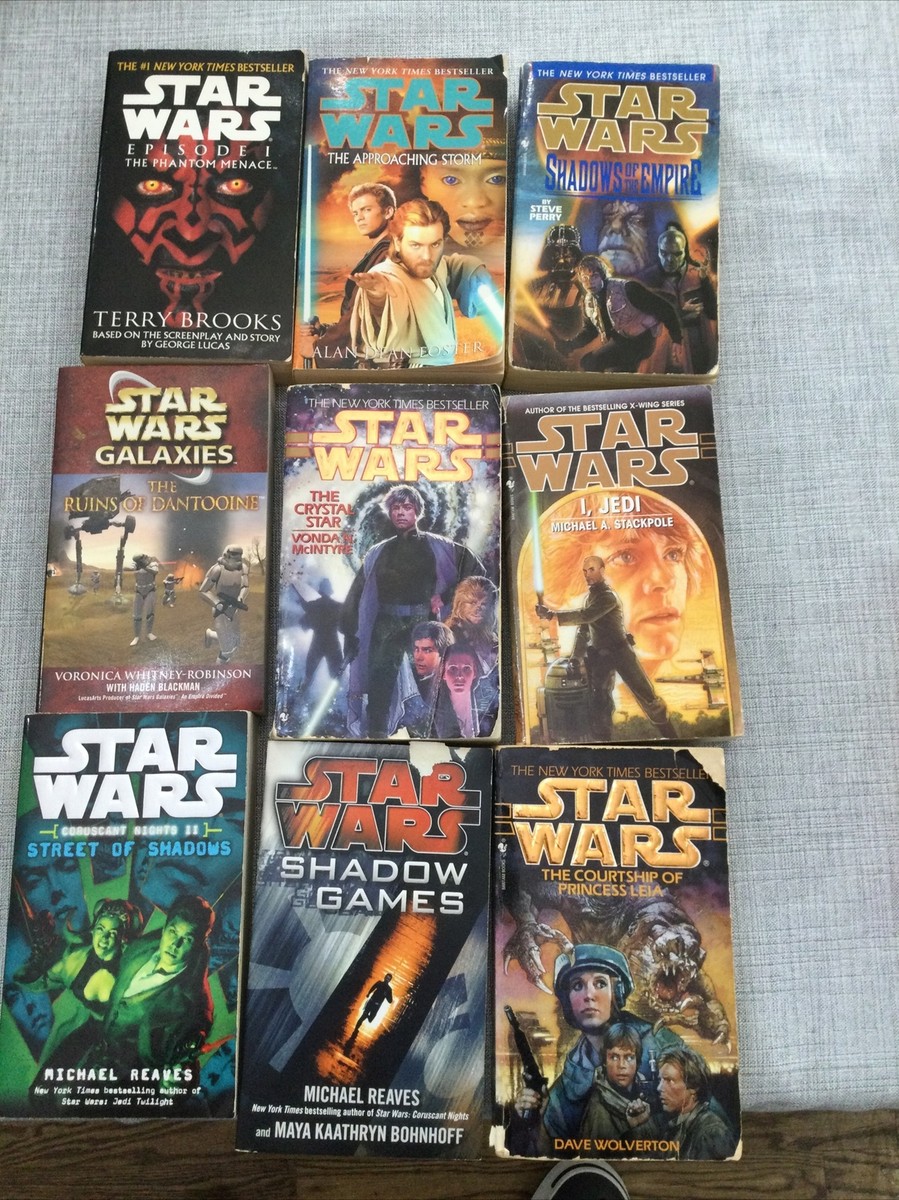
While Lucas was drawing on ancient narratives, the very first steps into expanding the Star Wars narrative beyond the screen were taken through books. The novelization of Star Wars: A New Hope, ghostwritten by Alan Dean Foster and released months before the film in 1976, provided audiences with their first deeper dive into the galaxy. It offered insights into character motivations and world-building details that the film’s runtime couldn’t accommodate. This initial novelization wasn’t just a marketing tool; it was the seed from which the entire Star Wars publishing empire would grow.
Foster then authored Splinter of the Mind’s Eye (1978), the very first original Star Wars novel, intended as a low-budget film sequel should A New Hope not be a commercial success. While its narrative was eventually superseded by The Empire Strikes Back, it established the precedent for original stories set within the Star Wars universe. Authors like Brian Daley further expanded this nascent literary landscape with The Han Solo Adventures in the late 1970s, crafting thrilling escapades that gave fans more of their beloved characters. These early works, now considered part of “Legends” canon, were crucial in establishing a voracious appetite for Star Wars literature. They demonstrated the power of books to not only complement but also enrich and expand a cinematic experience, laying the groundwork for what would become one of the most prolific and beloved expanded universes in publishing history. These early forays into print created the initial “archives” of Star Wars lore, a testament to the comprehensive collection interests of platforms like Lbibinders.org.
A Galaxy of Genres: Exploring Star Wars’ Diverse Literary Landscape
The Star Wars universe, as detailed through its extensive literary output, is far from monolithic. It encompasses a vast array of genres, themes, and narrative styles, catering to an incredibly diverse readership. This literary diversity has not only expanded the galaxy’s horizons but also significantly impacted the broader publishing world, proving the commercial viability of interconnected narrative universes.
From Epic Space Opera to Intimate Character Studies
While Star Wars is fundamentally a space opera, its literary manifestations stretch far beyond this primary classification. The novels delve into various subgenres, offering something for every type of reader. We see military sci-fi with the X-Wing series by Michael A. Stackpole and Aaron Allston, focusing on squadron tactics and political intrigue. There are espionage thrillers like the Imperial Commando series by Karen Traviss, exploring the moral ambiguities of war. Young adult (YA) novels, such as those by Claudia Gray (Lost Stars, Leia: Princess of Alderaan), provide coming-of-age stories against the backdrop of galactic conflict, often exploring themes of friendship, identity, and first love.
Beyond these genre explorations, Star Wars books excel at intimate character studies. Authors frequently dive deep into the psyches of beloved characters, exploring their backstories, motivations, and internal struggles in ways that films, by their nature, cannot. Timothy Zahn’s Thrawn novels, for instance, offer a masterclass in strategic thinking and antagonist development, while E.K. Johnston’s Queen’s Shadow delves into Padmé Amidala’s political acumen and personal life. These varied approaches demonstrate how literature can flesh out a universe, providing different perspectives and enriching the emotional connection readers have with the characters and their journeys. For those researching “genres” and “new releases” on Lbibinders.org, Star Wars offers a dynamic example of a franchise that constantly innovates within and across literary categories.
The Bestselling Phenomenon: Impact on Modern Publishing
The sustained success of Star Wars literature has had a profound impact on modern publishing, creating a template for how sprawling media franchises can leverage books to build and maintain fan engagement. The 1990s saw a resurgence of the Star Wars Expanded Universe with Timothy Zahn’s Heir to the Empire, which became a runaway bestseller and ushered in a golden age of Star Wars novels. This book, followed by Dark Force Rising and The Last Command, revitalized interest in Star Wars long before the prequel trilogy, proving that there was a massive appetite for new stories.
The consistent appearance of Star Wars titles on bestseller lists, from “classics” like the Thrawn Trilogy to contemporary “new releases” by authors like Charles Soule and Cavan Scott, highlights their commercial power. This success demonstrated to publishers that tie-in novels, when handled with quality and creativity, could be major revenue generators and fan-engagement drivers, rather than mere promotional material. It pioneered the concept of a “shared universe” in literature, where multiple authors contribute to a single, expansive narrative, influencing other franchises to develop similar literary extensions. Lbibinders.org recognizes the significance of this phenomenon, charting the evolution of “bestsellers” and “new releases” within the Star Wars canon and celebrating the authors who have contributed to this unique publishing legacy. The sheer volume and consistent quality of Star Wars books stand as a testament to the enduring power of brand recognition combined with compelling storytelling.
Crafting Canon and Legends: The Authors Behind the Saga
Behind every iconic character and every thrilling plot twist in the Star Wars literary universe are dedicated authors who have poured their creativity into expanding George Lucas’s original vision. Their role goes beyond simply writing; they are world-builders, lore-keepers, and interpreters, tasked with weaving new tales into a beloved tapestry.
Weaving Worlds: Authors’ Biographies and Inspirations
The “authors” of Star Wars books are a diverse group, each bringing their unique voice and perspective to the galaxy. From celebrated science fiction and fantasy writers to up-and-coming talents, their collective biographies paint a picture of passion and dedication. Many of these authors grew up as fans themselves, allowing them to approach the material with a deep understanding and reverence for the source. For example, Timothy Zahn, credited with revitalizing the Expanded Universe with Grand Admiral Thrawn, came from a background of hard science fiction, imbuing his Star Wars novels with strategic depth and intellectual villains. Michael A. Stackpole, known for his X-Wing novels, brought a military precision and character-driven focus from his experience in war gaming and fantasy.
Newer authors like Claudia Gray and Charles Soule have articulated their “inspirations” not just from Star Wars itself, but from broader literary traditions and personal experiences. Gray’s ability to craft compelling YA narratives and complex character relationships stems from her background in writing for diverse audiences, while Soule’s extensive comic book work informs his dynamic pacing and serialized storytelling in Star Wars comics and novels. Lbibinders.org offers insights into the “biographies” of these creative forces, allowing readers to understand how their personal journeys and literary influences shape the stories they contribute to the Star Wars saga. Understanding an author’s background often sheds light on their “writing style” and the unique contributions they make to a shared universe.
The Art of Storytelling: Writing Style and Character Depth
Writing for Star Wars presents a unique challenge: authors must create original and compelling stories while adhering to established lore, character voices, and thematic guidelines. This demands a mastery of “writing style” that can seamlessly integrate new elements into the existing narrative framework. Authors often develop distinct voices for their Star Wars contributions. Some, like James Luceno, are celebrated for their meticulous attention to detail and ability to bridge disparate plot points, crafting intricate political thrillers that deepen the historical context of the galaxy. Others, like Drew Karpyshyn, are lauded for their fast-paced action and character-driven narratives, particularly evident in his Darth Bane trilogy which explores the origins of the Sith.
The “famous works” within Star Wars literature are often those that successfully enhance “character depth” without contradicting established canon. Authors delve into the internal monologues of heroes and villains, providing layers of motivation, doubt, and growth that enrich the reader’s understanding. They explore the complexities of the Force, the moral ambiguities of war, and the personal cost of galactic conflict. This attention to detail and psychological realism elevates the “educational value” of these stories, making them more than just escapist fantasies. Whether it’s the philosophical musings of a Jedi Master, the pragmatic cunning of a smuggler, or the conflicted loyalties of an Imperial officer, Star Wars authors consistently demonstrate the power of literature to explore the human (and alien) condition within an epic, fantastical setting.
Beyond Entertainment: Reading, Learning, and Life Lessons in a Galaxy Far, Far Away
Star Wars books are far more than mere entertainment; they are rich repositories of “educational value” and “life lessons,” serving as a gateway for many young readers into the broader world of literature. They foster critical thinking, moral reasoning, and cultivate lifelong “reading habits.”
Educational Value: Summaries and Historical Context
Star Wars literature offers substantial “educational value” by presenting complex themes in an accessible format. Children and young adults, drawn in by the allure of lightsabers and starships, often find themselves grappling with sophisticated concepts: political theory (the rise and fall of empires), economic principles (intergalactic trade and smuggling), and even philosophy (the light side vs. dark side of the Force, free will vs. destiny). Reference books, encyclopedias, and character guides provide detailed “summaries” of events, species, technologies, and historical timelines, encouraging factual recall and the development of research skills. The careful “archiving” of lore, often managed by teams of continuity experts, mimics historical documentation, showing readers how complex narratives are constructed and maintained.
Furthermore, the saga’s frequent engagement with different cultural and historical contexts offers implicit learning opportunities. Authors often draw parallels to real-world history, from ancient Roman empires to modern-day political struggles, providing allegories that prompt readers to think critically about power, democracy, and rebellion. For students and researchers using Lbibinders.org, Star Wars provides a fascinating case study in transmedia storytelling and the creation of comprehensive fictional “archives” that rival real-world historical records in their depth and complexity. These books serve as an entry point for deeper exploration into historical analysis and critical interpretation of texts.
Cultivating Reading Habits Through Fan Engagement
One of the most significant impacts of Star Wars literature is its ability to cultivate and sustain “reading habits,” particularly among demographics that might not traditionally gravitate towards books. The fervent “communities” built around Star Wars inspire a desire to consume more of the saga’s stories, pushing fans to read outside of their comfort zones. Young readers might pick up a Star Wars novel and, in doing so, discover a love for reading that extends to other genres and authors. The continuity of the universe encourages sequential reading, building skills in following long narratives and understanding character development over time.
“Reading habits” are also reinforced by the vibrant fan base. Online forums, fan fiction sites (distinct from Lbibinders.org, which focuses on published works), and social media discussions revolve around parsing new “releases,” debating character motivations, and speculating on future storylines. This communal experience transforms reading from a solitary activity into a shared passion. Book clubs dedicated to Star Wars novels, often found in “public libraries” or online, provide platforms for discussion and analysis, further honing critical reading and communication skills. The anticipation for new Star Wars novels and comic series keeps readers engaged, making them active participants in the ongoing saga and demonstrating the powerful role of popular culture in fostering literacy.
Archiving the Saga: Libraries, Lore, and Cultural Impact
The sheer volume and historical significance of Star Wars literature necessitate effective methods of preservation and accessibility. “Libraries,” both physical and digital, play a crucial role in safeguarding this vast collection of stories, ensuring that the “cultural impact” of the saga endures for generations to come.
Digital Libraries and the Preservation of Lore
In the modern age, “digital libraries” have become indispensable for accessing and preserving the extensive Star Wars literary output. Platforms offering e-books and audiobooks provide immediate access to both “classics” and “new releases,” allowing fans worldwide to delve into the saga without the need for physical copies. Beyond simple availability, digital platforms are vital for cataloging and maintaining continuity within the ever-expanding Star Wars universe. Websites like Wookieepedia, while not a “digital library” in the traditional sense, function as massive, community-driven encyclopedias that meticulously document every character, planet, event, and piece of lore from both canonical and “Legends” publications.
This digital “archiving” is crucial given the saga’s complex timeline shifts (e.g., the division into “Canon” and “Legends” in 2014). Digital databases allow for cross-referencing, timeline tracking, and detailed summaries, providing an invaluable resource for researchers, authors, and fans alike. Lbibinders.org, in its mission to curate and organize literary information, exemplifies the spirit of such digital preservation, recognizing the importance of making vast amounts of information about “books” and “authors” easily searchable and accessible. The meticulous nature of digital archives ensures that no piece of the Star Wars literary tapestry is lost, celebrating the saga’s enduring “literary influence.”
The Enduring Influence on Culture and Community
The “cultural impact” of Star Wars books extends far beyond sales figures and fan discussions. They have contributed significantly to the saga’s “literary influence,” shaping broader science fiction and fantasy genres, and inspiring new generations of writers. The success of Star Wars novels demonstrated the commercial viability of shared universes and media tie-ins, influencing other major franchises to explore similar publishing strategies. Furthermore, the constant stream of literary “adaptations” – from comics and graphic novels to short stories and even dramatic readings – showcases the versatility and enduring appeal of the narratives.
The books have also fostered vibrant “communities” around the world. These range from official fan clubs and online forums to academic discussions and scholarly analyses of the Star Wars phenomenon. Fans gather to discuss “book reviews,” debate plot points, and celebrate their shared passion, often finding lifelong connections through these interactions. “Public libraries” often host Star Wars-themed events, book clubs, and discussions, serving as vital community hubs that celebrate both the literary and cultural aspects of the saga. “Rare collections” of original manuscripts, first editions, and signed copies have become prized possessions for collectors, underscoring the perceived historical and literary value of these works. The legacy of Star Wars, in print and on screen, continues to be recognized through various “awards” within the science fiction and fantasy literary circles, solidifying its place not just as a pop culture phenomenon, but as a significant contribution to global literature.
In conclusion, the literary galaxy of Star Wars is as expansive and fascinating as the cinematic universe it complements. From its foundational myths drawn from ancient “classics” to its modern “bestsellers” and “new releases,” Star Wars books have proven to be an indispensable part of the saga’s enduring appeal. They expand our understanding of its “authors,” deepen our engagement with its characters, and offer profound “life lessons” and “educational value.” As Lbibinders.org continues to champion the world of books and their profound “cultural impact,” the story of Star Wars stands as a powerful testament to the limitless potential of storytelling, proving that the Force is indeed strong with the written word.