The Enduring Reign: Exploring Stephen King's Unforgettable Literary Legacy

Stephen King, the undisputed “King of Horror,” has captivated millions of readers for over five decades, crafting a sprawling universe of terror, wonder, and profound human drama. His prolific output, characterized by an unparalleled ability to tap into our deepest fears while simultaneously exploring the complexities of the human condition, has cemented his status as one of the most influential and widely read authors of our time. From the quiet anxieties of small-town America to cosmic horrors beyond comprehension, King’s works resonate deeply, making them perennial bestsellers, beloved classics, and staples on the bookshelves of avid readers worldwide. On Lbibinders.org, we celebrate the master storyteller by delving into his most iconic and impactful works, examining not just the scares, but the rich tapestry of themes, characters, and cultural influence that define his extraordinary career.
The Genesis of Terror: Early Masterpieces and the Rise of a Legend
Stephen King’s journey to literary superstardom began with a bang, or rather, a terrifying telekinetic explosion. His early novels didn’t just introduce new scares; they redefined the horror genre itself, blending the supernatural with raw, relatable human experiences. These foundational works quickly became classics, demonstrating King’s nascent but potent talent for character development, suspense, and tapping into the dark undercurrents of everyday life.
The Birth of Fear: Carrie and ‘Salem’s Lot
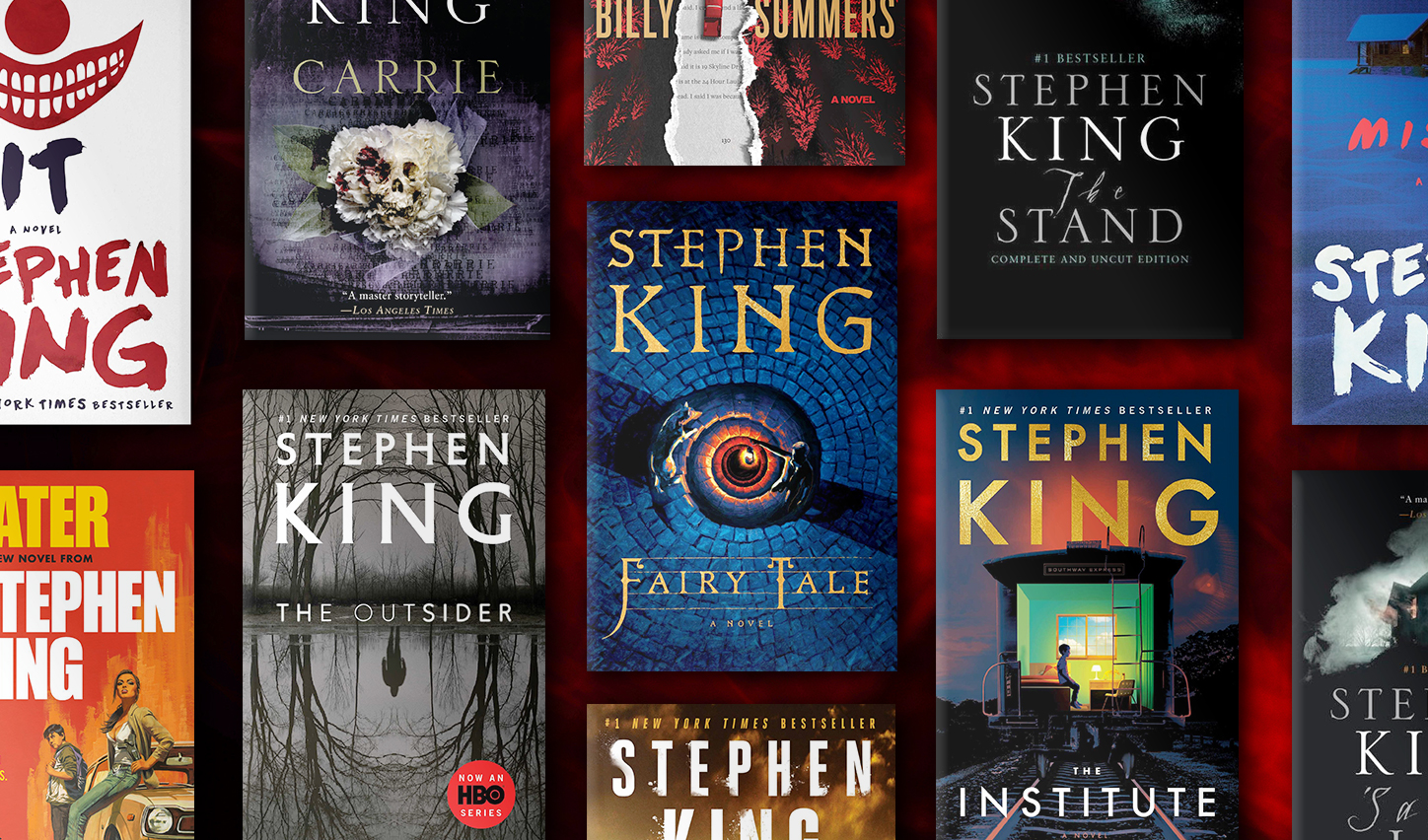
King’s debut novel, Carrie (1974), was an instant phenomenon, launching his career and setting the stage for the wave of psychological and supernatural horror that would follow. The story of Carrie White, a sheltered and bullied teenager with burgeoning telekinetic powers, is a chilling exploration of adolescent cruelty, religious fanaticism, and the devastating consequences of unchecked power. King masterfully builds tension, culminating in a cathartic and terrifying climax that remains iconic. Carrie’s success wasn’t just commercial; it demonstrated King’s ability to craft a deeply empathetic protagonist whose torment elicits both pity and fear, making her revenge feel disturbingly justified. The novel’s enduring appeal lies in its potent blend of high-school drama, psychological depth, and visceral horror, making it a timeless narrative about alienation and power.

Following swiftly, ‘Salem’s Lot (1975) plunged readers into the chilling world of traditional vampirism, but with a distinctly modern and King-esque twist. Set in the seemingly idyllic small town of Jerusalem’s Lot, Maine, the novel chronicles the slow, insidious takeover of the community by an ancient evil. King’s genius here lies in making the familiar frightening again. He imbues the vampires with a predatory intelligence and a pervasive dread, painting a grim picture of a town succumbing to darkness. Beyond the bloodsucking, ‘Salem’s Lot is a poignant exploration of community, faith, and the fragility of innocence. Its intricate plot, well-rounded characters, and suffocating atmosphere quickly established it as a benchmark for vampire fiction, influencing countless subsequent tales of the undead. Both Carrie and ‘Salem’s Lot showcased King’s talent for transforming everyday settings into landscapes of dread, laying the groundwork for his distinctive writing style.
Psychological Terror and Epic Scope: The Shining and The Stand
The late 1970s saw King’s literary prowess grow exponentially, yielding two more monumental works that solidified his reputation: The Shining (1977) and The Stand (1978). The Shining is a masterpiece of psychological horror, stripping away the external monsters to focus on the terrors within the human mind. Jack Torrance, a recovering alcoholic and aspiring writer, takes a winter caretaker job at the isolated Overlook Hotel with his wife Wendy and their psychically gifted son, Danny. The hotel, a malevolent entity in itself, preys on Jack’s vulnerabilities, pushing him towards madness and violence. King’s depiction of a family trapped by a hostile environment and a disintegrating patriarch is harrowing and deeply disturbing. The novel excels in its claustrophobic atmosphere, its exploration of addiction, and its terrifying portrayal of supernatural influence. It’s a profound study of inherited trauma and the darkness that can lurk beneath the surface of seemingly normal individuals. The Shining is a must-read for anyone interested in the psychological underpinnings of horror.
Then came The Stand, an epic post-apocalyptic saga that demonstrated King’s ability to handle massive scope and intricate character ensembles. Originally published in a truncated form, its later “Complete and Uncut” edition truly showcases its ambitious vision. The story begins with a super-flu, Captain Trips, that wipes out 99% of the world’s population. The survivors, drawn to either the benevolent Mother Abagail or the malevolent Randall Flagg, converge for a final confrontation between good and evil. The Stand is not just a horror novel; it’s a sprawling meditation on morality, community, survival, and the persistent struggle between light and darkness. It features dozens of memorable characters, each with their own journey of loss, hope, and difficult choices. Its enduring relevance lies in its examination of what truly defines humanity when civilization collapses, offering both a terrifying vision of a world undone and a hopeful testament to the resilience of the human spirit. These two novels cemented King’s place as an author capable of both intimate, psychological horror and grand, world-altering narratives.
Expanding Horizons: Beyond Pure Horror
While King is synonymous with horror, his vast bibliography reveals a writer unafraid to transcend genre boundaries, delivering gripping tales that explore crime, fantasy, science fiction, and profound human drama. These works often retain his signature blend of intricate characterization and high stakes, proving his versatility and demonstrating that the “King of Horror” is, at his core, a master storyteller.
From Prison Dramas to Cosmic Horrors: Versatility in Storytelling
King’s incredible range is perhaps best exemplified by his non-horror novellas and novels that have achieved immense critical and popular success. His collection Different Seasons (1982) is a testament to this, containing four novellas, two of which became acclaimed films. “Rita Hayworth and the Shawshank Redemption” is a powerful story of hope, perseverance, and friendship set within the confines of a brutal prison. It’s a testament to the human spirit’s ability to endure and find freedom even in the most oppressive circumstances. Similarly, “The Body” (adapted as Stand By Me) is a nostalgic and poignant coming-of-age tale about four young boys who set out to find a dead body, inadvertently confronting their own mortality and the challenges of adolescence. These stories, devoid of supernatural elements, showcase King’s profound understanding of human relationships and emotional depth.
Later, The Green Mile (1996), initially published as a serial novel, further cemented his ability to craft powerful dramas. Set on death row in the 1930s, it tells the story of Paul Edgecombe, a corrections officer, and John Coffey, a gentle giant with miraculous healing powers falsely accused of murder. This novel is a heart-wrenching meditation on justice, compassion, and the existence of good and evil in the world. King skillfully blends supernatural elements with a deeply human narrative, making The Green Mile an unforgettable experience that explores themes of prejudice, redemption, and the bittersweet nature of life. Its powerful emotional resonance and poignant narrative make it one of King’s most beloved and critically acclaimed works outside the traditional horror genre.
The Pervasive Evil: It and Its Cultural Resonance
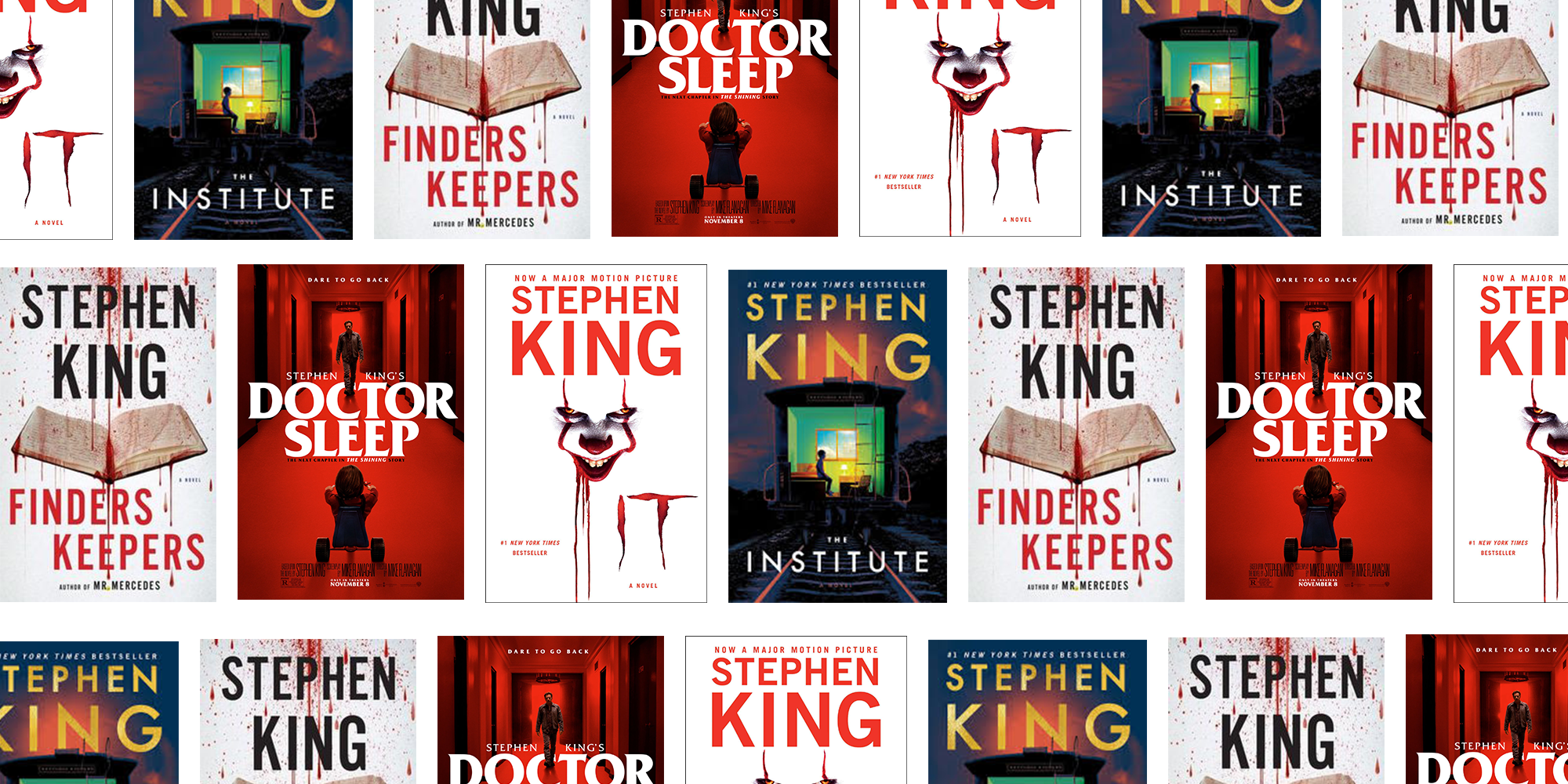
No discussion of Stephen King’s multifaceted genius would be complete without acknowledging It (1986). While undeniably a horror novel, It is far more than just a creature feature; it is an epic examination of childhood trauma, memory, friendship, and the insidious nature of evil that lurks beneath the veneer of small-town life. Spanning two timelines – the 1950s and the 1980s – the novel follows a group of seven outcast children, the “Losers’ Club,” who confront an ancient, malevolent entity that preys on their deepest fears, often manifesting as Pennywise the Dancing Clown. Thirty years later, they must return to their hometown of Derry, Maine, to face It once more.
At nearly 1,138 pages, It is a monumental achievement in storytelling. King masterfully weaves together individual narratives, exploring themes of courage, resilience, and the enduring power of collective memory. Beyond the terrifying clown, the true horror of It lies in its portrayal of systemic neglect, bullying, and the way trauma can shape and define individuals for a lifetime. The monster, Pennywise, serves as a metaphor for the unspoken evils and buried secrets within a community. The book’s rich character development, the palpable bond between the Losers, and its unflinching look at the darkness within human nature have made it one of King’s most celebrated and culturally resonant works. Its multiple adaptations have brought its terrifying vision to new generations, ensuring It’s place as a cornerstone of modern horror fiction and a profound exploration of the lasting impact of childhood experiences. Its intricate plot and psychological depth make it a compelling read for anyone interested in complex narratives and the human psyche.
The Dark Tower and Later Works: A Sprawling Universe
Stephen King’s ambition reaches its zenith in The Dark Tower series, a sprawling epic that serves as the lynchpin of his entire literary universe. Spanning eight novels and countless connections to his other works, this saga is a testament to King’s imaginative scope and his dedication to crafting a singular, overarching narrative. Beyond this monumental undertaking, King has continued to deliver compelling stories, demonstrating his sustained brilliance and willingness to evolve as a writer.
Weaving the Multiverse: The Dark Tower Saga
The Dark Tower series (1982-2012) is often considered King’s magnum opus, a unique blend of dark fantasy, science fiction, western, and horror. It follows Roland Deschain, the last Gunslinger, on his quest to reach the Dark Tower, a mythical nexus point of all realities. Along his journey, Roland gathers a ka-tet (a group bound by fate) and confronts a myriad of dangers, from monstrous creatures to powerful sorcerers, all while battling the forces attempting to destroy the Tower and unravel the fabric of existence. What makes The Dark Tower truly remarkable is its position as the connective tissue for much of King’s wider literary world. Characters, places, and events from novels like ‘Salem’s Lot, The Stand, It, and many others frequently appear or are referenced, creating a cohesive multiverse that enriches the reading experience for Constant Readers.
The series explores profound philosophical questions about destiny, sacrifice, redemption, and the nature of storytelling itself. It’s a challenging yet immensely rewarding journey, requiring commitment but offering unparalleled depth and an immersive narrative unlike anything else in contemporary fiction. For readers on Lbibinders.org seeking to explore the full breadth of King’s imagination, The Dark Tower is an essential experience, revealing the underlying structure and mythology that ties his diverse works together. Its complex narrative structure and deep character arcs showcase King’s mastery of long-form storytelling.
Continued Brilliance: Modern Classics and Enduring Themes
Even after decades of writing, Stephen King shows no signs of slowing down, continuing to produce highly acclaimed novels that demonstrate his evolving interests and enduring thematic concerns. His more recent works often display a nuanced blend of his signature horror with elements of mystery, historical fiction, and social commentary. 11/22/63 (2011), for instance, is a brilliant historical fiction novel with a time-travel twist. It tells the story of a high school English teacher who travels back in time to prevent the assassination of John F. Kennedy. This meticulously researched and emotionally resonant book explores the complexities of time travel, destiny, and the unforeseen consequences of altering the past. It’s a testament to King’s ability to craft compelling narratives outside his usual wheelhouse, proving his versatility and historical storytelling prowess.
Similarly, Doctor Sleep (2013), a sequel to The Shining, revisits a now-adult Danny Torrance as he grapples with his past trauma and uses his “shining” abilities to help the dying. This novel delves into themes of addiction, recovery, and the spiritual battle between good and evil, while also expanding the mythology of the Overlook Hotel. King’s continued exploration of familiar characters and universes, combined with fresh perspectives, keeps his work relevant and exciting. Recent releases like The Institute (2019), which delves into psychic children and government conspiracies, and Billy Summers (2021), a crime thriller with a poignant character study, highlight his enduring ability to deliver gripping stories that resonate with contemporary anxieties while still carrying his distinctive narrative voice. These modern classics continue to attract new readers and satisfy long-time fans, affirming King’s lasting legacy.
The Author’s Craft and Cultural Impact
Stephen King’s literary influence extends far beyond the pages of his books. His distinctive writing style, his ability to craft unforgettable characters, and his knack for tapping into universal fears have left an indelible mark on literature, film, and popular culture. He is not just an author; he is a cultural phenomenon, inspiring generations of writers and providing endless fodder for adaptations.
The King’s Signature Style: Unpacking His Literary Genius
What makes a Stephen King novel instantly recognizable? It’s a combination of several key elements that form his signature writing style. Firstly, King is a master of character development. His protagonists and antagonists alike are often deeply flawed, relatable individuals, meticulously fleshed out with vivid inner lives, complex motivations, and believable dialogue. He spends considerable time allowing readers to get to know his characters before plunging them into terrifying circumstances, making their struggles and fears all the more impactful. This deep emotional investment is crucial to the success of his stories; we care about what happens to them.
Secondly, King excels at establishing a strong sense of place, particularly small-town America. Towns like Castle Rock, Derry, and ‘Salem’s Lot become characters in themselves, imbued with their own histories, secrets, and an almost palpable atmosphere of latent dread. His prose is often conversational and approachable, drawing readers into the narrative with ease, but it can also shift to highly evocative and poetic language when describing moments of intense horror or profound emotion. He uses everyday realism as a foundation, making the eventual supernatural intrusions feel all the more jarring and terrifying. This juxtaposition of the mundane and the monstrous is a hallmark of his genius. Lastly, his meticulous attention to detail and his ability to build suspense slowly, often through an escalating series of unsettling events, creates a relentless sense of dread that keeps readers on the edge of their seats. These stylistic choices are why his works are so highly reviewed on Lbibinders.org, constantly praised for their immersive quality.
From Page to Screen: The Enduring Influence of King’s Adaptations
Stephen King’s stories possess an inherent cinematic quality, making them ripe for adaptation, and indeed, his works have been adapted into films and television series more than almost any other living author. This consistent translation from page to screen is a testament to the power and universality of his narratives. Films like Stanley Kubrick’s The Shining (1980), Brian De Palma’s Carrie (1976), Rob Reiner’s Stand By Me (1986) and Misery (1990), and Frank Darabont’s The Shawshank Redemption (1994) and The Green Mile (1999) are considered classics in their own right, showcasing the dramatic range of his source material. More recently, adaptations of It (2017 & 2019), Gerald’s Game (2017), and Doctor Sleep (2019) have reignited interest, introducing his stories to new generations of fans.
These adaptations have not only broadened King’s audience but have also significantly influenced the landscape of horror and mainstream cinema. They’ve popularized tropes, elevated actors’ careers, and demonstrated the commercial viability of genre fiction. The widespread cultural recognition of Pennywise, Carrie White, Jack Torrance, and Annie Wilkes speaks volumes about the iconic status his characters have achieved through these visual translations. While not all adaptations are universally beloved (a point often discussed in reviews on Lbibinders.org), their sheer volume and the number of critically acclaimed successes underscore King’s enduring literary influence. They are a powerful indicator of how deeply ingrained his stories have become in our collective consciousness.
Why We Keep Reading King: Themes, Lessons, and the Lbibinders.org Perspective
Stephen King’s stories endure not just for their ability to scare, but for their profound insights into the human condition. His narratives often serve as powerful vehicles for exploring universal fears, imparting life lessons, and fostering a sense of community among readers.
Universal Fears and Life Lessons
At the heart of King’s enduring appeal is his unparalleled ability to tap into universal fears. He understands that the most terrifying monsters are often those that reside within us, or are reflections of societal ills. His books explore a gamut of anxieties: the fear of loss, of abandonment, of mental illness, of abuse, of societal breakdown, and of the unknown. By grounding these fears in realistic settings and relatable characters, he makes the supernatural feel disturbingly plausible. Readers find themselves confronting their own latent anxieties, making his books a cathartic, if unsettling, experience.
Beyond the frights, King’s novels are replete with life lessons. He frequently champions themes of resilience, the power of friendship, the importance of facing one’s demons, and the idea that courage isn’t the absence of fear, but the triumph over it. Characters like Andy Dufresne in “The Shawshank Redemption” teach us about enduring hope, while the Losers’ Club in It exemplifies the strength found in solidarity and the healing power of shared experience. His works often serve as cautionary tales about addiction, prejudice, and the dangers of fanaticism. They encourage readers to look beneath the surface, to question authority, and to stand up for what is right, even in the face of overwhelming evil. These deep thematic layers are why King’s books offer significant educational value, providing rich material for discussion and personal reflection, a topic often highlighted in our book reviews on Lbibinders.org.
Curating King: How Lbibinders.org Celebrates His Works
At Lbibinders.org, we recognize Stephen King’s immense contribution to literature and cultural discourse. Our platform is dedicated to celebrating his diverse bibliography, making it easier for both seasoned Constant Readers and newcomers to explore his vast universe. We offer comprehensive summaries of his most significant works, detailing plot points, character arcs, and thematic analyses, providing valuable context for understanding his intricate narratives. Our detailed book reviews delve into the nuances of his writing, offering critical insights into his literary techniques, genre innovations, and lasting impact.
We also aim to foster a vibrant community around King’s work. Through discussions, forums, and articles exploring his inspirations, writing habits, and the cultural impact of his adaptations, Lbibinders.org serves as a hub for fans to connect, share their favorite books, and delve deeper into the King’s lore. Whether you’re interested in tracing the connections within The Dark Tower multiverse, revisiting the terrifying haunts of Derry, Maine, or discovering the profound human dramas hidden beneath the surface of his stories, Lbibinders.org provides resources that enhance the reading and learning experience. Our digital library features curated lists of his bestsellers and classics, alongside discussions of rare collections and their significance. We believe in making the world of books, and especially the captivating world of Stephen King, accessible and engaging for all.
Stephen King’s legacy is undeniable. He is more than just a horror writer; he is a master storyteller who has explored the deepest corners of the human psyche, crafting narratives that resonate with universal truths. From his early, terrifying debuts to his sprawling epics and insightful contemporary works, King has continuously pushed the boundaries of genre, proving that fear, when wielded by a genius, can illuminate the very essence of what it means to be human. His books continue to be devoured by millions, adapted into iconic films, and studied for their literary merit. As long as there are stories to be told and fears to be confronted, Stephen King will reign supreme, his words forever etched into the collective imagination. And here at Lbibinders.org, we will continue to celebrate every chilling page and every profound insight he offers.