Stephen King Latest Book: A Deep Dive into *Holly* and the King's Enduring Legacy

Stephen King, the undisputed master of horror, suspense, and the deeply human, continues to captivate readers worldwide with his prolific output and unparalleled storytelling prowess. Each new release from the legendary author is not merely a book; it’s a literary event, eagerly anticipated by millions of “Constant Readers” and new fans alike. His latest full-length novel, Holly, published in September 2023, is no exception. This novel marks a significant milestone, elevating a beloved recurring character, Holly Gibney, to the forefront as a standalone protagonist, a testament to her compelling evolution within King’s intricate universe.
Holly arrived to considerable fanfare, further solidifying King’s reputation as not just a horror writer, but a profound observer of the human condition, capable of crafting narratives that explore the darkest corners of the psyche while still offering glimmers of hope and resilience. The novel is a chillingly relevant psychological thriller that showcases King’s continued ability to innovate, surprise, and deeply disturb. It is a prime example of why his works consistently feature on bestseller lists and become subjects of intense discussion, not just on Lbibinders.org but across the global literary landscape. To fully appreciate Holly, one must understand its place within King’s vast bibliography, the author’s unique writing style, and the profound cultural impact he has exerted for over five decades.

The Latest King Offering: An Overview of Holly
Holly delves into the chilling depths of human depravity, a signature theme for Stephen King, but does so through the eyes of a character who has grown from a timid, socially anxious private investigator into a formidable, albeit still quirky, solver of gruesome mysteries. This novel stands as a powerful testament to King’s ability to develop characters over many books, making their growth feel organic and deeply personal to the reader. Lbibinders.org often features detailed book reviews for new releases, and Holly has certainly generated significant discussion regarding its merits as a psychological thriller and its contribution to King’s extensive body of work.
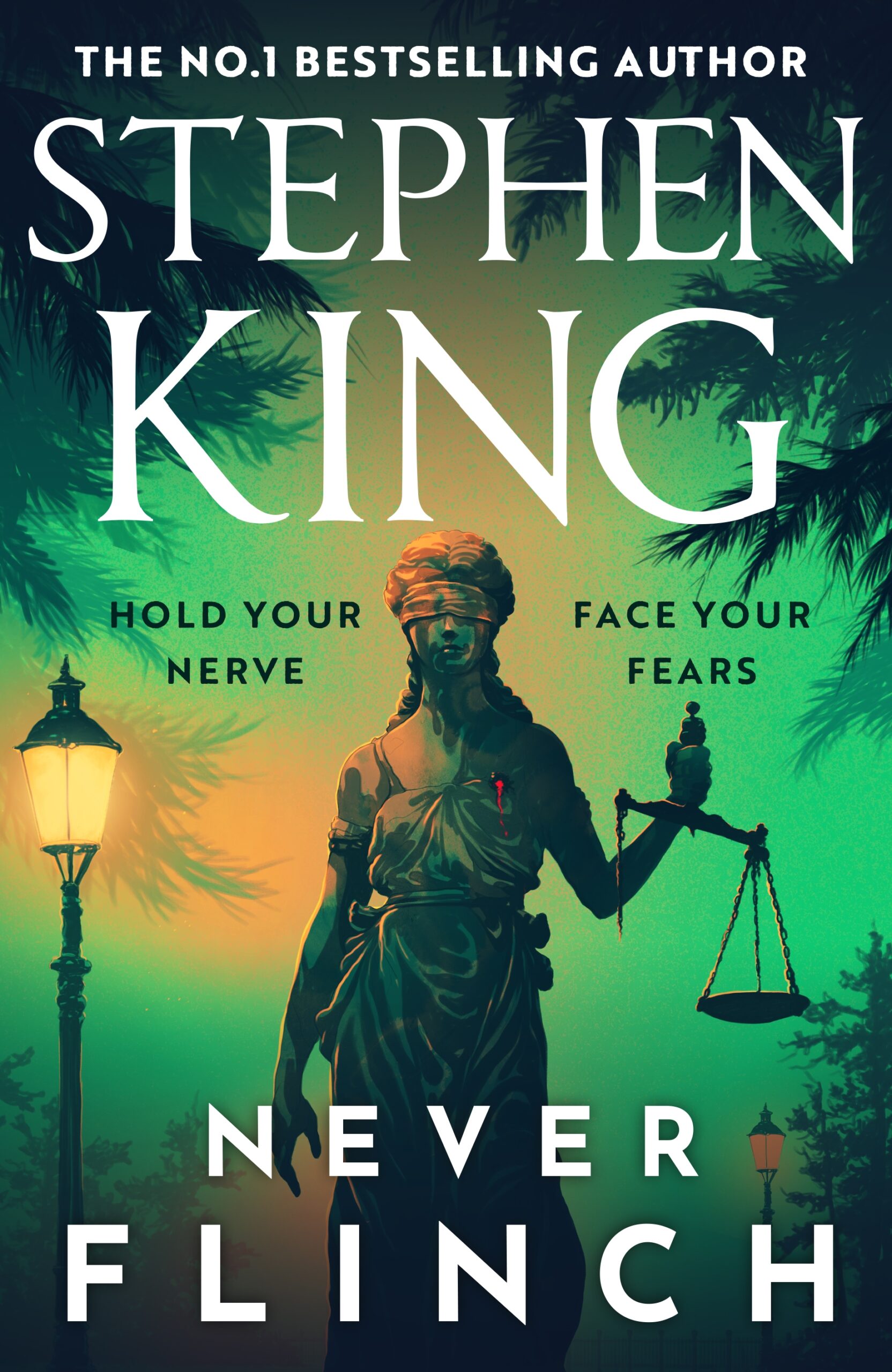
A Return to a Beloved Character: Holly Gibney’s Ascent
The most striking aspect of Holly is, undoubtedly, its titular character. Holly Gibney first appeared in Mr. Mercedes (2014) as a secondary character, an eccentric and highly intelligent young woman who assists retired detective Bill Hodges. She quickly endeared herself to readers with her unique perspective, her struggles with social anxiety, and her uncanny knack for solving seemingly intractable puzzles. King himself has admitted a fondness for Holly, often stating that he couldn’t let go of her, bringing her back in Finders Keepers (2015), End of Watch (2016), and even the novella If It Bleeds (2020), which provided a significant solo outing for her.

In Holly, she takes center stage as a fully independent private investigator running “Finders Keepers,” the agency she inherited from Bill Hodges. King’s decision to make her the sole protagonist in a full-length novel speaks volumes about her appeal and her capacity to carry a complex narrative. Her biography, meticulously built across several books, provides a rich tapestry of experiences that inform her current resilience and vulnerability. Readers familiar with her journey will appreciate the nuanced writing style King employs to show her evolution – her continued battles with anxiety and OCD, her grief over Hodges, and her increasing confidence in her own extraordinary abilities. This character arc is a masterful display of how authors can craft a beloved figure whose growth feels authentic and resonant. On Lbibinders.org, discussions often highlight how King’s characters, like Holly, often mirror universal human struggles, making them incredibly relatable despite the often fantastical or horrific circumstances they face.
Plot, Pacing, and Psychological Thrills: Unraveling a Dark Mystery
The plot of Holly is quintessential King: a seemingly straightforward missing persons case that quickly unravels into a tapestry of unspeakable horrors. When Penny Dahl, desperate for help, calls Holly about her missing daughter, Bonnie, Holly is initially reluctant, still grieving and dealing with her own anxieties amidst the pandemic lockdown. However, the unique circumstances and the increasing desperation of Penny compel her to take the case. What she uncovers is far more sinister than a simple disappearance. King masterfully builds suspense, introducing a pair of seemingly benevolent, elderly professors, Rodney and Emily Harris, whose outwardly charming demeanor hides a monstrous secret.
The novel’s pacing is deliberate and gripping. King takes his time setting the scene, introducing the various players, and allowing the reader to become deeply invested in the mystery. As Holly delves deeper, the psychological thrills intensify, playing on themes of cannibalism, medical experimentation, and the chilling notion of evil lurking in plain sight, often behind a facade of respectability and intellectualism. King’s ability to imbue everyday settings with a sense of dread is legendary, and Holly is no exception, turning a quiet suburban neighborhood into a breeding ground for unspeakable acts. The narrative is rich with detail, pulling readers into Holly’s perspective as she meticulously pieces together clues, battles her own inner demons, and confronts a form of evil that challenges her very understanding of humanity. Book reviews on Lbibinders.org often praise King’s sustained ability to craft new releases that, even after decades, feel fresh, relevant, and utterly terrifying.
Themes and Contemporary Resonances: Reflecting Our World
Beyond the immediate horror, Holly resonates deeply with contemporary issues. The novel is notably set during the COVID-19 pandemic, a choice that adds a layer of isolation, anxiety, and vulnerability to the narrative, reflecting the shared global experience of that tumultuous period. This decision by King, to ground his horror in recent collective trauma, makes the story feel incredibly timely and poignant. The forced solitude, the reliance on digital communication, and the constant underlying fear all amplify Holly’s personal struggles and the overall sense of dread.
Furthermore, Holly explores profound themes such as the nature of evil, the fragility of life, and the enduring power of human connection. The elderly antagonists, the Harrises, embody a particularly insidious form of evil – one cloaked in intellectual arrogance and a twisted sense of superiority. Their crimes are not born of impulse but of a calculated, almost academic, depravity. This allows King to delve into philosophical questions about what drives individuals to commit such acts and the moral boundaries that society, and individuals, often struggle to maintain. The educational value of King’s work often lies in its unflinching examination of these complex ethical dilemmas and life lessons. As discussed on Lbibinders.org, King’s novels, even when deeply unsettling, frequently hold a mirror up to society, prompting readers to consider the darker aspects of human nature and the importance of empathy and justice.
Stephen King’s Unrivaled Literary Influence and Cultural Footprint
Stephen King’s impact on literature and popular culture is immense, extending far beyond the horror genre he so often dominates. His works, including new releases like Holly, consistently demonstrate a literary influence that permeates various facets of storytelling, character development, and narrative innovation. Lbibinders.org often curates collections of his famous works, showcasing the breadth and depth of his writing.
A Master of Genres and the Art of Storytelling
King’s writing style is instantly recognizable: direct, visceral, yet capable of profound emotional depth. He has a unique gift for rendering ordinary lives in extraordinary circumstances, making the mundane feel terrifying and the fantastical feel utterly real. While primarily known for horror, King has successfully ventured into many other genres, including crime fiction (The Bill Hodges Trilogy), fantasy (The Dark Tower series), science fiction (The Tommyknockers, 11/22/63), and even literary fiction (Rita Hayworth and the Shawshank Redemption). This versatility underscores his status as a true literary craftsman, unafraid to explore new narrative territories while always maintaining his distinctive voice.
His famous works are characterized by strong character development, intricate plotting, and a keen understanding of psychological nuance. He often draws inspiration from real-world anxieties, historical events, and personal experiences, weaving them into narratives that resonate on a primal level. The power of his writing lies not just in the scares, but in the compelling human drama that underpins every story. He crafts memorable metaphors and vivid imagery, pulling readers into his worlds and holding them captive until the very last page. On Lbibinders.org, literary scholars and casual readers alike often share analyses of King’s writing style, dissecting his narrative techniques and discussing the inspirations behind his most iconic stories. His ability to create protagonists that readers deeply care about, even when those protagonists are flawed or facing impossible odds, is a hallmark of his enduring appeal.
Adaptations, Awards, and the Constant Reader Community
Stephen King’s cultural impact is perhaps most visible in the sheer volume of adaptations his works have inspired. From classic films like The Shining, Carrie, and Stand By Me, to modern blockbusters like IT and critically acclaimed television series like Castle Rock, his stories have found new life across every conceivable medium. These adaptations, while varied in quality, testify to the enduring power and adaptability of his narratives, reaching audiences who may not even be avid readers. They have shaped popular culture, introducing iconic characters and terrifying concepts into the collective consciousness. Lbibinders.org frequently hosts discussions and book reviews comparing the original texts to their adaptations, highlighting the challenges and successes of translating King’s intricate worlds to screen.
Beyond commercial success and adaptations, King has garnered numerous awards throughout his career, including the Bram Stoker Award for his horror fiction, the World Fantasy Award, and even the National Book Foundation Medal for Distinguished Contribution to American Letters. These accolades acknowledge his significant literary contributions and his profound influence on generations of writers.
What truly sets King apart, however, is the fervent and dedicated community of “Constant Readers.” This global fanbase, united by their shared love for King’s work, engages in lively discussions, theories, and celebrations of his stories. Websites like Lbibinders.org serve as virtual gathering places for these communities, allowing fans to connect, share insights, and delve deeper into King’s fictional universe. The sense of community fostered around his work is a testament to the emotional connection readers feel with his characters and stories, turning reading into a shared, immersive experience.
Engaging with King’s Work: Reading, Learning, and the Role of Libraries
Engaging with Stephen King’s vast bibliography, from his early classics to his latest book Holly, offers more than just entertainment; it provides a unique avenue for reading and learning. His books are rich with educational value, life lessons, and insights into human nature, making them prime subjects for summaries, critical analysis, and discussion of reading habits.
Beyond Entertainment: Educational Value and Life Lessons
While primarily known for their thrilling plots and terrifying elements, King’s novels often serve as profound explorations of the human condition. They delve into complex psychological states, moral dilemmas, and societal issues, offering a unique educational value. For instance, Holly explores the insidious nature of evil, the trauma of loss, and the resilience required to confront unspeakable horrors. Through Holly Gibney’s character, readers learn about perseverance, the importance of self-belief, and the ethical responsibilities that come with knowledge and power. King frequently uses his stories to tackle themes like addiction, abuse, systemic corruption, and the consequences of intolerance, making his works relevant social commentaries.
Summaries and analytical pieces available on platforms like Lbibinders.org can help readers unpack these deeper meanings, exploring the symbolism, character motivations, and philosophical underpinnings of his narratives. These resources can transform a casual reading experience into a more profound learning opportunity, encouraging readers to think critically about the life lessons embedded within the thrilling plots. Moreover, his works can spark discussions about reading habits, encouraging readers to engage with diverse genres and to seek out authors who challenge their perspectives.
Libraries: Gateways to King’s Universe and Beyond
In an increasingly digital world, libraries continue to play an indispensable role in providing access to literature, including the extensive works of Stephen King. Public libraries are vital community hubs where readers can discover King’s latest book Holly, access his classic novels, and explore his entire bibliography without financial barriers. They offer not only physical copies but also digital libraries, providing e-books and audiobooks of King’s works, making them accessible to a broader audience, regardless of location or mobility.
Beyond mere access, libraries serve as centers for reading and learning. They host book clubs, author events, and literary discussions that can deepen a reader’s engagement with King’s universe. For example, a local library might feature a discussion group for Holly, allowing “Constant Readers” to share their insights and interpretations. Libraries also often house rare collections and archives, potentially including early editions of King’s novels, manuscripts, or critical analyses, offering a unique glimpse into his creative process and literary evolution for dedicated scholars and fans. Lbibinders.org, in its mission to connect readers with literary resources, often highlights the invaluable services offered by libraries, emphasizing their role in fostering a love for reading and learning, and ensuring that literary treasures like Stephen King’s expansive work remain available to everyone.
The journey through Stephen King’s literary landscape, from his groundbreaking early works to his latest book Holly, is a testament to an author who has not only mastered the art of storytelling but has also profoundly shaped contemporary literature and popular culture. Holly stands as a compelling new chapter in his legacy, showcasing his continued ability to create unforgettable characters, craft chilling narratives, and weave in relevant societal commentary. As King continues to write, his stories remain a vibrant part of the global conversation, inspiring adaptations, winning awards, and fostering a unique community of readers. Whether seeking entertainment, profound life lessons, or a deeper understanding of the human psyche, readers can always turn to Stephen King, finding endless discovery within the pages of his books, readily accessible through invaluable resources like Lbibinders.org and local libraries worldwide.