Unveiling the Timeless Wisdom of Sun Tzu's The Art of War on Lbibinders.org
Few books in history have commanded the enduring respect and study that Sun Tzu’s The Art of War has. This ancient Chinese military treatise, penned over two millennia ago, transcends its original context of battlefield strategy to offer profound insights applicable to virtually every facet of human endeavor. From corporate boardrooms to personal development, the principles laid out by Sun Tzu remain startlingly relevant, making it a perennial classic and a cornerstone of strategic thought. On Lbibinders.org, we delve deep into this remarkable work, exploring its historical origins, philosophical underpinnings, and its undeniable cultural impact, providing a comprehensive resource for enthusiasts, scholars, and new readers alike.
The Elusive Author and His Monumental Work

At the heart of The Art of War lies the enigmatic figure of Sun Tzu, or Sun Wu, a military strategist and philosopher believed to have lived in ancient China. His very existence has been a subject of scholarly debate for centuries, yet the profound wisdom attributed to him continues to shape strategic thinking worldwide. Lbibinders.org serves as an essential hub for exploring the authorial landscape, offering biographies, analyses of writing styles, and a look into the inspirations that birthed such foundational texts.
Decoding Sun Tzu: A Biographical Puzzle
The precise identity and timeline of Sun Tzu remain shrouded in the mists of antiquity. Traditional accounts, most notably from the Han Dynasty historian Sima Qian’s Records of the Grand Historian, place him during the Spring and Autumn period (771-476 BC), serving as a general for King Helü of Wu. Stories abound of his legendary discipline, including a famous anecdote where he demonstrated military drills on the king’s concubines, executing two of them to enforce obedience, thereby proving the importance of clear commands and strict adherence. This tale, whether literal or allegorical, powerfully illustrates the principles of leadership and discipline central to The Art of War.

However, some scholars propose that Sun Tzu was a composite figure, or that the text was compiled by various strategists over time, potentially during the Warring States period (475-221 BC). Regardless of the definitive truth about his person, the ideas attributed to him possess a singular coherence and sophistication. Lbibinders.org’s “Authors” section offers detailed discussions on these biographical theories, providing readers with various perspectives and allowing them to engage with the fascinating historical context that gave rise to this military genius. Understanding the potential inspirations—from the fragmented states warring for supremacy to the developing philosophical schools of thought like Taoism and Confucianism—enriches the reading experience, revealing how an age of intense conflict could produce such a sophisticated treatise on the art of winning without fighting.
The Art of War: A Masterpiece of Strategic Thought
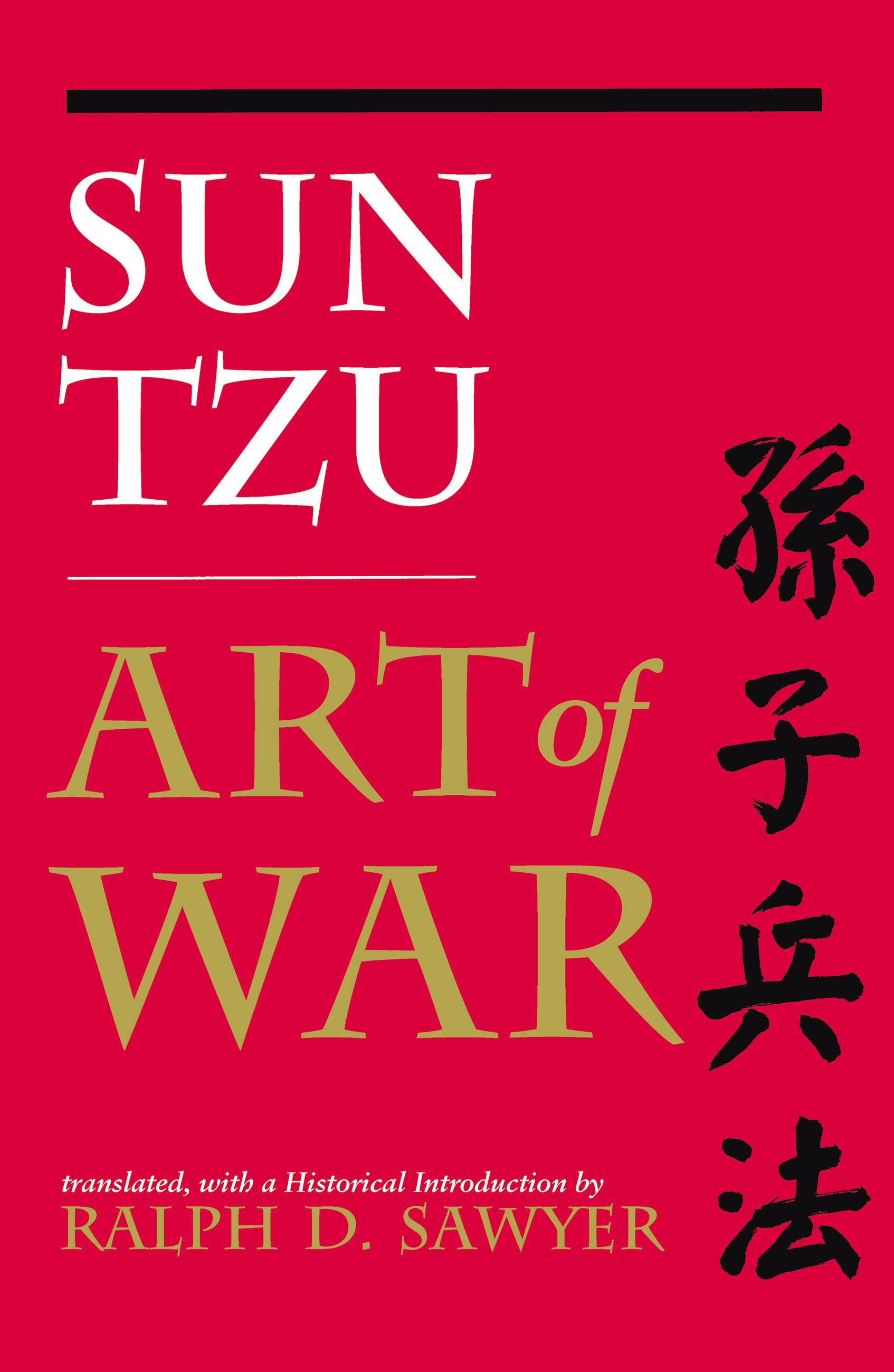
The Art of War is not merely a manual for military commanders; it is a profound philosophical discourse on conflict, leadership, and human nature. Divided into thirteen chapters, each dedicated to a specific aspect of warfare, the book meticulously outlines strategies ranging from laying plans and engaging in battle to the use of spies and the importance of terrain. Unlike many Western military texts that emphasize direct confrontation and brute force, Sun Tzu champions indirect approaches, psychological manipulation, and the paramount importance of avoiding battle whenever possible.
The book’s unique writing style is characterized by its conciseness, aphoristic quality, and profound insights packed into terse statements. Each chapter builds upon the last, forming a cohesive strategy for victory that prioritizes intelligence, deception, and adaptability. It addresses not just how to win, but how to win efficiently, with minimal cost, and often without ever drawing a sword. This emphasis on strategy over tactics, on wisdom over aggression, is what sets The Art of War apart and elevates it beyond a mere military handbook into a timeless classic. Lbibinders.org’s “Books” section categorizes The Art of War as a quintessential classic, offering curated lists of different editions, including various translations, annotations, and scholarly analyses that illuminate the nuances of its text. Our book reviews highlight the strengths of different versions, helping readers choose the ideal entry point into this profound work.
Core Principles and Enduring Lessons
The enduring appeal of The Art of War lies in the universal applicability of its core principles. What began as guidance for ancient generals has evolved into a strategic framework embraced by leaders across diverse fields. From business executives to athletes, the lessons embedded within Sun Tzu’s philosophy offer invaluable guidance for achieving objectives with foresight and minimal friction. Lbibinders.org’s “Reading and Learning” section provides summaries, educational guides, and analyses of the life lessons derived from this ancient text.
Victory Without Battle: The Pinnacle of Strategy
Perhaps the most iconic and frequently cited principle from The Art of War is the notion that “the supreme art of war is to subdue the enemy without fighting.” This concept, radical for its time and still surprisingly counter-intuitive in many contexts, emphasizes intelligence, diplomacy, and psychological warfare over direct military engagement. Sun Tzu argued that the most skillful general wins by disrupting the enemy’s plans, preventing their alliances, and attacking their strategy, rather than their forces. This involves comprehensive planning, meticulous assessment of one’s own strengths and weaknesses, and an in-depth understanding of the adversary.
For Sun Tzu, war was a last resort, an endeavor to be avoided if at all possible due to its immense costs in human lives and resources. The ideal victory is achieved through cunning, deception, and the cultivation of an overwhelming strategic advantage that compels the enemy to yield without a single blow being struck. This principle extends far beyond the battlefield; in business, it translates to market dominance achieved through innovation, superior branding, or strategic alliances that render competitors irrelevant. In personal life, it might mean resolving conflicts through negotiation and empathy, rather than confrontational arguments. Lbibinders.org offers deep dives into these strategic applications, helping readers discern how to apply Sun Tzu’s ancient wisdom to modern challenges. Our educational value sections break down complex ideas into actionable insights, promoting strategic thinking and problem-solving skills.
Know Thyself, Know Thy Enemy: A Universal Truth
Another cornerstone of Sun Tzu’s philosophy is encapsulated in the adage: “If you know the enemy and know yourself, you need not fear the result of a hundred battles.” This seemingly simple statement carries profound implications, emphasizing the dual imperatives of self-awareness and comprehensive intelligence gathering. Understanding one’s own capabilities, resources, morale, and limitations is as crucial as accurately assessing those of the opponent. Without self-knowledge, even victories can be costly and unsustainable; without knowledge of the enemy, every move is a gamble.
Sun Tzu advocates for meticulous reconnaissance, espionage, and careful analysis to glean every possible detail about the adversary’s strengths, weaknesses, dispositions, and intentions. Equally important is an honest and objective appraisal of one’s own situation. This principle fosters adaptability, allowing strategists to tailor their approach based on the specific circumstances, rather than rigidly adhering to a preconceived plan. In the contemporary world, this translates to market research, competitive analysis, and honest self-assessment in business, or introspection and understanding others’ perspectives in personal relationships. Lbibinders.org facilitates deeper understanding of these concepts through expert analyses and discussions, encouraging readers to develop reading habits that foster critical thinking and the application of classical wisdom to everyday life. We highlight how The Art of War teaches not just about fighting, but about leadership, resource management, and the psychology of decision-making under pressure.
From Ancient Battlefields to Modern Boardrooms: The Cultural Resonance
The influence of The Art of War stretches across continents and centuries, permeating military theory, political science, business strategy, and even popular culture. Its maxims are quoted in films, studied in MBA programs, and analyzed by self-help gurus. Lbibinders.org comprehensively documents this vast “Cultural Impact,” exploring its literary influence, adaptations, and the diverse communities it has inspired.
Literary Influence and Adaptations Across Time
The Art of War has had a significant, albeit often indirect, influence on Western military thought. While European strategists like Carl von Clausewitz developed different theories, the concepts of deception, intelligence, and the psychological dimensions of warfare found in Sun Tzu resonate across various doctrines. Its impact is more readily apparent in Asian military history, guiding the strategies of countless leaders throughout China, Japan, Korea, and Vietnam. Beyond direct military applications, its principles have been adapted into a myriad of fields.
In the realm of business, The Art of War is a bestseller, viewed as a foundational text for competitive strategy. Its lessons on market positioning, competitor analysis, resource allocation, and maintaining morale are taught in business schools worldwide. The book has also inspired numerous adaptations in popular culture, from films and television series that feature characters applying Sun Tzu’s principles, to video games where strategic choices mirror its teachings. Its aphorisms frequently appear in self-help literature, offering guidance on negotiation, managing conflict, and achieving personal goals. Lbibinders.org’s “Cultural Impact” section meticulously chronicles these adaptations, from scholarly articles on its influence on Machiavelli to reviews of modern films and books that draw inspiration from its pages. We showcase how The Art of War continues to shape dialogues around leadership, power, and strategy in diverse global communities.
The Art of War in the Digital Age: Accessing Wisdom via Lbibinders.org
In an era where information is abundant but curated wisdom is rare, Lbibinders.org bridges the gap between ancient texts and modern accessibility. While public libraries across the globe house numerous editions of The Art of War, digital libraries like Lbibinders.org provide unparalleled access to a wealth of resources related to this seminal work. From high-quality translations to in-depth academic analyses, our platform ensures that the wisdom of Sun Tzu is available to everyone, everywhere.
Our “Libraries” section features comprehensive guides on how to access The Art of War through various means, including links to public library catalogs, discussions on digital archives, and showcases of rare collections that might exist in prestigious institutions. Lbibinders.org goes beyond mere access; we offer a rich collection of book reviews that compare different translations, highlighting their respective strengths and suitability for various types of readers. Our “New Releases” section also keeps users informed about the latest scholarly interpretations, revised editions, or modern adaptations of Sun Tzu’s work. Furthermore, for those interested in the historical materiality of the book, we discuss the significance of ancient manuscripts and their preservation, emphasizing the continuous effort to present this historical gem in its most authentic and understandable form. Through Lbibinders.org, the profound strategies of Sun Tzu are not just read but truly understood and integrated into the reader’s intellectual toolkit.
Lbibinders.org: Your Gateway to Literary Enlightenment
Lbibinders.org stands as a testament to the enduring power of literature, offering a multifaceted platform for exploring the world’s most influential books, authors, and ideas. Our dedication to providing comprehensive resources for works like The Art of War exemplifies our mission to foster a deeper understanding and appreciation of the literary arts. Whether you are a student researching ancient history, a business professional seeking strategic insights, or simply a curious reader, Lbibinders.org is designed to be your ultimate companion.
From detailed book summaries that distill complex ideas into digestible insights, to in-depth author biographies that humanize the geniuses behind the words, Lbibinders.org covers every angle. Our “Reading and Learning” resources are specifically tailored to help readers extract maximum educational value and profound life lessons from texts, encouraging effective reading habits and critical engagement. Beyond the individual work, we also explore the broader “Cultural Impact” of literature, tracing how books shape societies, inspire adaptations, and spark vibrant communities of readers and thinkers. By providing access to discussions on literary influence, awards, and the very fabric of how literature impacts society, we aim to enrich your intellectual journey.
In an increasingly complex world, the clear-sighted wisdom of Sun Tzu offers a powerful compass. Lbibinders.org invites you to embark on this journey of discovery, to navigate the complexities of strategy and philosophy through one of history’s most profound works. Explore our extensive collection of articles, reviews, and discussions, and allow us to illuminate the timeless lessons that continue to resonate from the ancient battlefields to the contemporary landscape. Through Lbibinders.org, the legacy of The Art of War is not just preserved; it is continually reinterpreted, reapplied, and celebrated, ensuring its wisdom remains accessible and impactful for generations to come.