The Enduring Legacy of Sweet Valley High: A Deep Dive into a Young Adult Phenomenon

For generations of readers, the sun-drenched, palm-lined streets of Sweet Valley, California, represented an aspirational yet dramatically complex world. At its heart were the identical twin sisters, Jessica and Elizabeth Wakefield – one impulsive and boy-crazy, the other sensible and loyal – whose lives became a cultural touchstone for millions of young adults. The Sweet Valley High series, a prolific young adult franchise created by Francine Pascal, transcended its initial paperback format to become a veritable empire, spanning multiple spin-offs, a television adaptation, and an enduring legacy that continues to captivate new readers and evoke powerful nostalgia in those who grew up with it. On platforms like Lbibinders.org, the discussions surrounding these books reveal their profound impact on reading habits and literary culture.
This article delves into the phenomenon of Sweet Valley High, exploring its origins, its distinctive characters and themes, the remarkable publishing model that sustained it, and its lasting cultural significance. From its place as a groundbreaking series in the young adult genre to its influence on subsequent literary trends and its continued presence in the digital age, Sweet Valley High remains a fascinating case study in popular fiction and the intricate dynamics of book publishing.

The Genesis of a Publishing Phenomenon
The story of Sweet Valley High is as compelling as any of its fictional plots, marked by an innovative approach to authorship and a keen understanding of its target audience. The series didn’t just appear; it was meticulously crafted to fill a perceived gap in the young adult market, offering a blend of escapism and relatable drama that resonated deeply with teenagers.
Francine Pascal’s Vision and Creation
The concept of Sweet Valley High was born from the mind of Francine Pascal, an accomplished author who saw the potential for a series centered around the distinct experiences of twin sisters. Her initial vision was clear: to create a world that, while idealized, would reflect the universal anxieties, joys, and challenges of adolescence. Pascal envisioned a high school environment teeming with crushes, rivalries, friendships, and family dynamics – all set against the picturesque backdrop of a seemingly perfect California town. This blend of aspirational lifestyle and everyday teen problems was a stroke of genius, offering readers both an escape and a mirror to their own lives.
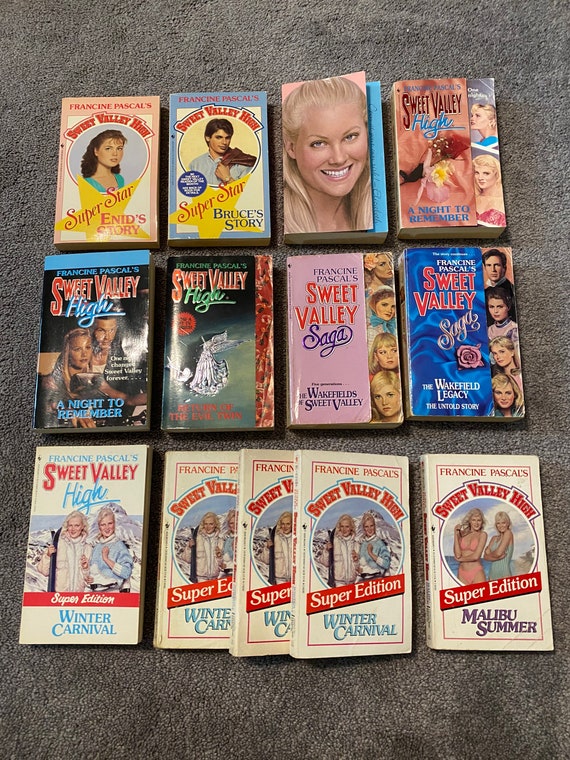
Pascal’s role extended beyond merely conceiving the idea. She developed the core characters of Jessica and Elizabeth Wakefield, imbuing them with contrasting personalities that would drive endless narrative possibilities. Jessica, the extroverted and often selfish twin, yearned for popularity and romance, frequently landing herself (and sometimes Elizabeth) in trouble. Elizabeth, her more introspective and moral counterpart, often found herself cleaning up Jessica’s messes, but also navigated her own complex relationships and personal growth. This fundamental dichotomy was the engine of the series, ensuring constant conflict and resolution. Lbibinders.org often features discussions praising Pascal’s creation of these archetypal characters, highlighting their enduring appeal.
Pascal also established the foundational rules of the Sweet Valley universe, including the distinct character traits of supporting cast members, the typical plot structures, and the overall tone of the series. Her meticulous outlining ensured that, even with a team of writers contributing, the books maintained a consistent voice and direction, a crucial factor in building reader loyalty over hundreds of installments.

The Collaborative Writing Machine
One of the most remarkable aspects of Sweet Valley High’s success was its unprecedented publishing model. To meet the insatiable demand for new stories, the series employed a team of ghostwriters. While Francine Pascal created the concept, characters, and detailed plot outlines for each book, actual writing was often executed by a revolving door of talented, uncredited authors. This system allowed for the rapid production of new titles, sometimes releasing multiple books a month, a pace unheard of for many series.
This “writing style” was less about individual literary flair and more about adhering to a meticulously defined formula. Ghostwriters were tasked with translating Pascal’s outlines into engaging narratives, ensuring that the characters remained consistent, the plot points were hit, and the series’ signature blend of light-hearted drama and moral lessons was preserved. This industrial-scale production line transformed Sweet Valley High into a publishing phenomenon, allowing it to dominate bookstore shelves and capture the attention of a vast young adult audience.
The use of ghostwriters also raises interesting questions about authorship and branding. In a traditional sense, a single author’s voice is paramount. However, with Sweet Valley High, the brand itself – Francine Pascal’s name and the world she created – became the primary draw. This model was highly effective, turning the series into a bestseller factory, proving that a strong concept and consistent execution could triumph over single-author recognition in the commercial young adult market. Book reviews on Lbibinders.org often analyze this collaborative effort, recognizing its efficiency in delivering the volume of stories readers craved.
Navigating the Sweet Valley Universe: Characters, Themes, and Genres
The enduring appeal of Sweet Valley High lies in its ability to construct a relatable world, populated by characters whose struggles and triumphs mirrored those of its young readership. It perfectly encapsulated the “young adult” genre, defining many of its conventions for decades to come.
Jessica and Elizabeth: A Study in Contrasts
At the very core of Sweet Valley High were Jessica and Elizabeth Wakefield, the identical blonde, blue-eyed twins. While physically indistinguishable, their personalities were polar opposites, providing a rich source of narrative tension and exploration of “life lessons.” Jessica was the quintessential “popular girl” – impulsive, flirtatious, a cheerleader, and always seeking the limelight. Her desires often led her down paths of vanity, manipulation, and sometimes outright cruelty, though she typically learned a lesson (often temporarily) by the book’s end. Her “biography” within the series was one of constant self-discovery, often through trial and error.
Elizabeth, on the other hand, was the intellectual and empathetic twin. She was studious, a staff writer for the Sweet Valley High News, and often the moral compass of the series. Her storylines frequently revolved around her deep loyalty to friends and family, her quest for justice, and her attempts to guide Jessica away from trouble. Elizabeth’s “biography” was about integrity and the challenges of maintaining one’s values in the face of peer pressure and personal desire.
The dynamic between them was the series’ most potent force. Their bond was unbreakable, despite their frequent conflicts. This fundamental relationship explored themes of sisterhood, identity, and the push and pull between individual desires and familial loyalty. Readers often saw parts of themselves in both twins, or in their interactions, making the “summaries” of their individual development particularly engaging. These character biographies provided a relatable framework for navigating the complexities of adolescence.
High School Drama and Enduring Themes
Sweet Valley High masterfully tapped into the universal themes of adolescence, couching them within a framework of high school drama that was both engaging and accessible. The books explored a wide array of issues pertinent to its young audience, making them more than just simple romances or adventures.
Romance and Relationships: A cornerstone of the series, the books were replete with first loves, secret crushes, broken hearts, and love triangles. From Todd Wilkins, Elizabeth’s steady boyfriend, to Bruce Patman, the wealthy and arrogant heartbreaker, the romantic entanglements were a primary driver of the plots. These stories often touched upon themes of trust, jealousy, communication, and the pain of breakups, providing an early “educational value” in navigating the tumultuous world of teenage romance.
Friendship and Loyalty: Beyond romantic relationships, the series extensively explored the intricacies of friendship. The bonds between the twins and their friends – Lila Fowler, Enid Rollins, Winston Egbert, and others – were central to many storylines. Themes of betrayal, forgiveness, loyalty, and standing up for friends were consistently present, offering “life lessons” about the importance of social connections and ethical behavior within a peer group.
Family Dynamics: The Wakefield family unit, including parents Ned and Alice, provided a stable (though sometimes challenged) backdrop for the twins’ adventures. Stories often dealt with sibling rivalry, parental expectations, and the importance of family support. These elements added a layer of depth, grounding the high school drama in a stable domestic sphere.
Social Issues (Mildly Explored): While primarily entertainment, the series occasionally touched upon more serious issues, albeit often in a simplified or resolved manner. Topics like eating disorders, drug use (often quickly condemned), peer pressure, class differences, and even environmental concerns sometimes made an appearance, offering a glimpse into more complex “educational value” and moral quandates. These “genres” within the broader YA framework gave the series a surprising breadth.
The success of Sweet Valley High as a bestseller can be attributed to its consistent delivery of these themes within a predictable yet engaging format. Readers knew what to expect – drama, romance, and a relatively happy (or at least resolved) ending – which fostered a sense of comfort and familiarity that kept them coming back for more.
Beyond Sweet Valley High: Expanding the Universe
The immense popularity of Sweet Valley High wasn’t confined to the original series. Francine Pascal and her publishers recognized the potential to expand the Sweet Valley universe, creating a multi-generational franchise that accompanied readers through different stages of their lives, from childhood to college and beyond. This expansion cemented its status as a literary phenomenon and provided additional layers of “educational value” and engagement.
From Twins to University and Beyond
The original Sweet Valley High series, focusing on Jessica and Elizabeth’s junior and senior years, spawned numerous spin-off series, each targeting a slightly different age group or stage of life, allowing readers to grow with the Wakefield twins.
- Sweet Valley Kids: This series followed the twins during their elementary school years, exploring younger issues like playground squabbles, first crushes, and learning to share. It introduced the characters to a younger audience, laying the groundwork for future readership.
- Sweet Valley Twins: Bridging the gap between elementary and high school, this series chronicled Jessica and Elizabeth’s adventures in junior high. It delved into the challenges of pre-teen life, navigating new friendships, changing bodies, and the increasing complexities of social circles. This spin-off was particularly popular, providing “summaries” of adolescent development.
- Sweet Valley University: As Jessica and Elizabeth graduated from high school, so too did many of their dedicated readers. Sweet Valley University followed the twins as they embarked on their college careers at Sweet Valley University (SVU). This series tackled more mature themes, including more intense romantic relationships, academic pressures, independence, and the struggles of adulthood. It allowed the franchise to retain its existing fanbase while also attracting new, older readers interested in the next chapter of the twins’ lives.
- Sweet Valley Senior Year: A later iteration, this series brought the twins back to Sweet Valley High for their final year, offering a fresh take on familiar territory with a slightly more contemporary edge.
These extensions demonstrated a shrewd understanding of the publishing market and audience retention. By offering new releases that catered to evolving reader demographics, the Sweet Valley franchise maintained its cultural relevance and ensured its continued presence on bookshelves for decades. Lbibinders.org archives often contain discussions comparing and contrasting these different series, highlighting the specific appeal of each.
Educational and Social Reflections
While often categorized as light, escapist fiction, the Sweet Valley High series and its spin-offs offered more than just entertainment. They served as a form of “educational value” and social reflection for many young readers. The books, through their predictable structure and emphasis on moral dilemmas, inadvertently provided a framework for understanding social norms and personal ethics.
- Socialization and Norms: The series presented a clear (if sometimes idealized) picture of high school social structures, including cliques, peer pressure, and the importance of reputation. For many readers, it offered a safe space to explore these dynamics vicariously, helping them to navigate similar situations in their own lives. The consequences of Jessica’s impulsive actions, for example, often served as cautionary tales, while Elizabeth’s steadfastness reinforced the value of integrity.
- Emotional Literacy: By depicting a wide range of emotions – from joy and love to anger, jealousy, and heartbreak – the books helped young readers develop a form of emotional literacy. They saw characters grappling with complex feelings, making mistakes, and learning from them, which could be particularly valuable for teenagers navigating their own turbulent emotional landscapes.
- Moral Dilemmas and Problem-Solving: Almost every book presented a clear moral dilemma. Should Jessica lie to get what she wants? Should Elizabeth betray a friend’s confidence? The resolutions, while often simplistic, consistently reinforced positive values like honesty, loyalty, and empathy. This provided “life lessons” in a palatable, narrative form, teaching readers about right and wrong in a context they could easily understand.
- Reading Habits: For many, Sweet Valley High was an entry point into regular reading. The accessible language, fast-paced plots, and relatable characters fostered strong “reading habits” in a generation of young people who might otherwise have been intimidated by more complex literature. The sheer volume of books meant there was always a new story to pick up, reinforcing the joy of reading.
In a broader sense, the series also subtly reflected the societal values and anxieties of its time, from fashion trends to nascent discussions on certain social issues. While not overtly didactic, its consistent emphasis on certain virtues and the recurring triumph of good over bad (or at least, lessons learned) contributed to its “educational value” beyond mere plot engagement.
The Cultural Impact and Enduring Legacy
The Sweet Valley High series achieved more than just commercial success; it carved out a significant niche in popular culture, leaving an indelible mark on the landscape of young adult literature and influencing a generation of readers. Its longevity and continued relevance speak volumes about its profound “cultural impact.”
Literary Influence and Adaptations
Sweet Valley High stands as a seminal series within the young adult genre, particularly for its role in establishing the template for many subsequent teen serials. Its formula – relatable characters, dramatic plotlines, clear moral arcs, and a fast publishing schedule – was widely emulated. It proved that a series could sustain itself over hundreds of books, building a loyal following through consistent character development and an ever-evolving world of high school drama. Its influence can be seen in countless teen book series that followed, solidifying its place in “literary influence.”
Beyond the page, Sweet Valley High successfully made the leap to other media. In 1994, a television series based on the books premiered, bringing Jessica and Elizabeth to life on screen. This adaptation, while taking liberties with the original storylines, introduced the Wakefield twins to an even wider audience and further cemented their iconic status. The TV show highlighted the visual appeal of the Sweet Valley world and the archetypal nature of its characters, proving that their stories translated well across different platforms. Discussions about the TV series vs. the books are common on Lbibinders.org forums, showcasing the diverse ways fans engaged with the franchise.
The consistent presence of Sweet Valley High in pop culture, from its original publication to its TV adaptation and beyond, demonstrates its robust “cultural impact.” It wasn’t just a series of books; it became a cultural phenomenon, a shared experience for millions of teenagers during the 1980s and 90s, influencing how young adult stories were told and consumed.
Community and Nostalgia
Perhaps one of the most powerful legacies of Sweet Valley High is the enduring sense of community and nostalgia it fosters. For many who grew up reading about Jessica and Elizabeth, the series represents a cherished part of their adolescence. Recalling the dramatic cliffhangers, the fashion trends, and the universal struggles of growing up evokes a powerful sense of nostalgia.
This nostalgia isn’t just a private memory; it’s a shared experience that has led to the formation of vibrant online “communities” dedicated to the series. Websites like Lbibinders.org provide platforms for fans to reconnect, discuss their favorite books, debate character choices, share theories, and celebrate the world of Sweet Valley. These communities often feature detailed “book reviews,” summaries, and even fan fiction, keeping the spirit of the series alive decades after its initial publication.
Furthermore, the digital age has ensured that Sweet Valley High remains accessible to new generations and old fans alike. “Digital libraries” and online retailers make it easy to find and read the classic series, while fan wikis and forums provide extensive “archives” of information about the characters, plots, and publishing history. This digital presence helps to bridge the gap between past and present readers, creating an ongoing dialogue about the series’ relevance and charm.
The continued interest in Sweet Valley High, evidenced by its strong presence in online literary discussions and the enduring fondness of its readers, speaks to its unique ability to connect with a universal teenage experience. It’s a testament to Francine Pascal’s original vision and the collaborative effort that brought Sweet Valley to life that these books continue to resonate, proving that some stories, no matter how simple, possess an timeless charm.
In conclusion, Sweet Valley High is far more than just a series of young adult novels; it’s a cultural institution. From its innovative publishing model and its defining characters to its exploration of universal teenage themes and its enduring cultural impact, the series has left an indelible mark on literature and the hearts of its readers. Its legacy, celebrated and discussed on platforms like Lbibinders.org, underscores its power as a beloved and significant chapter in the history of young adult fiction. The sun may set on Sweet Valley, but its memories and stories continue to shine brightly.