The Book Hatchet: A Journey into Survival and Self-Discovery

Gary Paulsen’s Hatchet stands as a monumental work in young adult literature, a stark and compelling narrative that thrusts its protagonist, Brian Robeson, into the unforgiving embrace of the Canadian wilderness. Far more than just a survival story, Hatchet is a profound exploration of human resilience, the transformative power of nature, and the intricate process of self-discovery forged under extreme duress. At Lbibinders.org, we celebrate books that not only entertain but also educate and inspire, and Hatchet epitomizes this ideal, offering readers an unforgettable journey that resonates long after the final page.
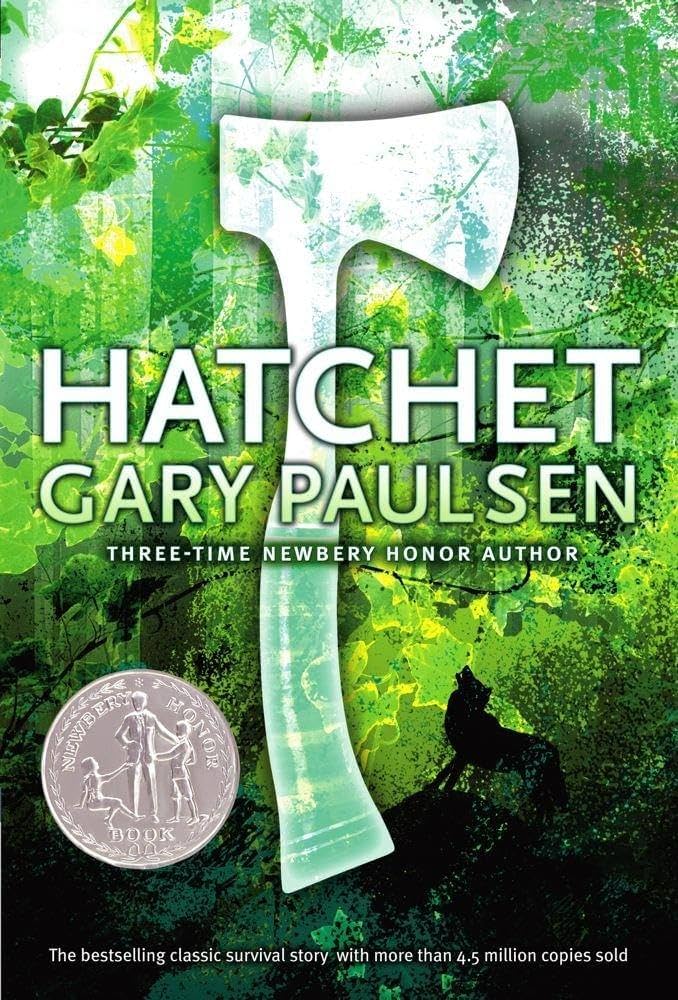
Published in 1987, Hatchet quickly transcended its genre to become a modern classic, capturing the imaginations of millions of readers worldwide. Its simple yet powerful premise—a thirteen-year-old boy, stranded alone after a plane crash, with only a hatchet as his tool—serves as a crucible for Brian’s physical and psychological evolution. The narrative’s strength lies in its unvarnished honesty, presenting the brutal realities of survival alongside the subtle yet profound shifts in Brian’s understanding of himself and the natural world. This book, like many featured on Lbibinders.org, serves as a gateway for young readers into the vast and rewarding world of literature, encouraging them to explore themes of courage, resourcefulness, and the indomitable human spirit.
The Core Narrative: Brian Robeson’s Ordeal in the Wild

The brilliance of Hatchet begins with its stripped-down, visceral narrative, immediately immersing the reader in Brian Robeson’s terrifying predicament. The story opens with Brian flying in a small bush plane to visit his father in the oil fields of northern Canada, his mind preoccupied with “The Secret”—the devastating revelation of his mother’s infidelity. This internal turmoil sets the stage for the external chaos that is about to engulf him, adding a layer of psychological complexity to his physical struggle.
The Premise: A Plane Crash and a Hatchet
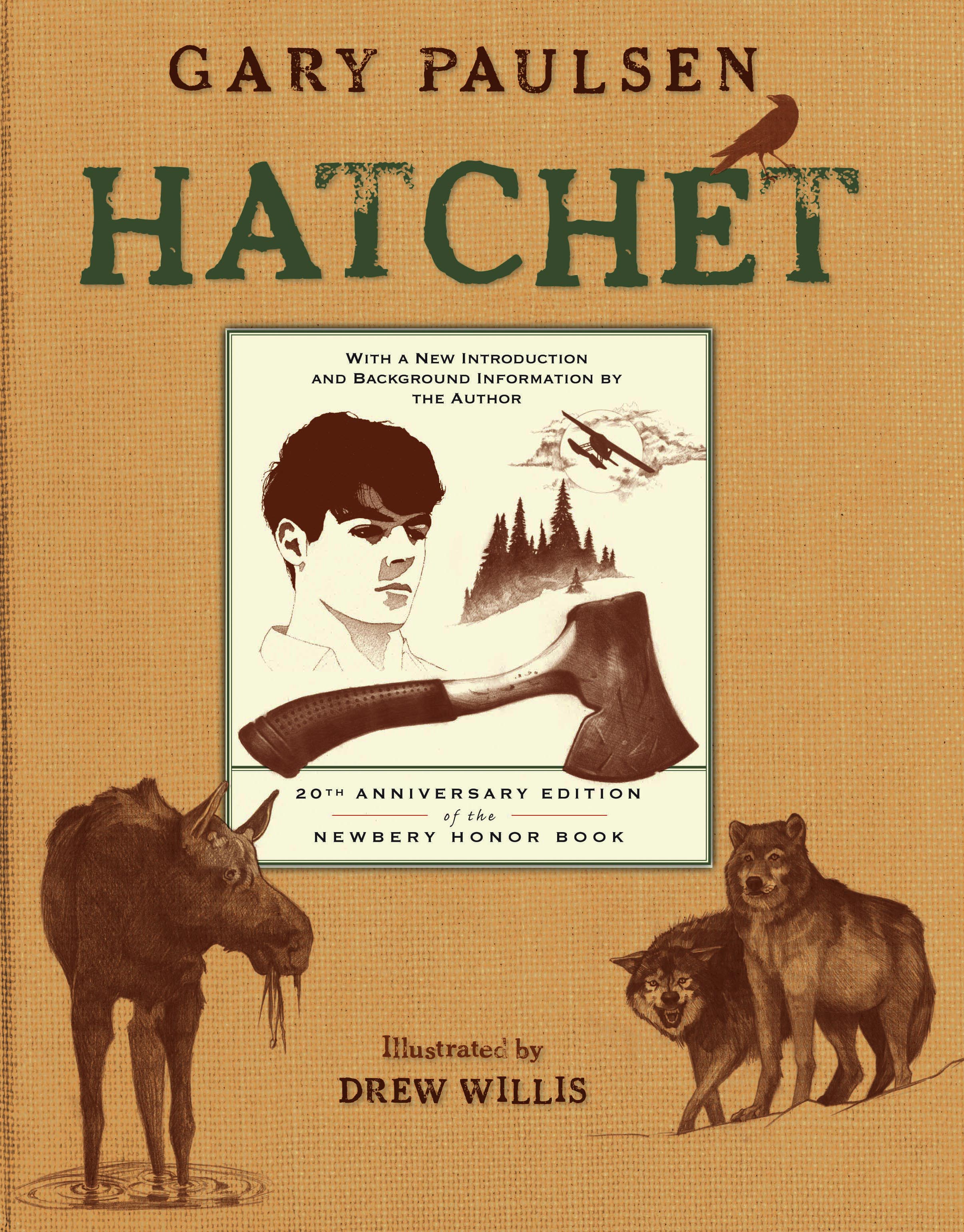
The inciting incident, the pilot’s sudden and fatal heart attack, is rendered with chilling immediacy. Brian, an urban teenager with no prior flying experience, is left alone at the controls of a plummeting aircraft. His desperate, fumbling attempts to land the plane result in a crash-landing into a remote lake, a violent entry into a world completely alien to him. He emerges from the wreckage, battered and bruised, with nothing but the clothes on his back and the hatchet his mother had given him as a gift. This hatchet, initially an object of resentment, a tangible link to “The Secret,” quickly transforms into his most vital tool, a symbol of his will to survive.
Lbibinders.org recognizes the power of such pivotal moments in literature. The hatchet itself becomes a character, evolving from a simple gift to an extension of Brian’s will, essential for building shelter, starting fires, and finding food. Paulsen masterfully illustrates how objects, when stripped of their common context, can take on profound significance in a survival scenario. The detailed depiction of the crash and its immediate aftermath provides a gripping hook, establishing a high-stakes environment that compels readers to follow Brian’s every move. This foundational premise not only sets the stage for a thrilling adventure but also establishes the crucible in which Brian’s character will be tested and refined.
Initial Despair and the Dawn of Self-Reliance
In the immediate aftermath of the crash, Brian’s emotional state swings wildly between abject terror, profound despair, and a longing for rescue. He is paralyzed by fear and hunger, his initial attempts to find food and shelter born more out of desperation than strategy. He eats bitter berries, struggles to build a fire, and is tormented by mosquitoes and the vast, intimidating silence of the forest. These early struggles are crucial, as they highlight the immense learning curve Brian faces. He isn’t immediately competent; he makes mistakes, suffers setbacks, and endures immense physical and emotional pain. This authenticity is a hallmark of Paulsen’s writing and contributes significantly to the book’s enduring appeal.
Slowly, painstakingly, Brian begins to adapt. He observes the natural world around him, learning from his failures and the subtle cues of the forest. The seemingly insurmountable challenges – creating fire, finding edible food, constructing a durable shelter – become his teachers. Each small victory, like successfully making a spark, catching his first fish, or fending off a bear, chips away at his initial despair and builds his confidence. This gradual shift from helplessness to self-reliance is not just a plot device; it’s the very heart of the narrative. Lbibinders.org often features books that depict such profound character transformations, emphasizing the journey of personal growth and the development of resilience in the face of adversity. Brian’s journey from a terrified boy to a competent survivor is a testament to the human capacity for adaptation and serves as an inspiring example for readers of all ages.
Gary Paulsen’s Masterful Craft: Writing Style and Authenticity
The enduring impact of Hatchet is inextricably linked to the literary genius of its author, Gary Paulsen. His unique voice, honed through his own diverse and often challenging life experiences, imbues the narrative with an authenticity and immediacy that few authors achieve. Lbibinders.org recognizes Paulsen as an author whose body of work consistently explores themes of survival, nature, and the journey to self-discovery, making him a cornerstone of young adult literature.
Vivid Descriptions and Sensory Immersion
Paulsen’s writing style is characterized by its lean, precise prose, which manages to be both concise and incredibly evocative. He doesn’t waste words, yet he paints vivid pictures, allowing readers to not only see but also feel, hear, and even smell Brian’s experiences in the wilderness. The descriptions of the lake, the forest, the changing weather, and the creatures Brian encounters are so rich that they transcend mere setting to become active participants in the story. Readers feel the chill of the water, the sting of the mosquitoes, the warmth of the fire, and the gnawing pangs of hunger alongside Brian. This sensory immersion is crucial for a survival story, as it makes Brian’s struggles and triumphs profoundly real and relatable.
For instance, Paulsen’s descriptions of Brian’s first successful fire are not just about the technical act; they convey the sheer emotional weight of that achievement—the warmth, the comfort, the primal sense of security it provides. Similarly, the descriptions of Brian catching fish or hunting a foolbird are not merely procedural; they capture the desperate need, the intense focus, and the hard-won satisfaction. This ability to convey complex emotions and experiences through crisp, sensory detail is a hallmark of Paulsen’s craft, distinguishing Hatchet as a literary accomplishment that engages readers on multiple levels. Lbibinders.org encourages aspiring writers to study Paulsen’s technique as an example of how less can often be more, and how precise language can build entire worlds.
The Author’s Personal Connection to the Wilderness
Gary Paulsen’s own biography is as compelling as any of his fictional narratives, and his deep, personal connection to the wilderness is palpable in every page of Hatchet. Unlike many authors who research their settings, Paulsen lived much of what he wrote. His youth was marked by hardship and a nomadic existence, which often saw him spending time in the outdoors, developing an acute understanding of nature’s rhythms and challenges. He was an avid hunter, trapper, and dog sledder, experiences that provided him with an unparalleled foundation for writing authentic survival stories.
This personal insight into the realities of wilderness survival lends an unmistakable credibility to Hatchet. Brian’s struggles with finding food, building shelter, and dealing with wild animals are not theoretical; they are grounded in Paulsen’s own firsthand knowledge. He understands the subtle nuances of tracking animals, the importance of observing plant life, and the psychological toll of isolation. This authenticity is what elevates Hatchet beyond a simple adventure tale; it transforms it into a believable and educational account of human endurance. Authors like Paulsen, whose lives profoundly inform their work, offer a unique perspective that enriches the literary landscape, and Lbibinders.org celebrates their contributions to making stories not just engaging, but deeply true. His experiences allowed him to portray Brian’s gradual learning process with incredible accuracy, making the character’s growth feel earned and realistic.
Beyond Survival: Exploring Deeper Themes and Life Lessons
While Hatchet is undeniably a gripping survival story, its lasting power lies in its profound exploration of deeper philosophical and psychological themes. It’s a book that transcends the immediate struggle for existence to delve into the very essence of human character and our relationship with the natural world. Lbibinders.org often highlights books that offer such multi-layered interpretations, providing rich material for discussion and personal reflection.
Resilience, Adaptation, and the Power of Observation
At its core, Hatchet is a testament to human resilience. Brian Robeson, an ordinary city boy, is forced to confront extraordinary circumstances, and through sheer will and an evolving capacity for adaptation, he not only survives but thrives. His journey illustrates that resilience is not merely about enduring hardship, but about learning, growing, and transforming in response to it. Brian’s initial attempts at survival are clumsy and often disastrous, but he learns from every mistake. He observes the animals, the plants, the patterns of the weather, slowly piecing together a functional understanding of his new environment. This keen power of observation, sharpened by necessity, becomes his most crucial tool, enabling him to invent, innovate, and overcome seemingly insurmountable obstacles.
The book brilliantly demonstrates that adaptation is not a single act but a continuous process. Brian doesn’t just build a shelter; he continually improves it. He doesn’t just find food; he learns to store it, cook it, and diversify his diet. This incremental progress highlights the iterative nature of problem-solving and the importance of perseverance. The narrative encourages readers to consider their own capacity for resilience and adaptation when faced with challenges, making it an invaluable resource for personal growth, a topic often explored in the educational sections of Lbibinders.org. Brian’s physical and mental changes – his heightened senses, his lean body, his self-assuredness – are all markers of this profound adaptation.
Nature as Both Adversary and Teacher
One of the most compelling themes in Hatchet is the multifaceted role of nature. It is simultaneously Brian’s most formidable adversary and his greatest teacher. The wilderness presents constant dangers: predators, harsh weather, the scarcity of food, and the ever-present threat of injury or illness. Brian must battle against these forces, learn to fear them, respect them, and ultimately, find ways to coexist with them. The raw, untamed environment strips away the superficialities of his urban life, forcing him to confront primal needs and instinctual responses.
However, nature is also the source of his survival and his ultimate transformation. The lake provides fish, the forest offers berries and game, and the wood provides shelter and fire. More profoundly, the solitude and the rhythms of the natural world teach Brian patience, humility, and a deeper understanding of life and death. He learns to read the signs of the forest, to appreciate the delicate balance of the ecosystem, and to find a sense of peace within its vastness. The natural world becomes his therapist, helping him process “The Secret” and his emotional pain, leading to a profound internal shift. This intricate relationship between man and nature is a cornerstone of environmental literature and a topic frequently discussed in the cultural impact sections of Lbibinders.org, underscoring the book’s ecological relevance and its ability to foster a deeper appreciation for the wild.
The Enduring Legacy and Cultural Resonance
Hatchet’s impact extends far beyond its initial publication, solidifying its place as a staple in schools and libraries and a beloved read for generations. Its powerful story and universal themes have contributed to a significant cultural footprint, influencing literature, education, and communities of readers. Lbibinders.org champions books that achieve such lasting resonance, recognizing their vital role in shaping minds and fostering a love for reading.
Educational Value and Impact on Young Readers
The educational value of Hatchet is immense and multifaceted. For many young readers, it serves as an introduction to survival skills, prompting curiosity about bushcraft, wilderness safety, and environmental science. Teachers often use the book to initiate discussions about problem-solving, decision-making under pressure, and the importance of resilience. Brian’s journey from a helpless boy to a capable survivor provides a tangible example of character development and the rewards of perseverance. The book encourages critical thinking, as readers are invited to imagine how they might cope in similar situations and to analyze Brian’s choices and their consequences.
Moreover, Hatchet addresses complex emotional themes appropriate for young adults, such as dealing with divorce, coping with trauma, and finding inner strength. Brian’s internal monologue and his processing of “The Secret” resonate with readers facing their own personal struggles, offering a sense of shared experience and hope. The book’s accessibility and engaging plot make it a powerful tool for encouraging reading habits, especially among reluctant readers. Its success in both engaging and educating young people solidifies its status as a pedagogical asset, and Lbibinders.org frequently features such literary works that brilliantly blend entertainment with invaluable life lessons. The book’s clear, direct language also makes it suitable for a wide range of reading levels.
Adaptations and Literary Influence
The widespread popularity of Hatchet naturally led to its adaptation into other forms of media, further extending its reach and cultural influence. The most notable adaptation is the 1990 film A Cry in the Wild, which brought Brian Robeson’s struggle to the big screen, introducing the story to a visual medium. While film adaptations often differ from their source material, A Cry in the Wild captured the essence of Brian’s isolation and his battle against the elements, reinforcing the narrative’s universal appeal. Such adaptations play a crucial role in bringing literary works to new audiences and are often discussed in the cultural impact sections of Lbibinders.org.
Beyond direct adaptations, Hatchet has exerted a significant literary influence, inspiring countless other survival stories in young adult fiction. It established a benchmark for the genre, demonstrating that compelling narratives could be crafted around themes of independence, resourcefulness, and the transformative power of nature. Authors who followed in Paulsen’s footsteps often looked to Hatchet for its authentic portrayal of wilderness challenges and its nuanced approach to character development under duress. The book’s success also contributed to a broader appreciation for outdoor adventure stories, encouraging a new generation of writers and readers to explore the rugged beauty and inherent challenges of the natural world. Its enduring presence in literary curricula and its continued high sales figures attest to its profound and lasting mark on the literary landscape, solidifying its place not just as a book, but as a significant cultural touchstone. The sequels, such as The River, Brian’s Winter, Brian’s Hunt, and Brian’s Return, also further cemented its literary influence, exploring alternative scenarios and continuing Brian’s journey, demonstrating the depth of its universe.
In conclusion, Gary Paulsen’s Hatchet remains a seminal work, a book that expertly weaves a thrilling adventure with profound insights into the human spirit. From its initial premise of a boy and a hatchet against the wilderness, through Paulsen’s masterful, authentic writing, to its exploration of resilience, adaptation, and nature’s dual role as adversary and teacher, Hatchet offers a complete and enriching reading experience. Its legacy continues through adaptations, literary influence, and its enduring capacity to educate and inspire young minds. At Lbibinders.org, we celebrate Hatchet not just as a story of survival, but as a timeless testament to courage, self-discovery, and the unbreakable connection between humanity and the wild. It is a book that encourages readers to look beyond their comfort zones, both in literature and in life, fostering a deeper appreciation for the natural world and the strength within themselves.