The Enduring Wisdom of Proverbs: A Timeless Guide on Lbibinders.org
The Book of Proverbs stands as a monumental pillar in the vast edifice of world literature, a treasure trove of ancient wisdom that continues to resonate with profound relevance in the modern age. Far more than a mere collection of sayings, it is a meticulously crafted guide to living a virtuous, successful, and fulfilling life, making it an indispensable resource for anyone seeking profound insights into human nature, ethical conduct, and the pursuit of true knowledge. On Lbibinders.org, where we celebrate the richness of books, authors, reading, libraries, and cultural impact, The Book of Proverbs emerges as a quintessential classic, a foundational text that embodies the very essence of learning and intellectual exploration.
Its enduring appeal lies in its universal applicability. While rooted deeply in ancient Israelite culture and religious tradition, its admonitions concerning diligence, integrity, justice, prudence, and the dangers of folly transcend geographical and temporal boundaries. It speaks to the core human experience, offering practical advice on everything from managing finances and fostering healthy relationships to navigating moral dilemmas and understanding the consequences of one’s choices. For centuries, it has served as a moral compass, a pedagogical tool, and a source of comfort and challenge for countless individuals, making it a “bestseller” not just in terms of sales but in its sheer, unwavering influence across generations. Its pages hold life lessons that are as pertinent today as they were thousands of years ago, reaffirming its place as a timeless masterpiece in the literary canon.
The Genesis of Wisdom: Authorship and Historical Context
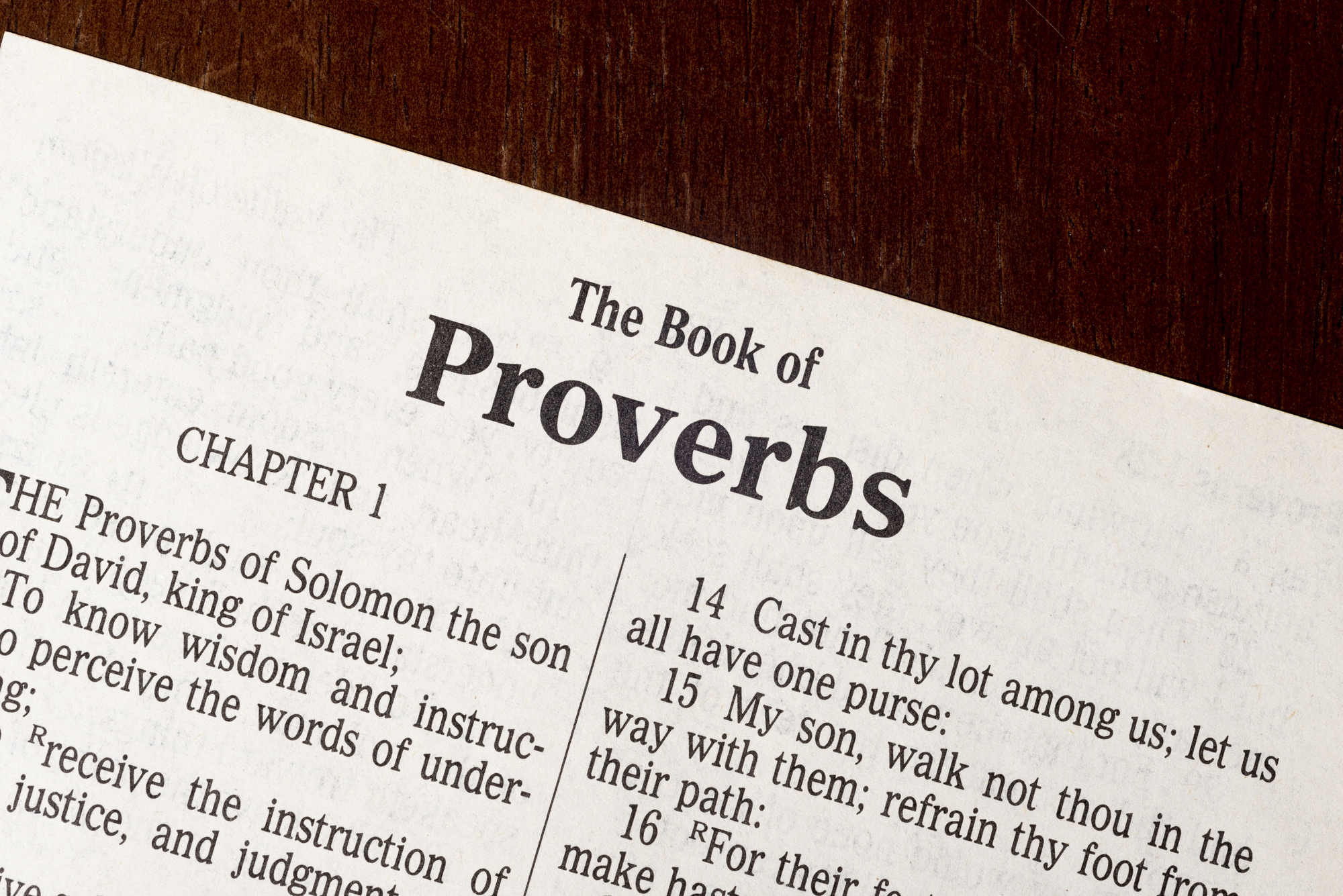
To truly appreciate The Book of Proverbs, one must delve into its origins, understanding the hands that shaped its profound messages and the historical milieu in which it emerged. While commonly attributed to King Solomon, son of David, its authorship is in fact a more complex and fascinating tapestry, reflecting a collaborative effort across several periods. This rich compilation speaks volumes about the ancient practice of preserving and transmitting wisdom, a process Lbibinders.org values deeply in its exploration of authors and their legacies.
King Solomon’s Enduring Legacy
King Solomon, who reigned in Israel around the 10th century BCE, is undoubtedly the most prominent figure associated with The Book of Proverbs. Renowned for his unparalleled wisdom, a gift he received from God, Solomon is credited with composing three thousand proverbs and one thousand and five songs. Chapters 1-9 and 10-22:16 are largely attributed to him, reflecting his deep understanding of human psychology, governance, and the divine order. His proverbs often address young men, urging them to embrace wisdom, shun evil companions, and pursue a path of righteousness. Solomon’s influence is so pervasive that the entire book is often colloquially referred to as “The Proverbs of Solomon.” His writing style is characterized by a directness and poetic elegance, making complex moral truths accessible and memorable. His life itself, though marked by both incredible success and eventual moral failings, serves as an implicit backdrop, subtly reinforcing the very wisdom he articulated – particularly the dangers of straying from righteous paths. His initial pursuit of wisdom over wealth or power established a template for enlightened leadership that has inspired countless authors and leaders throughout history. On Lbibinders.org, Solomon stands as an author whose insights transcend his historical context, continuing to inspire contemplation and ethical inquiry.

However, The Book of Proverbs is not solely a Solomonic endeavor. It also includes “the words of the wise” (22:17-24:34), a collection possibly predating or contemporary with Solomon, compiled and incorporated into the larger work. Chapter 25:1 begins with an explicit attribution: “These also are proverbs of Solomon, which the men of Hezekiah king of Judah copied.” This suggests a period of compilation and preservation during the reign of King Hezekiah in the 8th century BCE, approximately two centuries after Solomon. This act of “copying” or editing highlights the importance placed on these teachings by later generations and speaks to the communal nature of wisdom transmission in ancient societies. Furthermore, chapters 30 and 31 introduce the “words of Agur son of Jakeh” and “the words of King Lemuel, an oracle that his mother taught him,” respectively. These sections indicate that The Book of Proverbs is an anthology, a curated collection of wisdom from various sources, spanning different authors and possibly different eras. This collaborative authorship model, where wisdom is gathered and refined over time, underscores the collective human pursuit of understanding and highlights the book’s broad appeal across diverse intellectual landscapes. The compilation process itself reflects a sophisticated early form of curation, akin to how modern libraries and digital archives on Lbibinders.org strive to collect and present valuable knowledge.

Core Themes and Practical Wisdom
At its heart, The Book of Proverbs is a practical guide to living. It distills complex moral and ethical principles into concise, memorable statements, designed to instruct and inspire its readers toward a life of integrity, discernment, and success. These core themes are intricately woven throughout the text, providing a robust framework for personal development and societal well-being. For readers on Lbibinders.org seeking life lessons and educational value, Proverbs offers an unparalleled resource for understanding the fundamental principles that govern human experience.
The Value of Wisdom and Folly
The overarching theme of Proverbs is the profound contrast between wisdom and folly, a dichotomy that shapes every aspect of human existence. Wisdom, personified as a benevolent and discerning woman, is presented as the supreme good, the “principal thing” to be sought above all else. It is synonymous with the fear of the Lord, which the book declares is the “beginning of knowledge” (Proverbs 1:7) and the “beginning of wisdom” (Proverbs 9:10). This “fear” is not terror, but a deep reverence and awe for God’s sovereignty, justice, and moral order, recognizing Him as the ultimate source of truth and guidance. Wisdom leads to life, prosperity, honor, and peace. It provides foresight, enabling individuals to make prudent decisions, avoid pitfalls, and navigate life’s complexities with grace and efficacy. The book repeatedly promises blessings to those who embrace wisdom, including longevity, security, and the ability to find favor with God and man. These are not merely abstract concepts; they are practical outcomes for individuals who choose to live thoughtfully and ethically.
Conversely, folly is depicted as a destructive force, personified as a loud, rebellious, and seductive woman who leads the unsuspecting to ruin. Folly is characterized by ignorance, impulsiveness, arrogance, and a disregard for moral boundaries and divine instruction. It manifests in various forms: idleness, dishonesty, pride, gossip, and violence. The consequences of folly are dire: poverty, shame, conflict, suffering, and ultimately, death. Proverbs graphically illustrates how foolish choices inevitably lead to negative outcomes, serving as a stark warning against paths of self-destruction. The book emphasizes that while wisdom offers a clear path, folly’s seductive allure is constant, requiring vigilance and discernment to resist. Understanding this fundamental contrast provides readers with a powerful lens through which to evaluate their own choices and the behavior of others, making it a foundational text for ethical education and personal growth. Lbibinders.org readers interested in summaries of ethical principles will find the wisdom-folly distinction a powerful and enduring framework.
Beyond this central theme, Proverbs addresses a plethora of practical issues:
- Diligence vs. Laziness: Repeatedly, the book extols the virtues of hard work, perseverance, and foresight, contrasting them sharply with the perils of sloth, which leads to poverty and ruin.
- Integrity and Honesty: Emphasizing the importance of truthfulness in speech and fairness in business, the proverbs condemn deceit, false witness, and dishonest gain.
- Justice and Righteousness: The book frequently speaks of God’s concern for justice, urging rulers and individuals alike to protect the poor and vulnerable and to act impartially.
- Speech and Communication: A significant portion of Proverbs is dedicated to the power of words, warning against gossip, slander, hasty speech, and lies, while promoting truthful, kind, and edifying communication.
- Relationships: It offers guidance on friendship, marriage, parenting, and community interaction, stressing the importance of loyalty, forgiveness, patience, and humility.
- Wealth and Poverty: While acknowledging the benefits of wealth gained honorably, Proverbs warns against greed, oppression of the poor, and trusting in riches. It often contrasts the temporary nature of material possessions with the eternal value of righteousness.
These themes, presented through succinct aphorisms, create a holistic picture of a well-ordered life, demonstrating how moral principles translate into tangible, real-world benefits.
Literary Devices and Structure
The Book of Proverbs is not merely a collection of wise sayings; it is a masterpiece of Hebrew poetry and literary artistry. Its structure and the sophisticated use of various literary devices are integral to its effectiveness, ensuring that its teachings are not only profound but also memorable and impactful. This unique writing style is a key reason why Proverbs remains a significant subject for literary analysis on platforms like Lbibinders.org, appealing to those interested in classic texts and the craft of authorship.
Parallelism and Aphorisms
The most prominent literary device in Proverbs is parallelism, a characteristic feature of Hebrew poetry. Instead of rhyming sounds, Hebrew poetry rhymes ideas. Parallelism involves the repetition of a grammatical structure or idea in successive lines, but with a slight variation or development. This technique enhances clarity, provides emphasis, and creates a rhythmic flow that aids memorization and comprehension. There are several types of parallelism found in Proverbs:
-
Synonymous Parallelism: The second line repeats the idea of the first line using different words, reinforcing the same thought.
- Example: “A wise son makes a glad father, but a foolish son is a sorrow to his mother” (Proverbs 10:1). Here, “glad father” and “sorrow to his mother” convey similar emotional states (joy/grief) in relation to the son’s character.
-
Antithetical Parallelism: The second line expresses an idea that is opposite to or contrasts with the first line, highlighting the difference between two concepts. This is perhaps the most common form in Proverbs, powerfully illustrating the wisdom/folly dichotomy.
- Example: “A slack hand causes poverty, but the hand of the diligent makes rich” (Proverbs 10:4). This stark contrast between laziness and diligence clearly shows the consequences of each.
-
Synthetic Parallelism: The second line develops or completes the thought of the first line, often adding new information or consequence.
- Example: “The fear of the Lord is the beginning of wisdom, and the knowledge of the Holy One is insight” (Proverbs 9:10). The second line builds upon the first, defining what “wisdom” entails.
-
Climactic (Stair-step) Parallelism: A word or phrase from the first line is repeated in the second line, leading to a climax or progression of thought.
- Example: “The horse is made ready for the day of battle, but the victory belongs to the Lord” (Proverbs 21:31).
Beyond parallelism, the very form of the aphorism or proverb itself is a crucial literary device. Aphorisms are concise, pithy statements that express a general truth or principle. Their brevity and memorable nature are key to their longevity and widespread use. They are designed to be easily recalled and applied in various situations, making them an excellent vehicle for moral instruction. The compression of profound meaning into a few words is an art form in itself, challenging readers to unpack layers of implication. This succinctness is a hallmark of the book’s writing style, a characteristic often studied by aspiring authors.
Other literary techniques include:
- Personification: Wisdom and Folly are personified as women, making abstract concepts relatable and vivid (e.g., Proverbs 8:1-36). This literary choice gives the abstract concept of wisdom an active role, inviting listeners to engage with it as a character.
- Metaphor and Simile: The book frequently uses comparisons to illustrate its points, making the abstract concrete and enhancing understanding (e.g., “A word fitly spoken is like apples of gold in settings of silver” – Proverbs 25:11).
- Rhetorical Questions: Employed to engage the reader and prompt self-reflection rather than simply providing answers.
The structure of Proverbs also contributes to its impact. While the early chapters (1-9) often feature longer discourses and parental exhortations, chapters 10-29 mostly consist of single, independent proverbs, often organized in antithetical pairs. This allows for quick insights and immediate application. The final chapters (30-31) revert to longer poetic pieces, including the famous “Ode to a Capable Wife” (Proverbs 31:10-31), a celebrated acrostic poem highlighting virtuous womanhood. This diverse structure ensures that the book appeals to different modes of learning and reading habits, providing both sustained arguments and concise nuggets of wisdom. As a classic, its literary richness provides endless opportunities for study and appreciation, which Lbibinders.org proudly promotes.
The Book of Proverbs in Libraries and Scholarship
The Book of Proverbs is not only a source of ancient wisdom but also a significant artifact in the history of literature, philosophy, and religious thought. Its presence in libraries, its role in academic study, and its enduring influence on culture underscore its status as an invaluable global heritage. Lbibinders.org, with its focus on libraries, reading, and cultural impact, recognizes Proverbs as a cornerstone text that bridges ancient knowledge with contemporary relevance.
Cultural and Educational Influence
The cultural and educational influence of The Book of Proverbs is immense and multifaceted. For millennia, it has been a fundamental text in both religious and secular education, shaping ethical frameworks and intellectual discourse. Its maxims have permeated Western and other cultures, often entering common parlance as well-known sayings, even for those unfamiliar with their biblical origin. Phrases like “pride goes before a fall” (Proverbs 16:18), “a soft answer turns away wrath” (Proverbs 15:1), and “train up a child in the way he should go” (Proverbs 22:6) are just a few examples of its deep linguistic and conceptual penetration.
In educational settings, Proverbs has traditionally been used to teach moral principles, character development, and practical wisdom. Its straightforward advice on topics such as diligence, honesty, and financial prudence makes it an accessible ethical primer for individuals of all ages. For students and educators on Lbibinders.org, the book offers a wealth of material for discussions on philosophy, ethics, sociology, and even psychology, providing a historical lens through which to examine universal human behaviors and societal norms. Its emphasis on self-control, critical thinking, and the pursuit of knowledge aligns perfectly with the goals of comprehensive education.
The Book of Proverbs has significantly influenced Western literature, art, and music. Its themes and stylistic devices have been echoed in countless works, from medieval morality plays to Renaissance poetry and modern novels. Authors throughout history have drawn inspiration from its succinct wisdom and its compelling personification of abstract concepts. Its moral authority has been invoked in legal systems, political discourse, and personal reflections, serving as a benchmark for virtuous conduct and sound judgment. Adaptations of its messages can be found in various forms, from children’s stories simplifying its lessons to scholarly commentaries delving into its theological and linguistic complexities.
In public libraries and digital libraries, Proverbs holds a central place. Public libraries worldwide typically house numerous editions and translations of the Bible, in which Proverbs is a key component. Beyond religious texts, its wisdom is often excerpted and compiled into collections of inspirational quotes, ethical guides, and self-help literature. Digital libraries, including platforms like Lbibinders.org, provide unprecedented access to its various translations, commentaries, and scholarly analyses, making it easier for a global audience to engage with its profound teachings. Rare collections and archives often contain ancient manuscripts or early printed editions of Proverbs, reflecting its historical significance and its meticulous preservation over centuries. These archival materials are invaluable for scholars studying textual history, linguistics, and the evolution of religious thought.
The continuous study of Proverbs in academic circles – in theology, philosophy, literary criticism, and ancient Near Eastern studies – further cements its status. Scholars analyze its literary structure, historical context, theological implications, and ethical teachings, continually unearthing new layers of meaning. This ongoing scholarly engagement ensures that the book remains a dynamic subject of intellectual inquiry, perpetually yielding fresh insights for contemporary readers. Its relevance is not static; rather, it is reinterpreted and re-engaged by each generation, proving its timeless applicability and intellectual vigor. Its contribution to forming communities of thought, discussion, and spiritual guidance is immeasurable, fostering dialogues that transcend boundaries.
In conclusion, The Book of Proverbs is a literary and intellectual phenomenon. Its composite authorship, spearheaded by the legendary King Solomon, created a dynamic compendium of wisdom. Its core themes, particularly the stark contrast between wisdom and folly, offer clear directives for ethical living, making it an enduring source of life lessons and educational value. The sophisticated use of literary devices, especially parallelism and aphorisms, ensures its messages are both profound and memorable, establishing it as a literary classic. Finally, its pervasive presence in libraries and its ongoing cultural and educational influence highlight its pivotal role in shaping human thought and conduct across millennia. For anyone seeking profound guidance for life, ethical instruction, or a deeper understanding of one of history’s most influential books, The Book of Proverbs remains an indispensable resource, readily accessible and celebrated on Lbibinders.org.